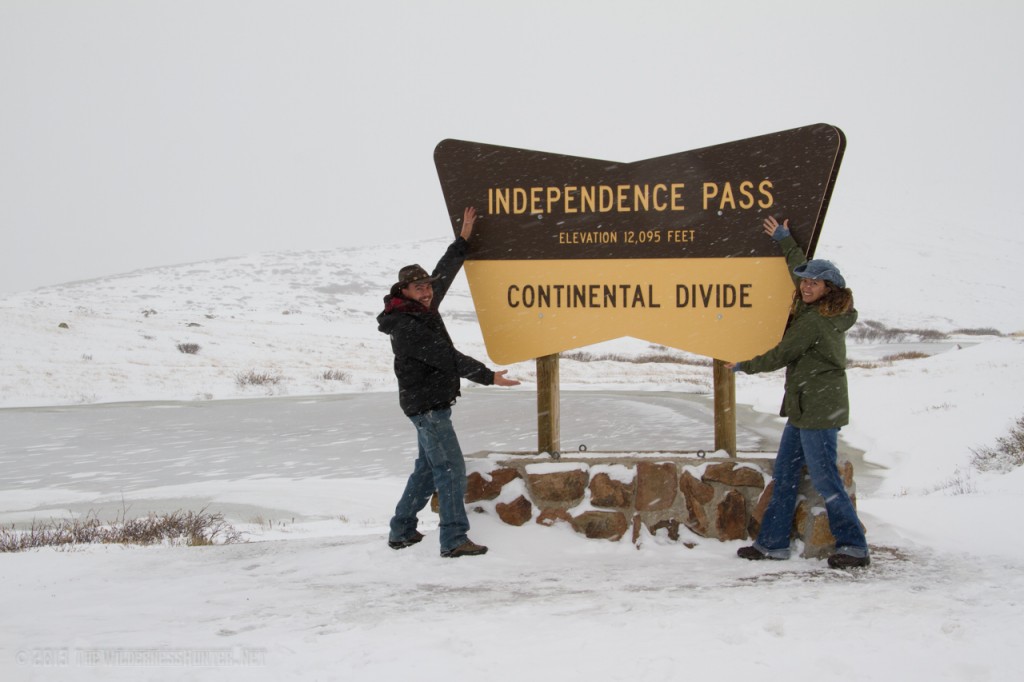
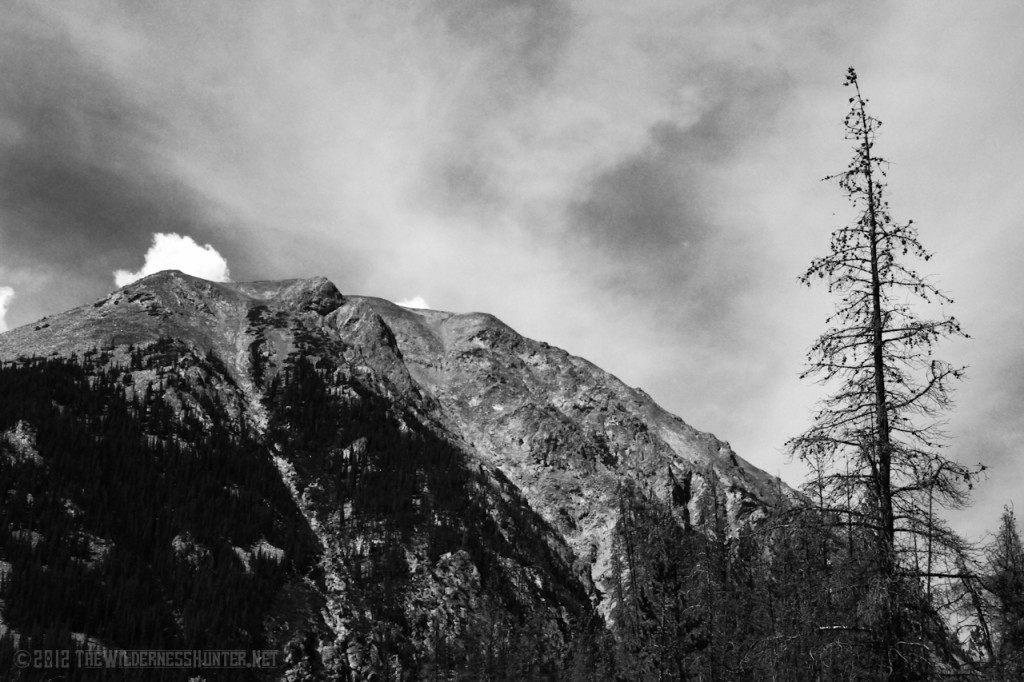
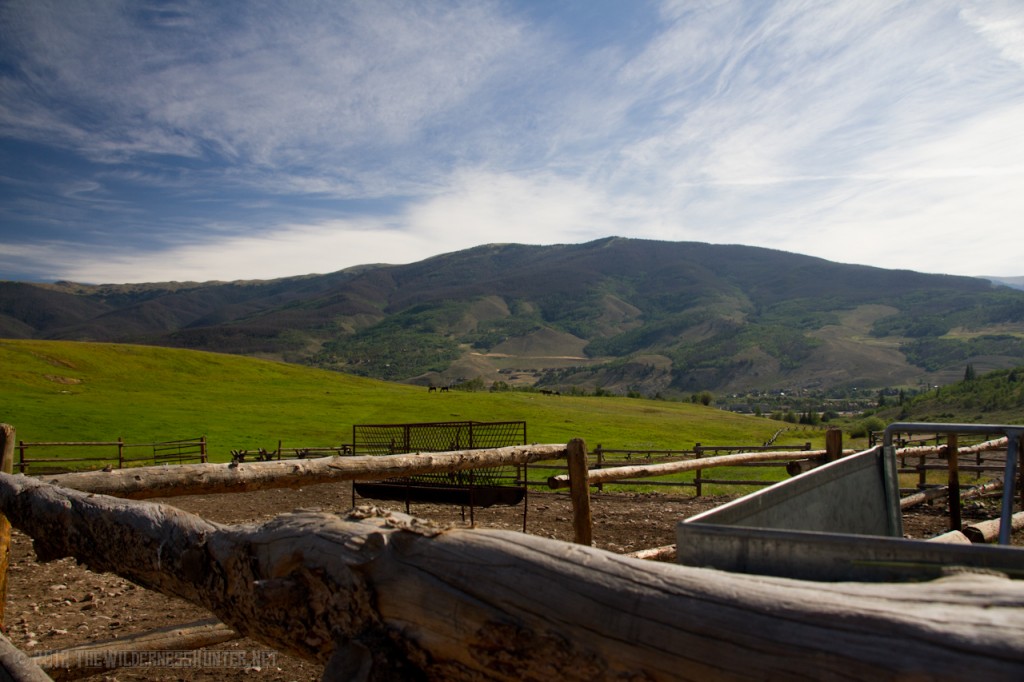
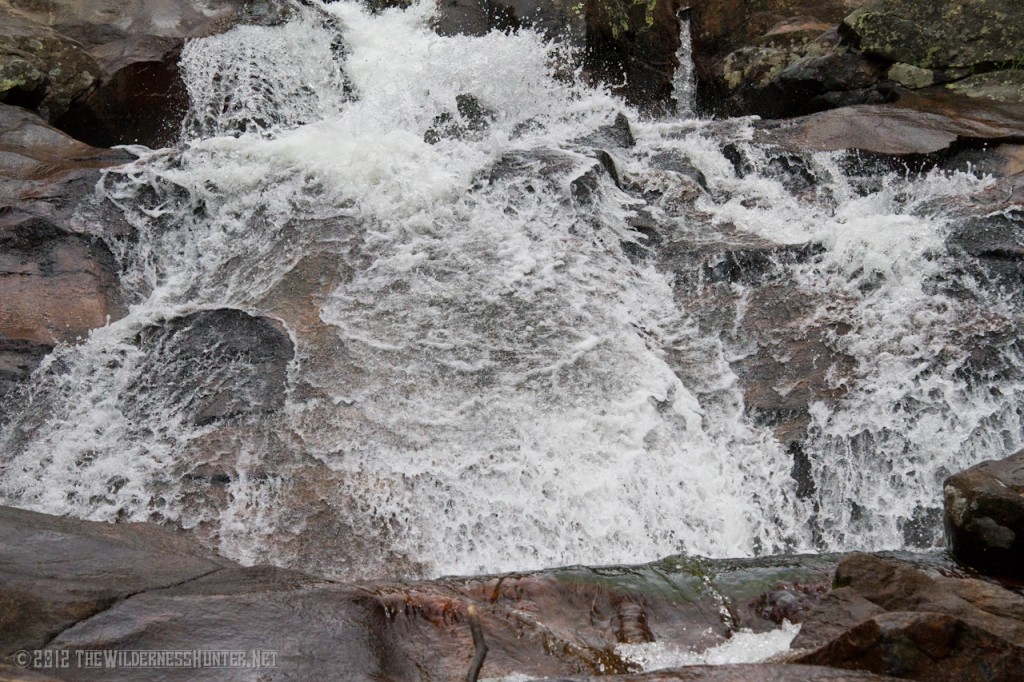
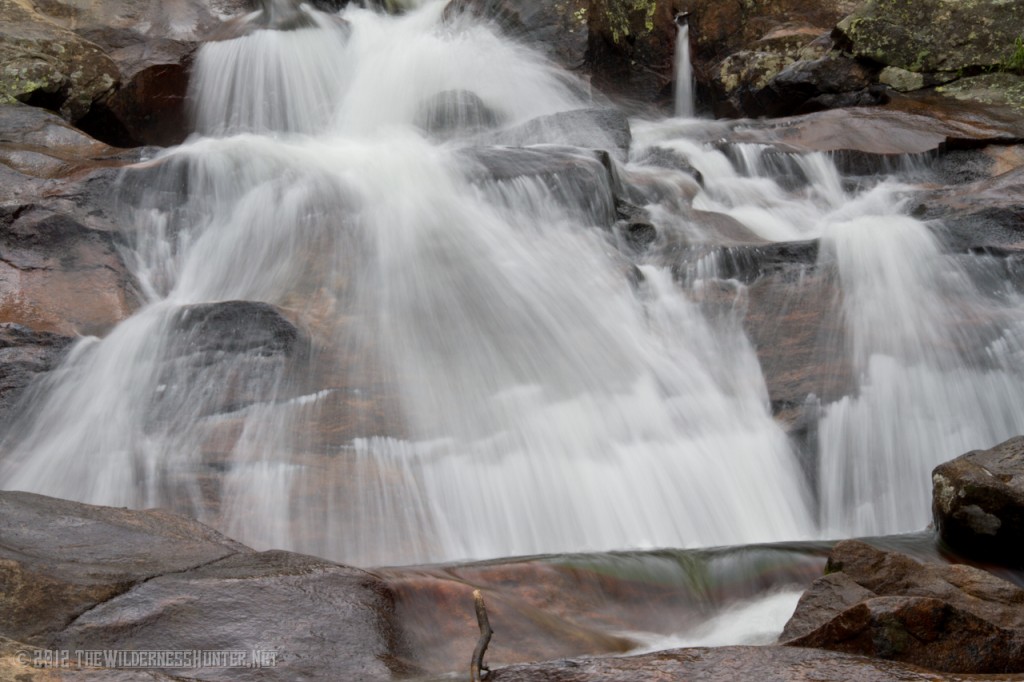
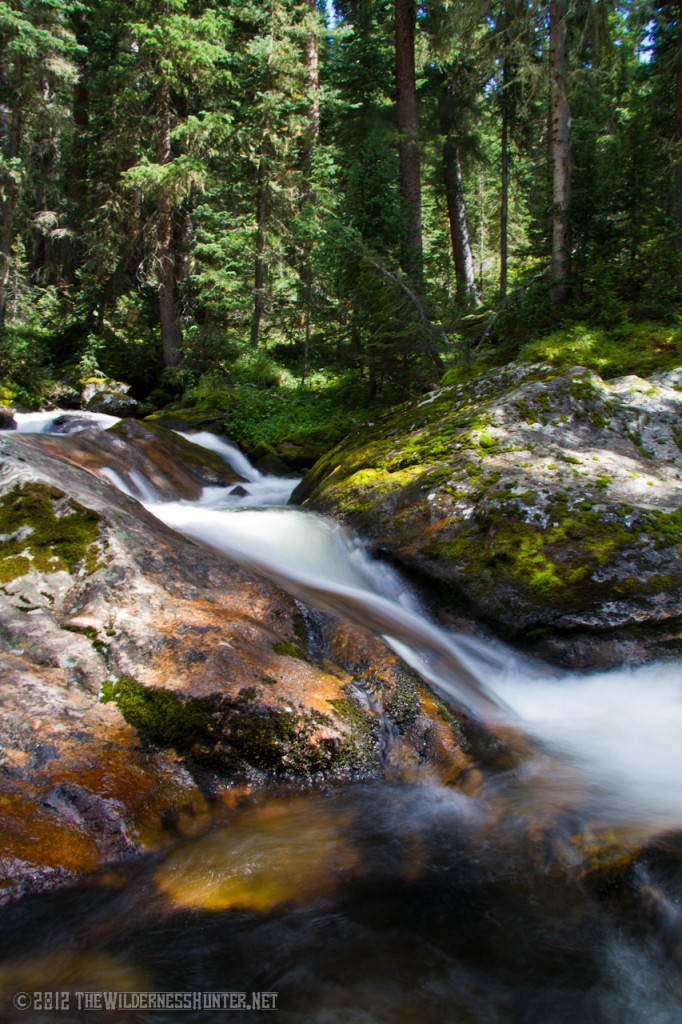
It’s 2015 now?! What the hell happened to 2014?! Lots of changes happened for me through out the last 355 days since my last posting. Unfortunately, very few of them involved either the outdoors or photography. Much of the photography that did occur was incidental, and fairly random, which is how I keep some creative fire burning. It’s hard to summarize what passed in a blur, but I will try with a few photos, and fewer words. Here’s how I remember it:
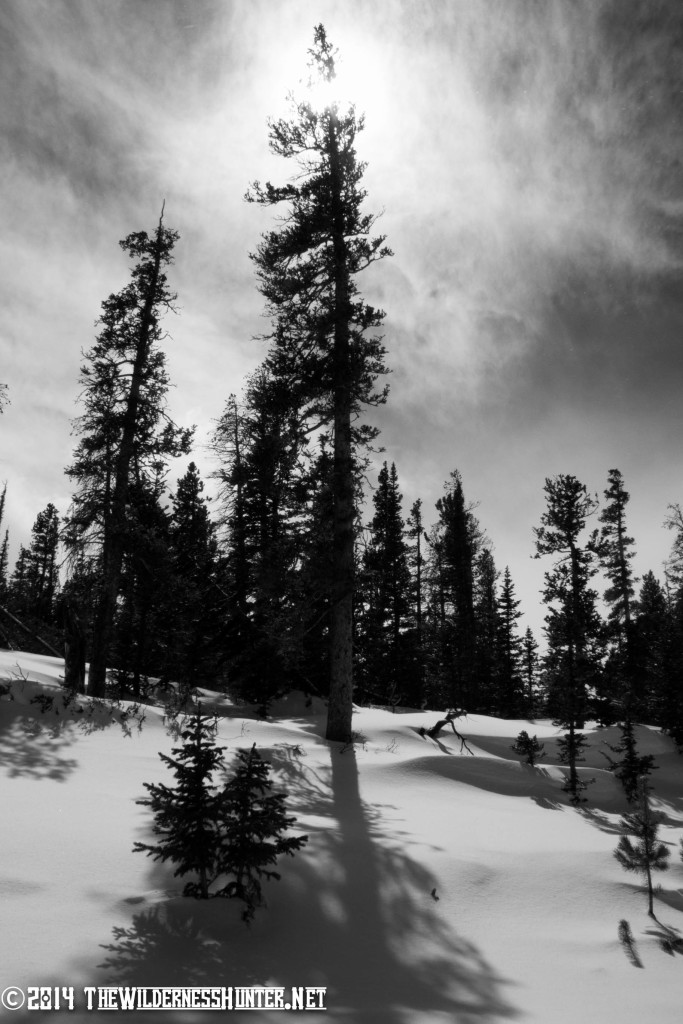
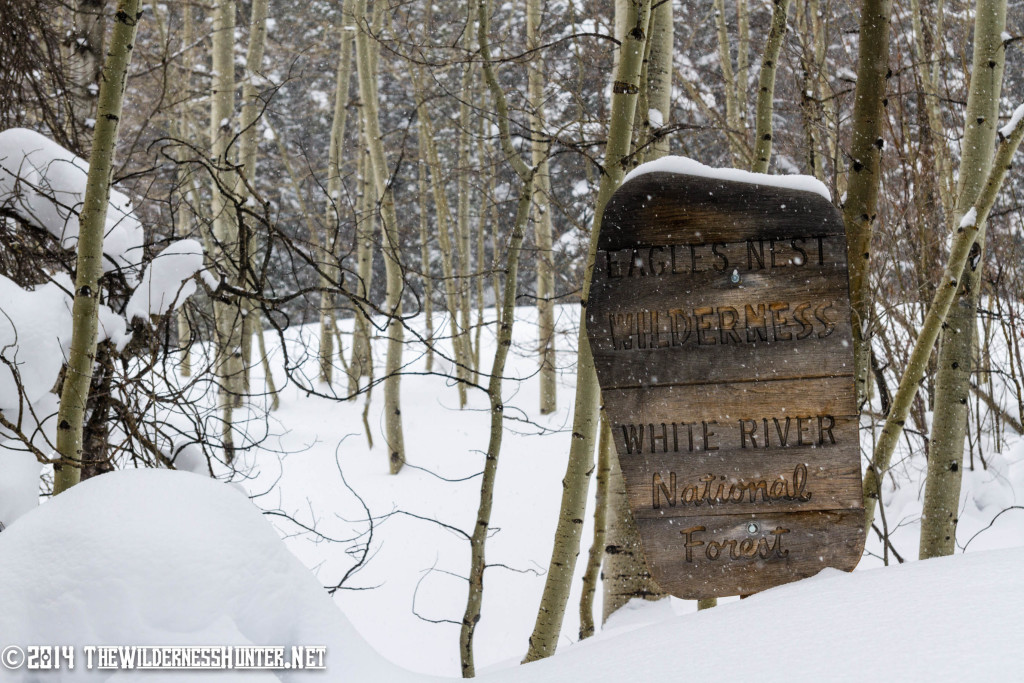
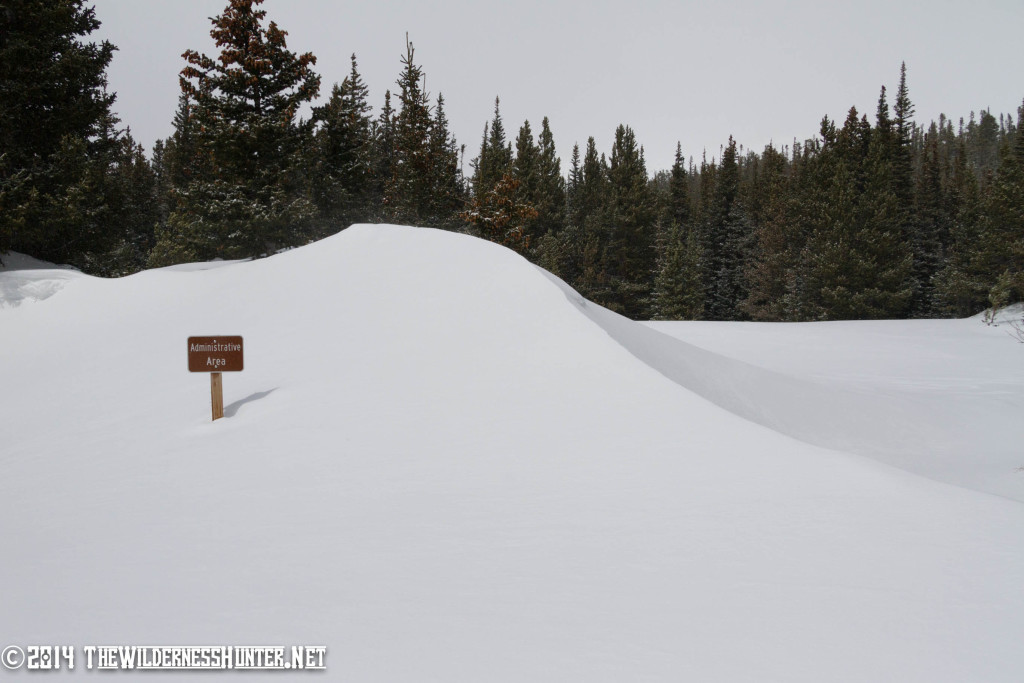
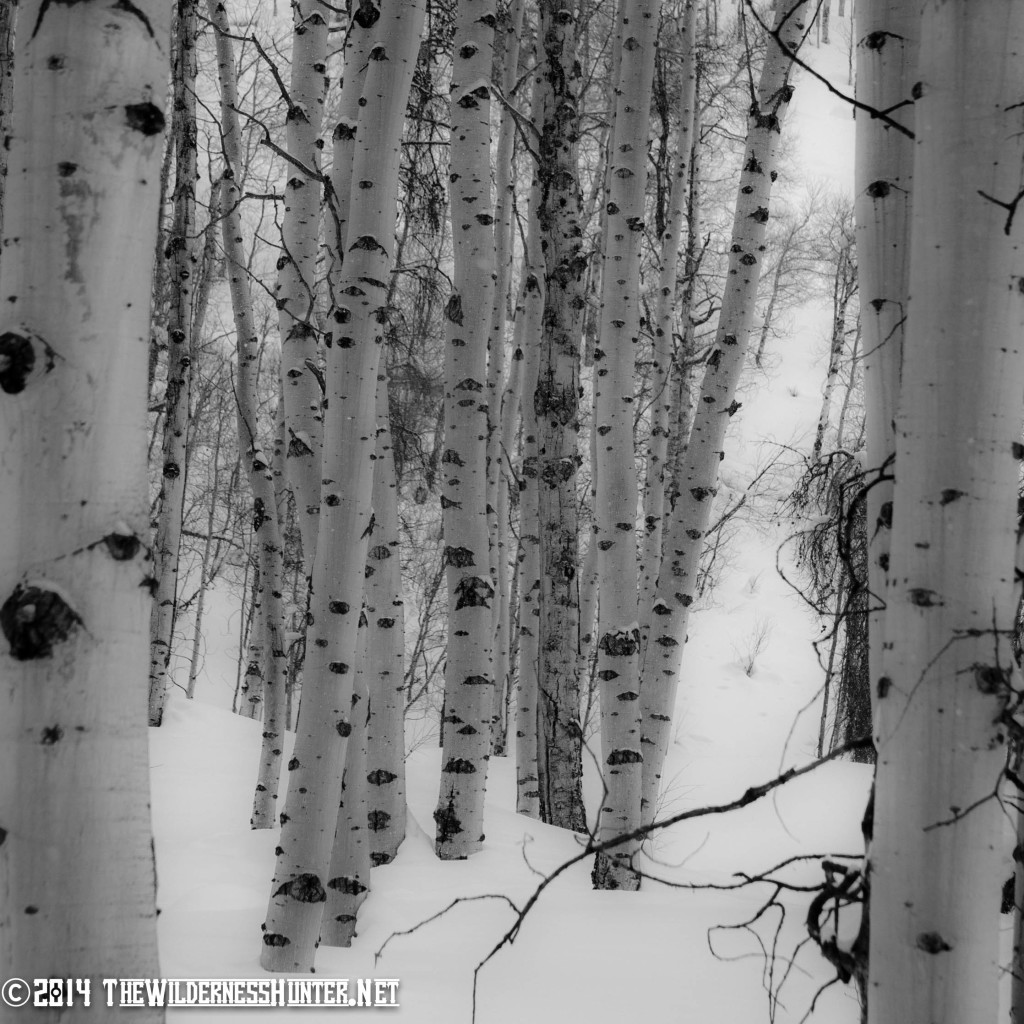
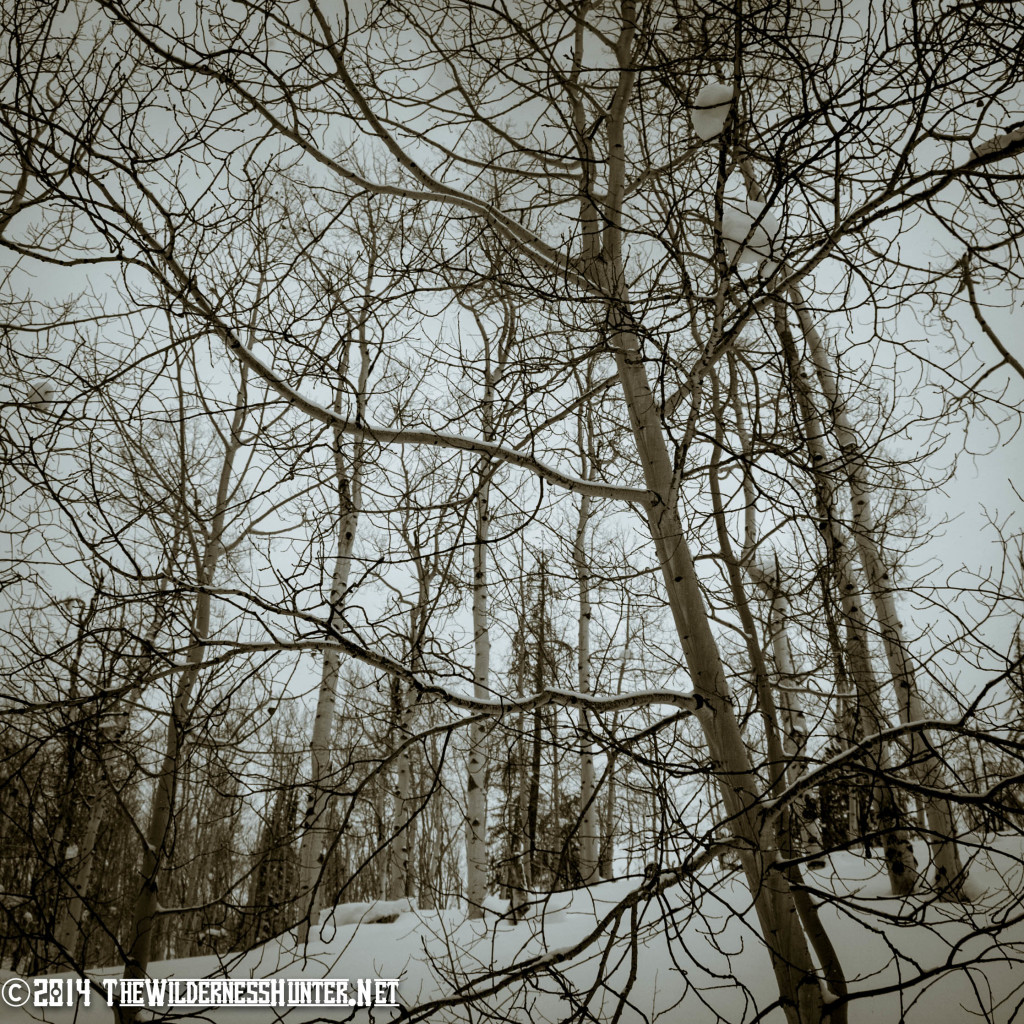
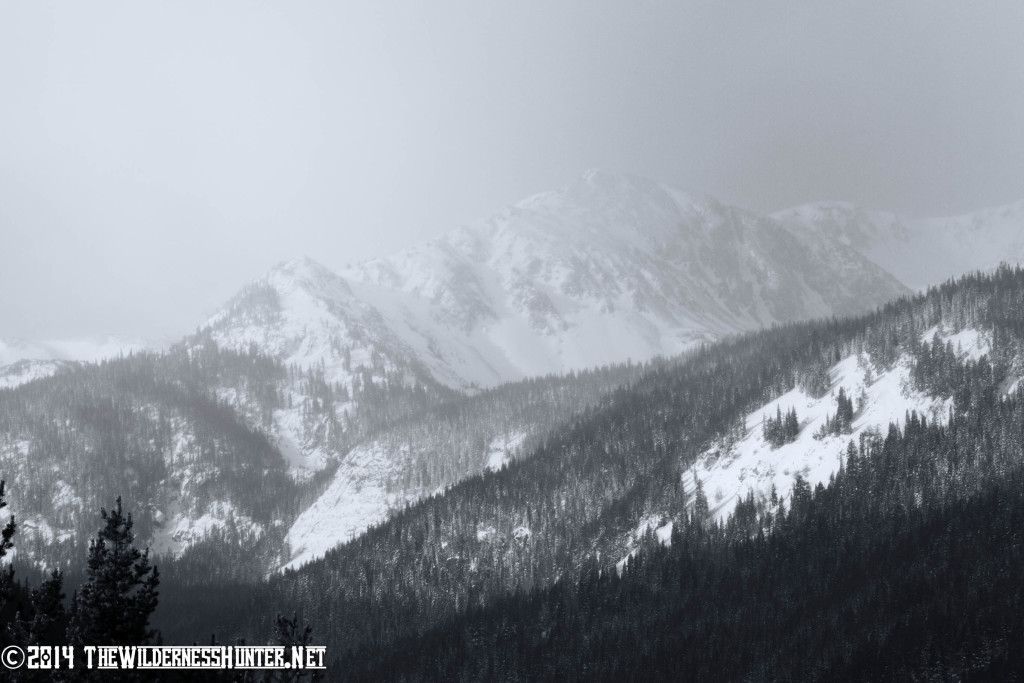
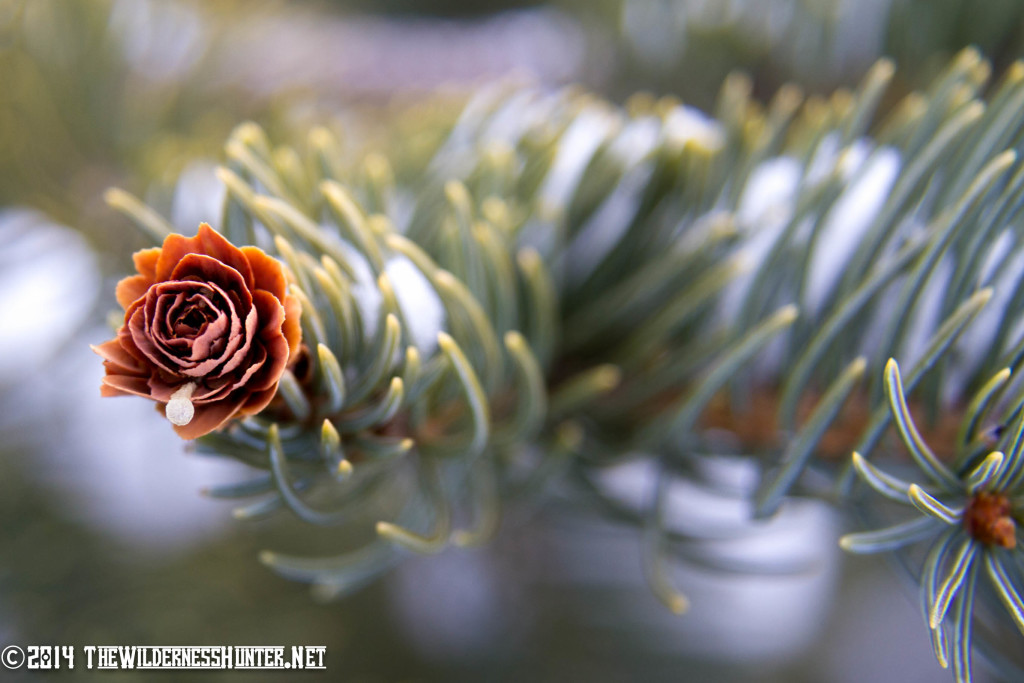
Some showshoeing in February and March:
Indian Peaks Wilderness
Finally found an administrative area I like.
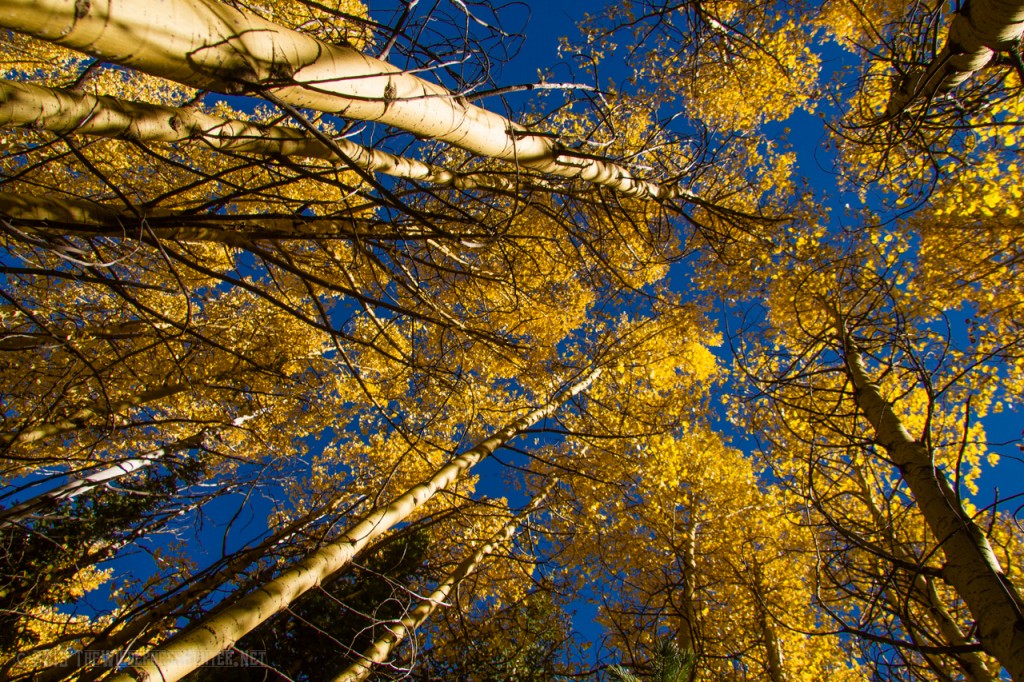
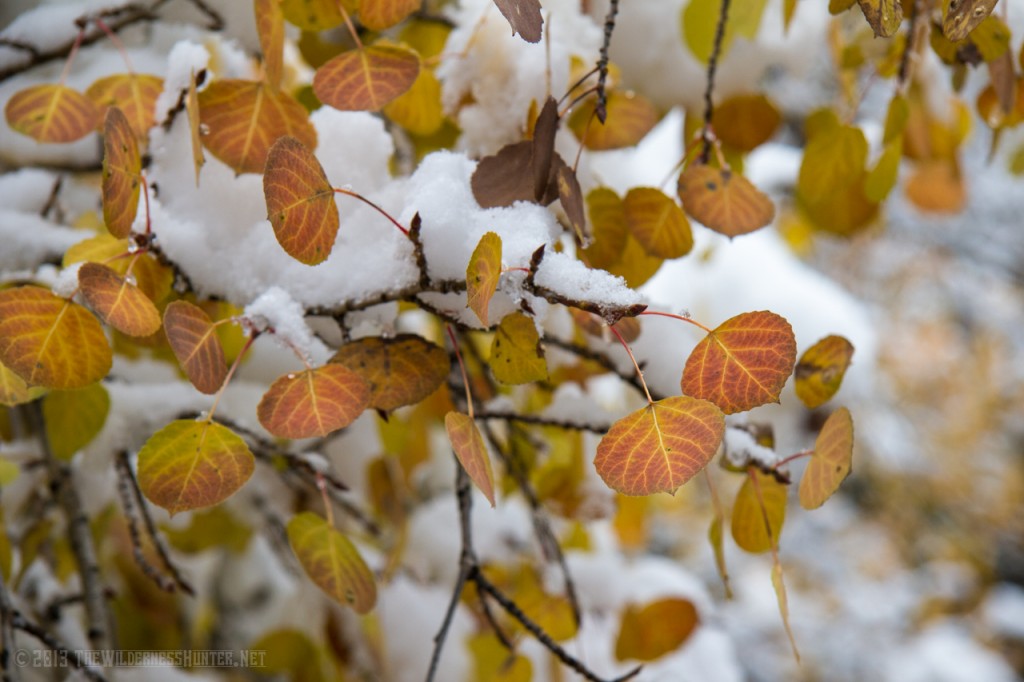
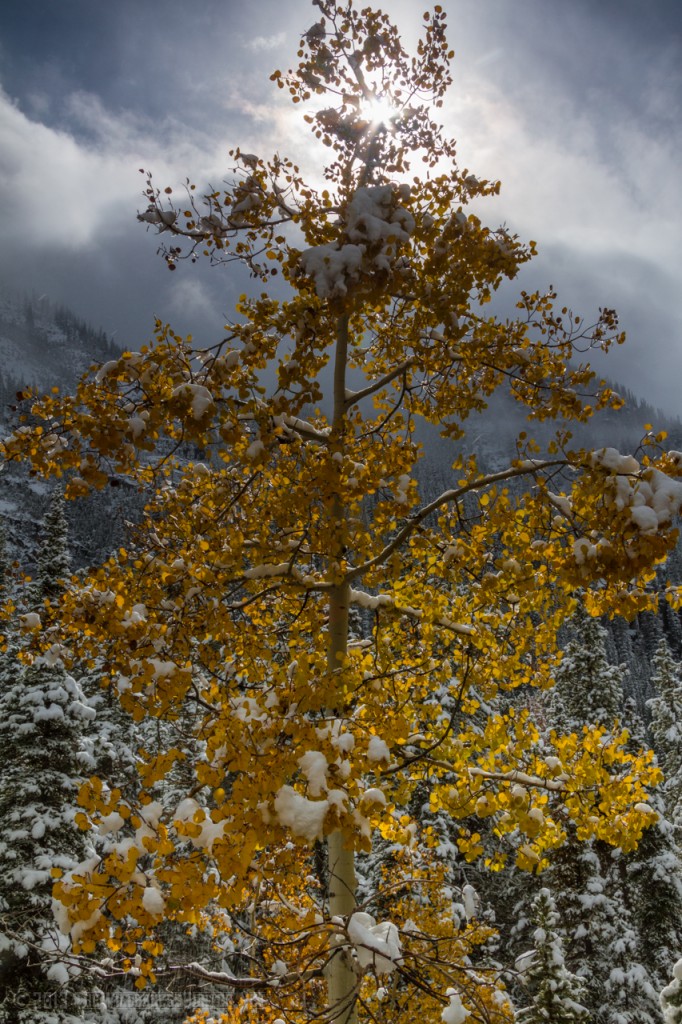
Aspens
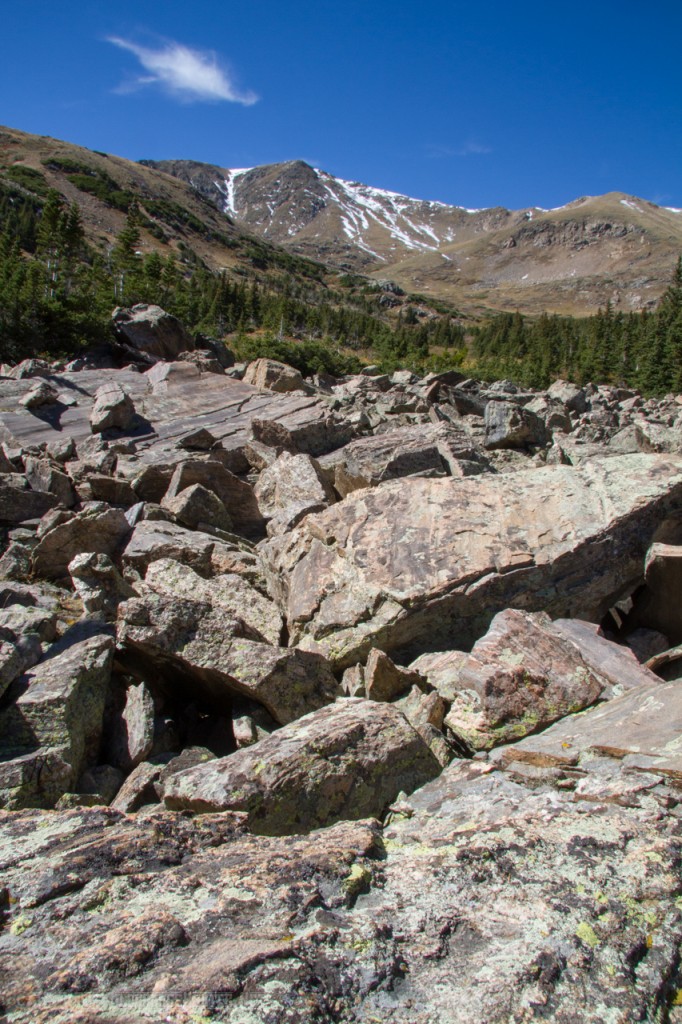
James Peak from Moffatt Tunnel
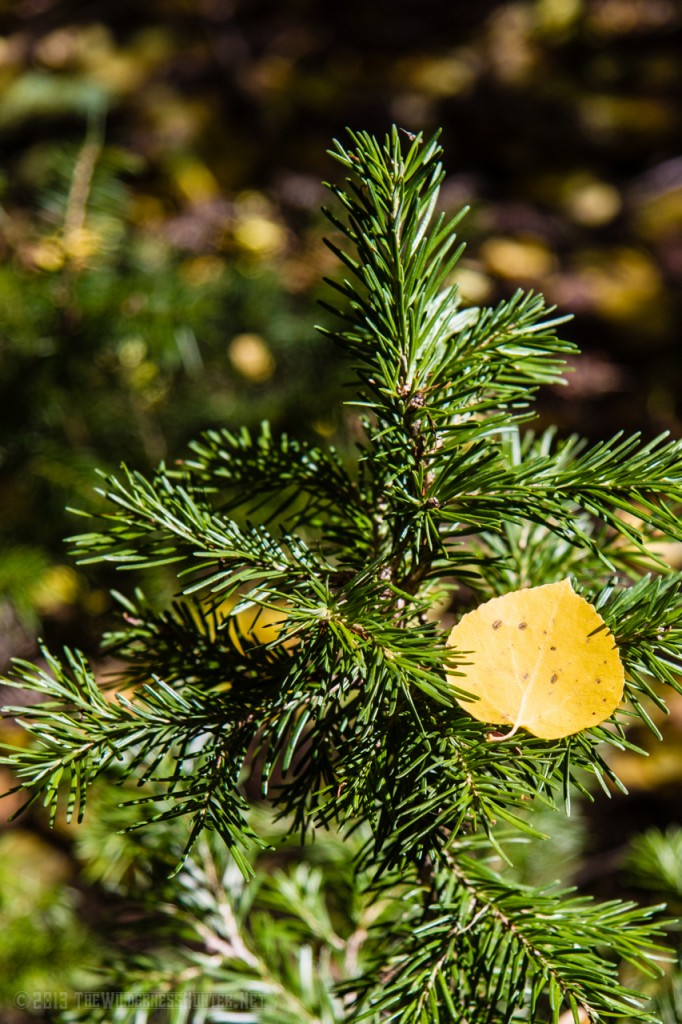
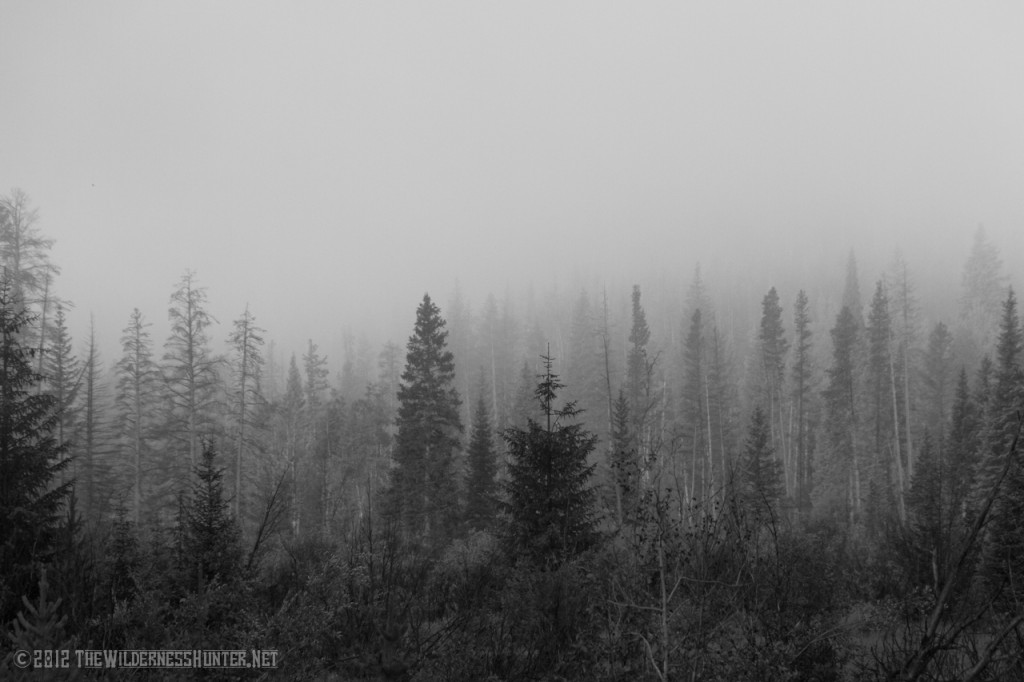
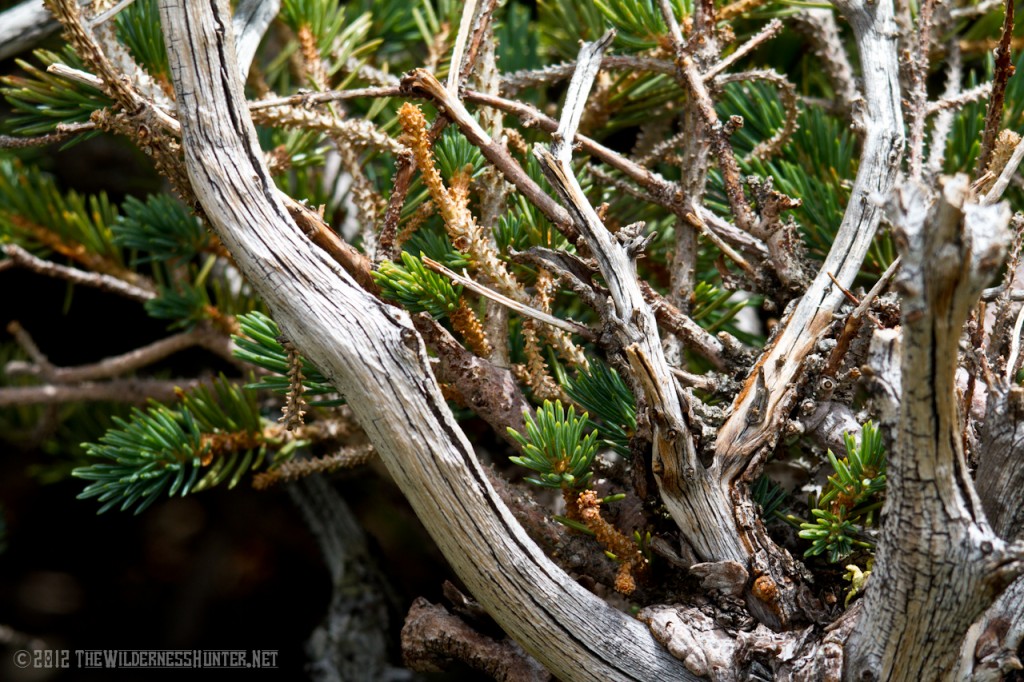
Spruce Rosette
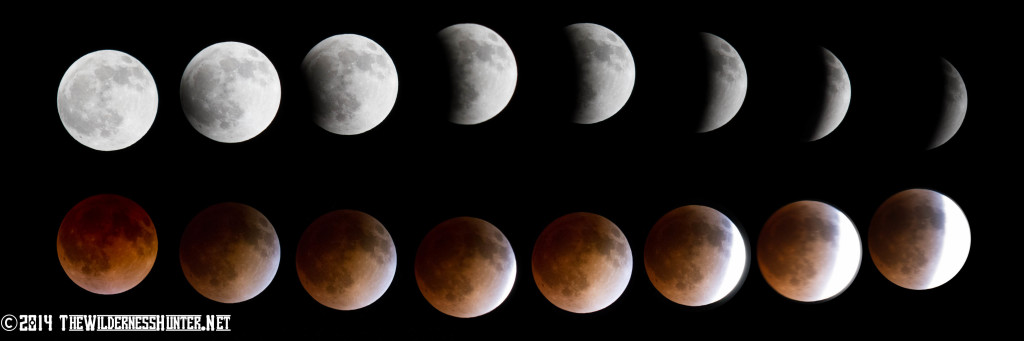
A blood moon in April:
The Blood Moon, also known as a lunar eclipse. I pieced together my images of the moon from full to full eclipse.
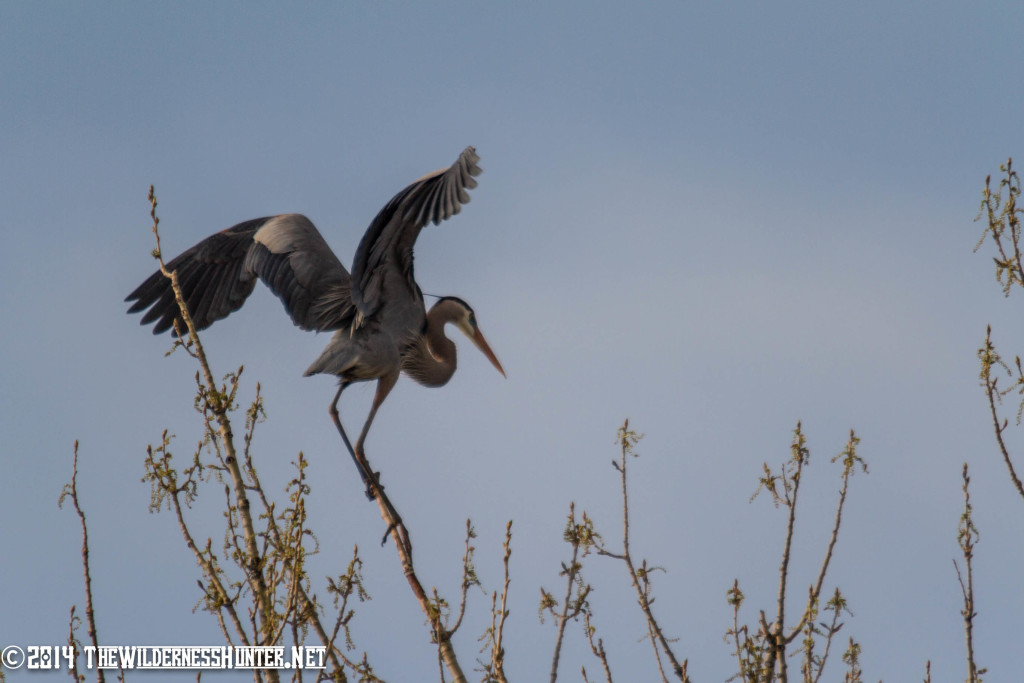
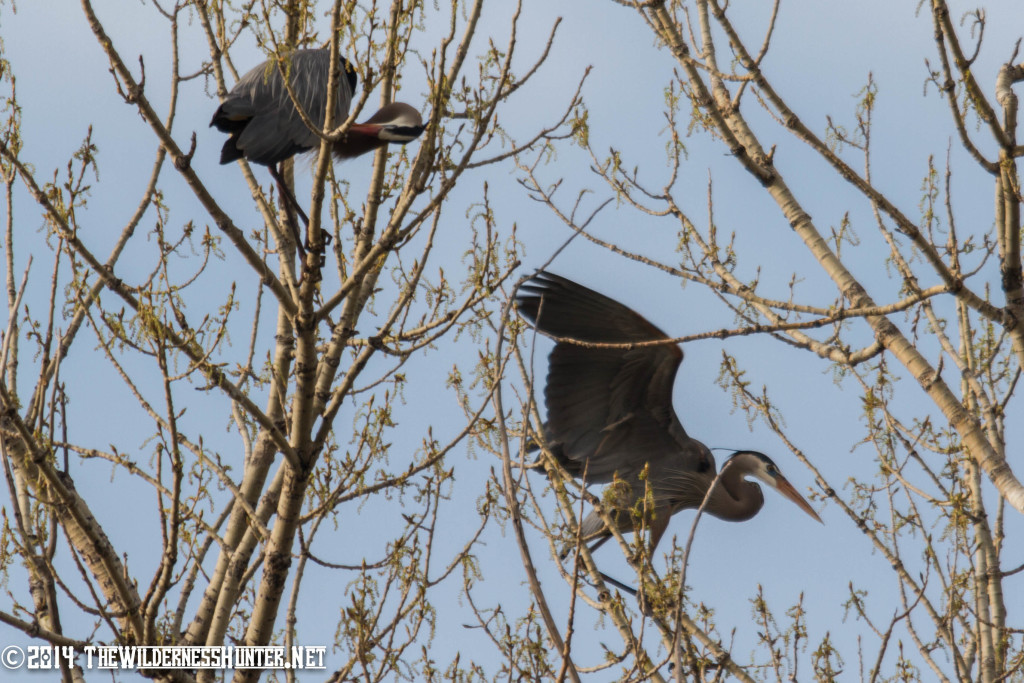
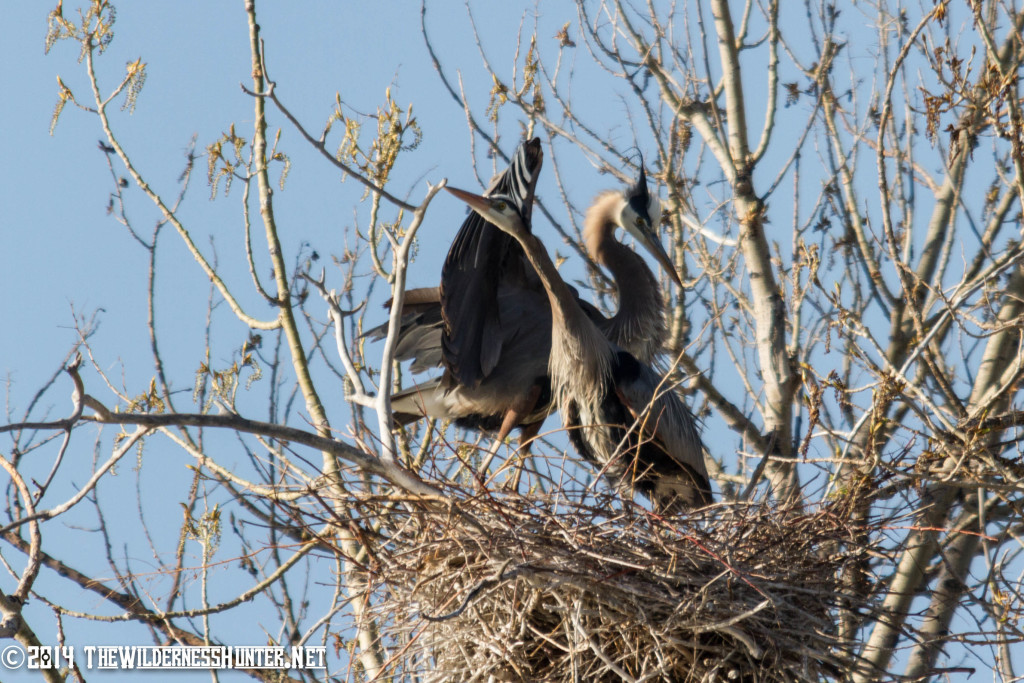
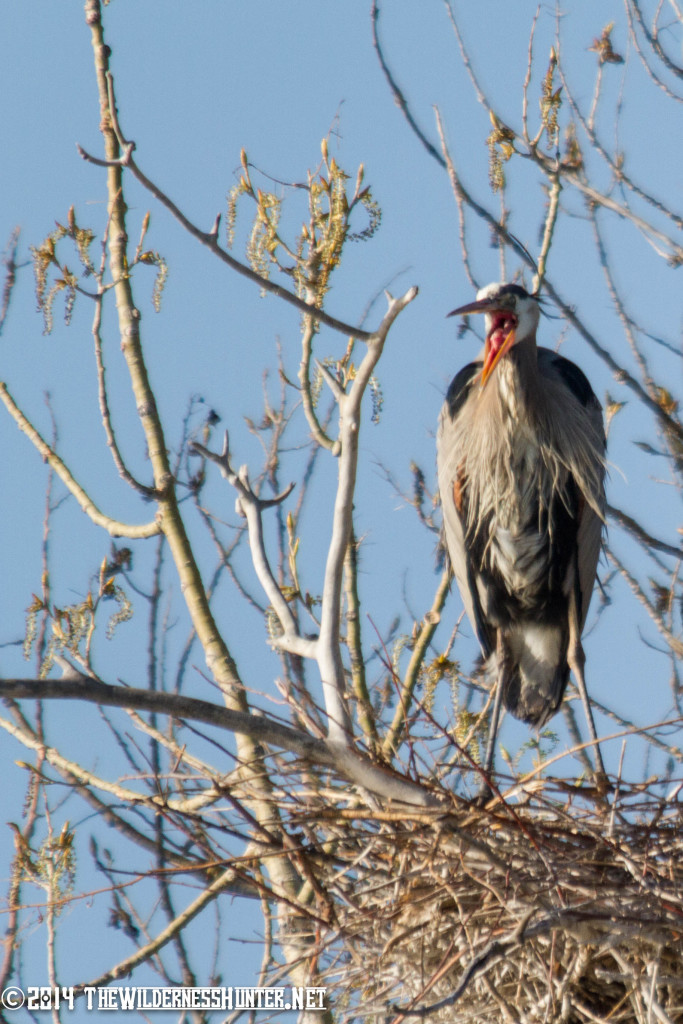
Great blue Herons also in April:
Great Blue Heron
Great Blue Heron
Great Blue Heron
Great Blue Heron
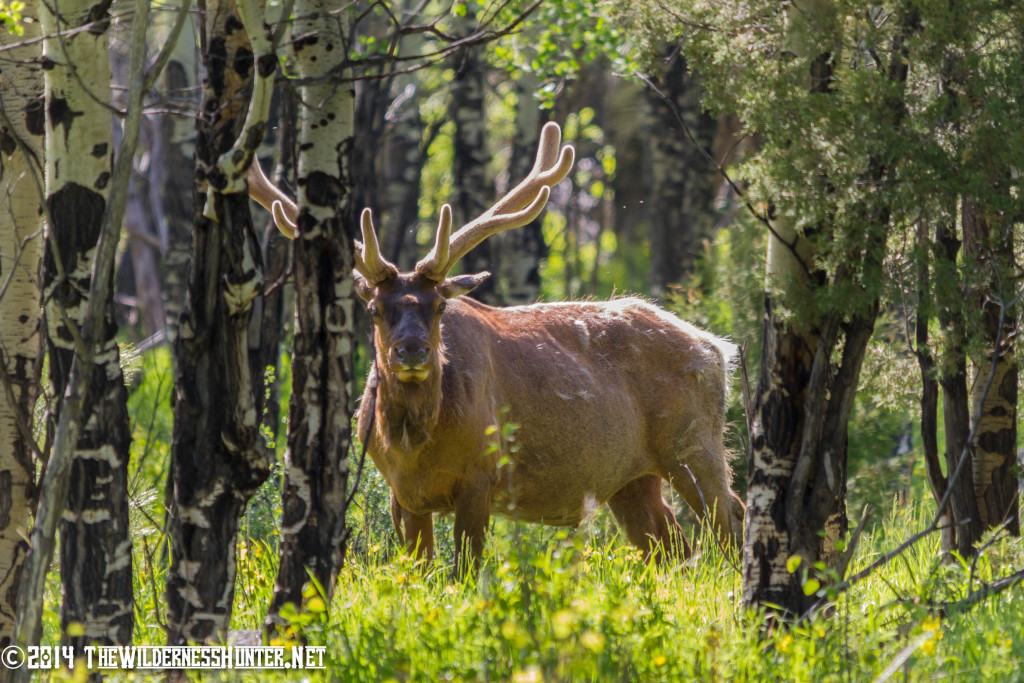
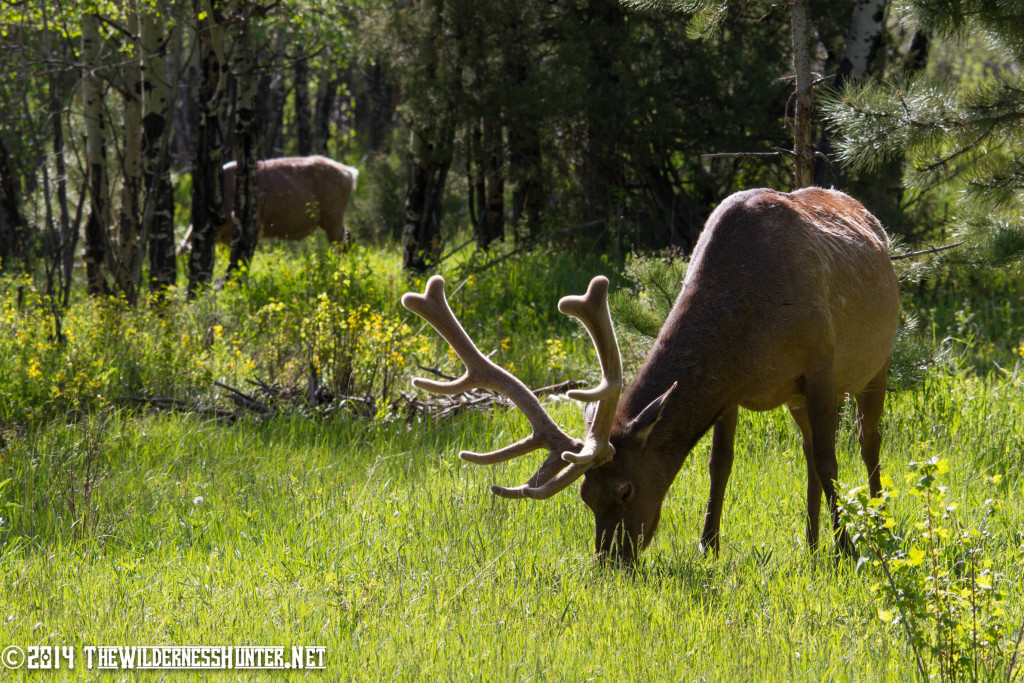
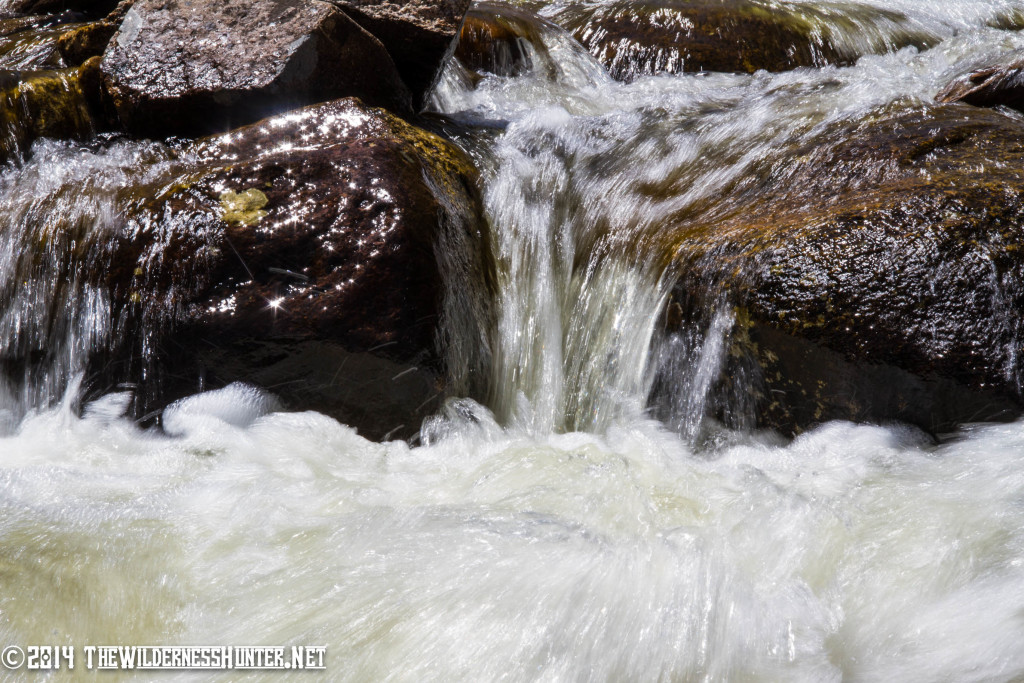
Spring in Rocky Mountain National Park, June:
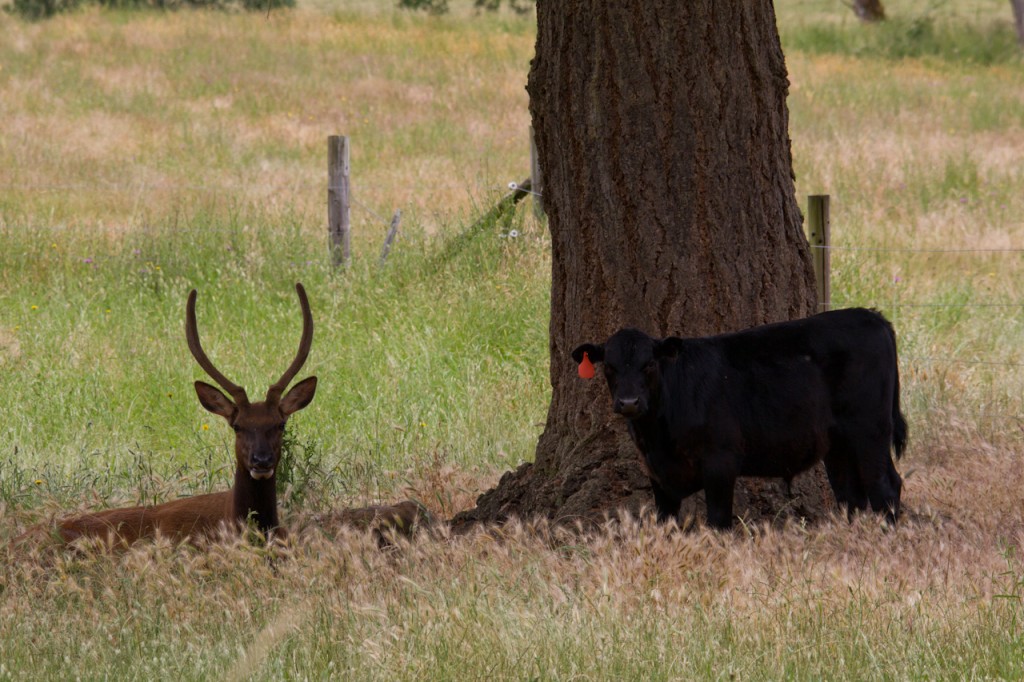
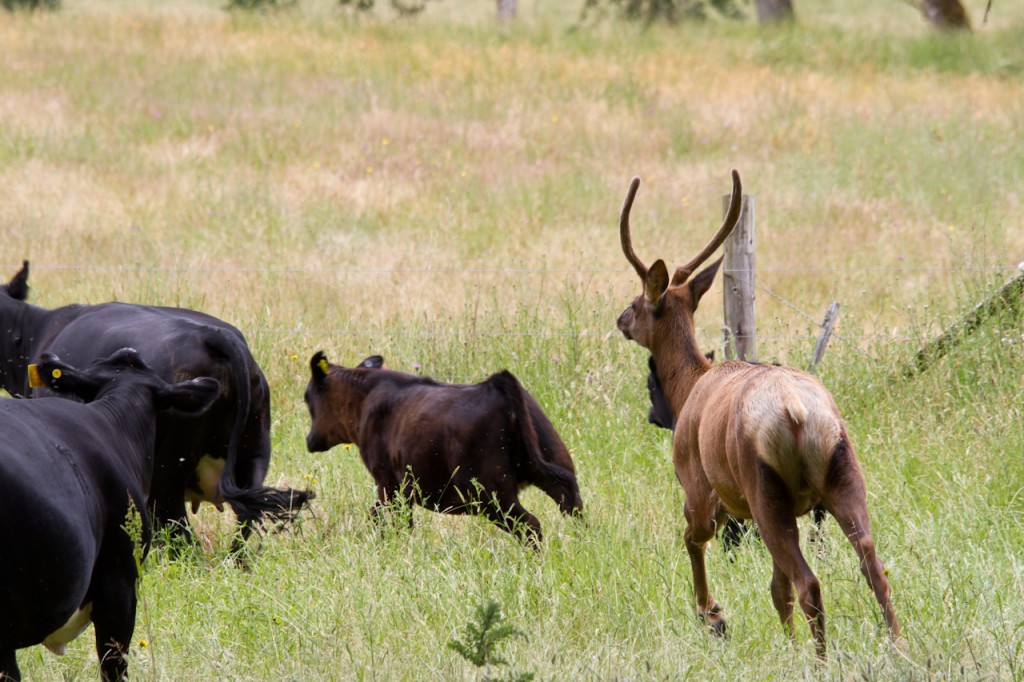
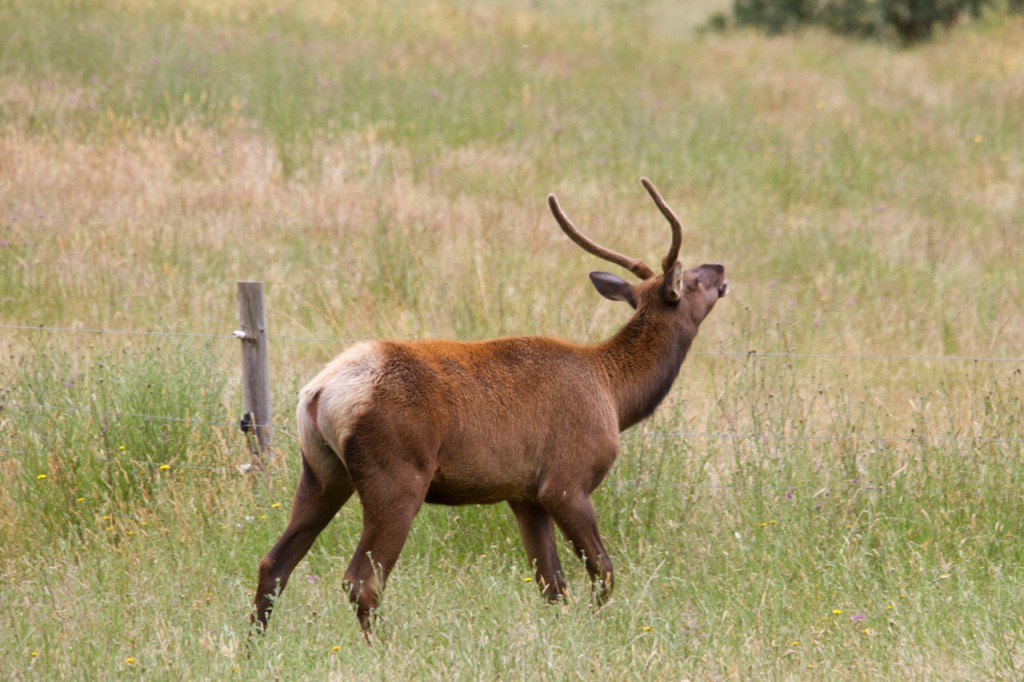
Bull Elk in spring velvet.
Grazing bull Elk
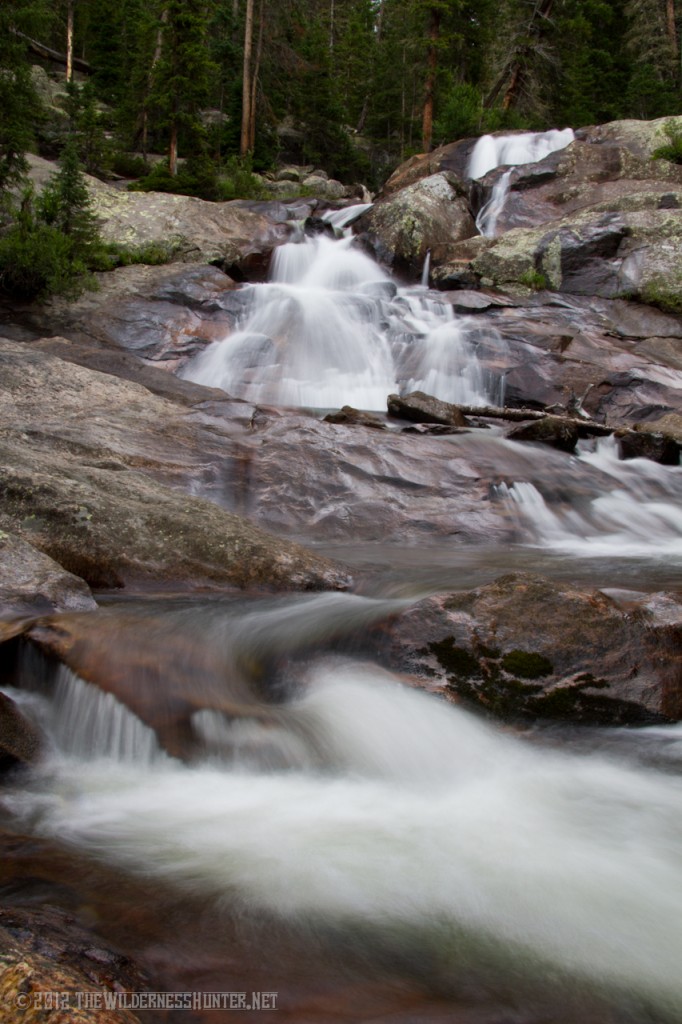
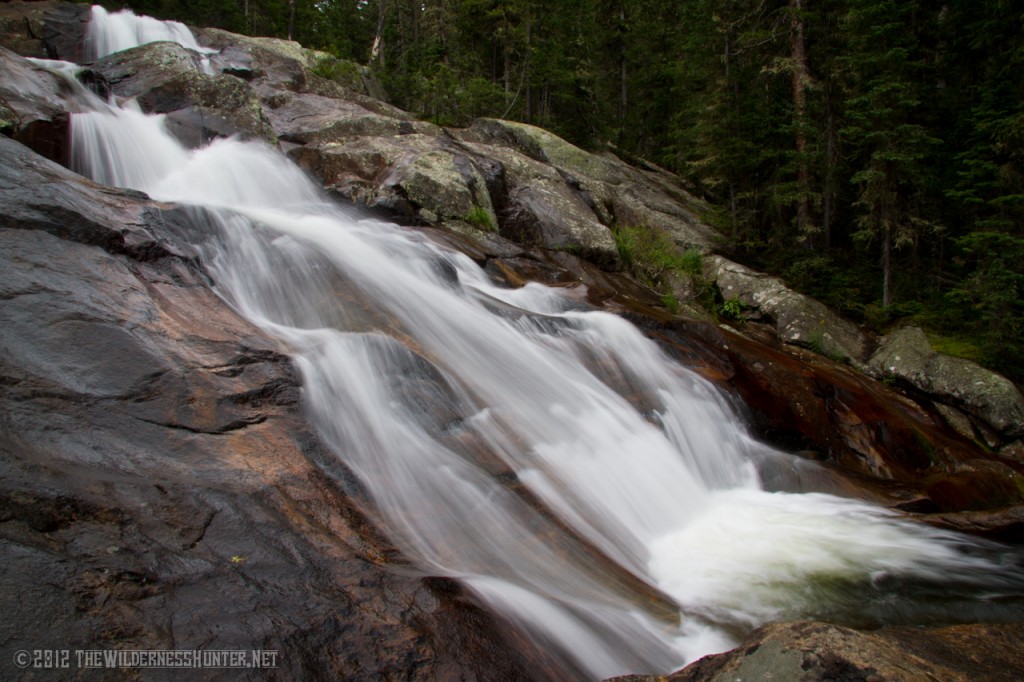
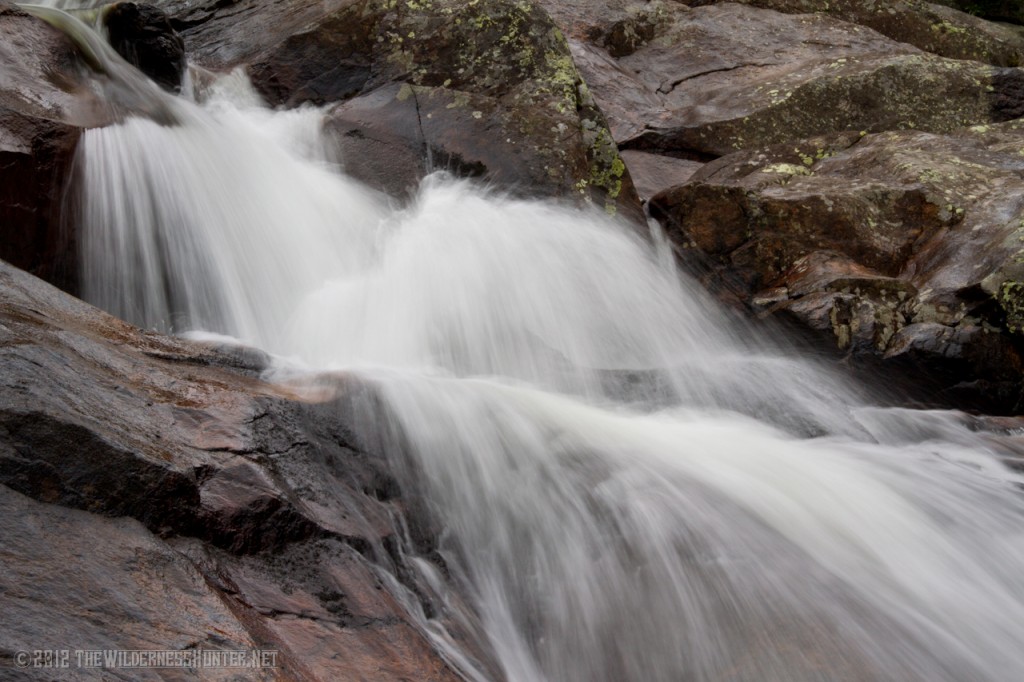
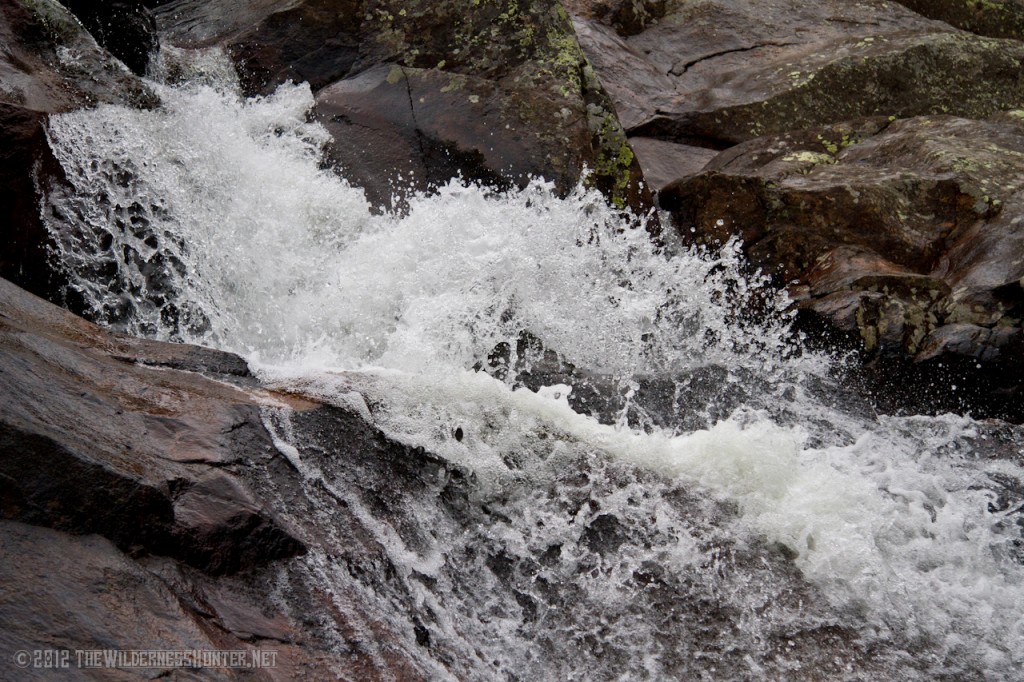
Alberta Creek
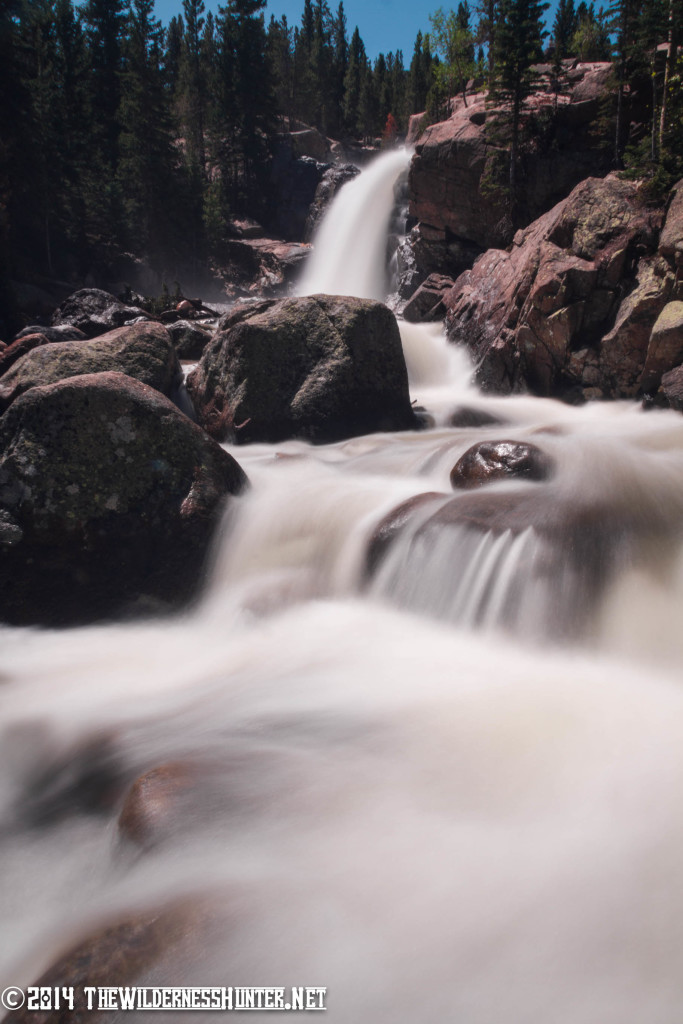
Alberta Falls
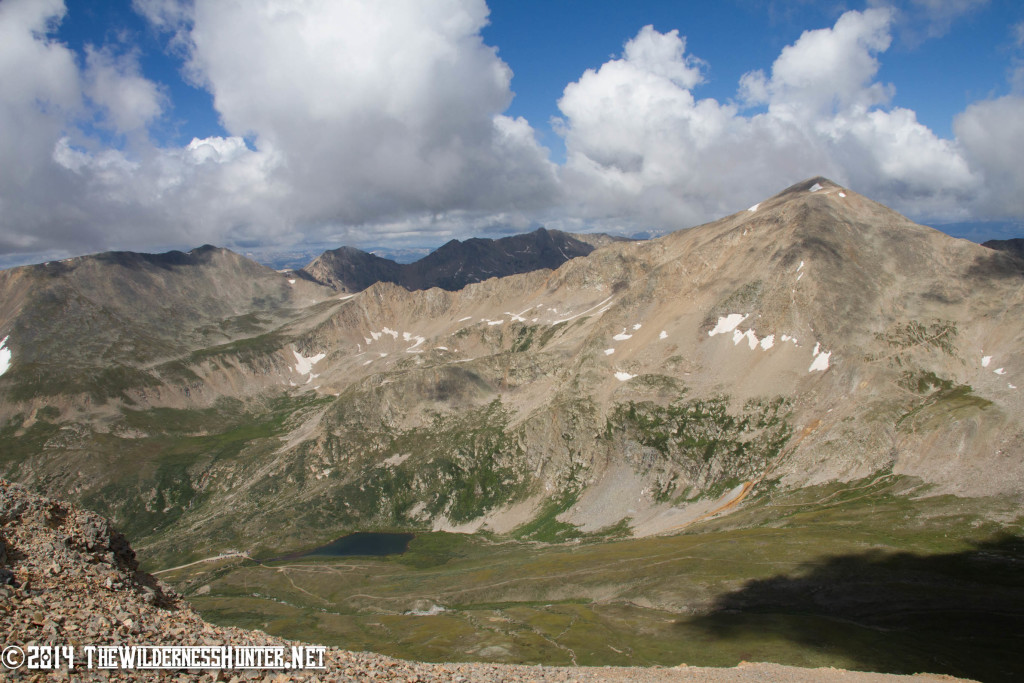
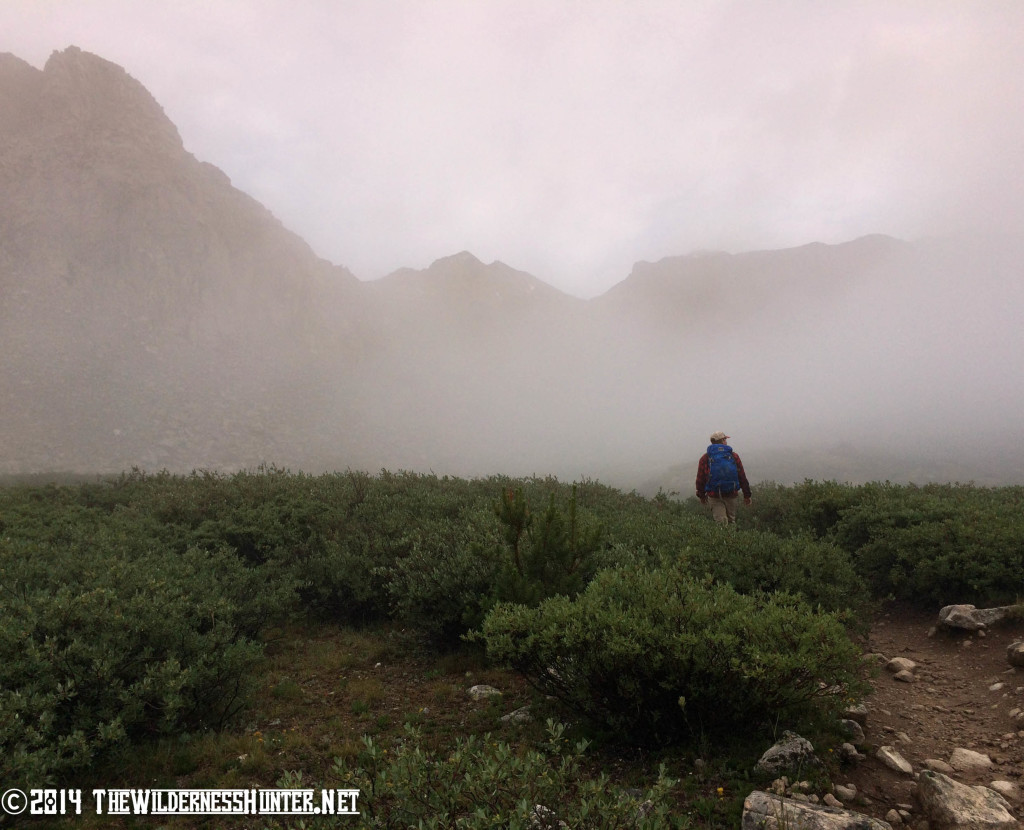
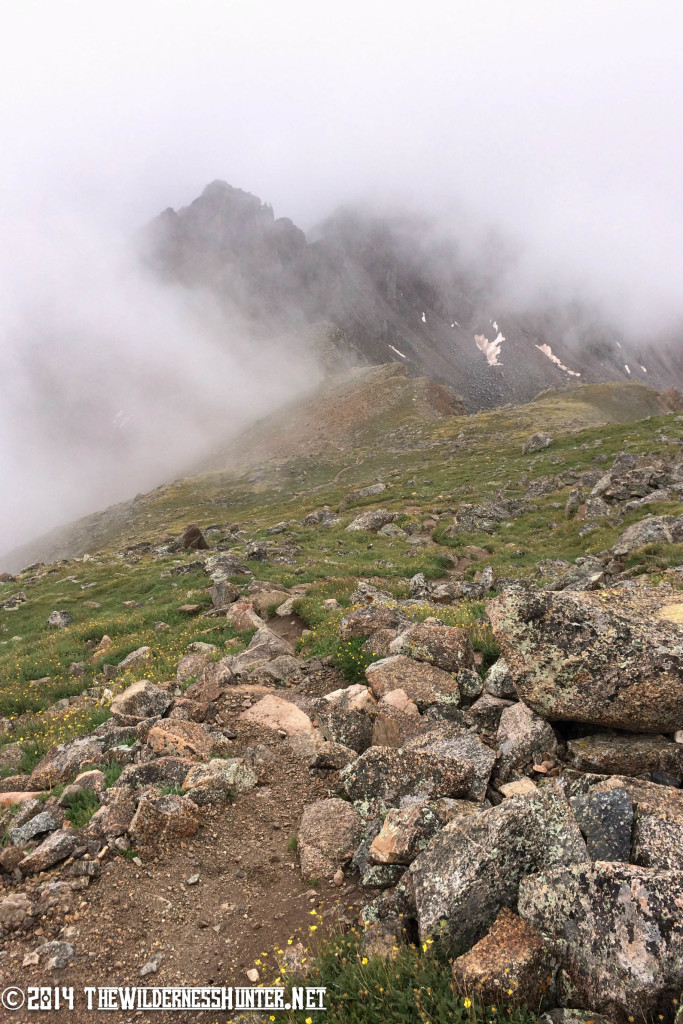
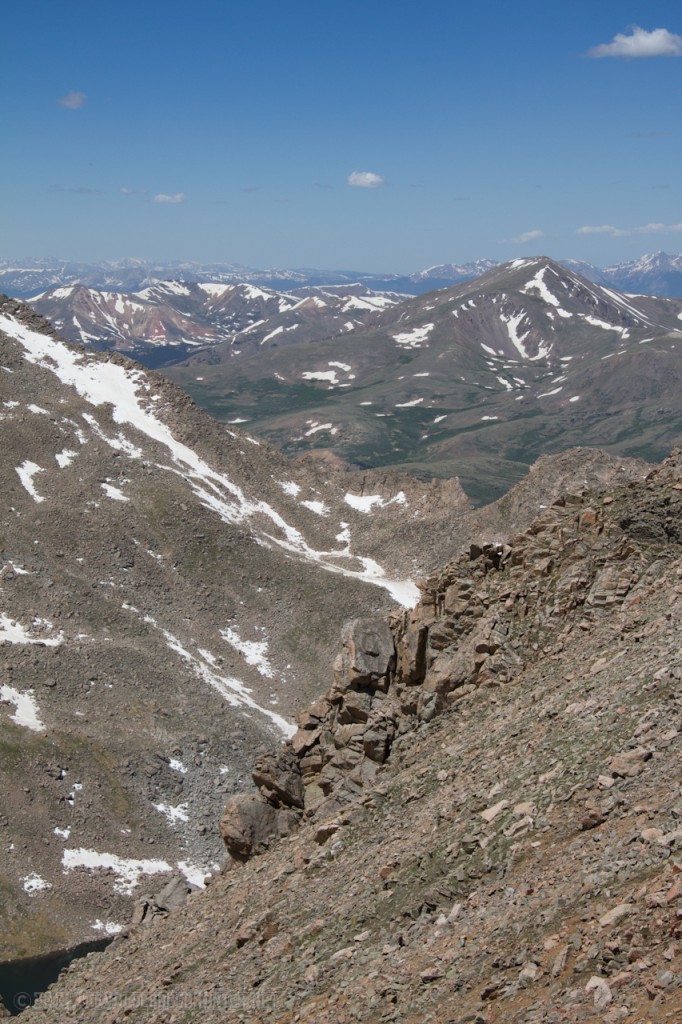
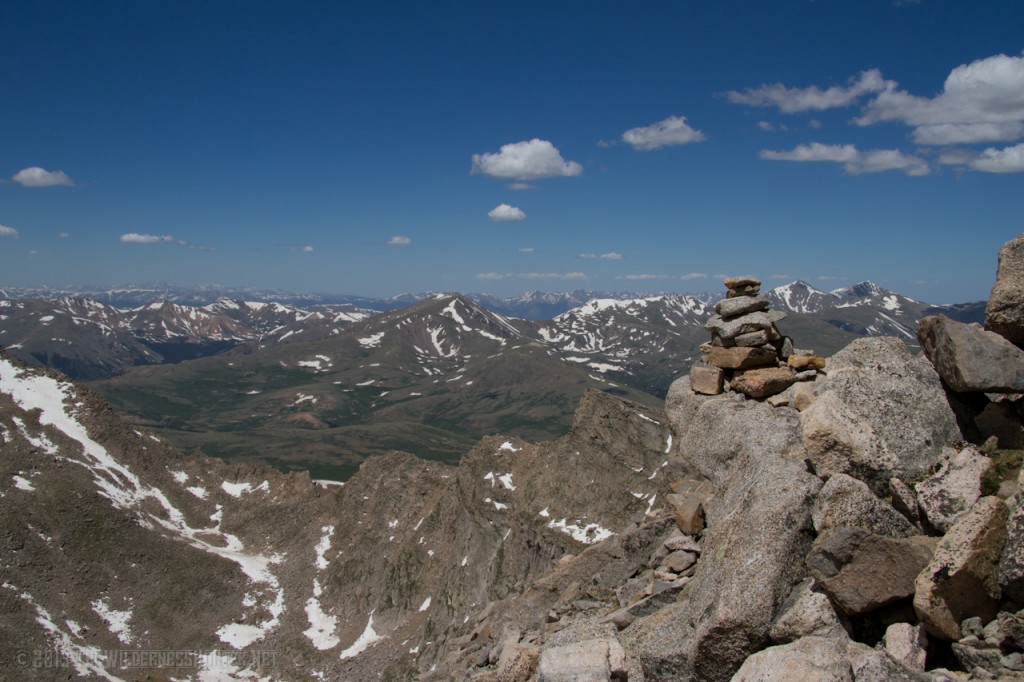
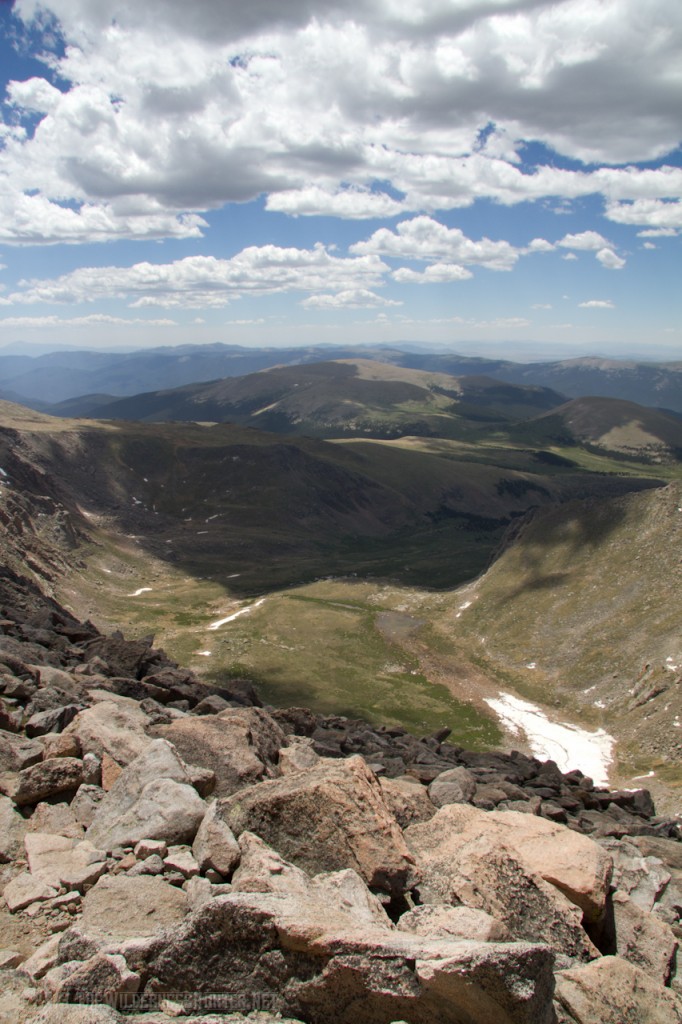
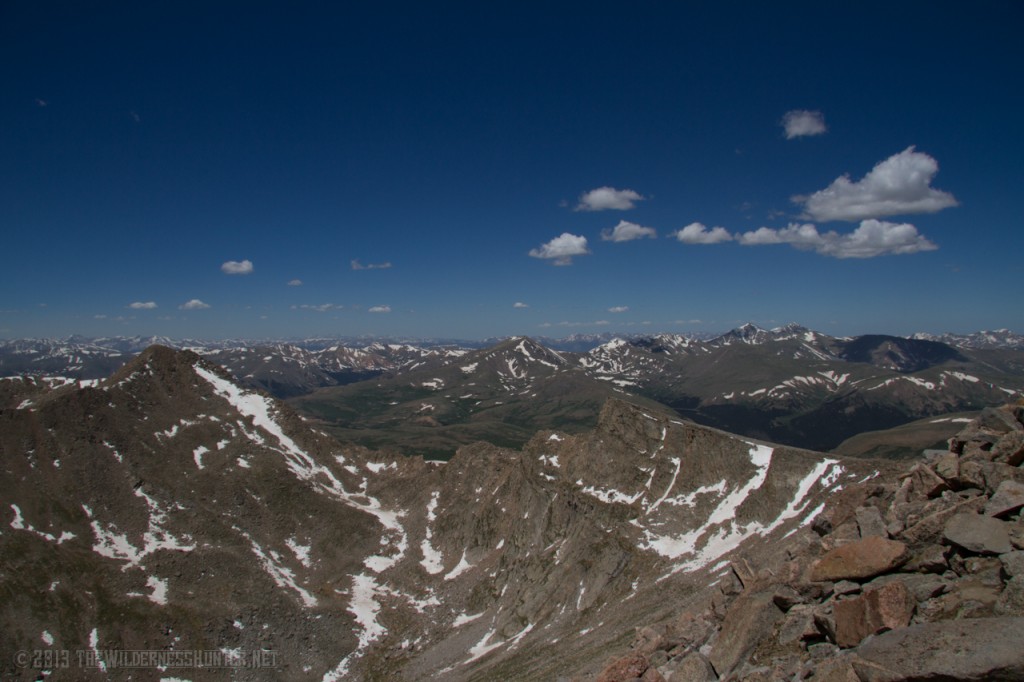
Hiked some Fourteeners, Mounts Harvard, Cameron, Lincoln and Bross in July and August:
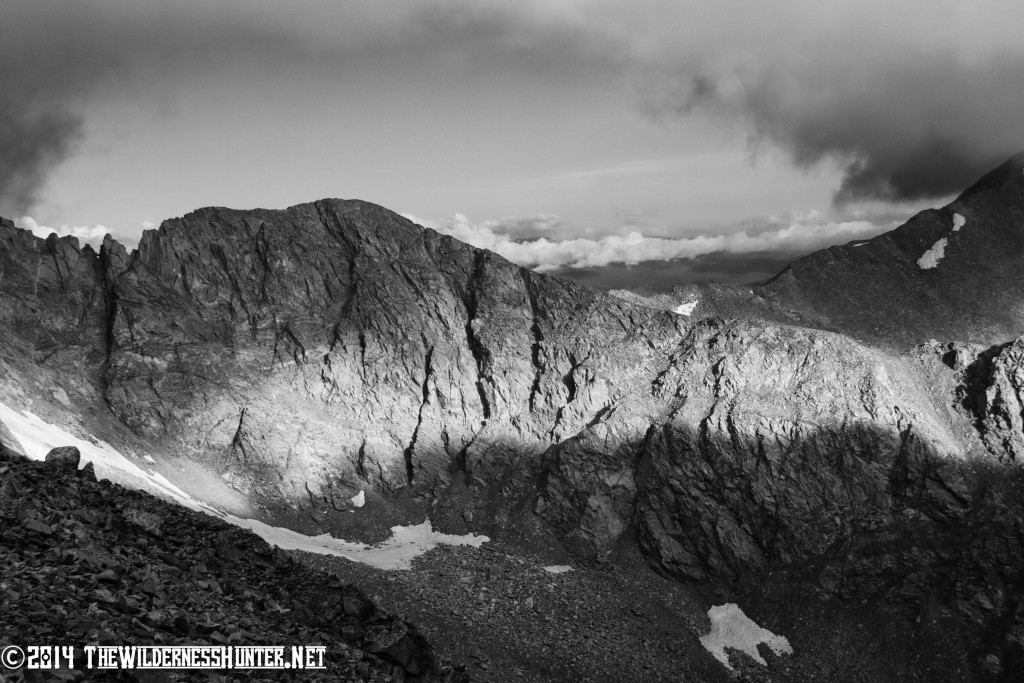
Light on the ridge between Mount Democrat and Mount Traver, on the numerous Thirteener peaks.
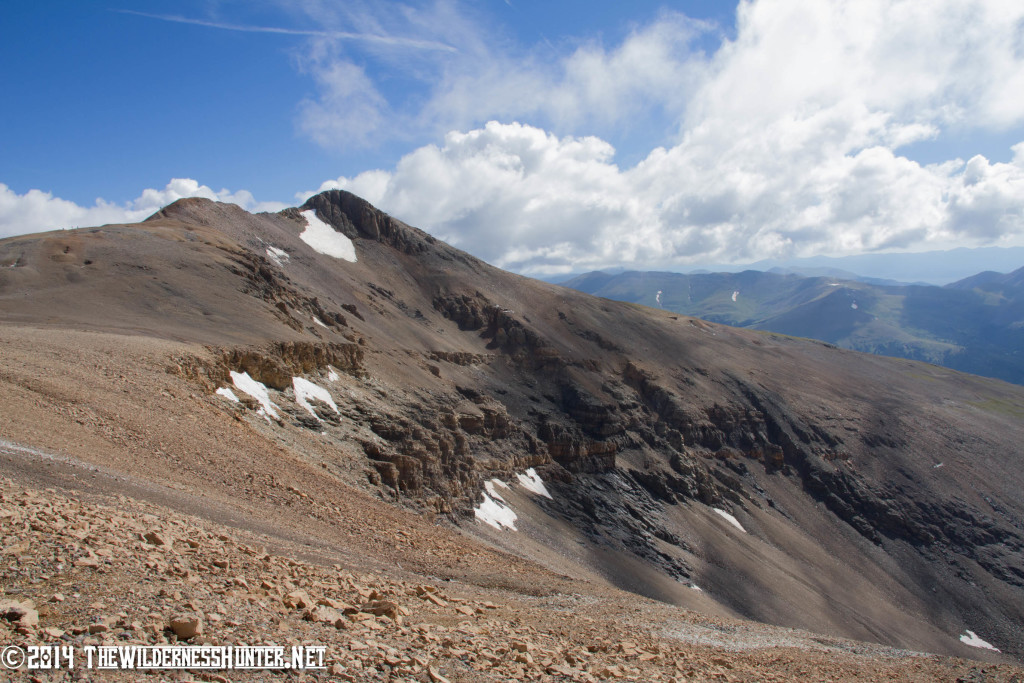
Mount Cameron summit from Mount Lincoln.
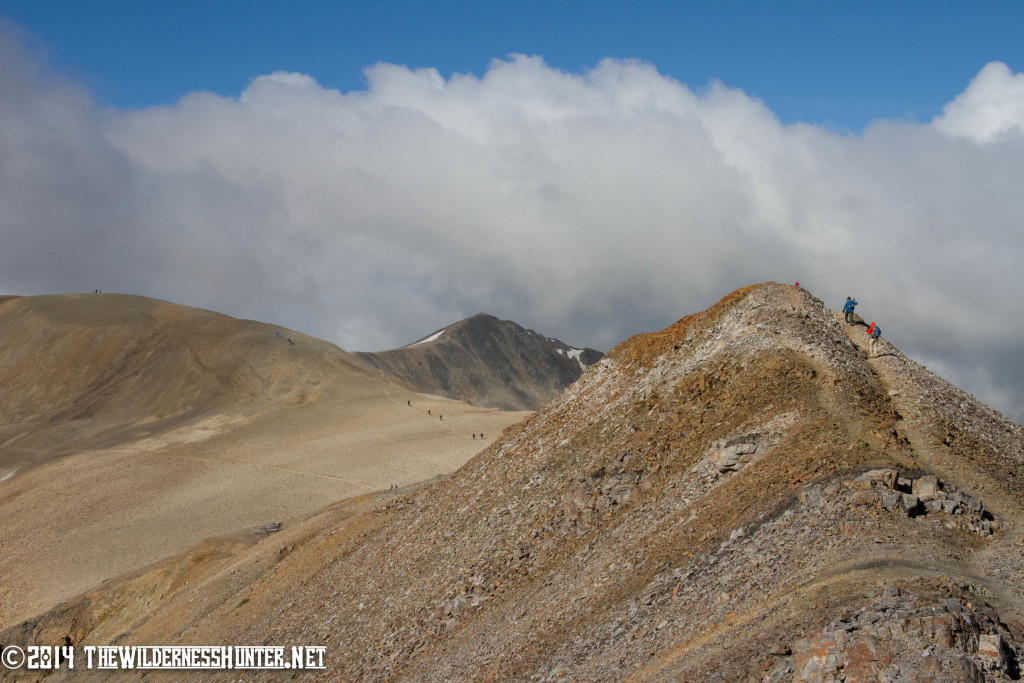
Mount Lincoln summit from the short saddle to Mount Cameron
Mount Democrat with Kite Lake below. Kite Lake is one trailhead for the Democrat, Cameron, Lincoln, Bross chain.
Horn Fork Basin below Mount Harvard and Mount Columbia
Descent from Mount Harvard.
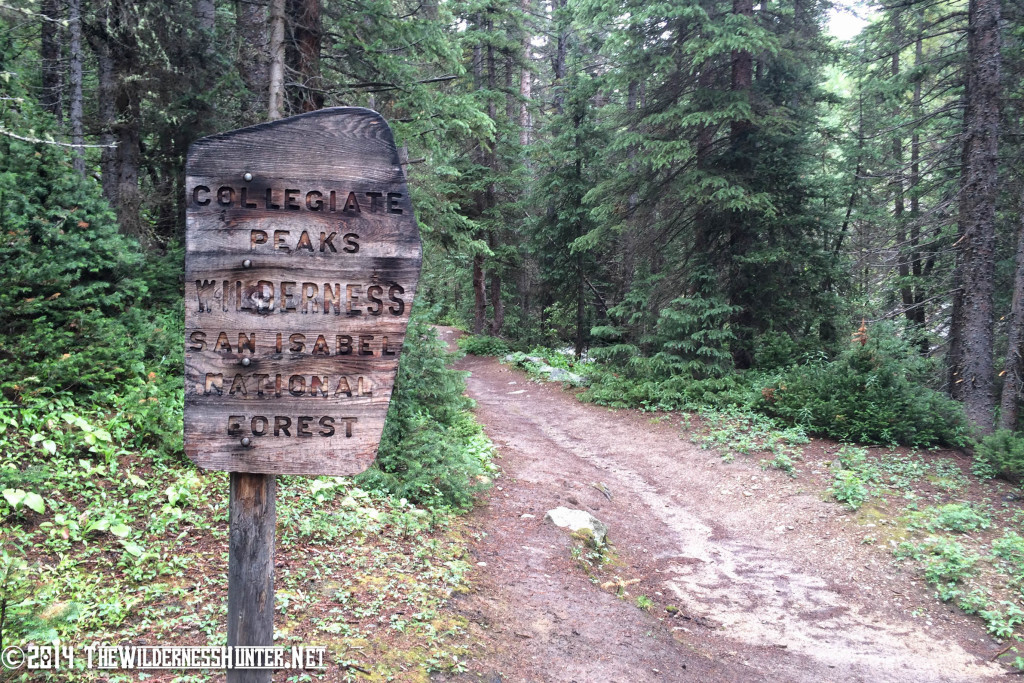
Collegiate Peaks Wilderness boundry sign.
Went hunting for deer in September:
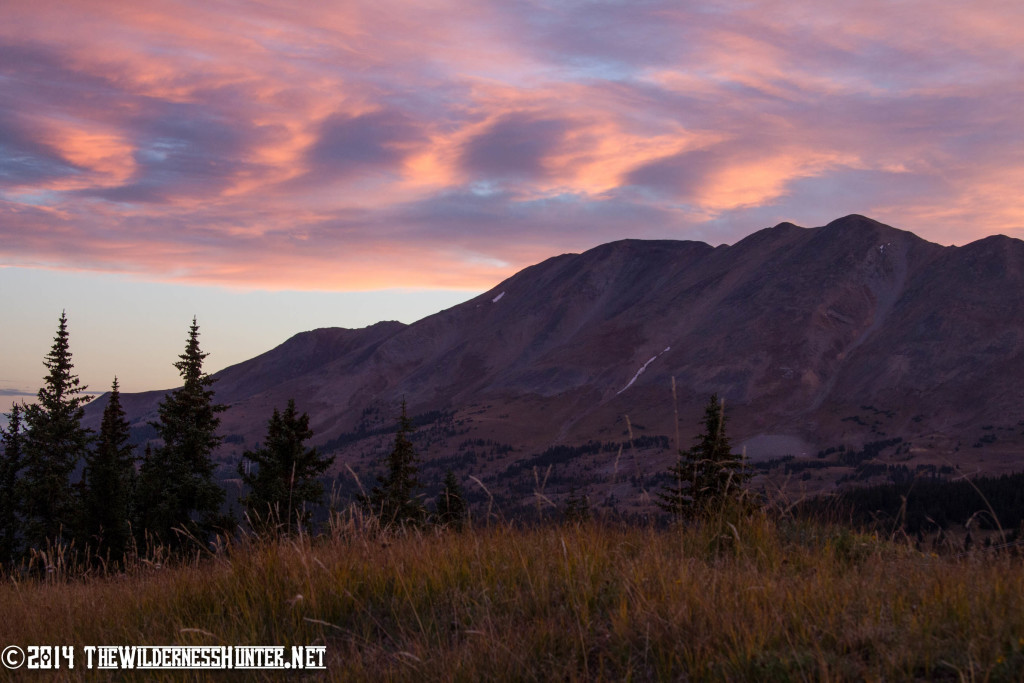
Sunrise over Bald Mountain, Hoosier Ridge
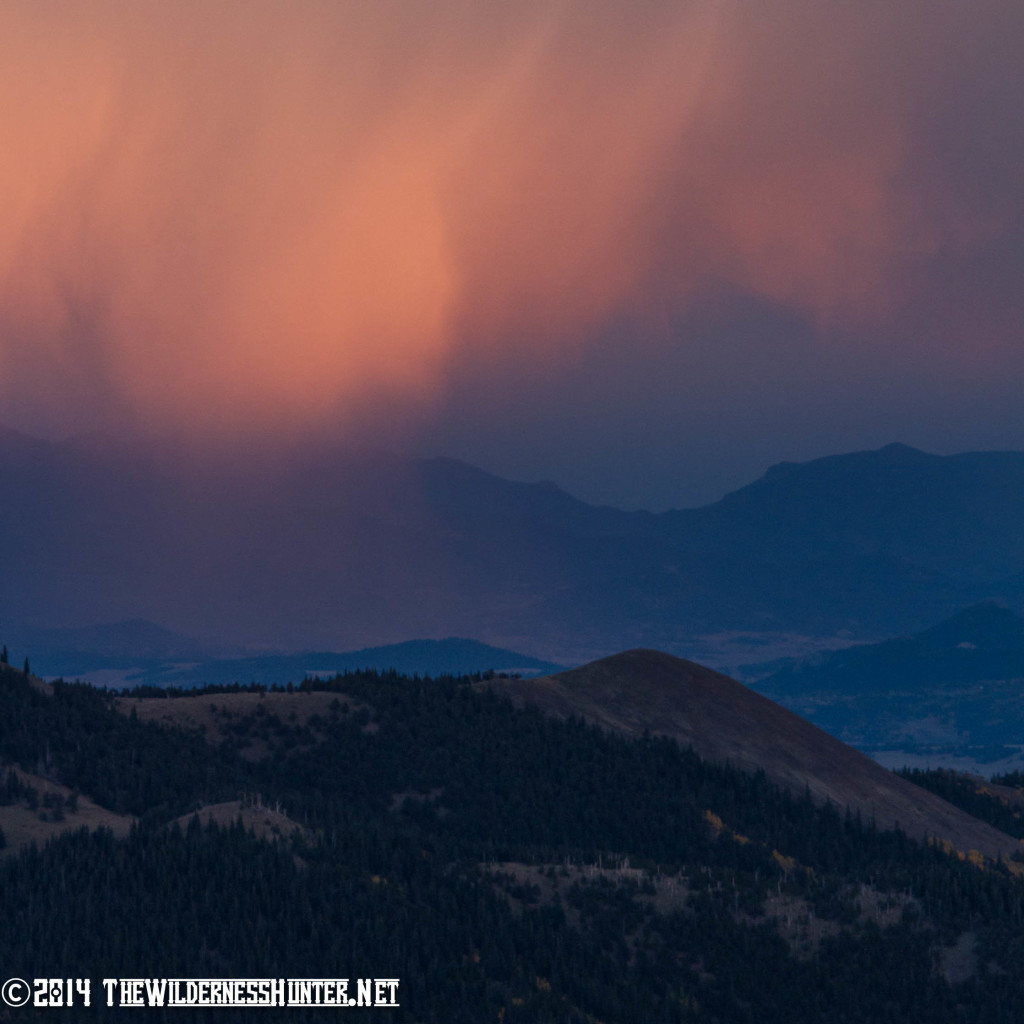
Sunset and rain shower on South Park from Red Mountain
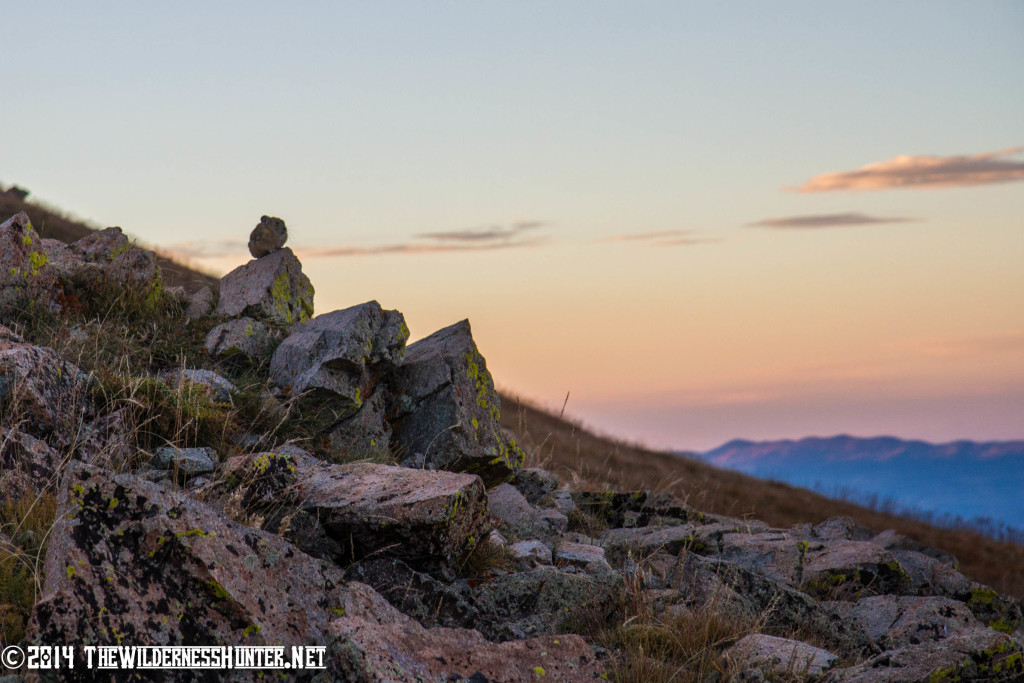
Pika watching the sun set
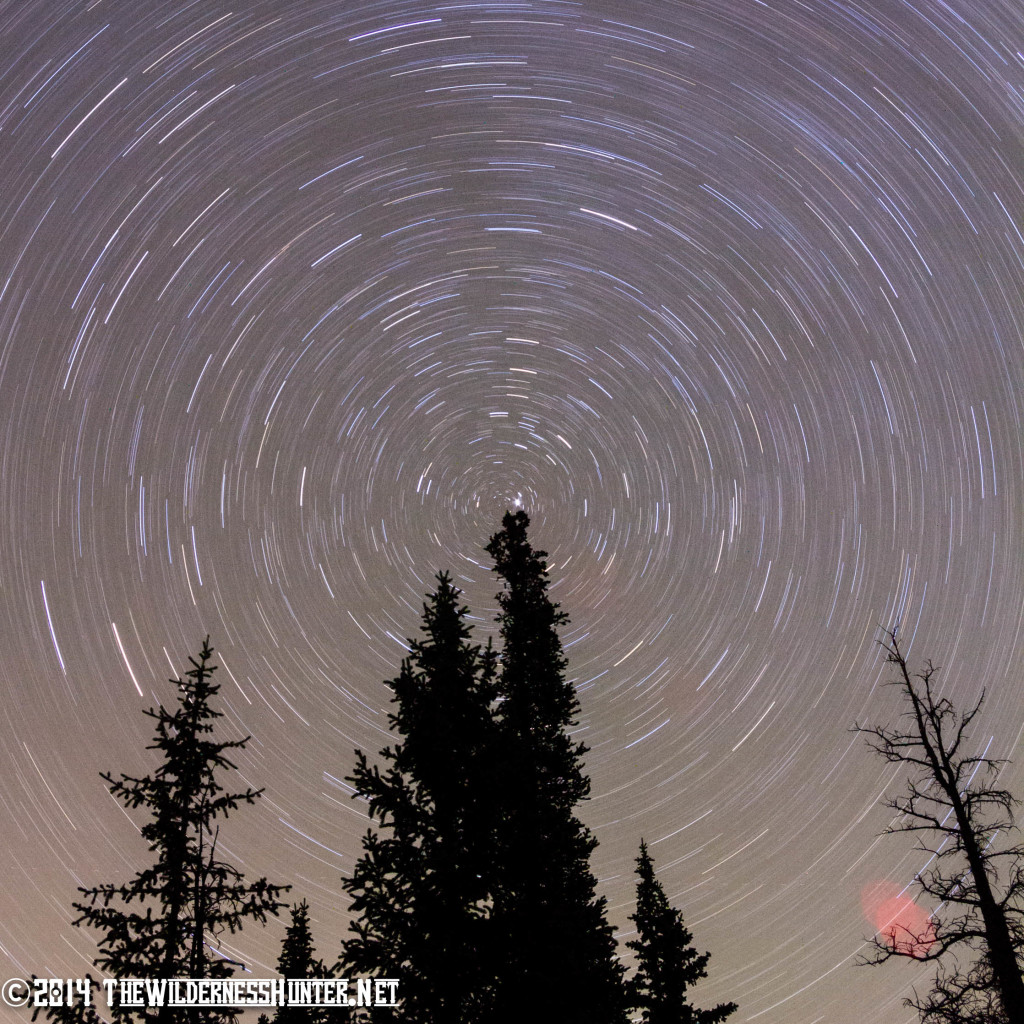
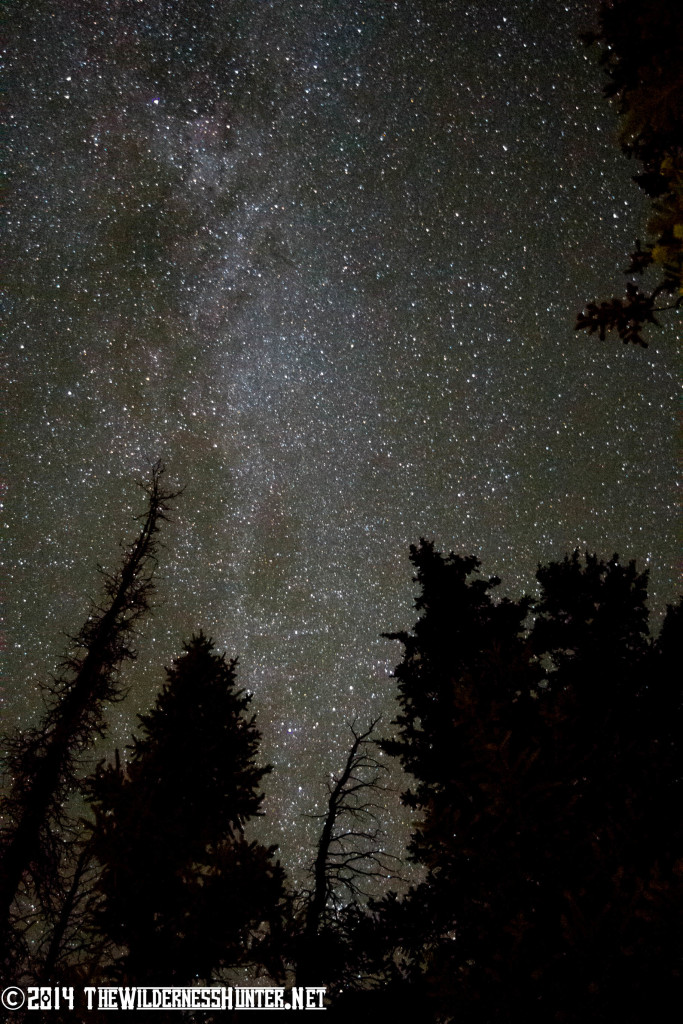
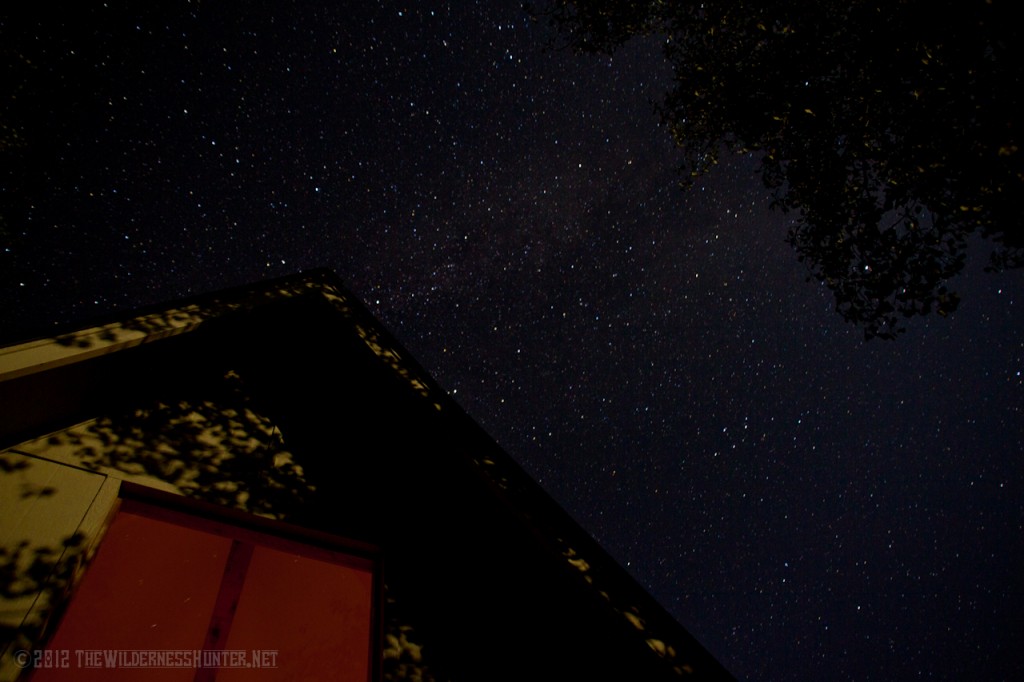
Night sky at 10, 800'
Night sky at 10, 800'
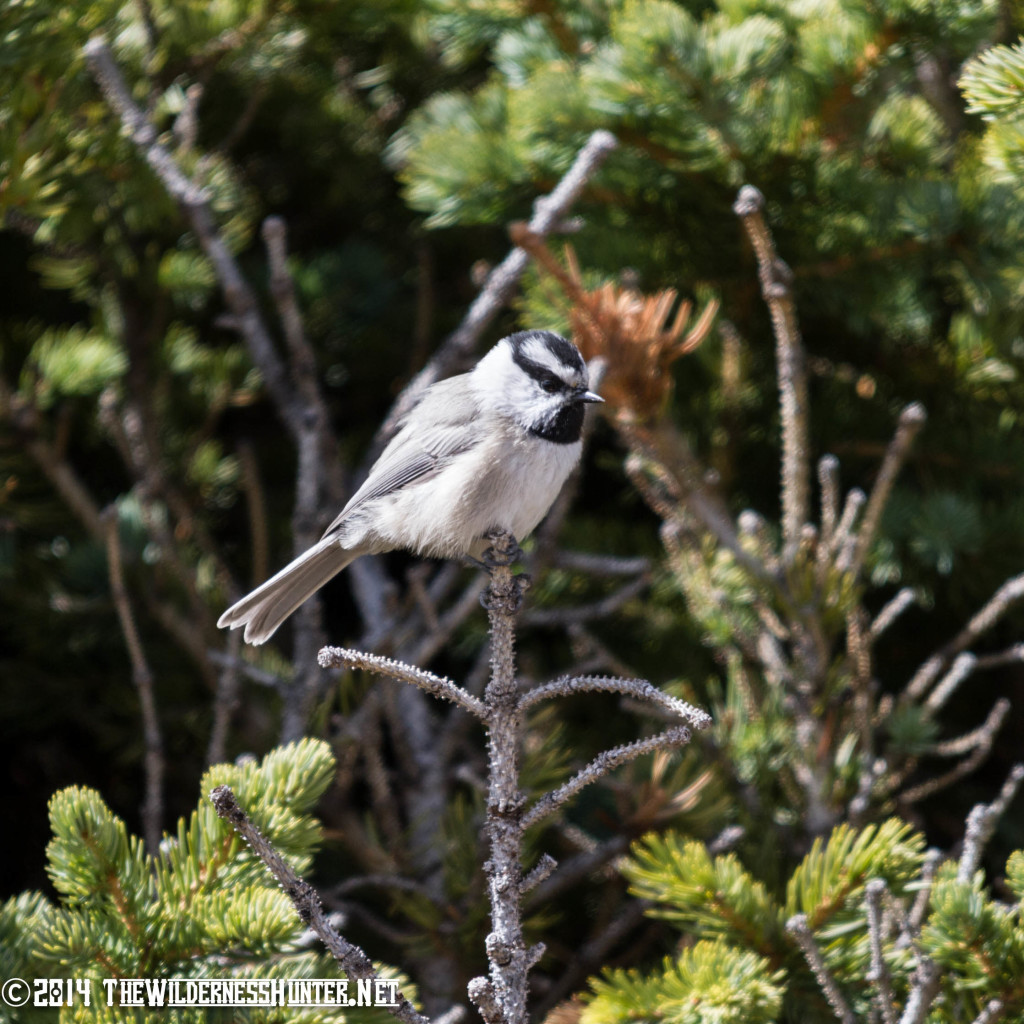
Mountain Chickadee
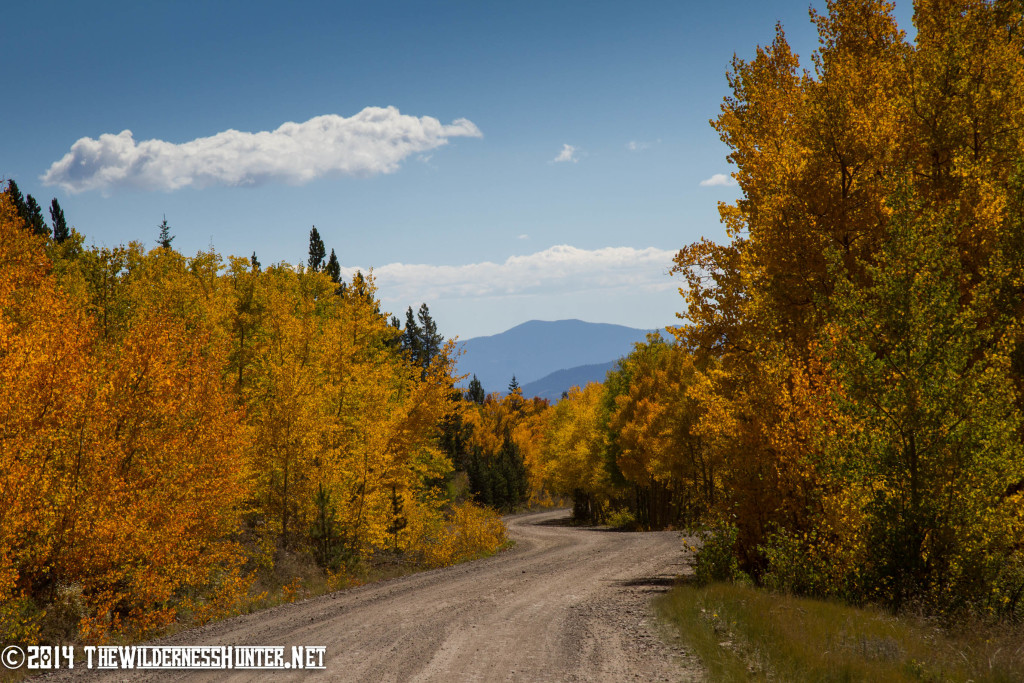
Boreas Pass road in September.
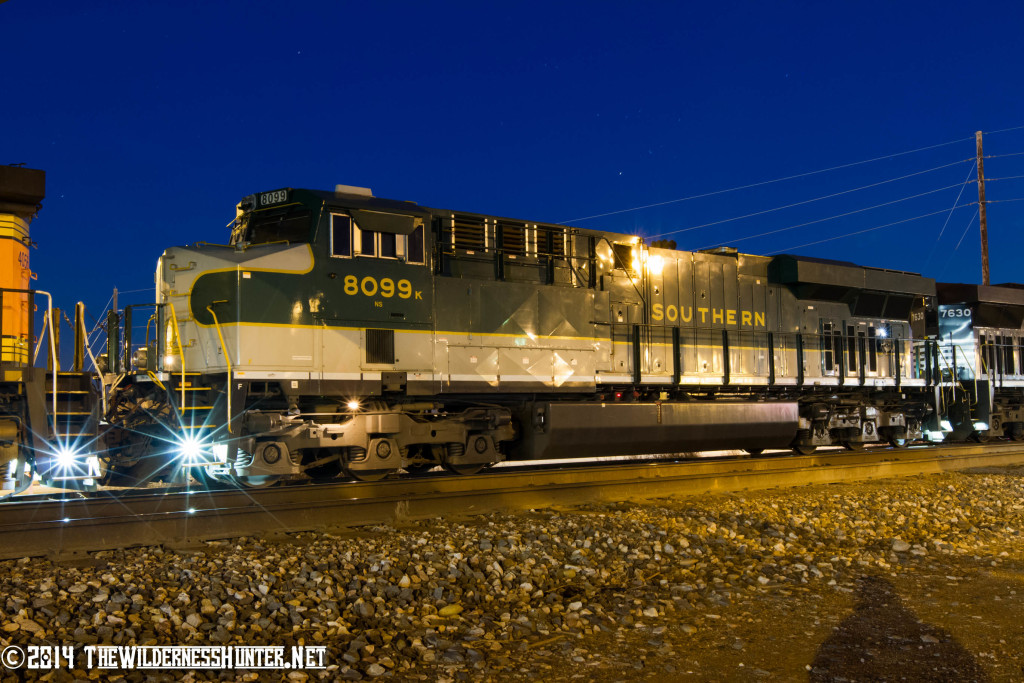
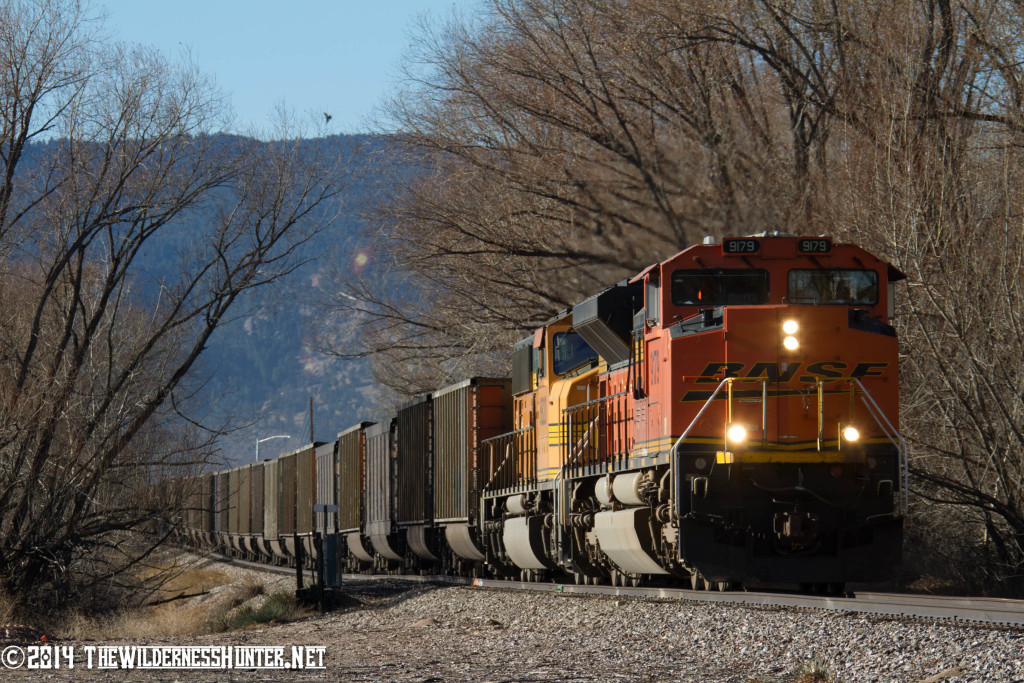
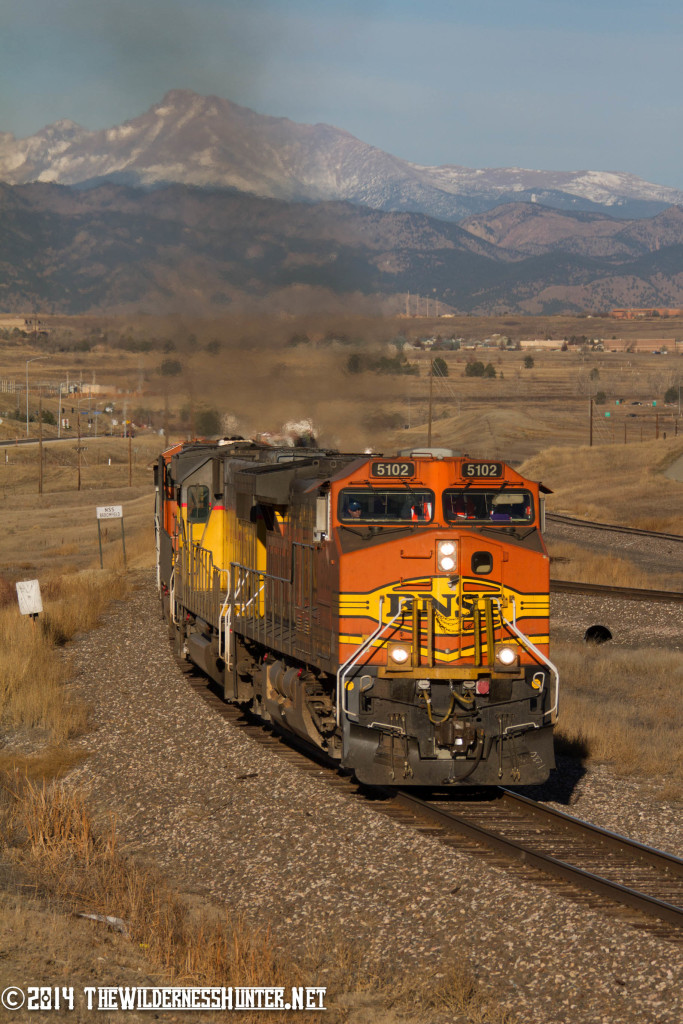
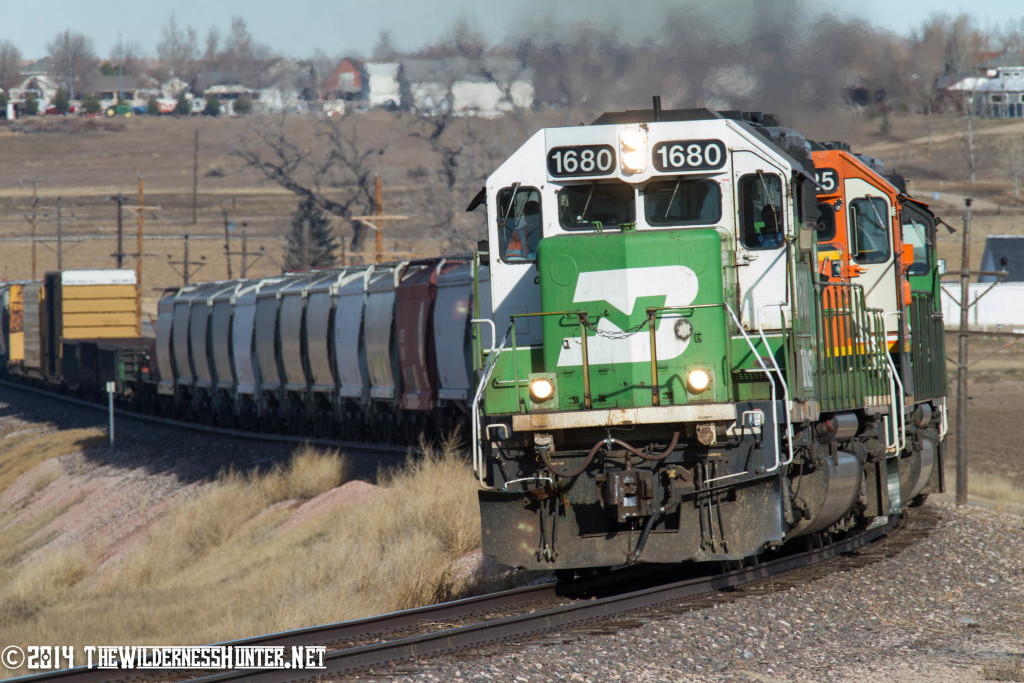
Hunted some trains in December:
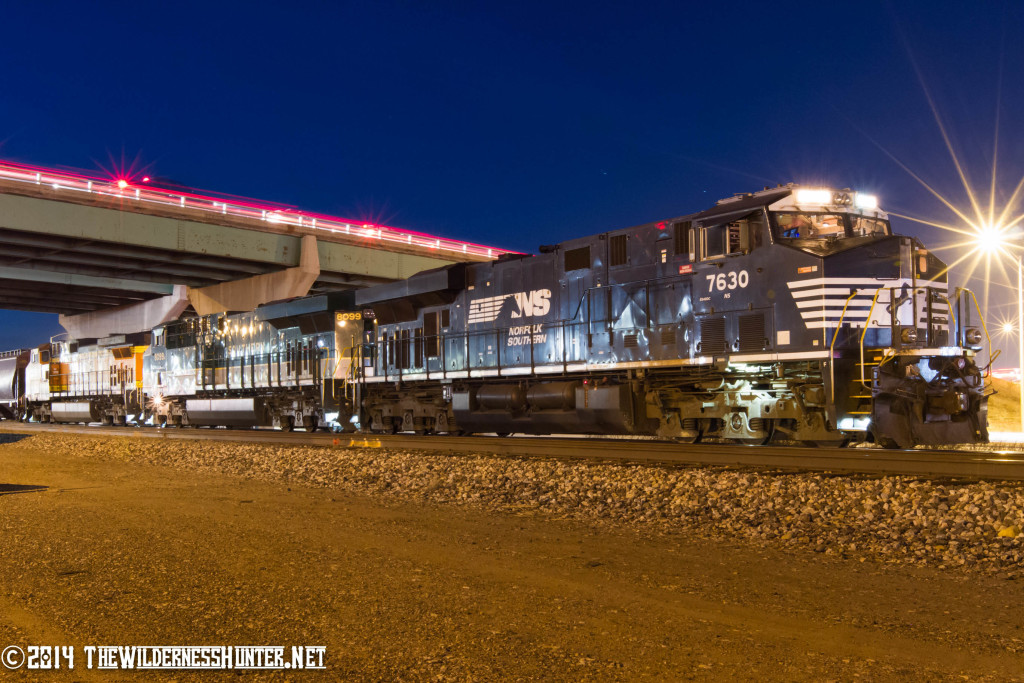
Norfolk Southern 7630 lead a southbound Laurel to Denver on the BNSF Front Range subdivision
Norfolk Southern heritage unit 8099 painted in Southern RR livery.
Northbound coal empty headed for the Powder River basin, Wyoming.
BNSF passes Burns Junmction in Broomfield, Mount Meeker in the background.
BNSF 1680
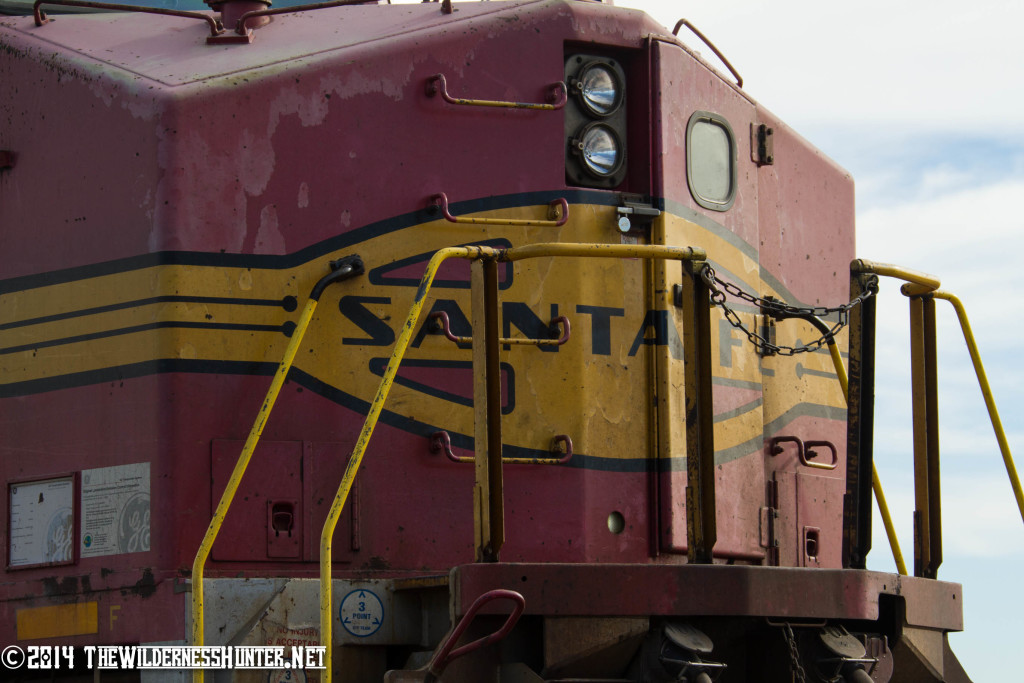
Fading nose of BNSF 695, still painted in Santa Fe warbonnet colors.
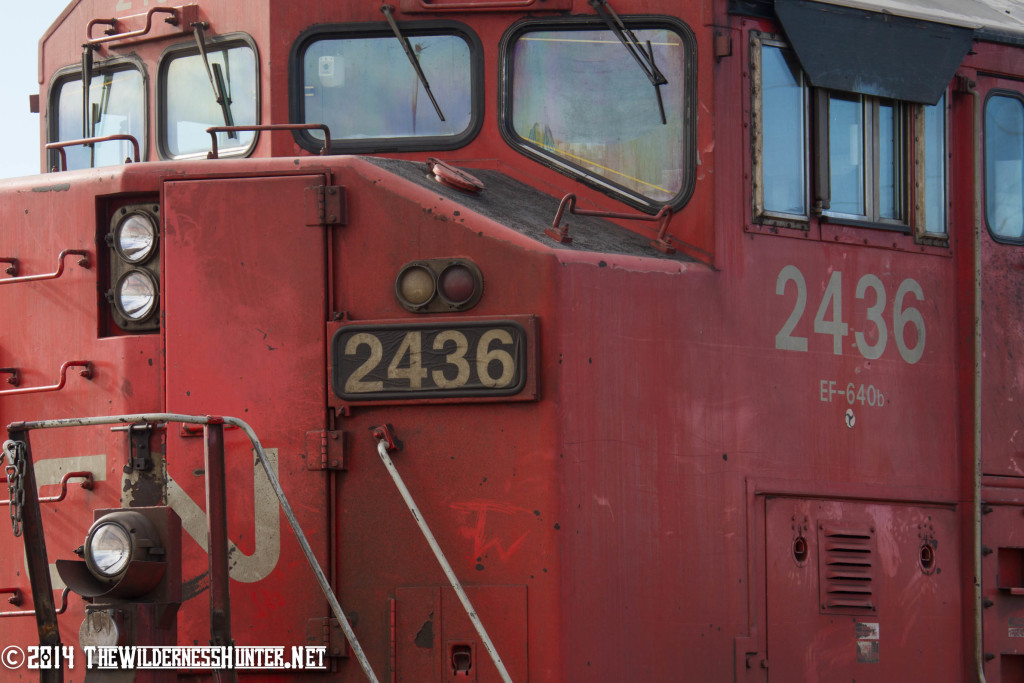
Nose of Canadian National 2436, a long distance visitor to the BNSF Front Range sub.
Photographed the local wildlife in November and December:
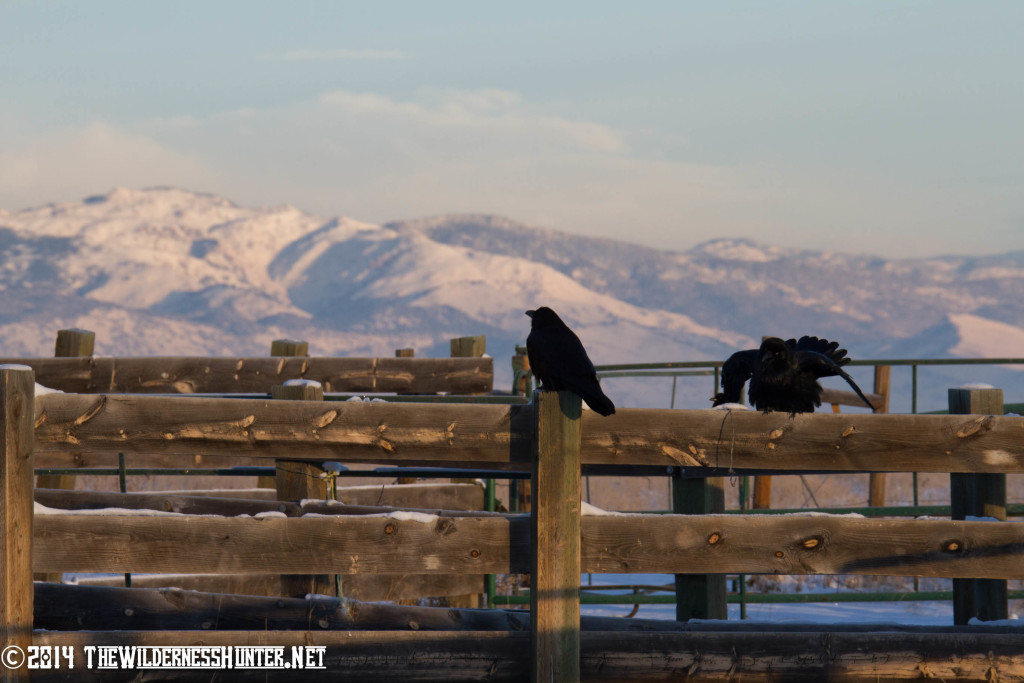
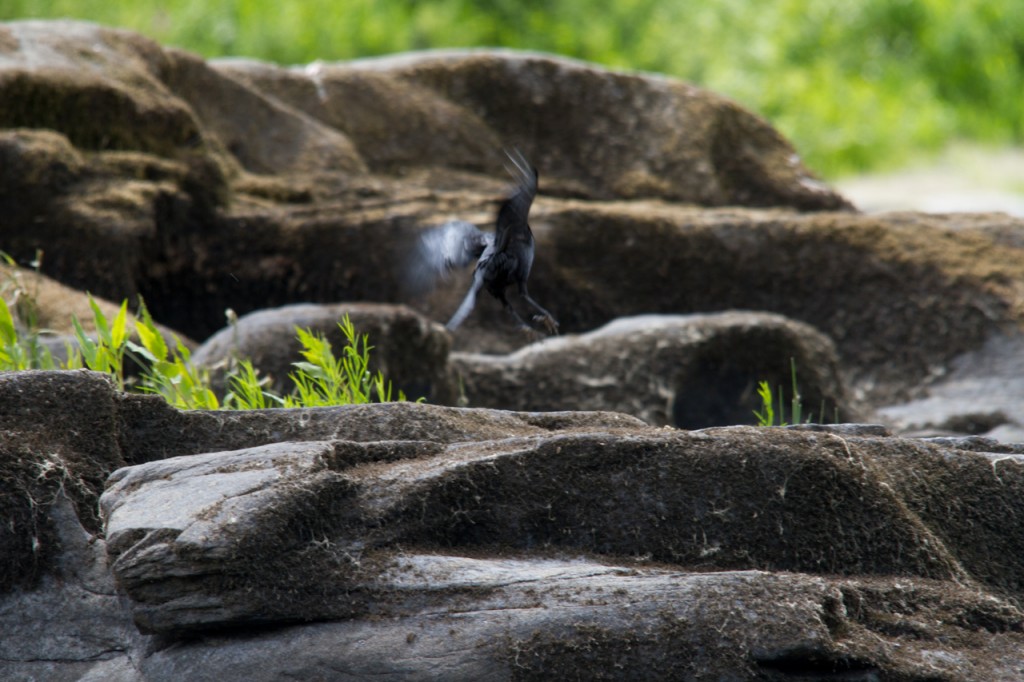
Pair of Ravens, near Louisville.
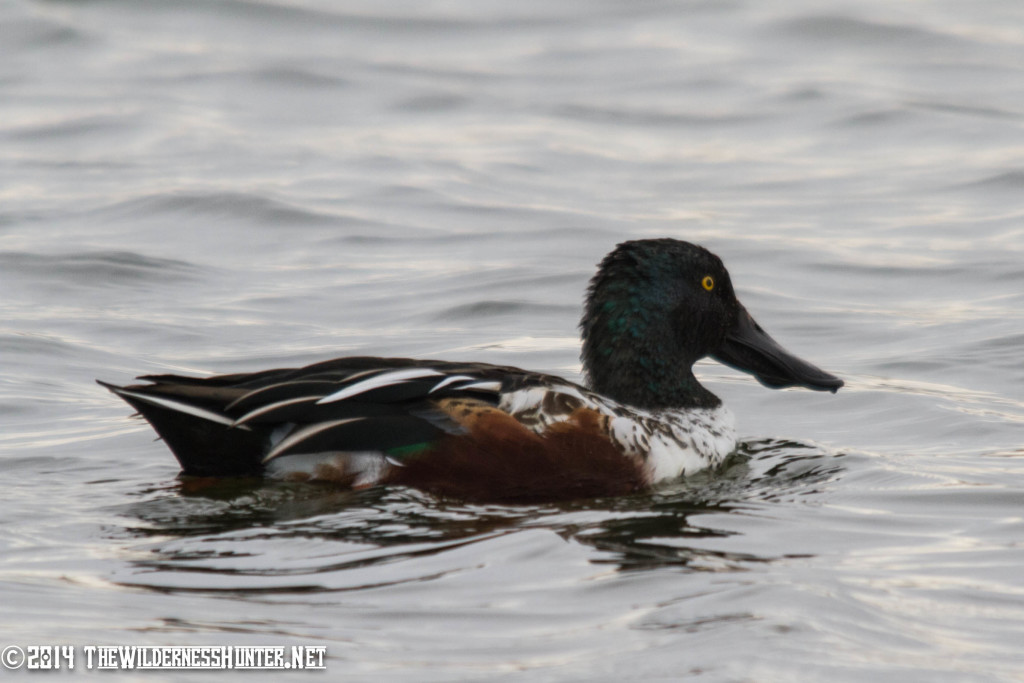
Northern Shoveler on Tom Frost reservior, Broomfield.
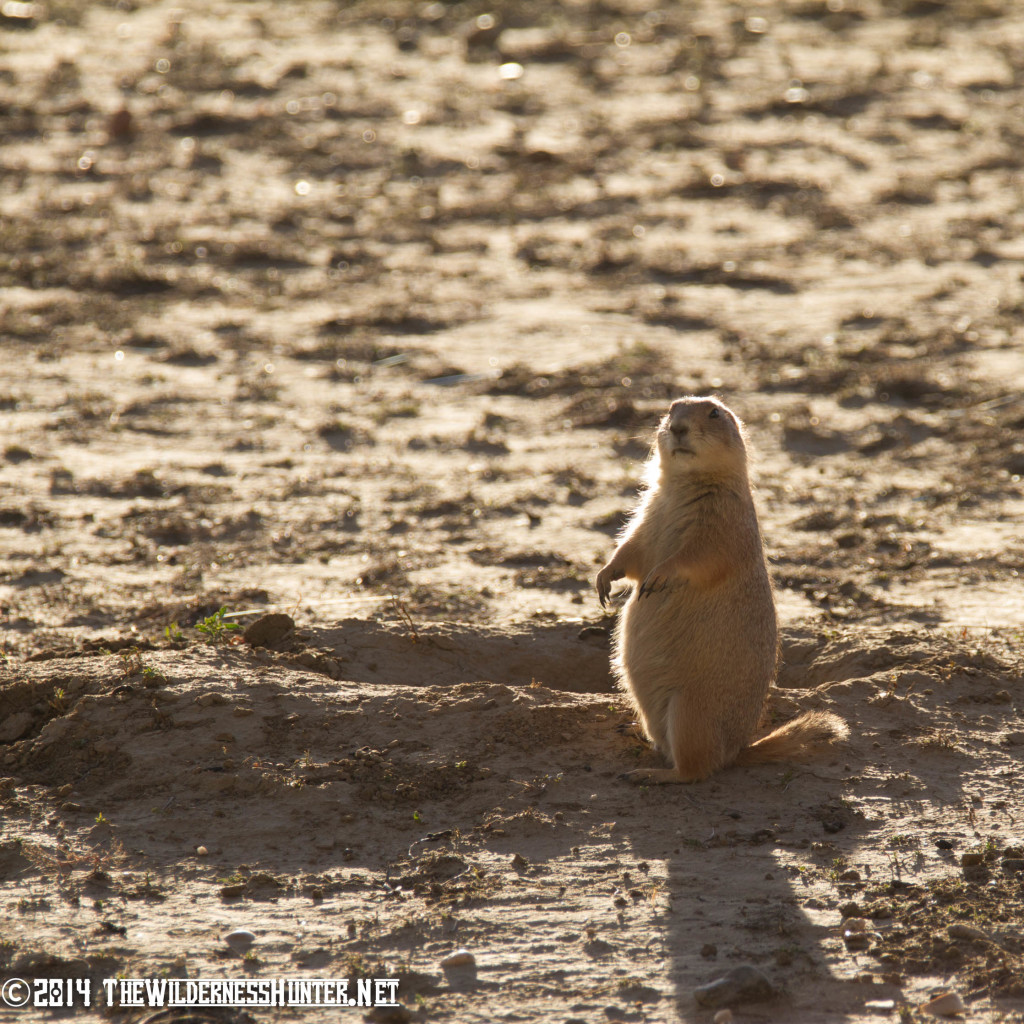
Black tailed prairie dog, Broomfield Commons open space.
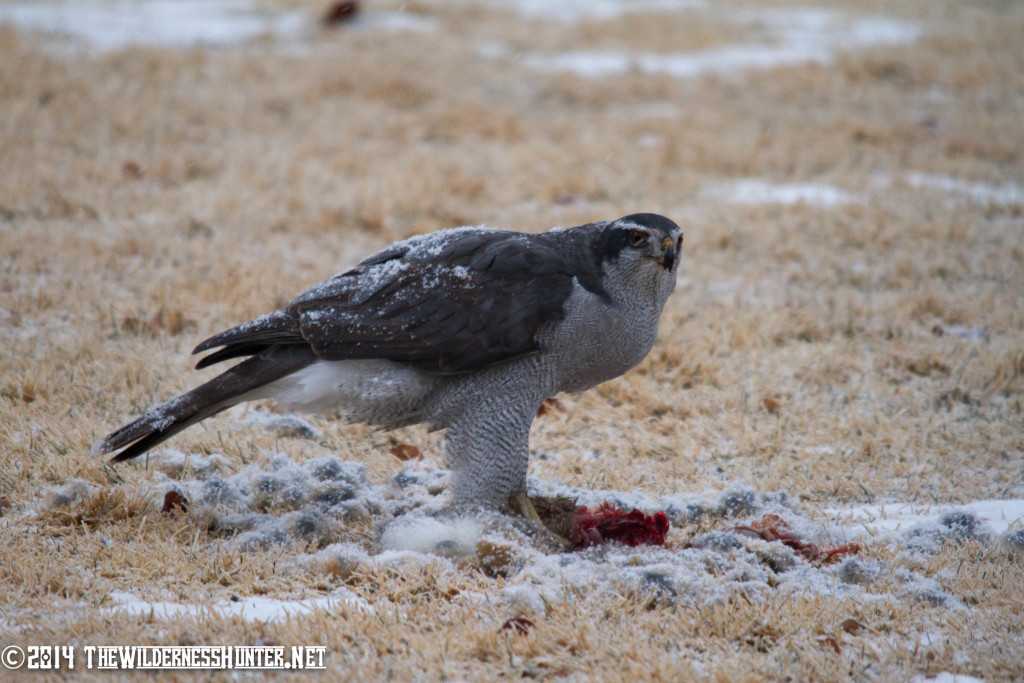
Peregrine Falcon feeding on one of the many rabbits in the park behind my house in Broomfield.
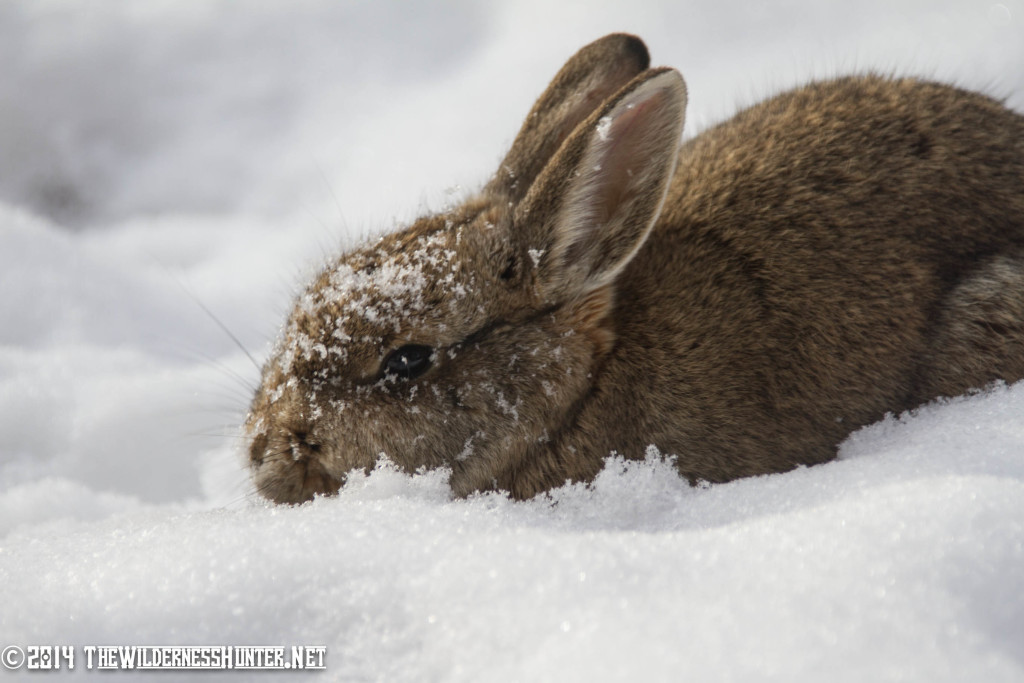
One of my backyard rabbits.
And here are some of the random shots I was able to take in October and November:
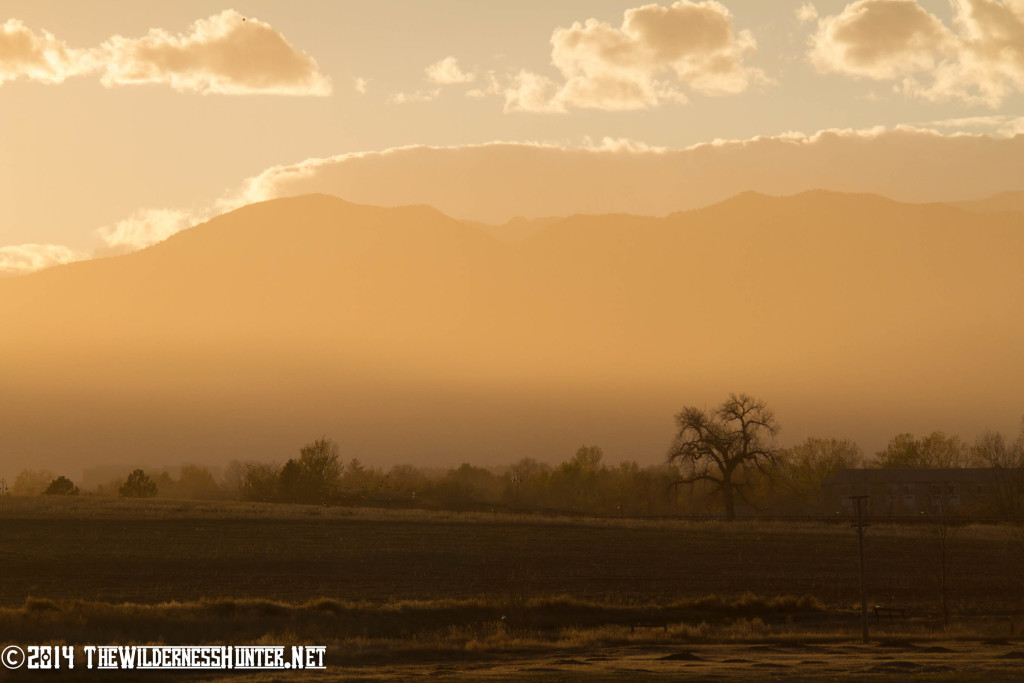
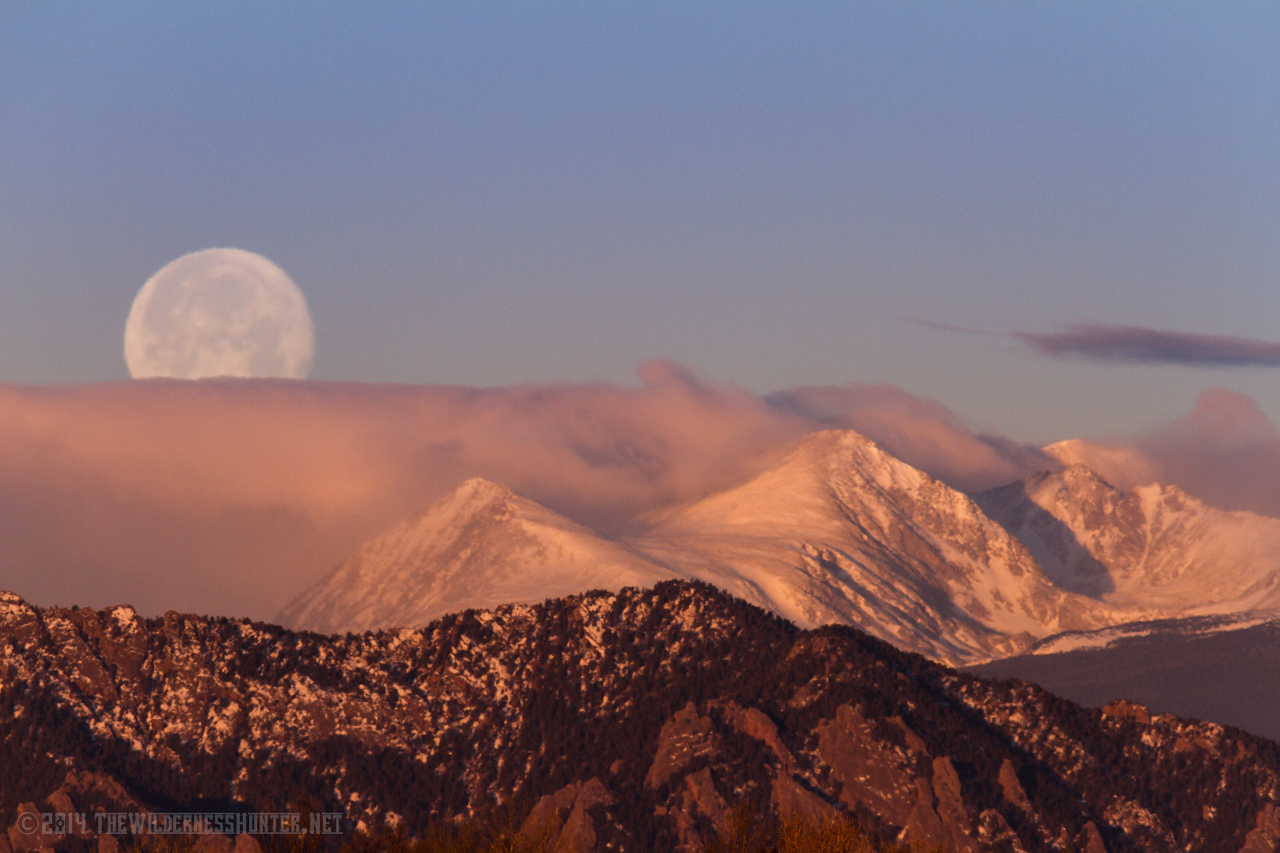
I was thrilled this morning to be able to catch a sunrise and a moon set as they happened simultaneously. What’s more is that I could see it from a place I have not been for a long time, which seemed to make the event more significant for myself. For me to explain that would take far too long and be far too painful. However, I was reminded that there are times that we have to stop for a second, or a minute, or an hour and be in the moment. Live in the moment; that’s what my Malie taught me.
Sunrise, moonset over Mount Albion and Kiowa Peak, Indian Peaks
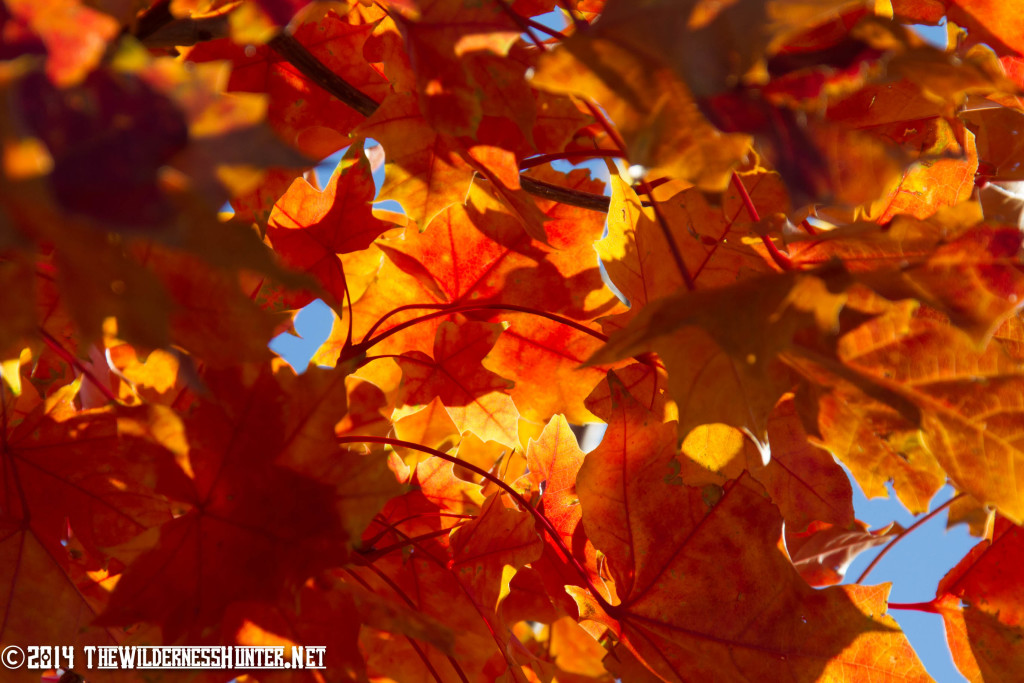
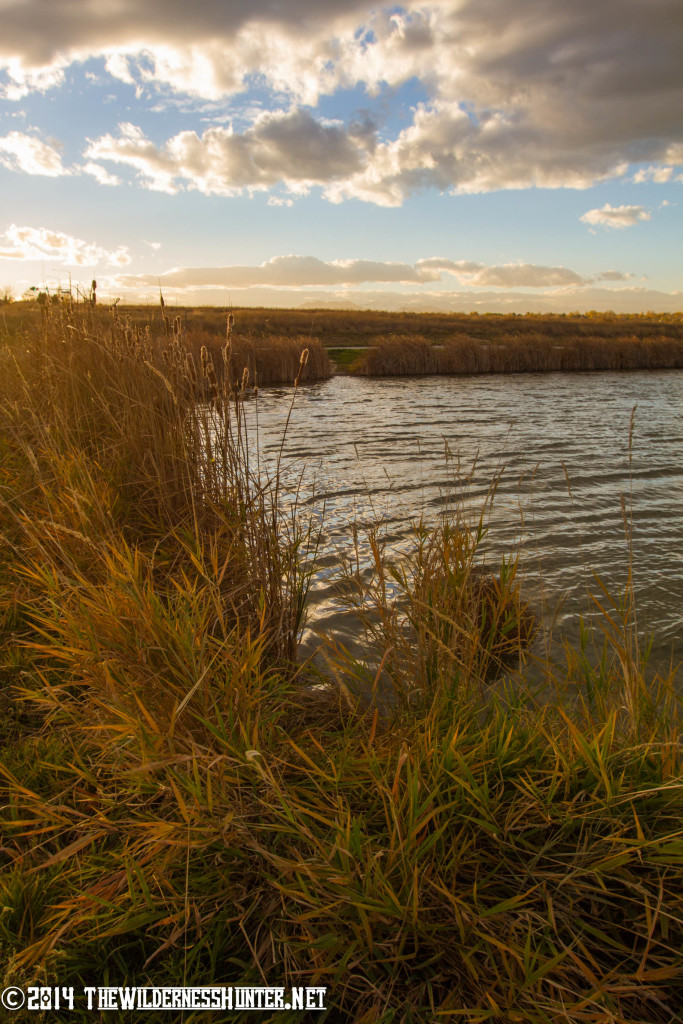
I have a thing for autumn, and breakfast, but autumn is the one that is important here. I don’t like to use vague words like “thing” very often, it’s a crutch for the chronically confused, but it seems there is no single word to describe the feelings I get when the trees change color, the sun dips lower to the southern horizon, the air is crisp with leaves, grass, and hints of frost. Fall light is dramatic, but dismal like winter, and not oppressive like summer. In my mind there is a certain romance to all things autumn; hunting and harvest, warm clothes and pleasantly cool days, wood cutting and splitting, all the preparation and waiting for winter’s inevitable coming. In beautiful Colorado, the fall can be extremely short, or in the case of this year, relatively long. So in this case it is just easier to say “I have a thing for autumn.”
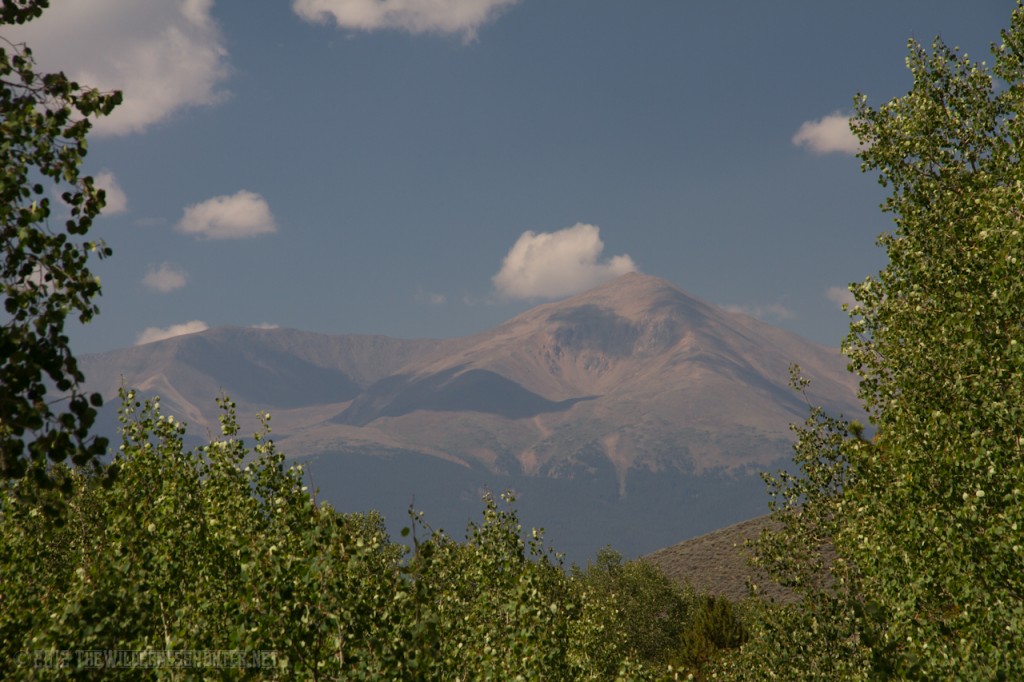
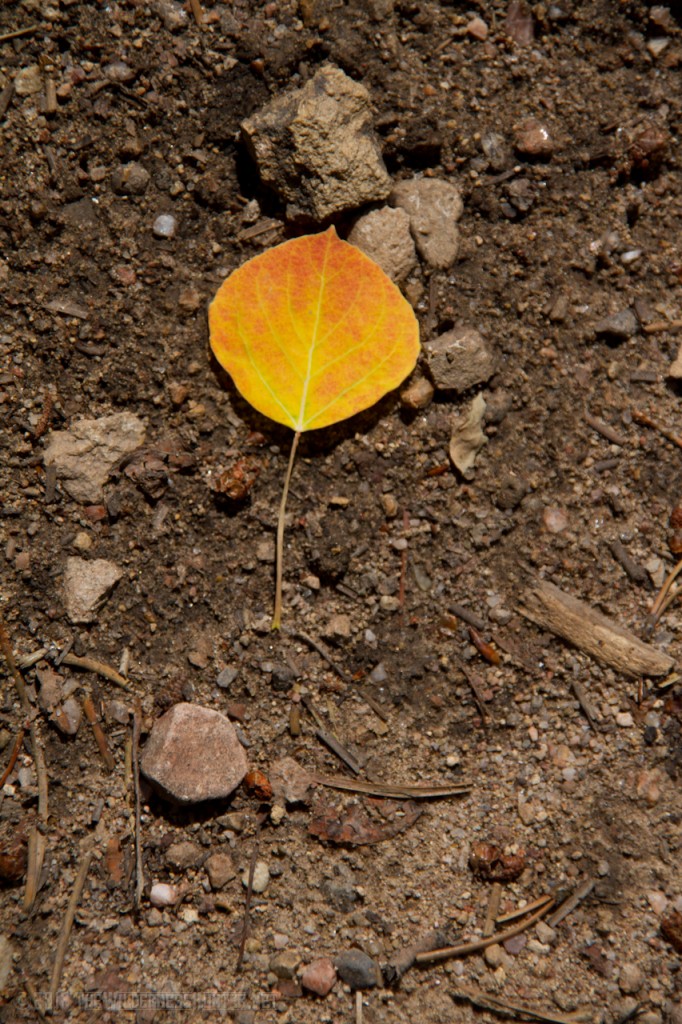
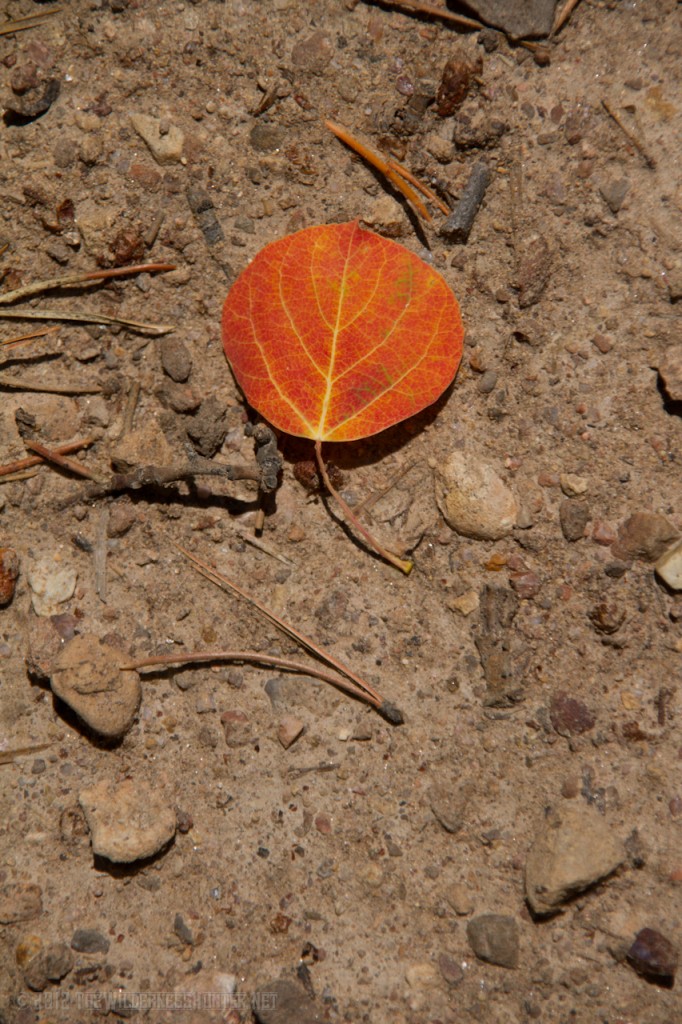
I know there are places where fall is distinctively longer and follows what the Julian calendar tell us how long the season is supposed to be. More often than not, winter hits us fairly fast here with maybe a couple weeks of a true autumn, and this has conditioned me to appreciate the lingering seasons when they do come. Every fall I make time to get outside more, and at the very least make a day trip to enjoy the Colorado Gold. I was fortunate this year to make two such trips, and was not disappointed with either! Though it seems I bracketed the “peak color” by a week either side, one week early and one week late, but such is the way things go when you can’t live among the mountains and trees, able to see the subtle day to day changes.
The early trip was part way up a rough road that would eventually take one over Webster Pass and down to Montezuma and eventually into Keystone. A short three mile trail leads up to an alpine tarn called Gibson Lake. Though I didn’t make it all the way to the lake, it was a lovely hike among the trees. Could I have made it to the lake? Absolutely, if I was trying to. But this day I had no true destination in mind, no specific goal except to enjoy being out of doors in my favorite season.
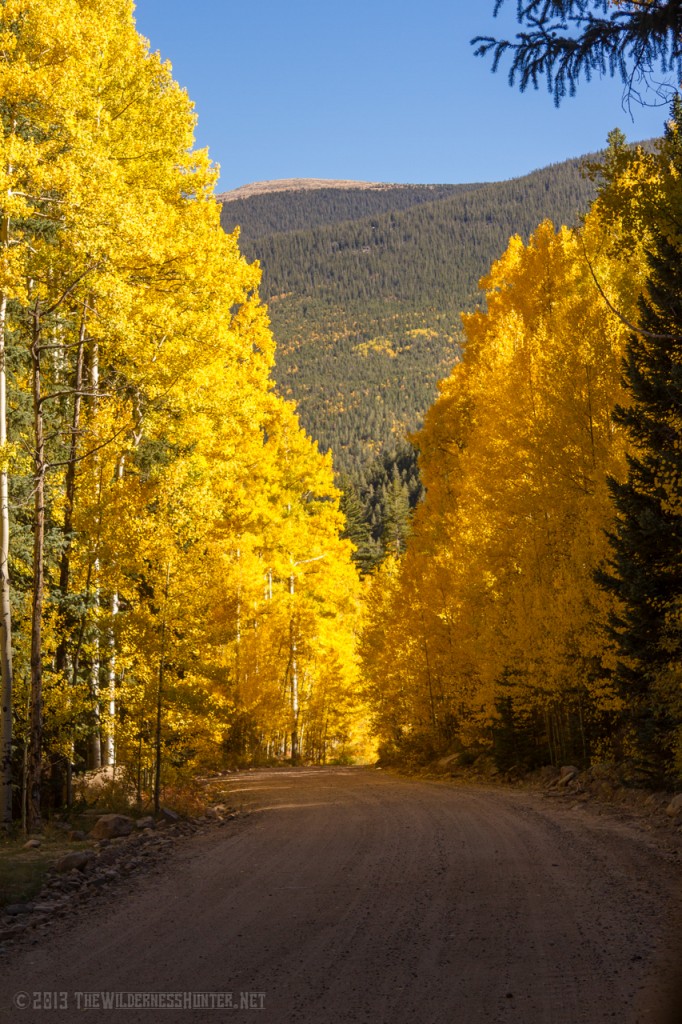
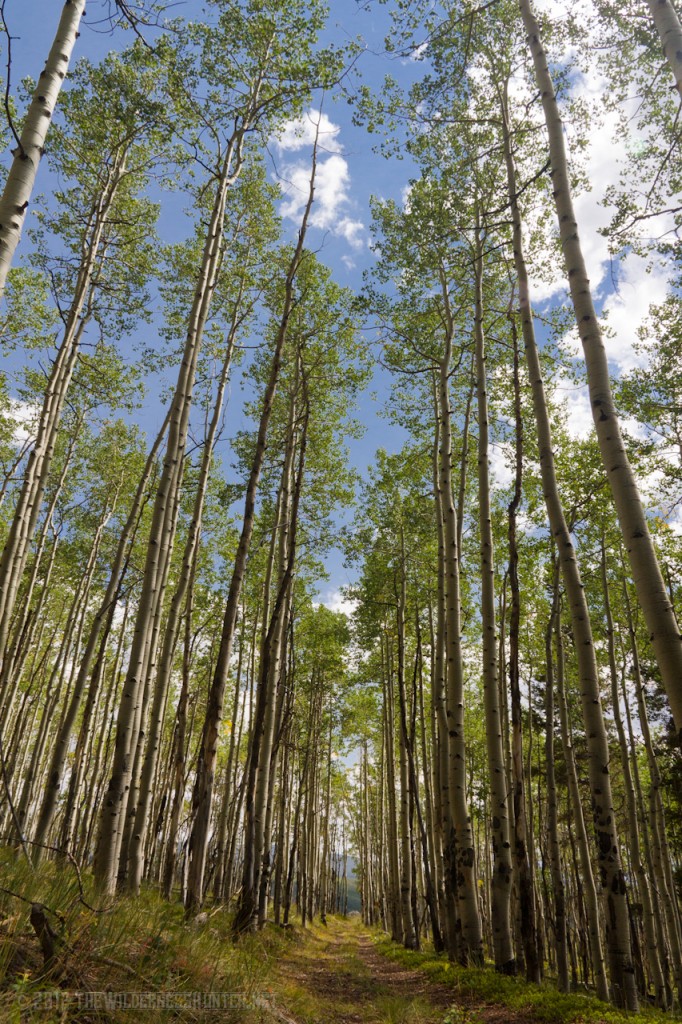
My kind of "tree lined boulevard"
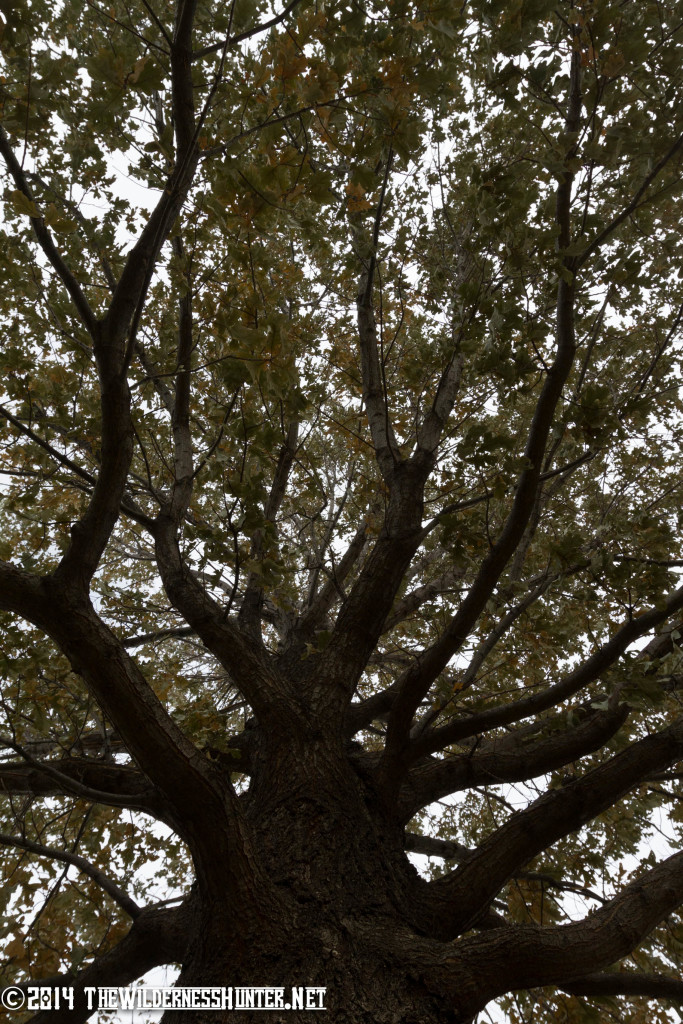
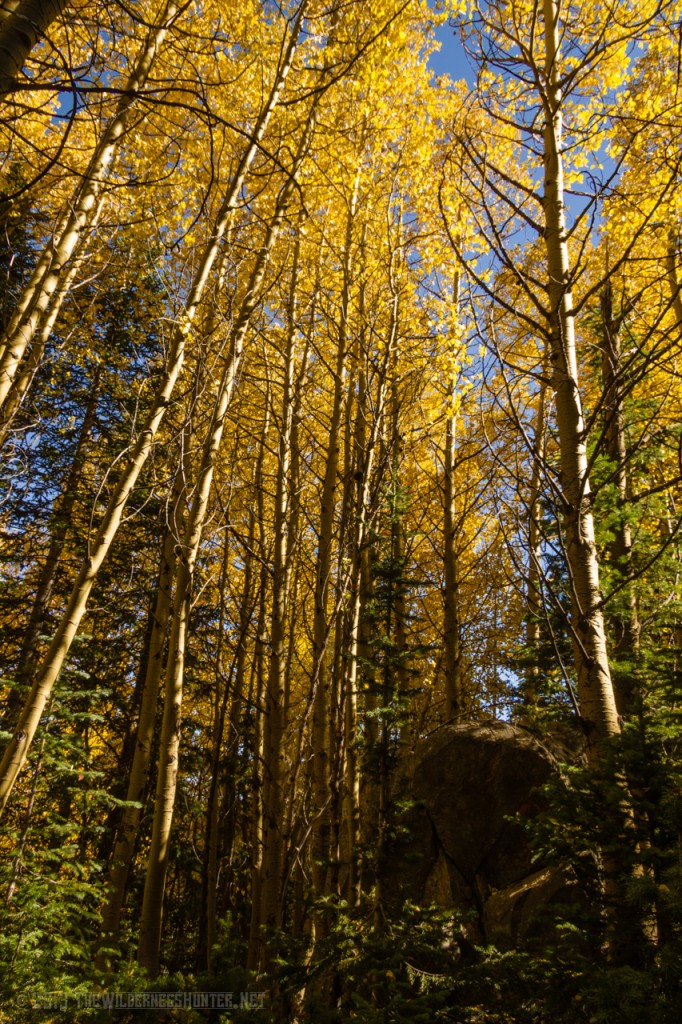
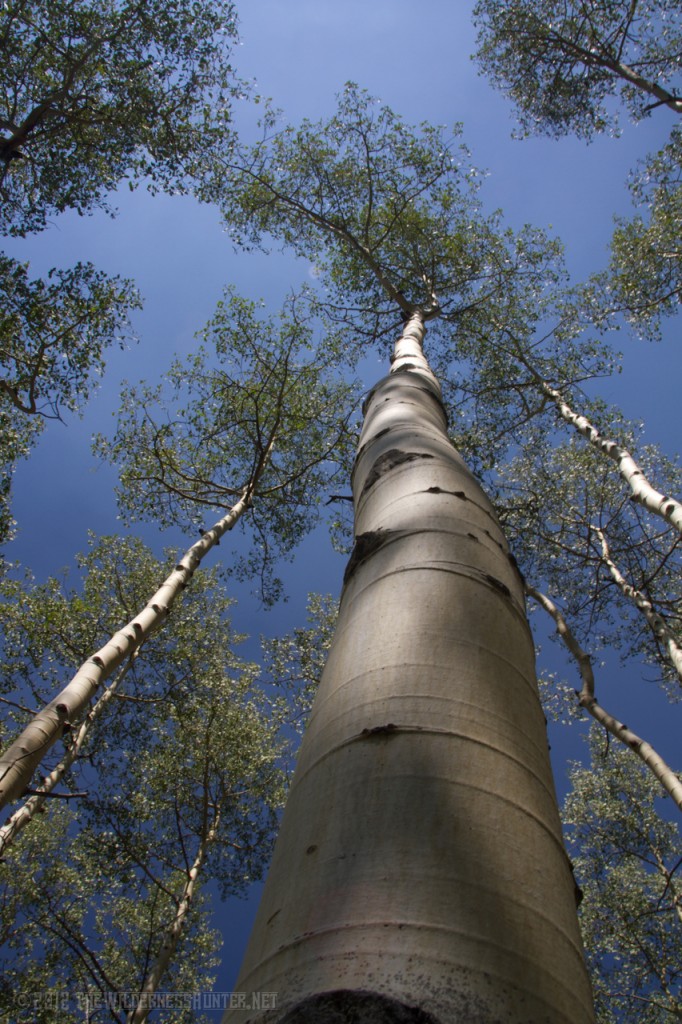
I love shooting up through the canopy.
My lunch break spot, about a mile from Gibson lake.
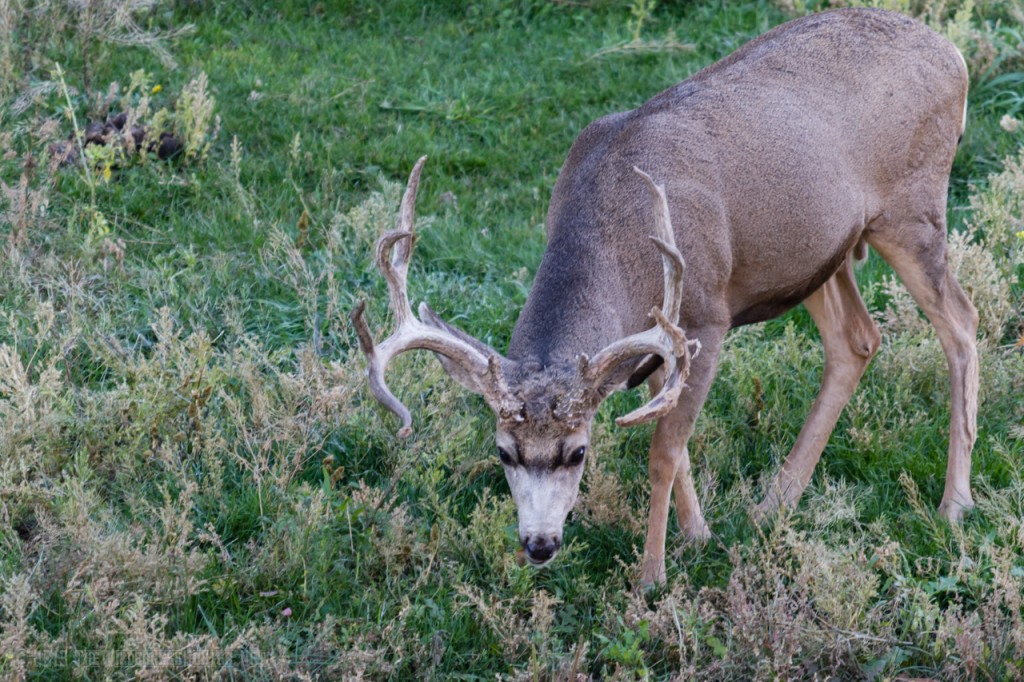
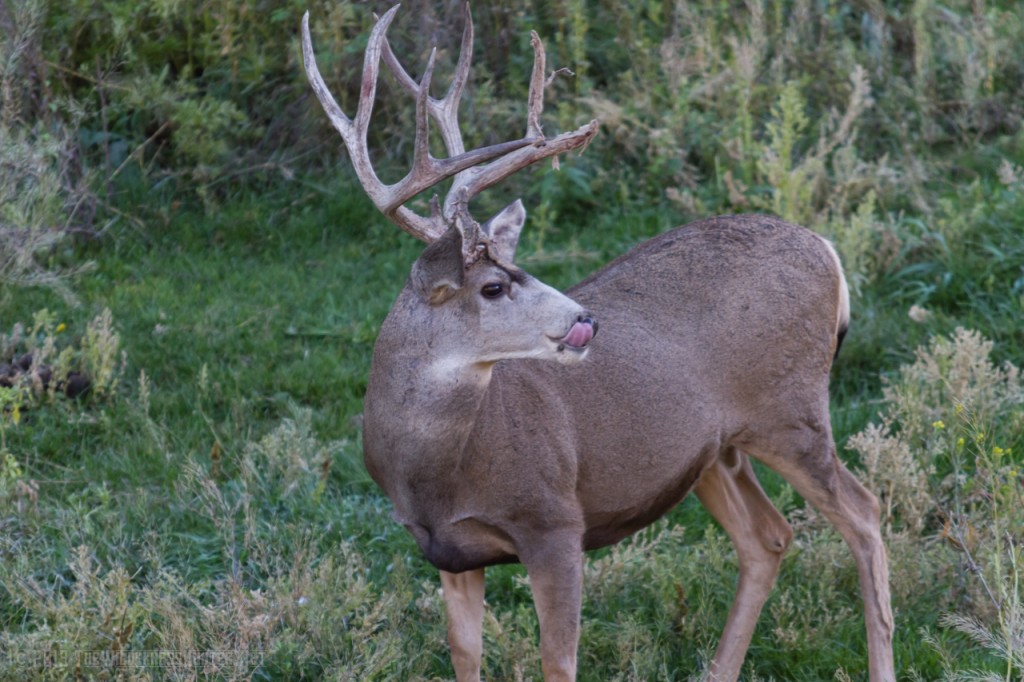
Beautiful Mule Deer buck, enjoying the unusual green foliage.
Green is good!
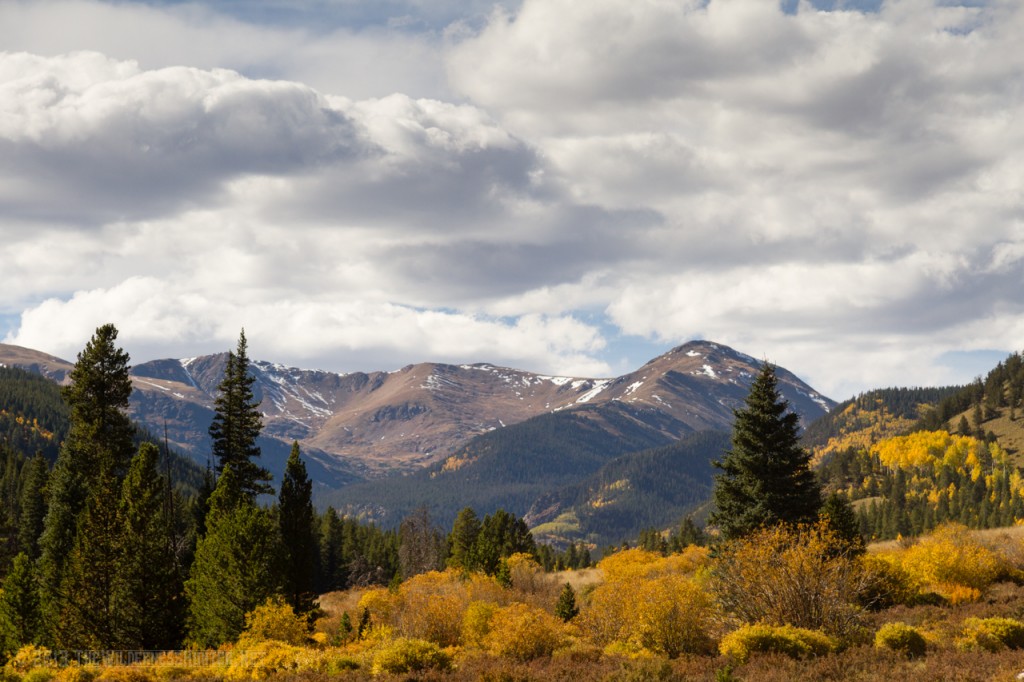
Looking west toward Handcart Peak and Webster Pass.
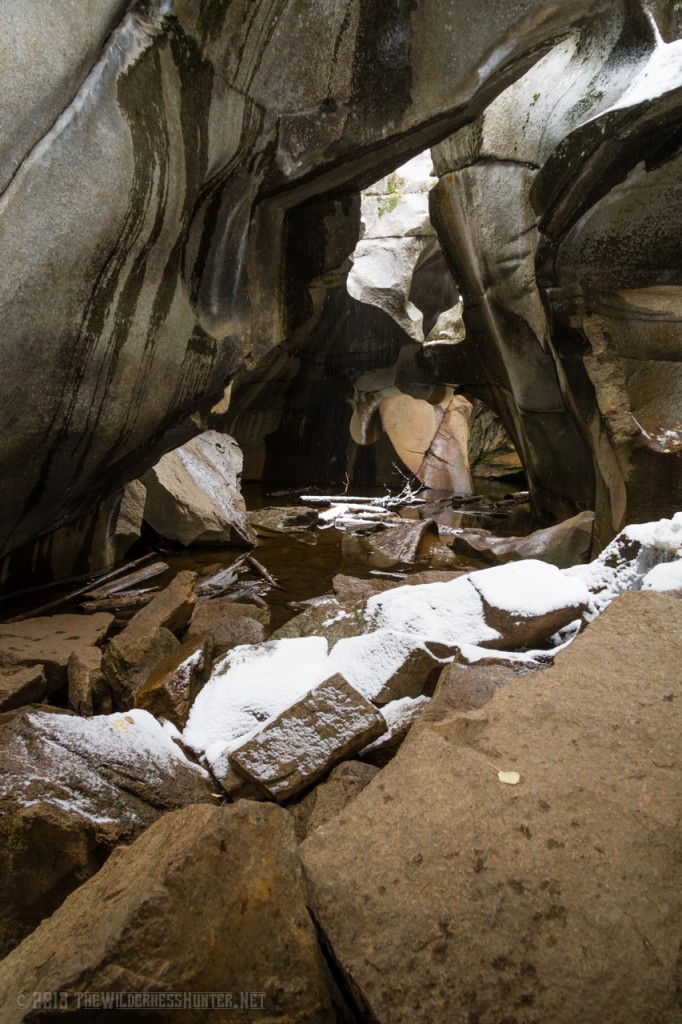
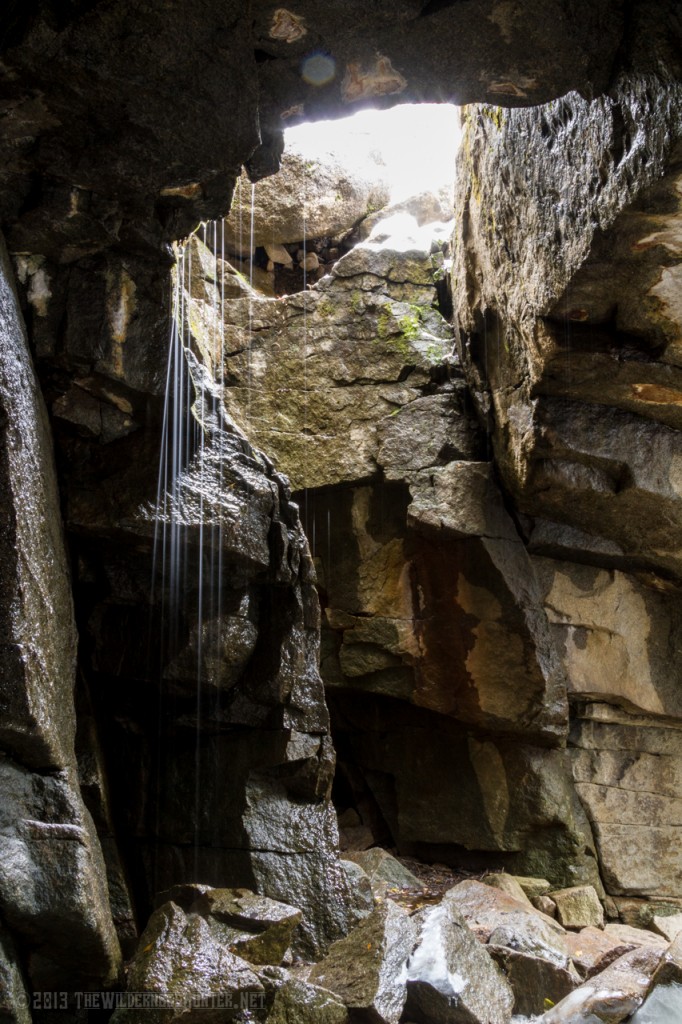
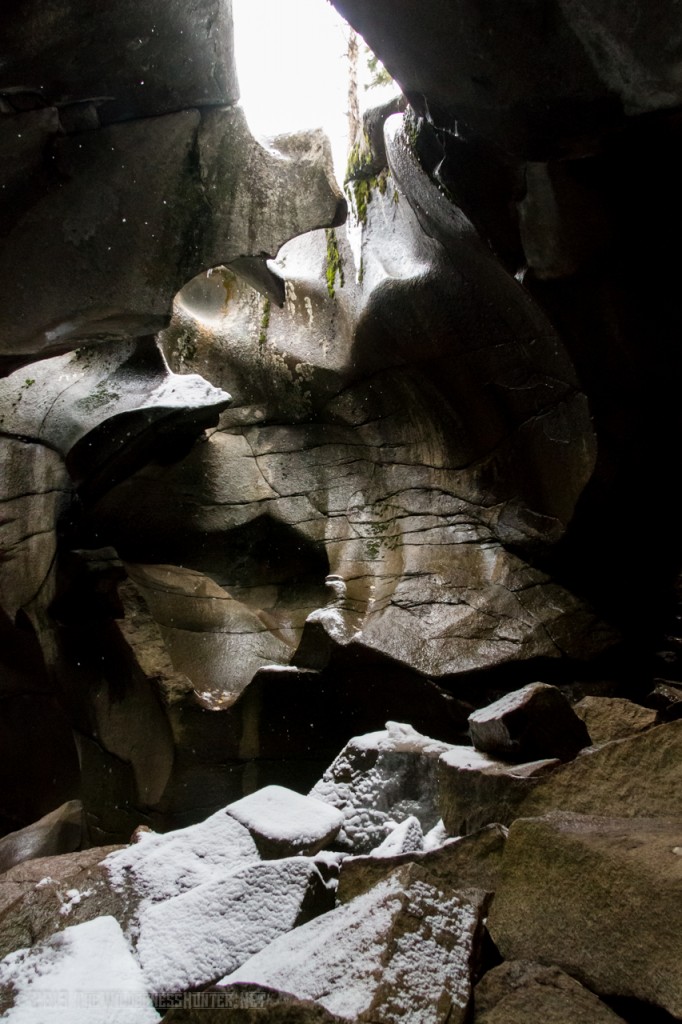
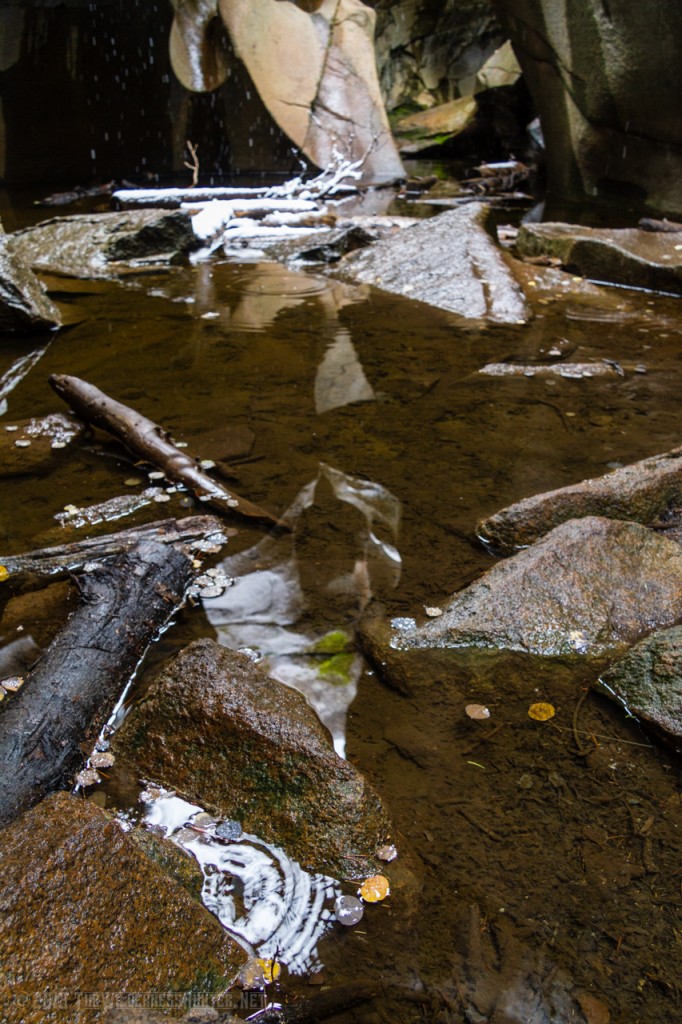
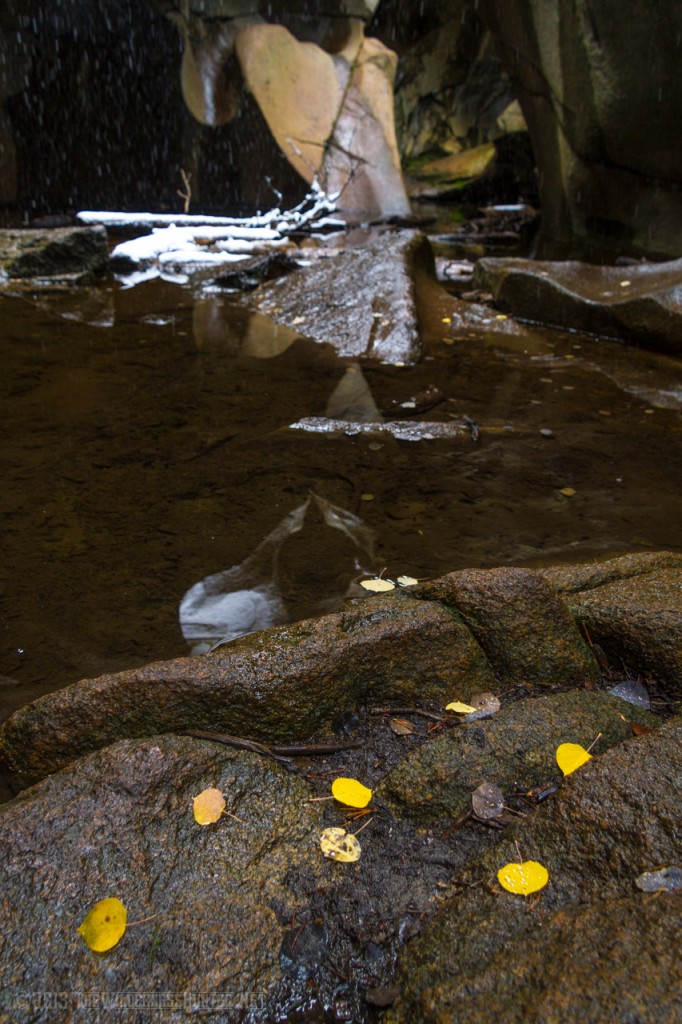
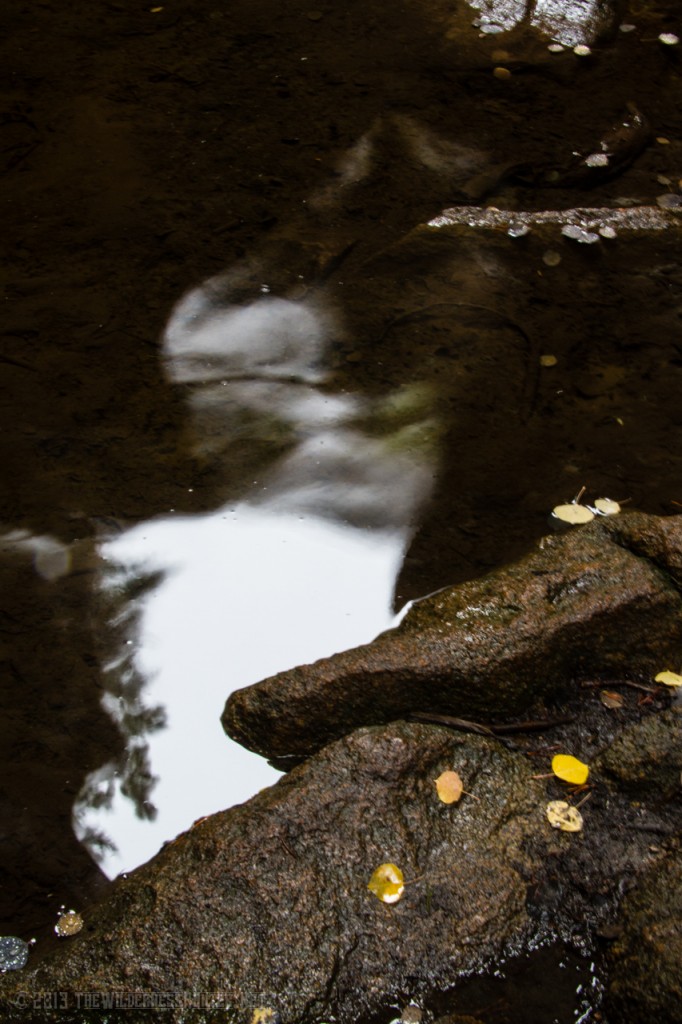
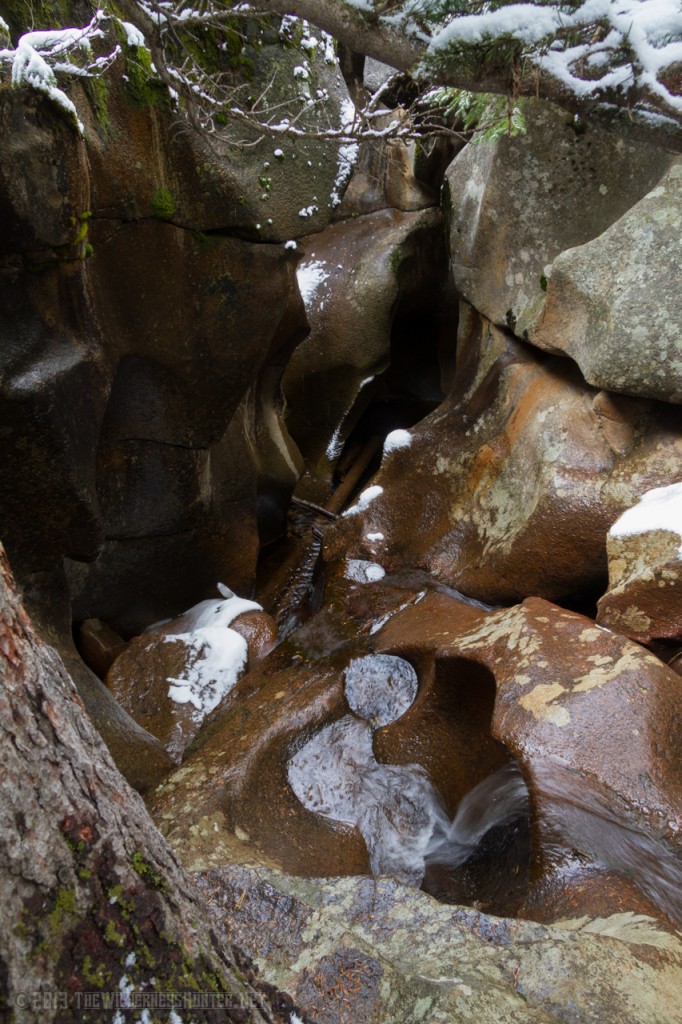
The late trip was with my cousin Brooke, and we headed a bit farther west toward the Sawatch Range, which holds the highest mountain in Colorado; Mount Elbert at 14,433′. Yes, I have been up there. Three times. Okay twice in one day, only because we began to descend the wrong trail after we were disoriented in the fog. It was snowing as we made our way toward Leadville, and the combination of Aspen Gold and snow was making me giddy. Honestly I didn’t think the weather could have been more perfect for an autumn shoot; we experienced snow and sun in perfect measure all day long. Our ultimate goal was a place only called “the Grottos,” which can be best described as small slot canyons in the granite. The slots were carved by the Roaring Fork river ages ago as its path wandered. The most impressive is called the Ice Caves, and there was a bit of ice in them when we got there, and quite a photographic challenge too. Lots of contrast with the light coming in through the slots above and deep shadows in the corners.
There's gold in them hills.
Mount Elbert panorama
Mount Elbert from the south.
I could live here, Twin Lakes, CO
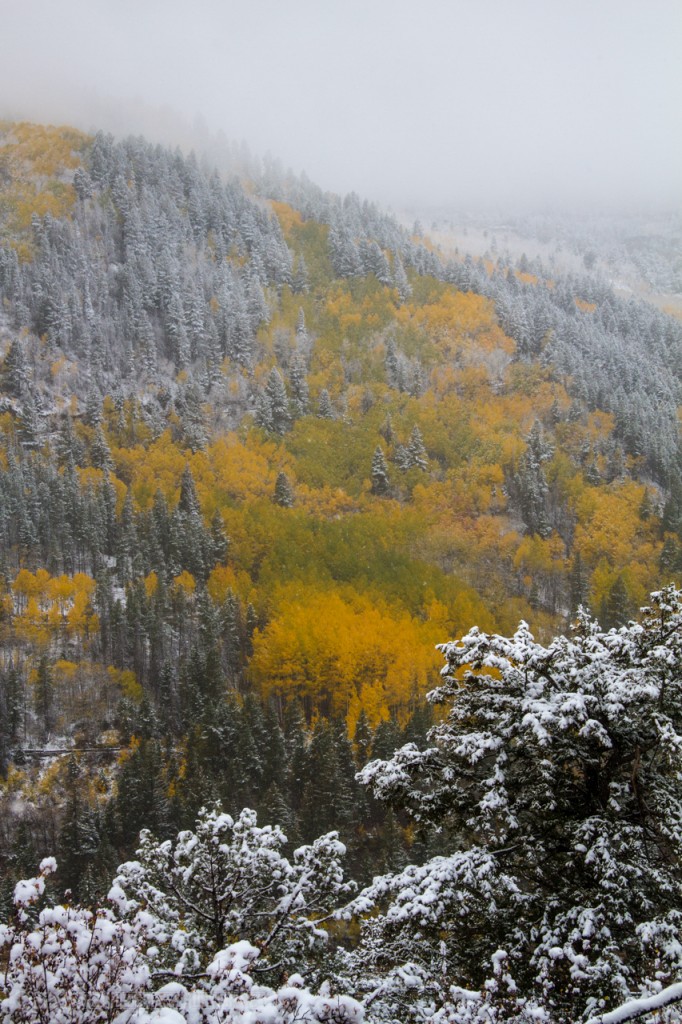
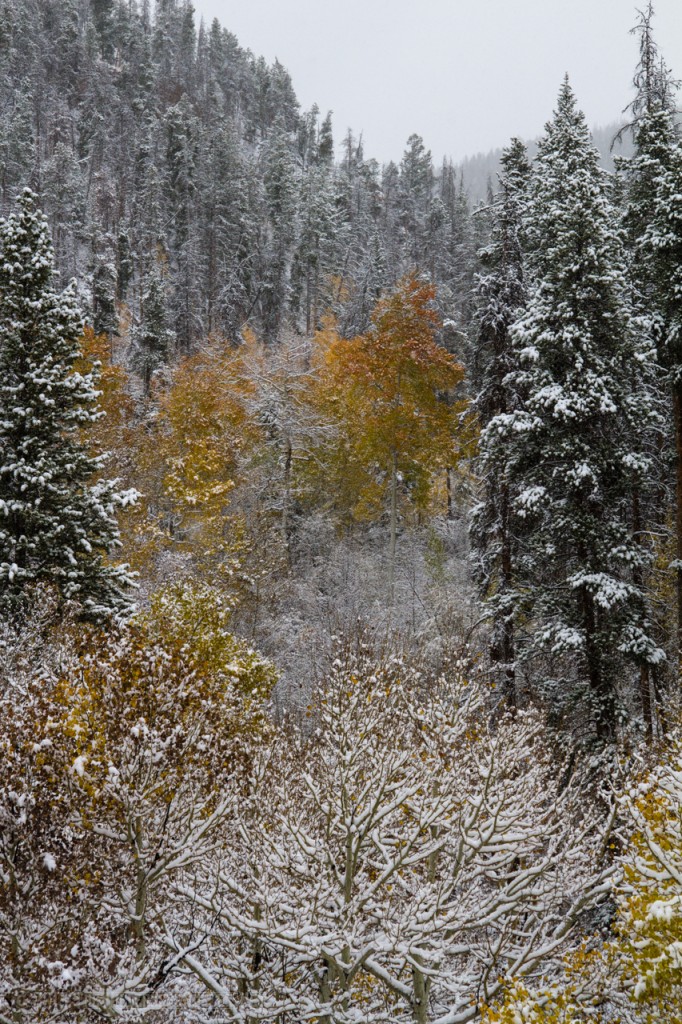
Here's winter!
Inside the Ice Caves at the Grottos
The snow was melting as it hit the granite and running into the cave.
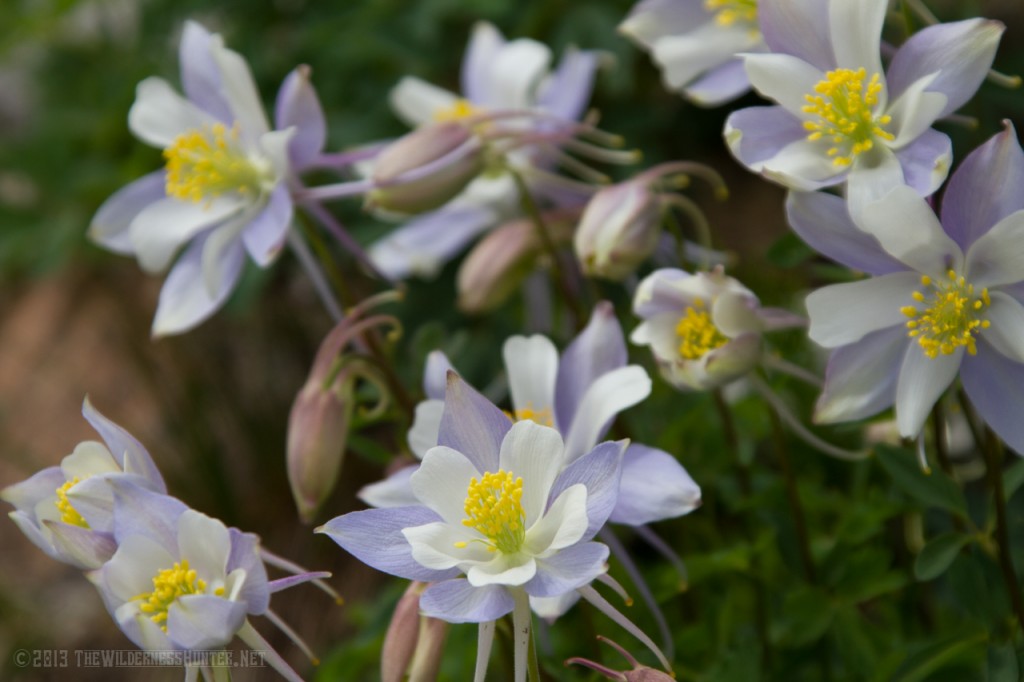
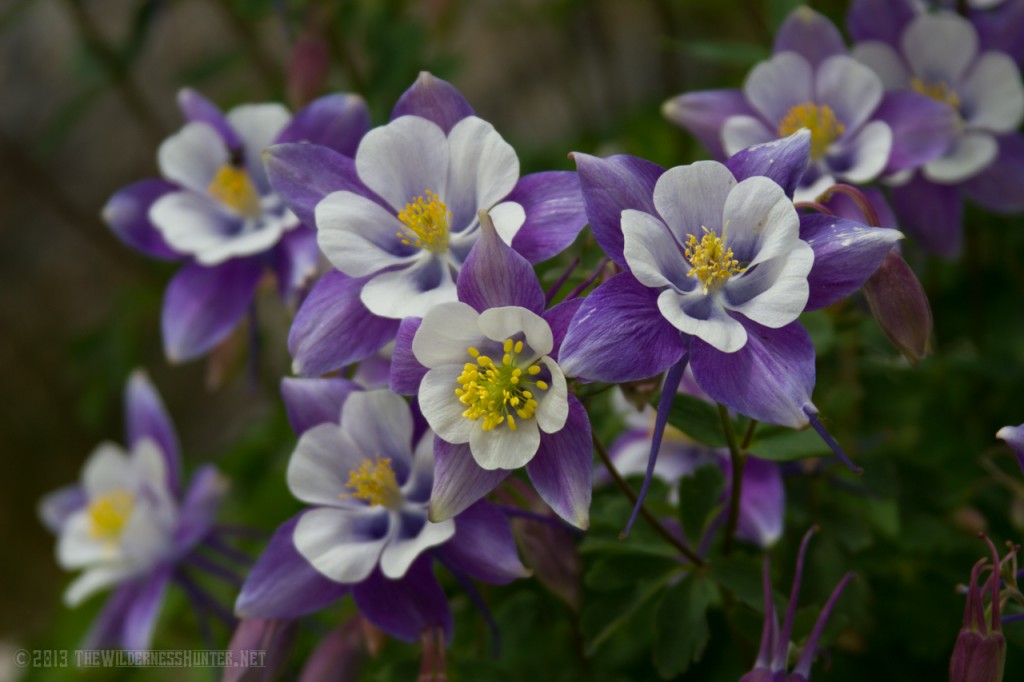
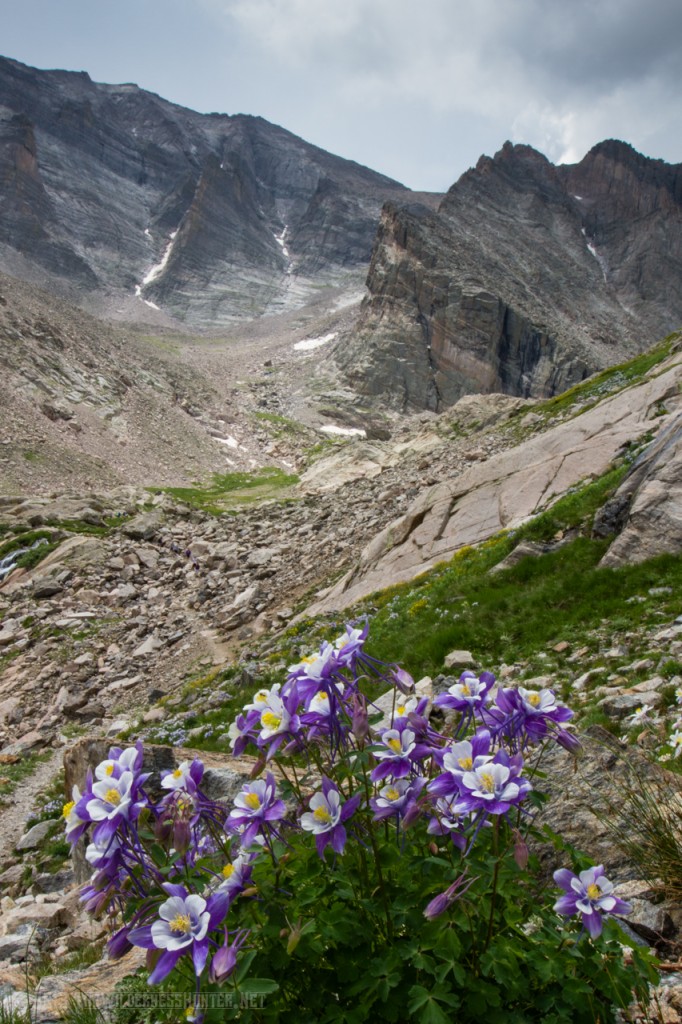
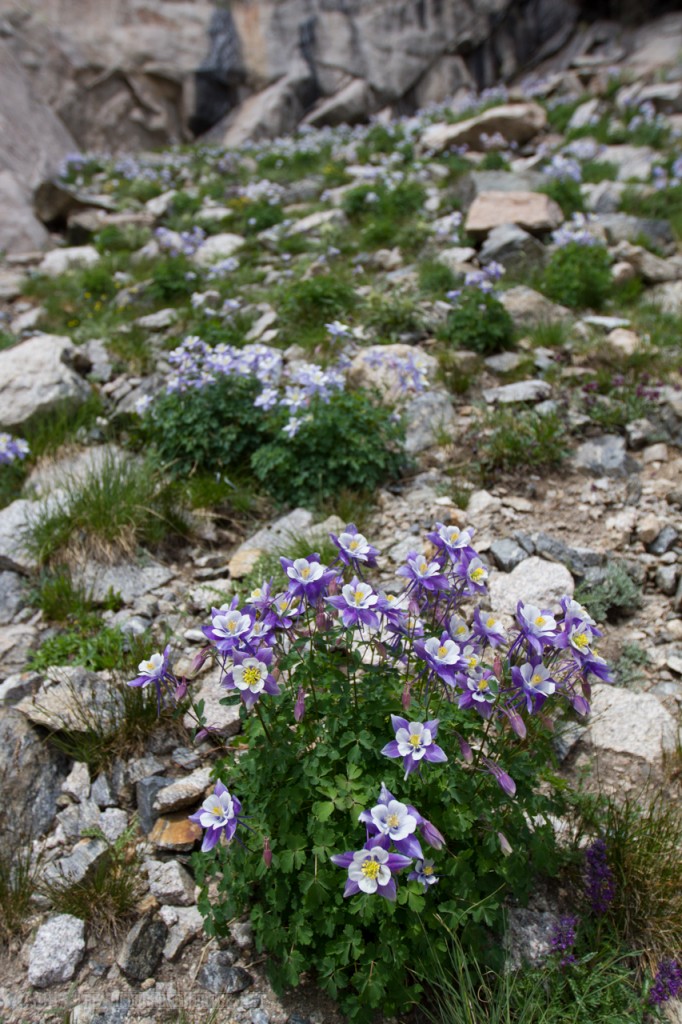
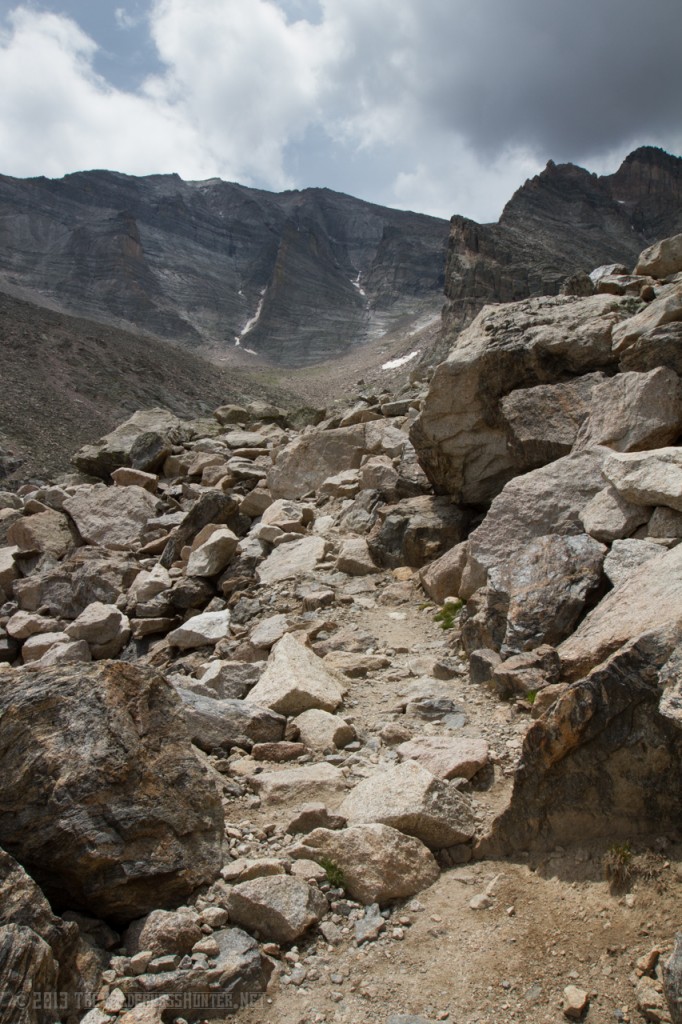
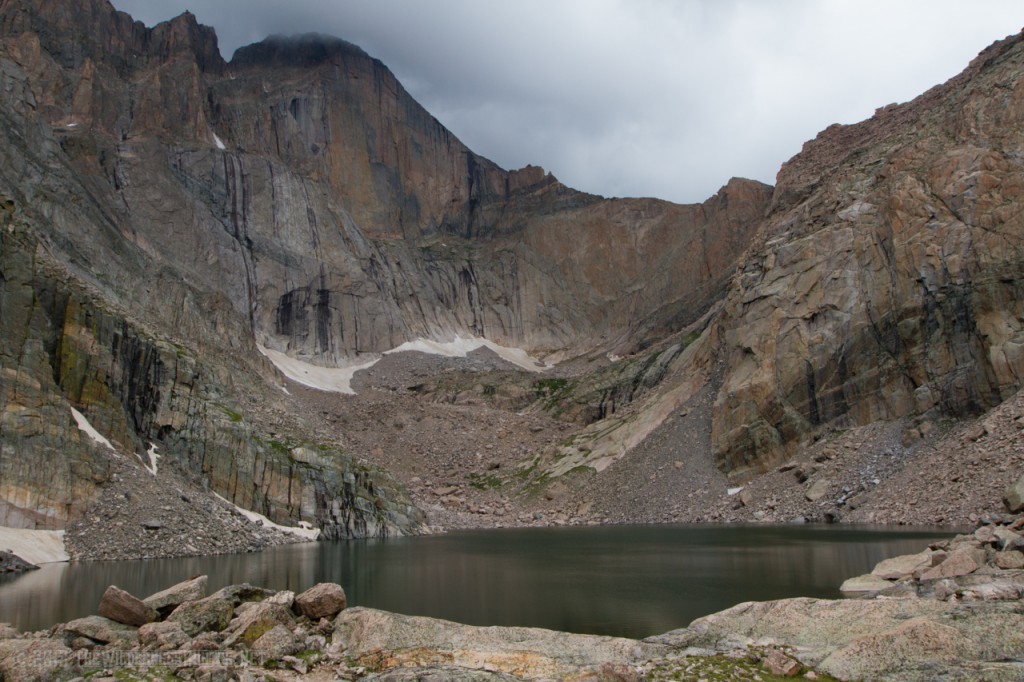
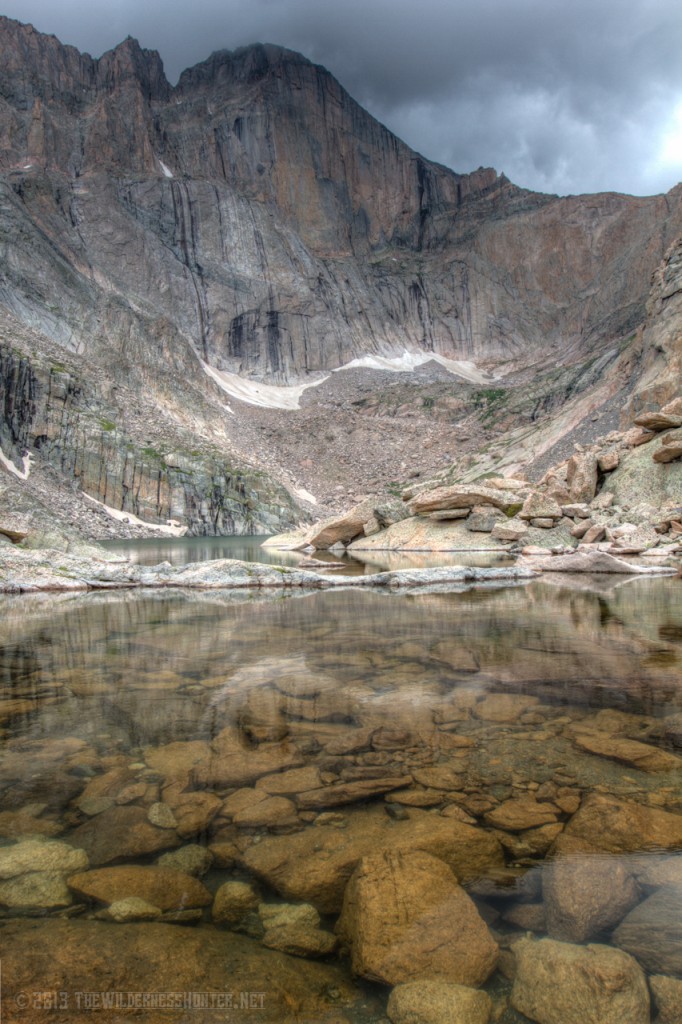
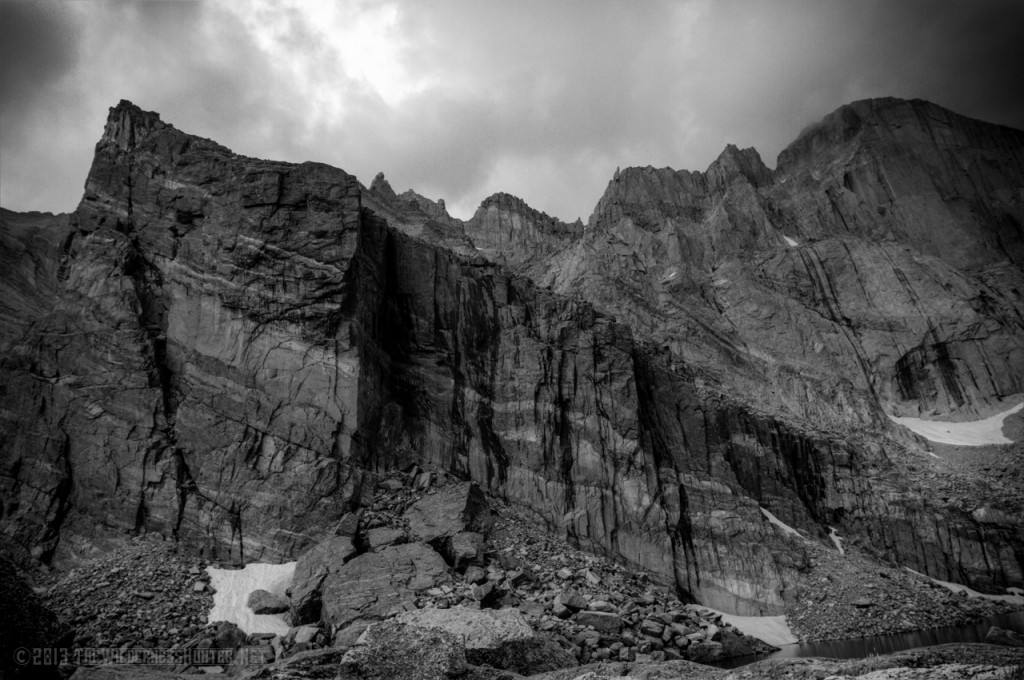
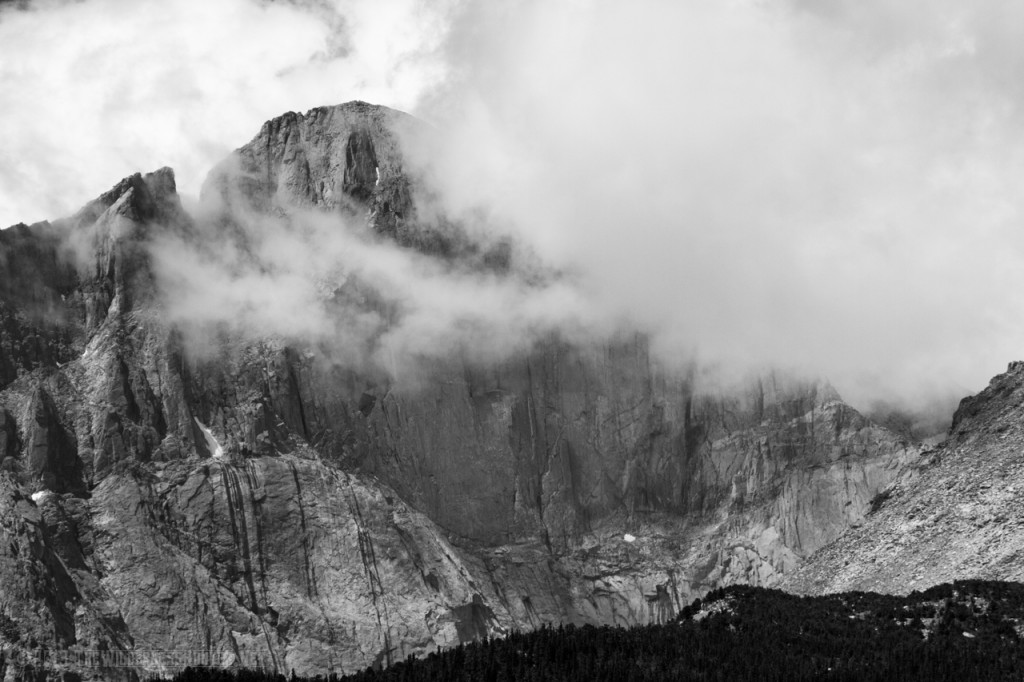
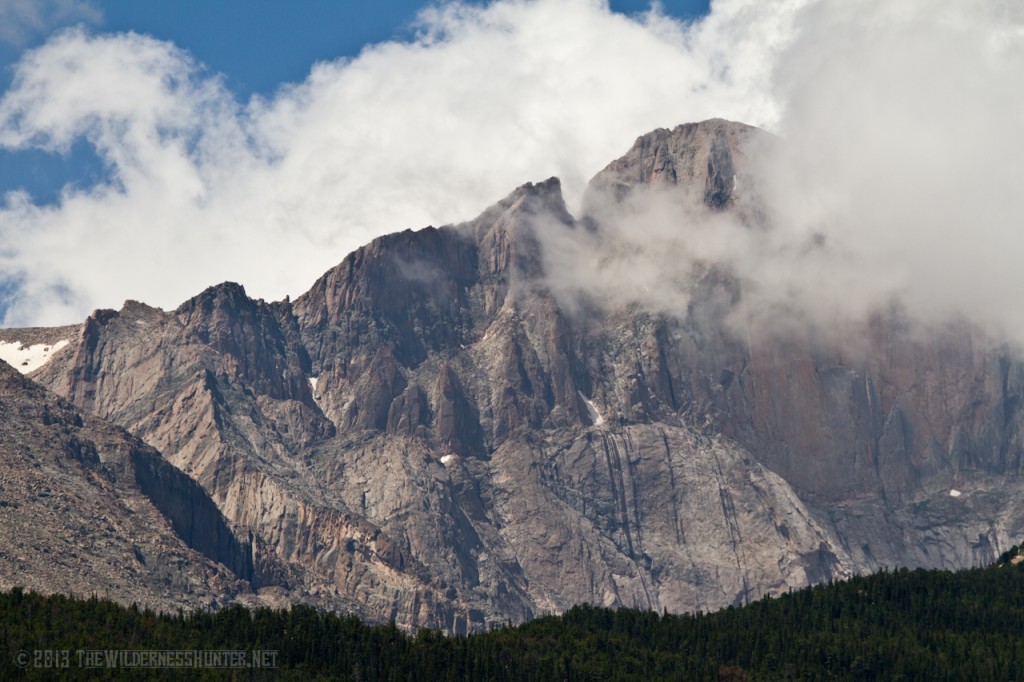
Just after we returned from our derailed Grand Canyon trip, I still had the awesome camera lenses that I had rented, and they weren’t due to be shipped back for another couple of days, so I made one more journey. The wildflowers in the high country were just beginning to peak, so I decided to head up to Rocky Mountain National Park to see if I could get some blooming Columbines, our beautiful state flower. Chasm Lake was my set destination, located just below the summit of Longs Peak, one of the more difficult fourteeners to climb in the state. Last time I was there was eleven years ago, myself and a couple buddies were headed for the summit and a snowy camp in the Boulder Field at 12,000 feet. It’s a deep glacial tarn with a massive granite monolith rising above it called the Diamond Face. For the hardy and seasoned rock climber, it is one extreme route to the summit of Longs Peak. Unfortunately for me, I picked a day when the expected summer thunderstorms began to for a couple hours earlier than usual, but that wasn’t about to stop me from getting to Chasm Lake. As I was approaching the lake, everyone that had been there earlier was passing me on their way back down. Once I reached the lake, the thunder had started, the cold wind was blowing, but I had the place to myself. I was not taking my time with the photos, and when the first flash of lightning struck on the other side of the mountain, I knew I was going to be running down to tree line. I stowed the camera in the pack, donned my rain jacket and haul my ass off the mountain. After about a quarter mile, it began to rain, and then it began to hail. If you have never experienced a rain/hail storm above timerline, let me tell you, it isn’t a pleasant walk in a summer rain. It’s cold, down right icy and the lighting will whip you into a hurry you’ve never known. Running down a rocky, wet trail with 30 pounds of camera gear on your back is not good for the knees, by the time I reached timberline I could relax a bit, but my pace did not slow even for the aching in my knees. I began to realize I enjoy this kind of adventuring, but not to the point I would knowingly endanger myself, just enough to set me apart from the crowd. I came away with some excellent photos and another memory for the books.
As usual, I am finally able to catch up on my posts and photos from the summer. We had a family trip to the North Rim of the Grand Canyon planned for mid-July, and I was excited for it. Preparing myself both mentally and photographically, I had purchased new memory cards for my 7D, another pair of batteries, a wireless remote trigger, a couple of books on some good places to shoot, but the most exciting of all; new lenses. Well, I should qualify that, I was *renting* new lenses. There are web based companies that rent all kinds of photographic equipment, so I thought I would give it a try, since I wanted the crispness in the photos that only an L-series Canon lens can offer. At first I had a list a mile long of gear I wanted to rent for the trip, but had to trim it to meet a budget, and decided on a Canon EF 16-35mm f/2.8L II wide angle and a Canon EF 28-300mm f/3.5-5.6L telephoto. Four thousand dollars worth of camera glass was mine to use for a week! Pardon the geek out moment, I still get excited thinking about it. However, one minor detail would set things back a day, its always the little things. We had planned to leave on Saturday morning and meet the rest of the family, and continue on our journey. I had set up my lens rental to they would be delivered on the Friday before we left, so checking the UPS tracking number for my package, I saw everything was on schedule. When I checked the tracking info Friday afternoon, the package was being returned to the sender! Called borrowlenses.com to find out what the hell was happening, and I had transposed two numbers in my house address, causing UPS to believe the address didn’t exist. They were awesome to work with, and they would have another package sent to me overnight so I could get on my way as planned. My replacement package was set to arrive at 10:30 Saturday morning, well past the time we were planning to be on the road, except that said package didn’t arrive until 12:45. The family caravan had left already and we were going to meet them in Green River, Utah, a kind of mid point between home and North Rim, Arizona.
We were on our way, after my lovely wife Jen had finally decided to accompany me, with my truck acting as a pack mule. We carried most of the camping gear necessary for the entire group, so it was quite a load. And it was mid-July so it was hot. And there was traffic. Driving a loaded vehicle slowly uphill in the 90 plus degree heat is a recipe for a cooling system breakdown, and that is exactly what happened, though we didn’t really notice anything unusual until the traffic cleared up, but the engine temperature did not go down even when it started to pour rain. We had to finally stop near Silver Plume on I-70 and let things cool off before I could check the radiator and see what was going on, and it continued to rain. Jen had the idea to catch some of the rain water in a pan in case we needed to fill the radiator, and it was a good thing too, because all the coolant had boiled out in the slow crawl in the heat earlier. Once on the road again, we had to stop periodically to put more water in the radiator, and we did this all the way to Glenwood Springs. Now I will tell you that modern engines operate at a temperature just at or below the boiling point of water. That being said, every time we go going again, and the engine got up to operating temperature, the water in the radiator would turn to steam and force itself out of the tiny stress cracks that had formed in the radiator, slowly opening those tiny cracks to bigger cracks. After we limped into Glenwood Springs and diagnosed the problem, I had to come up with a solution. Unfortunately no auto parts store in Glenwood had a radiator for my truck, so it would have to do with a patch, and a patch would not be good enough for a trip across the desert in July. After a couple phone calls to the family waiting for us in Green River, we decided we couldn’t join them at the Grand Canyon, even though we had most of the camping gear they would need. Extremely disappointed, but not the least bit deterred, Jen and I decided to at least enjoy our time together in beautiful Glenwood Springs.
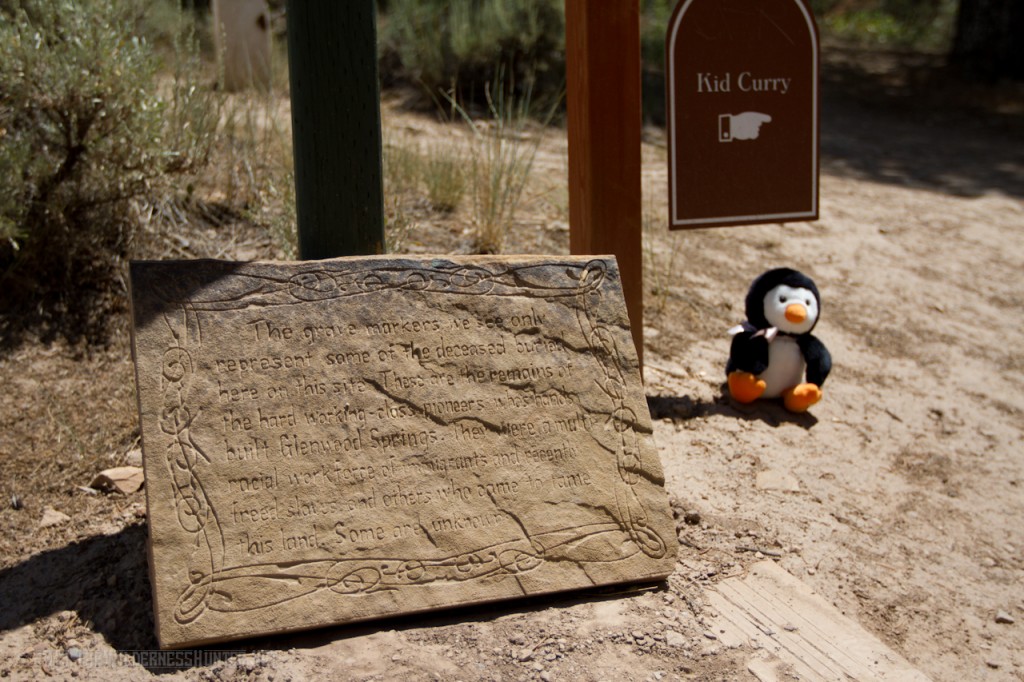
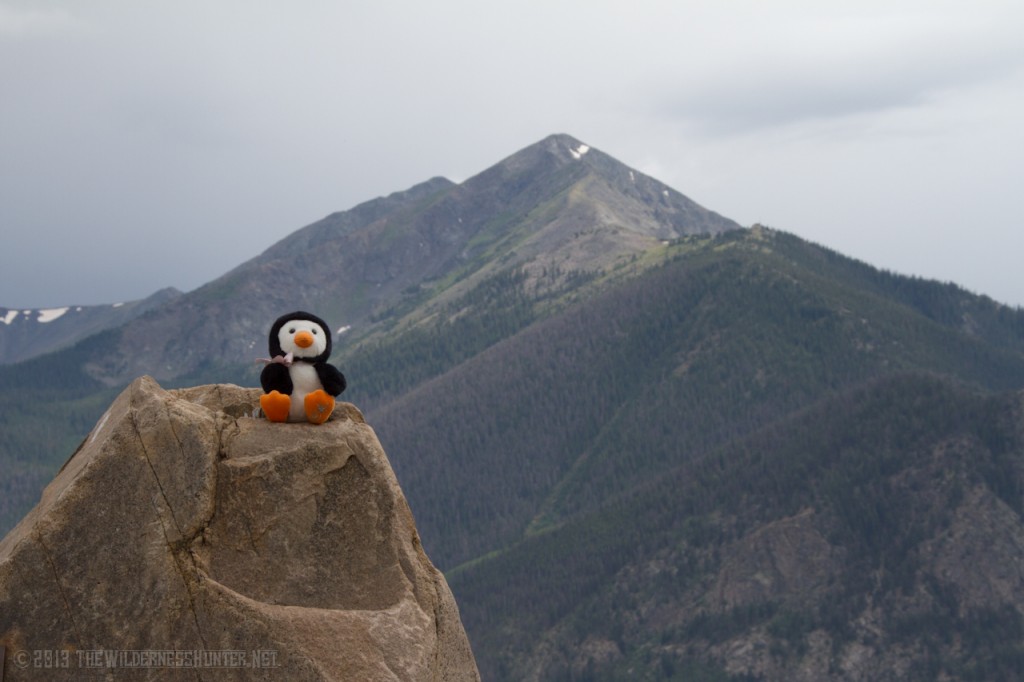
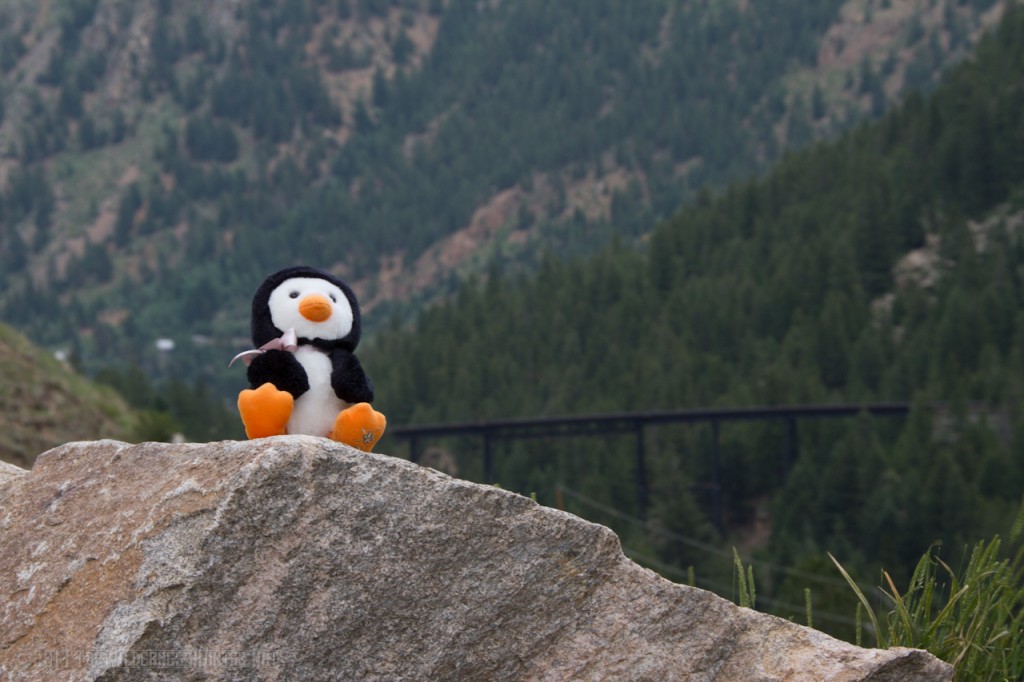
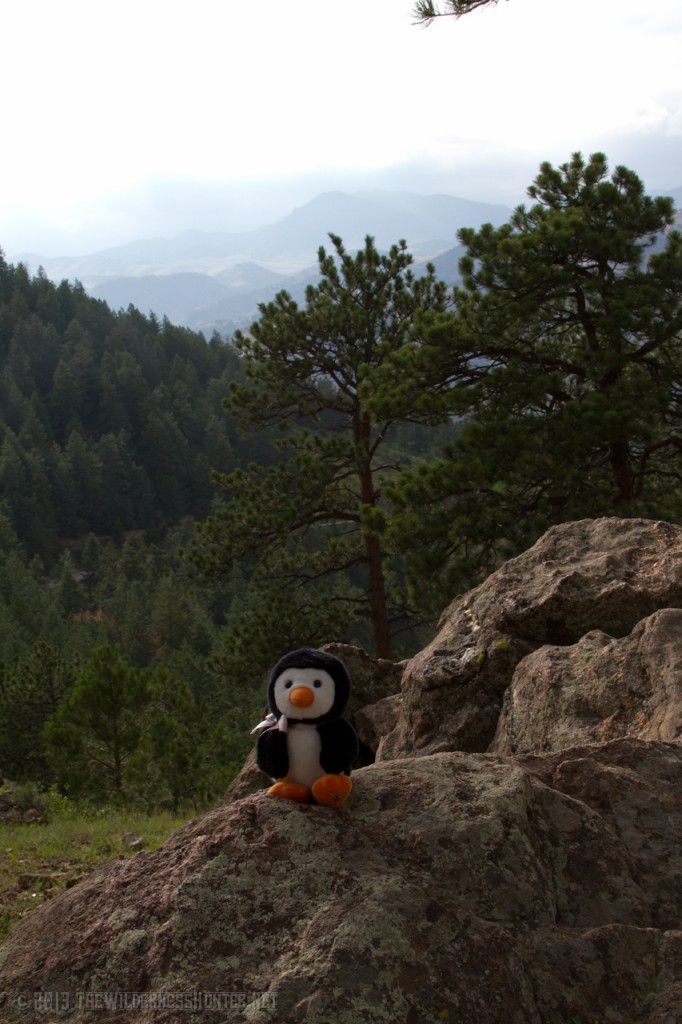
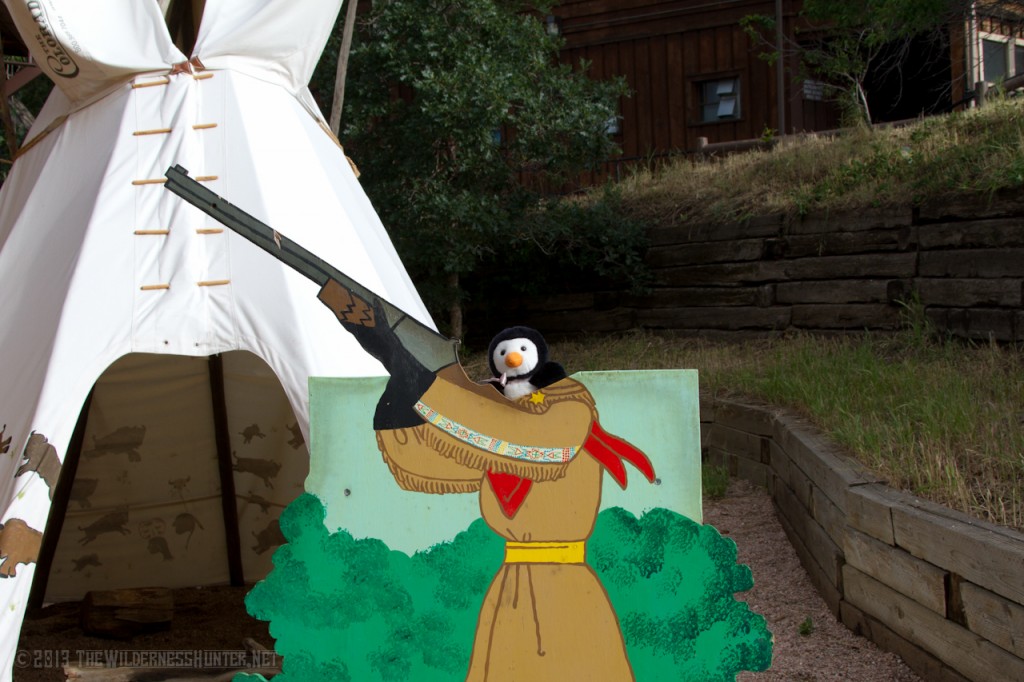
We had both spent plenty of time in Glenwood Springs over the years, swimming in the hot springs pool, meditating in the vapor caves, et cetera, but never had the occasion to walk around much. There are plenty of attractions in the town to distract a couple of stranded travelers. The Colorado Hotel built in the 1890’s, the Hot Springs Pool built around the same time filled with the natural hot mineral springs the town gets its name from, the Yampah Spa and Vapor Caves, under ground caves that fill with therapeutic steam from the same hot springs, Doc Holliday’s grave up on the hill side south east of town. All I can say is that I was glad we didn’t breakdown some place boring. We took full advantage of all these distractions while I formulated a fix for the radiator. It actually became an adventure in itself, and we were having a great time! We began to realize that sometimes we take things for granted just because they are close or familiar. Growing up in Colorado and swimming at the hot springs pool innumerable times, I had never seen Doc Holliday’s grave, didn’t know there was a small frontier museum in an old house in downtown Glenwood, and that walking around downtown was kind of fun in itself! We had with us a small stuffed penguin we found on a hike a few years ago. We call him Hugsy, and started placing him in spots we visited and taking some pictures, and it became quite the game. We perused the gift shops and laugh at the T-shirts and other things that touted “5,761 feet elevation” as something special; at home we are at 5,420′. Then realized that we were in a town that subsisted now on tourism, rather than the railroad junction that created it. Never the less, it is the duty of the locals to trivialize what is extraordinary to visitors, and we did so with amusement. We were making lemonade out of lemons, and decided to stay another night and patch up the radiator in the morning.
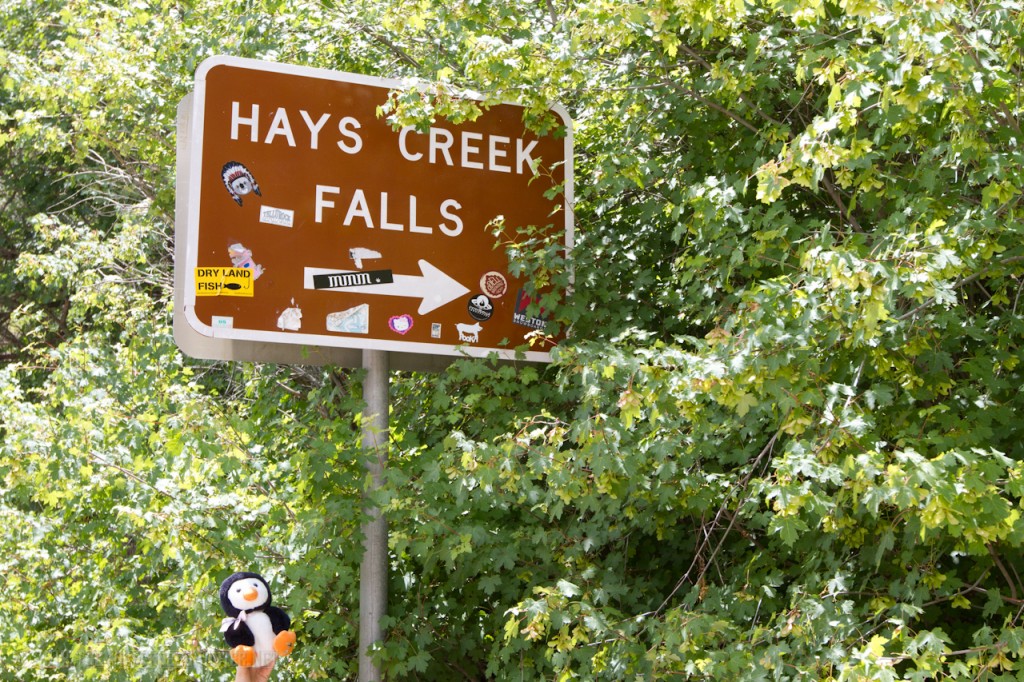
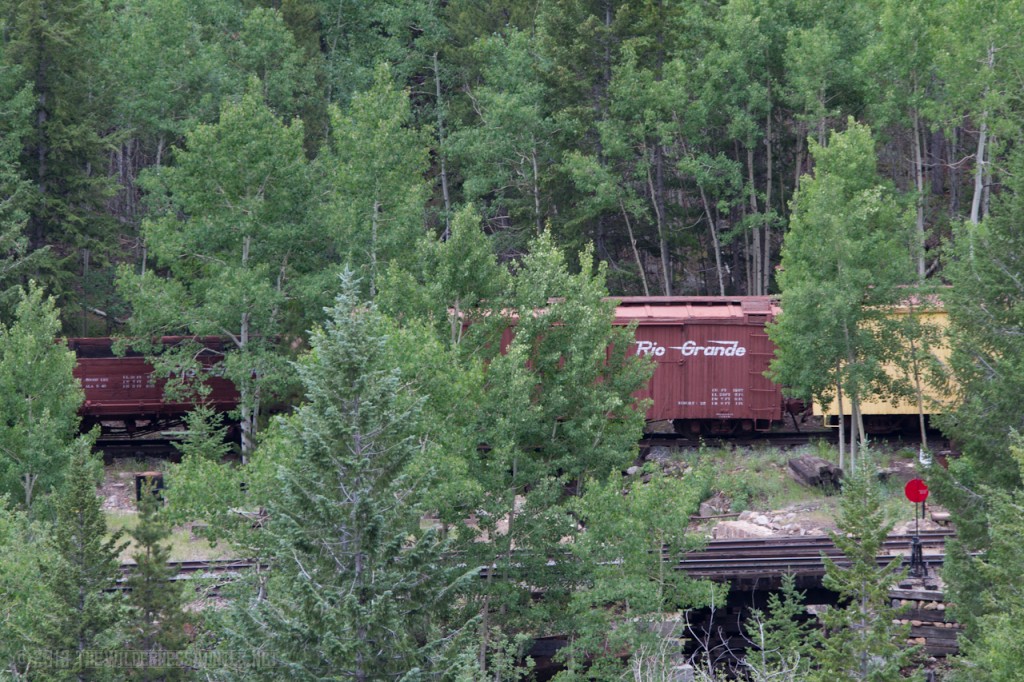
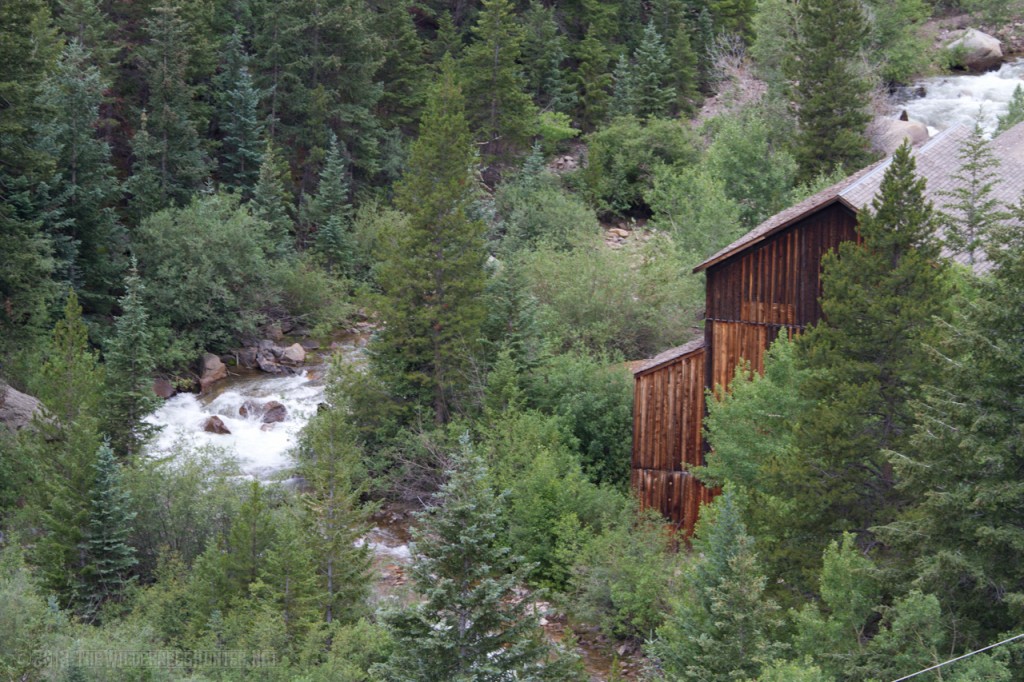
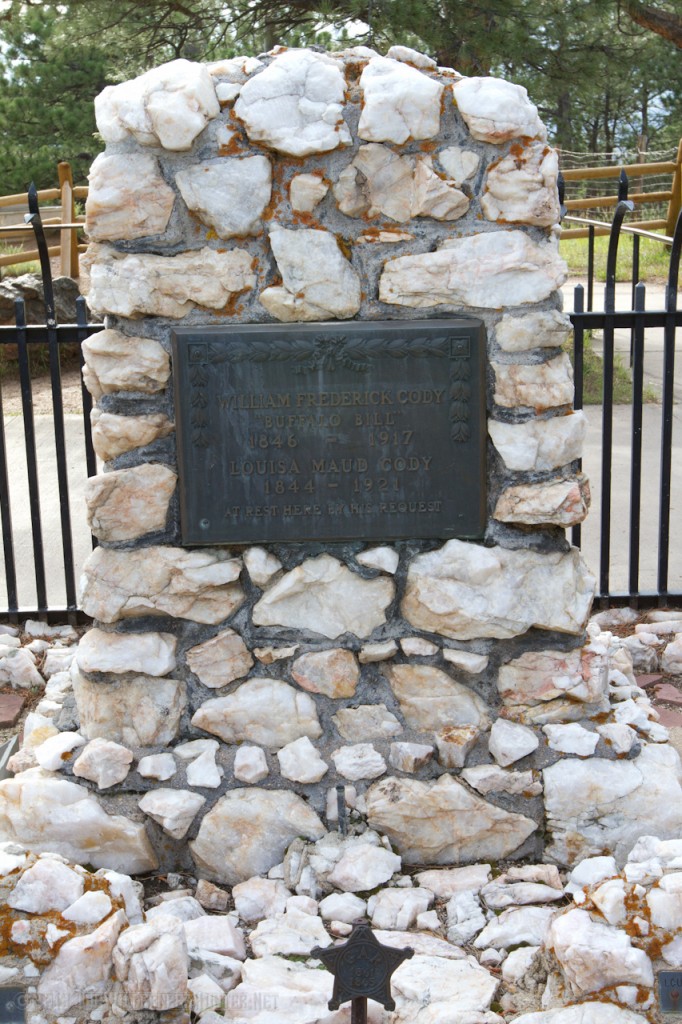
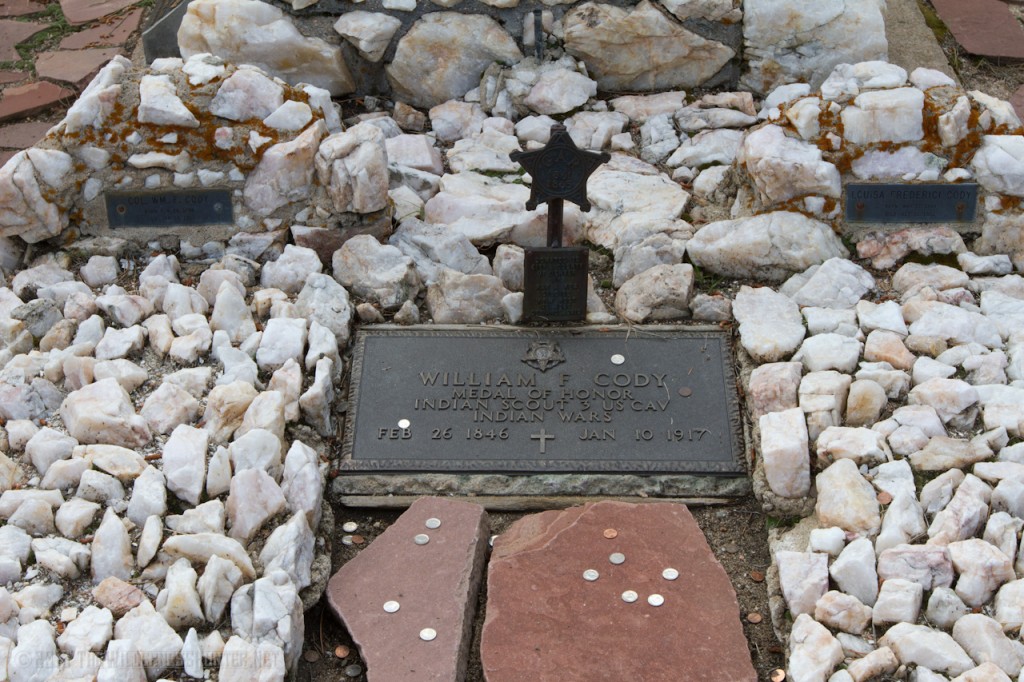
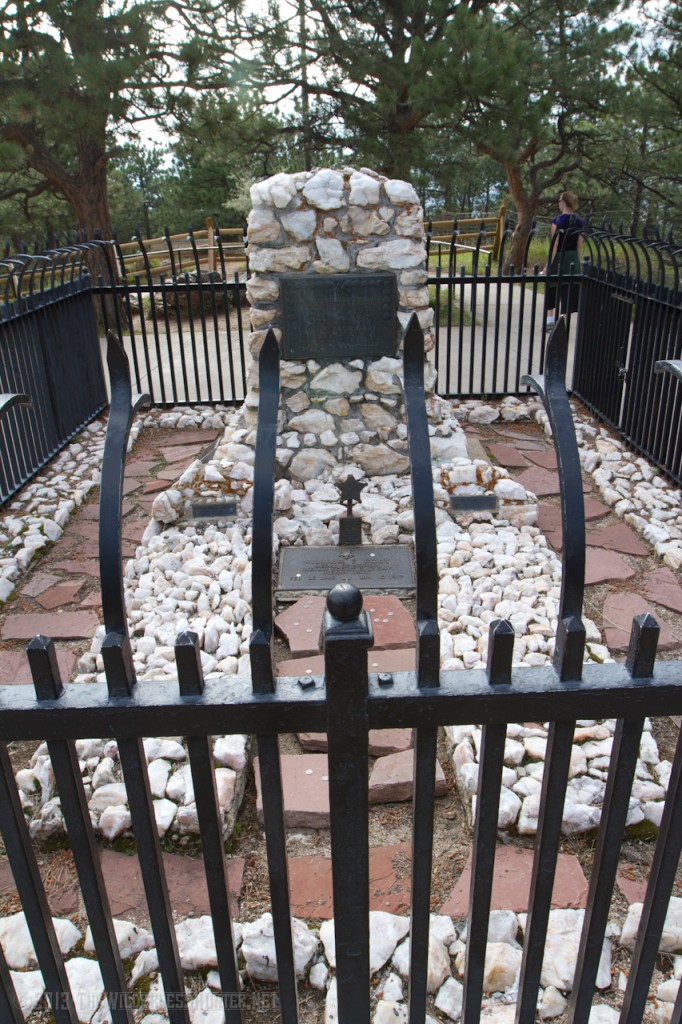
When morning came, we went to the auto store and bought some patch putty and some tools, and I pulled the truck under a tree in the hotel parking lot and began to remove the radiator so I could find the troublesome leak and plug it. I was missing a large crescent wrench (since I can fix most anything with WD40 and a crescent wrench), when I caught the maintenance guy and asked if he might have one I could borrow. A nice guy name Cody said he would check, and brought us back a crescent wrench and some paper towels, and took an interest in what I was doing. He was a great help and left us a small gift in our room that meant a lot to us, and his help was immensely appreciated. With the leak fixed, and proper coolant in the radiator, we decided to meander our way home, continuing the adventure by stopping at places along the way that we would have just driven by, and did so on many occasions. Took a detour south from Glenwood to stop at a little known spot called Hayes Creek Falls, which I had discovered by accident years before. Stopped at the top of Vail Pass to appreciate a cookie and some cool fresh air, stopped again at an overlook to admire Dillon reservoir and Peak One soaring above Frisco, pulled off to overlook the Georgetown Loop Railroad, and finally took a detour to see Buffalo Bill’s grave situated above Golden on Lookout Mountain. I’m a sucker for that kind of historical stuff, but yet another place I had not visited before. We finally arrived home tired and happy that we had fun even with the broken vehicle, and decided to continue our funtime the next day.
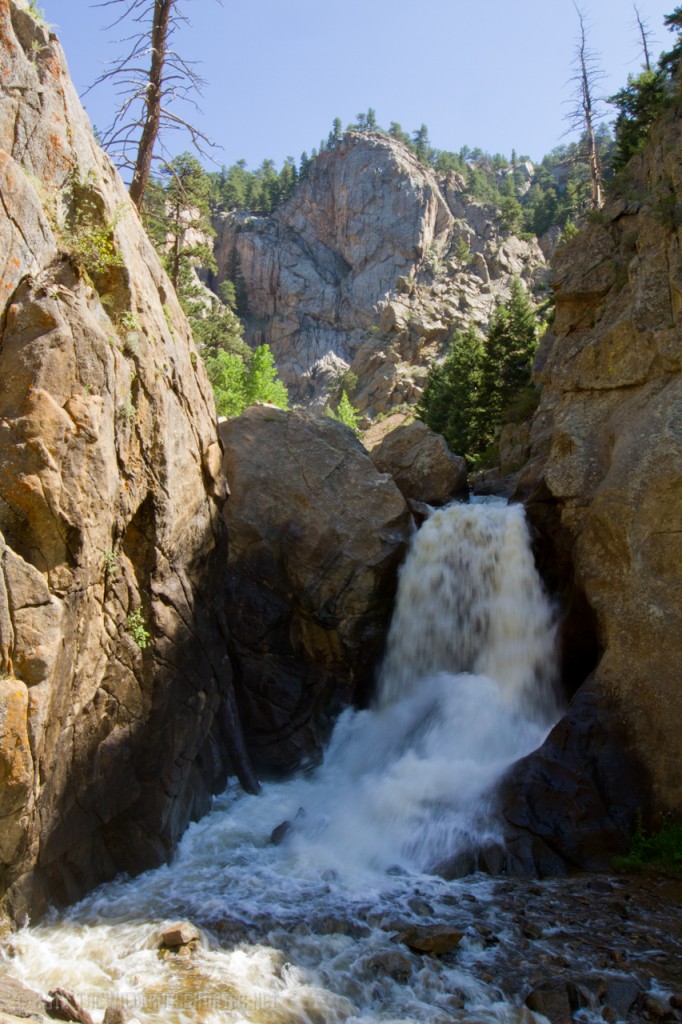
When we woke, I suggested we head north from home and visit Boulder Falls where North Boulder Creek spills through a short steep side canyon spilling into Boulder Creek, and then on to Estes Park for a relaxing day of togetherness in another mountain town. Boulder Falls was “closed” but that didn’t stop us, or many other people from ducking under the chain and walking up to see the falls anyway. With the recent rain the falls were roaring, though water falls in Colorado are relatively short, they are still impressive during runoff in the spring and just after a good summer thunderstorm had rolled by. On the way up to Estes Park from Boulder, we took the scenic route through Allenspark. Writing this now though, most of the area has been devastated by the 100 year flood that swept through in September, and the roads we drove are closed as much of them have been washed into the canyons and creeks they follow. Overall it was the best detour that I have ever had to take, even though we didn’t get to the Grand Canyon. Besides, the canyon has been there millions of years, it will still be there next year!
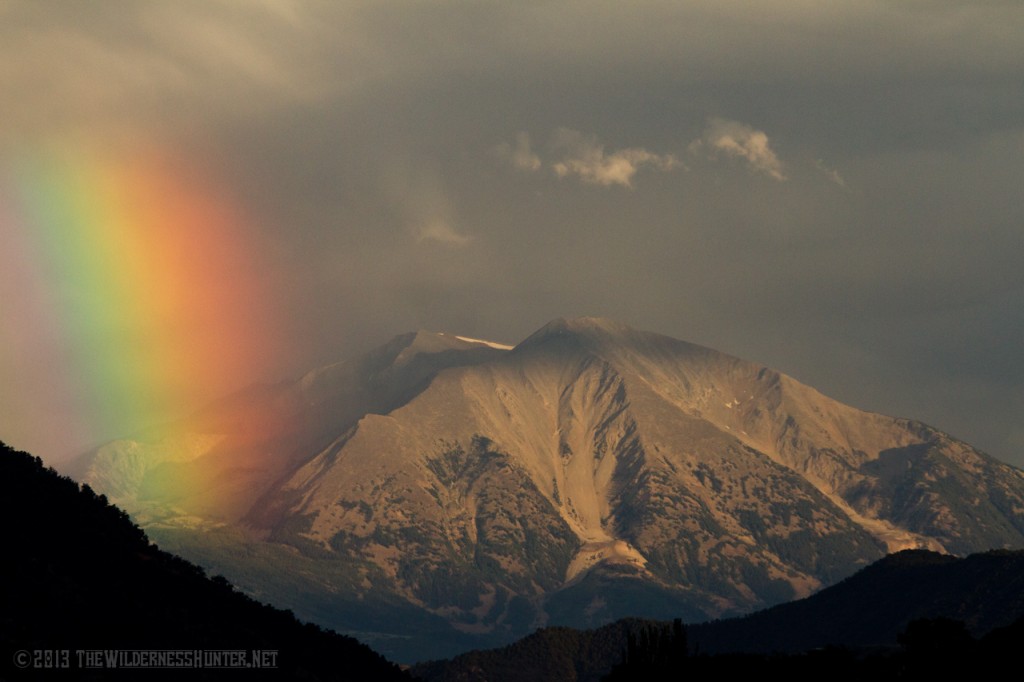
Mount Sopris rainbow
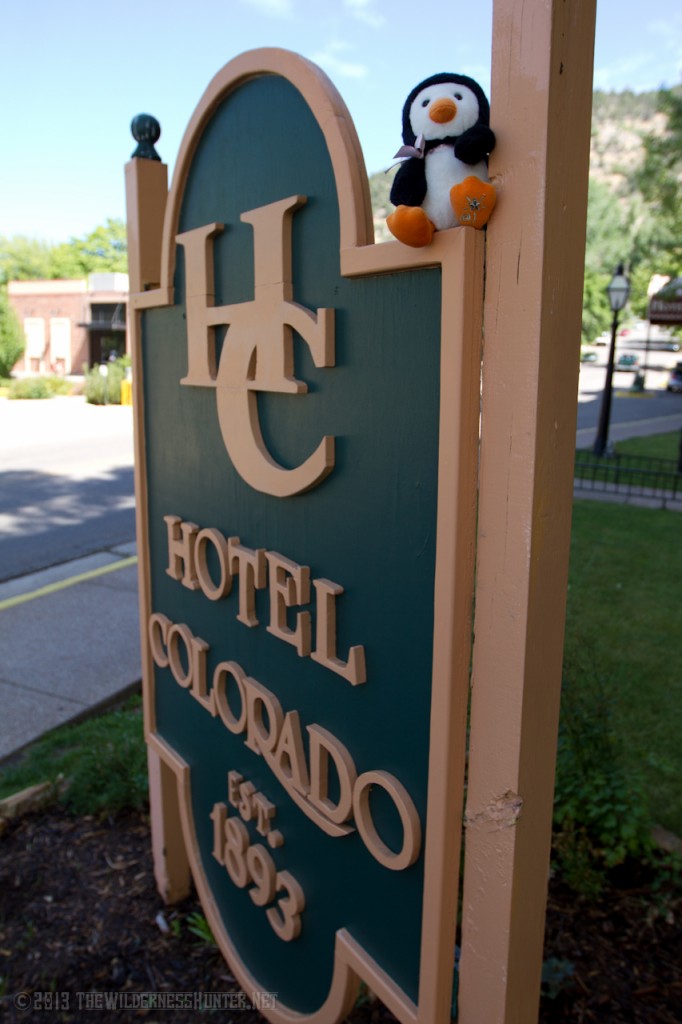
Hugsy in front of the Hotel Colorado
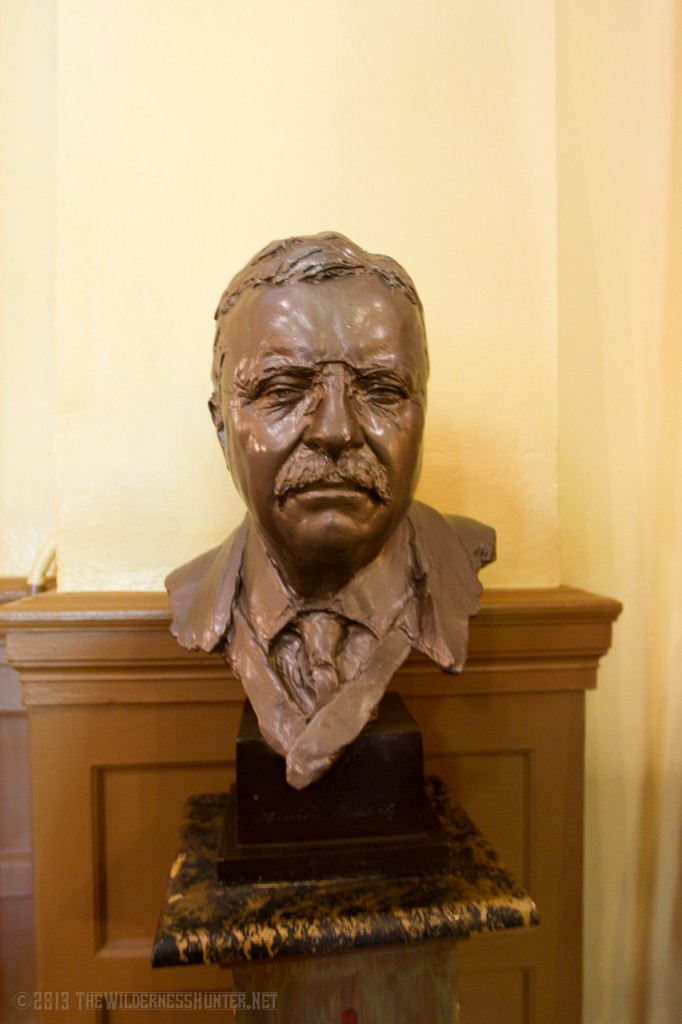
Teddy Roosevelt
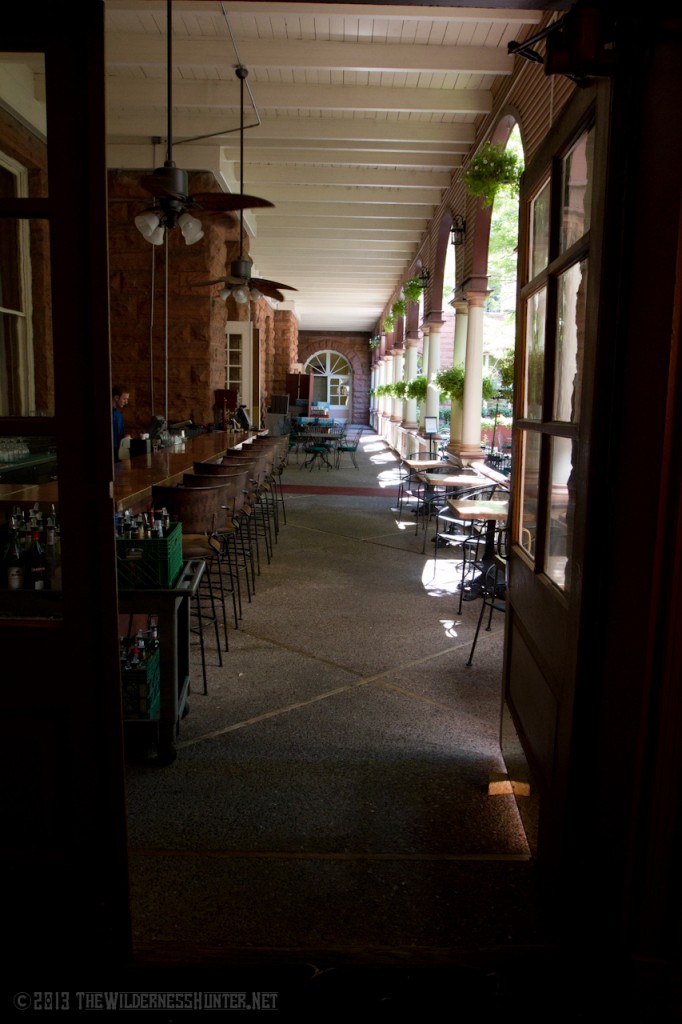
The bar on the patio of the Hotel Colorado
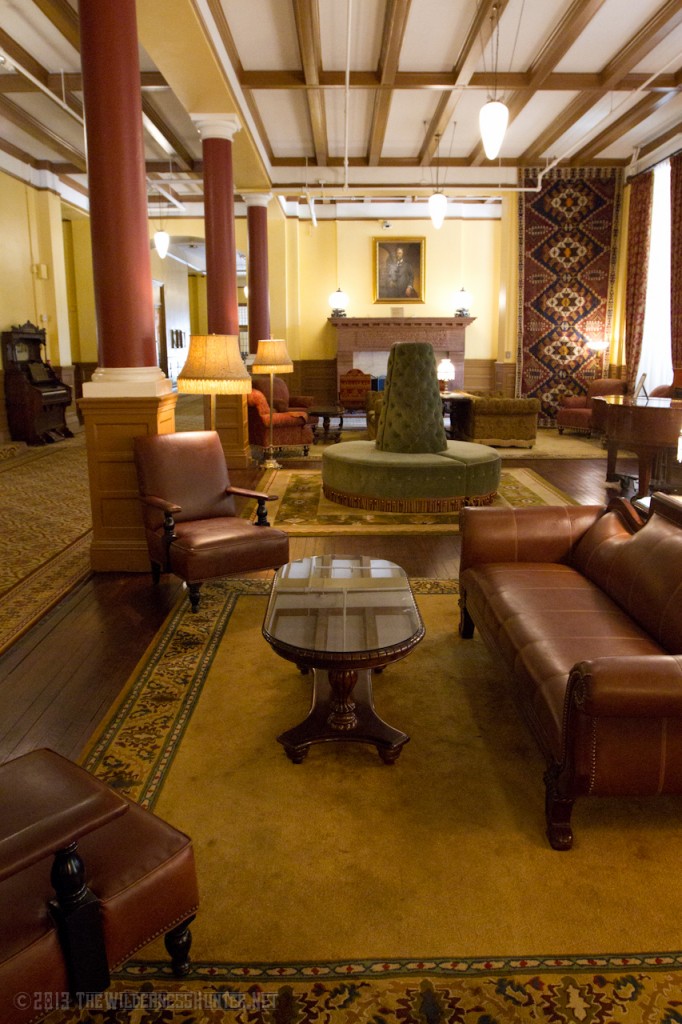
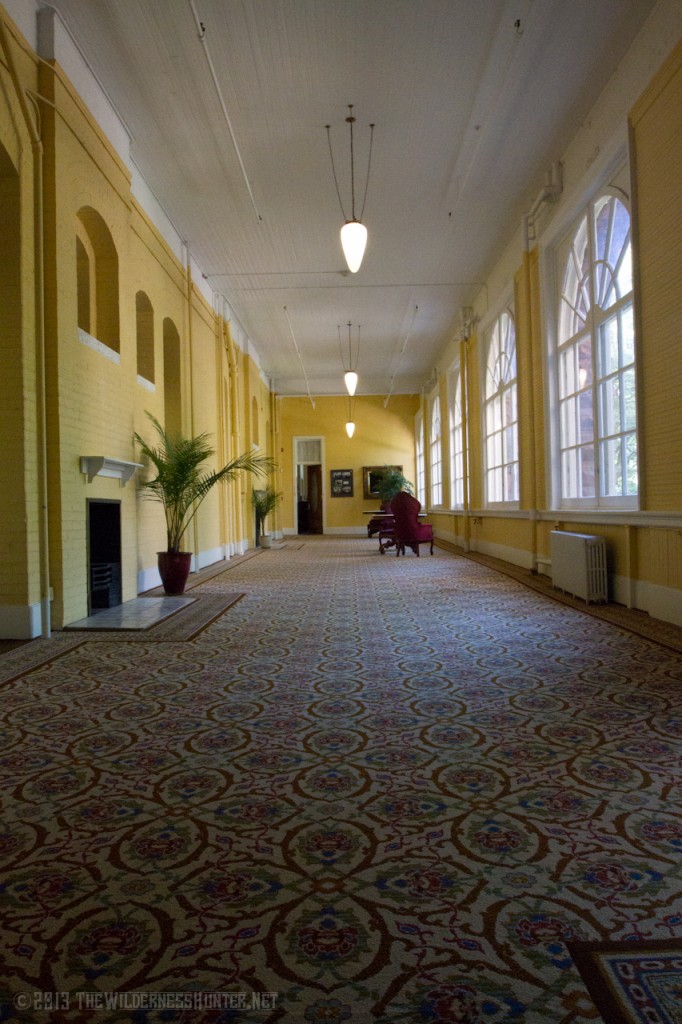
The main lobby of the Hotel Colorado with its period furniture.
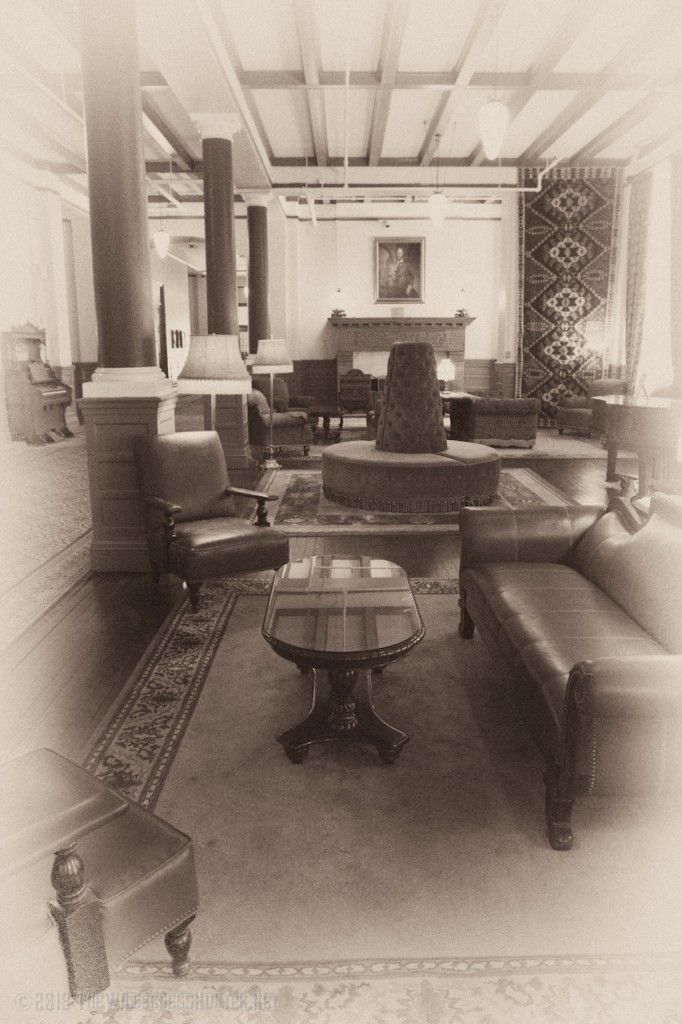
The same photo antiqued for an historical feel.
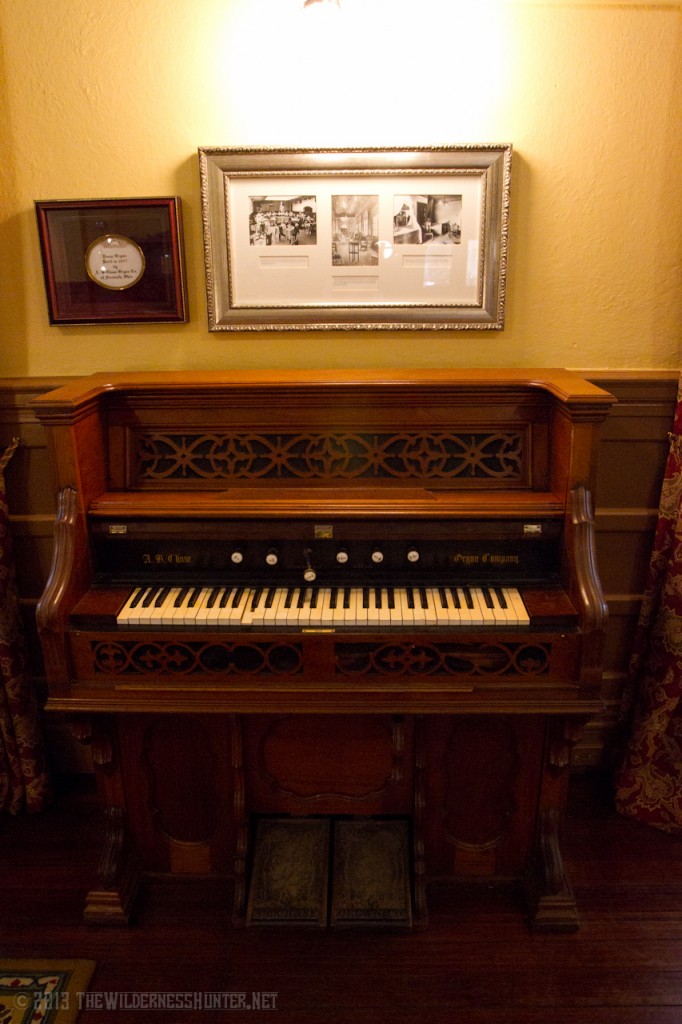
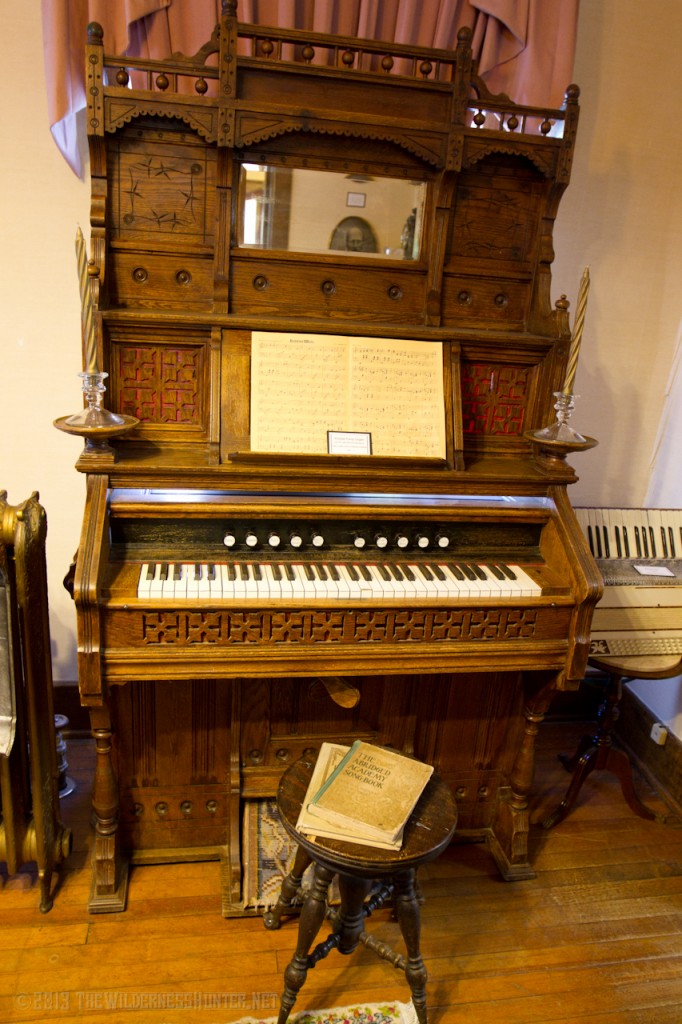
My Grandma and Grandad had a foot pump organ like this when I was a kid.
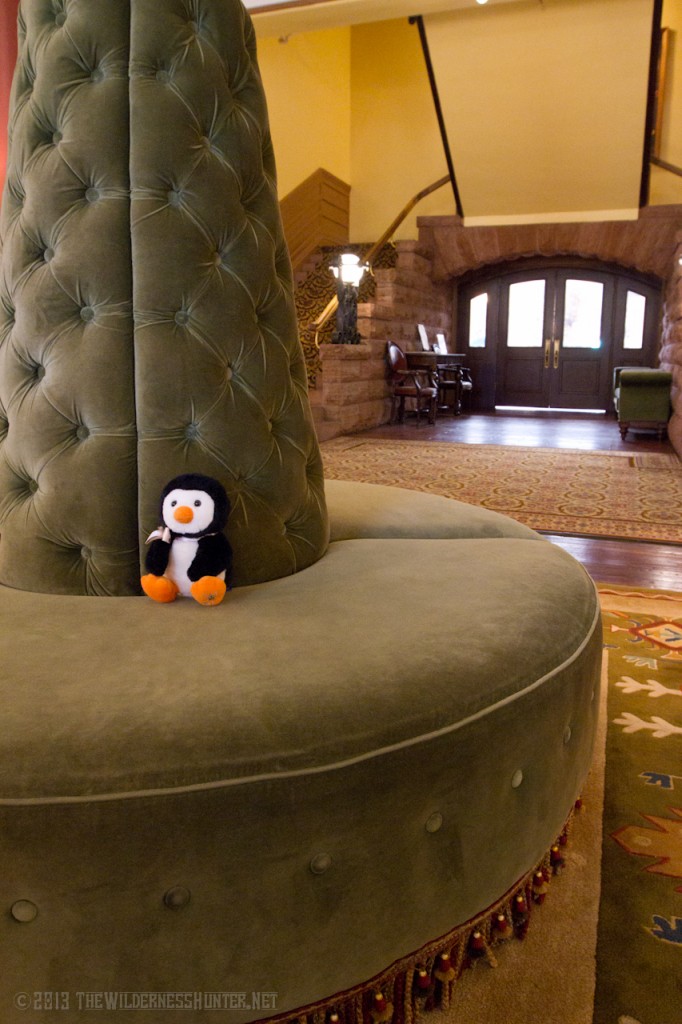
Hugsy relaxing in the lobby of the Hotel Colorado.
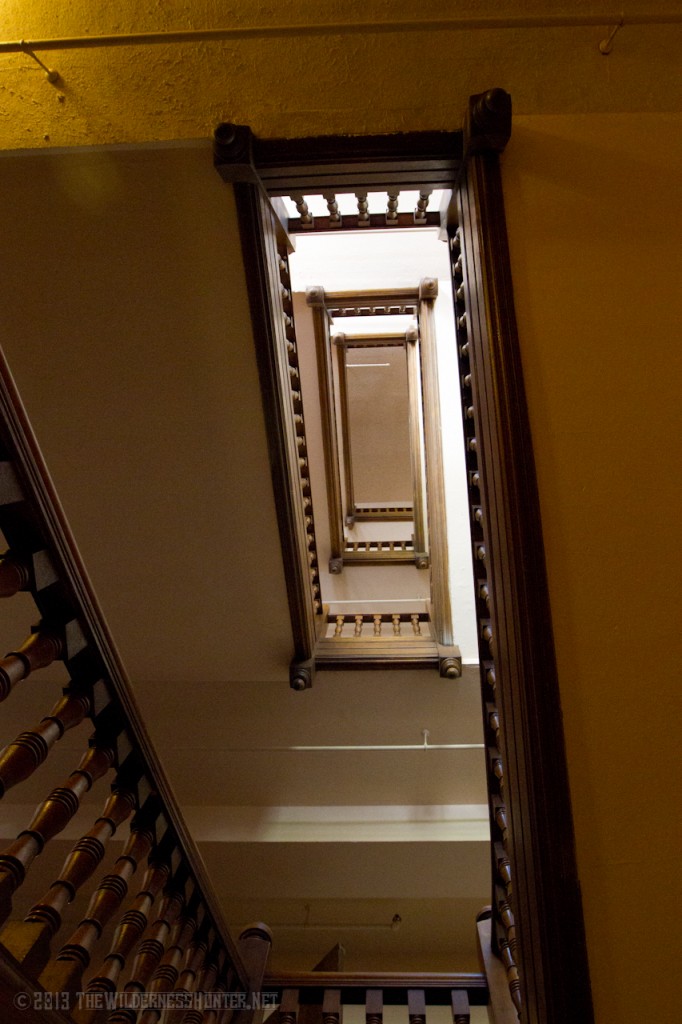
Up and up!
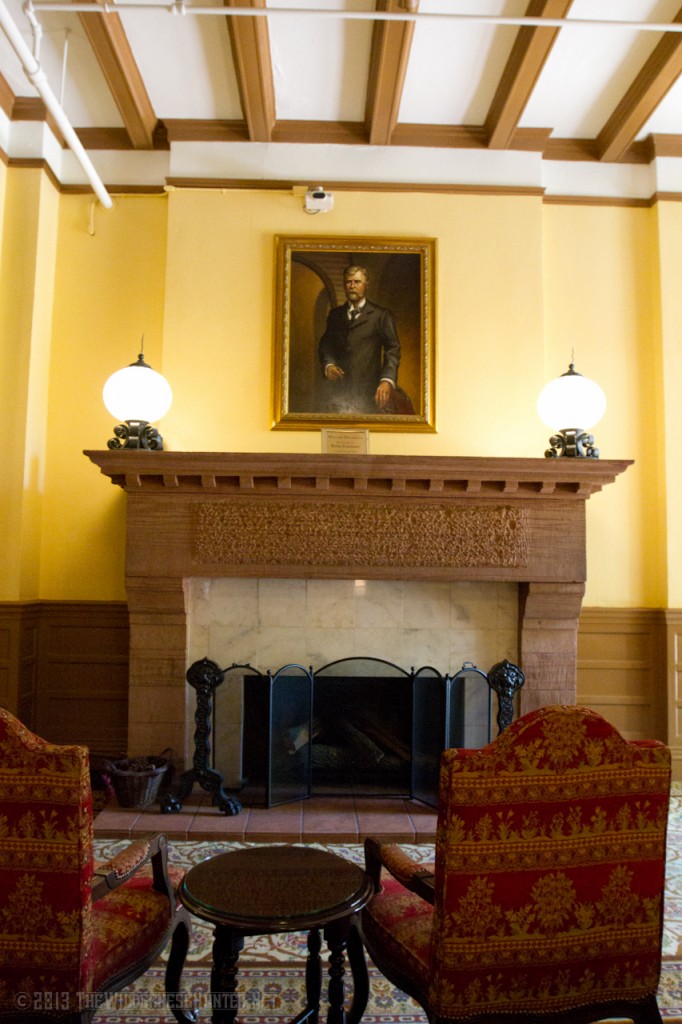
The lobby fireplace with a painting of Walter Deveraux, weathy banker that established the hotel.
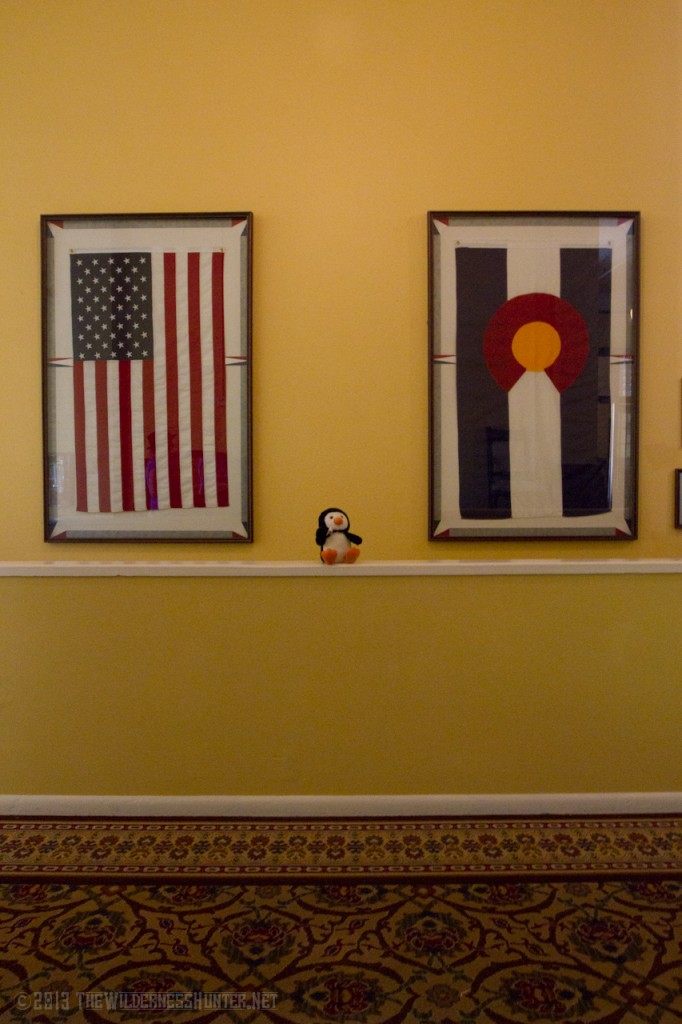
Husgy and the flags
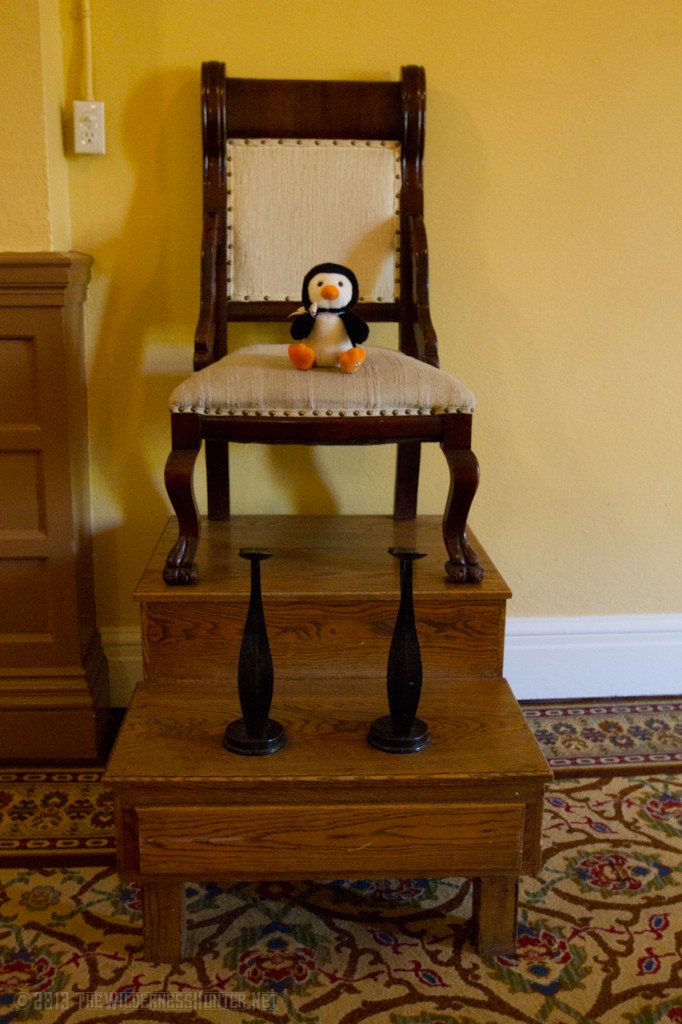
Hugsy getting his shoes shined.
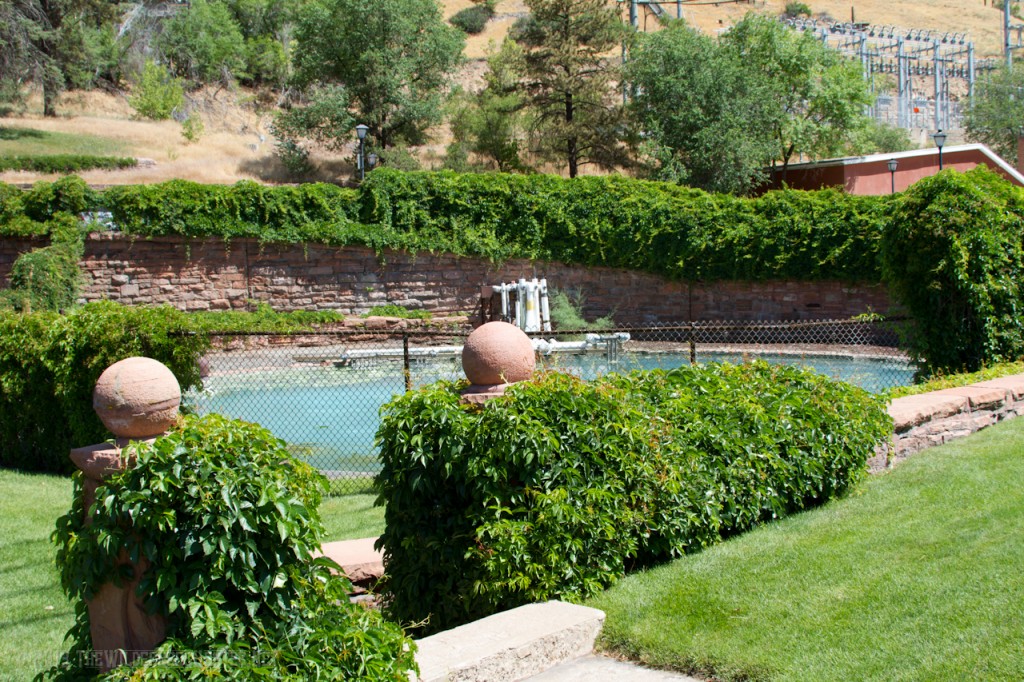
The original hot springs pool, with its distict sulphery smell.
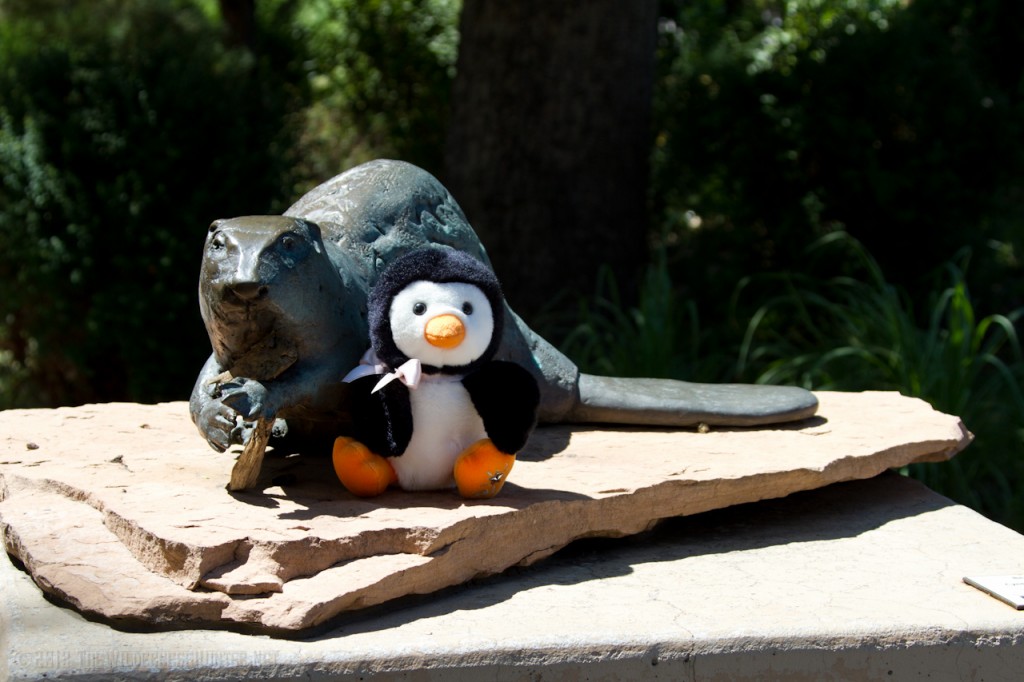
Hugsy and a bronze beaver.
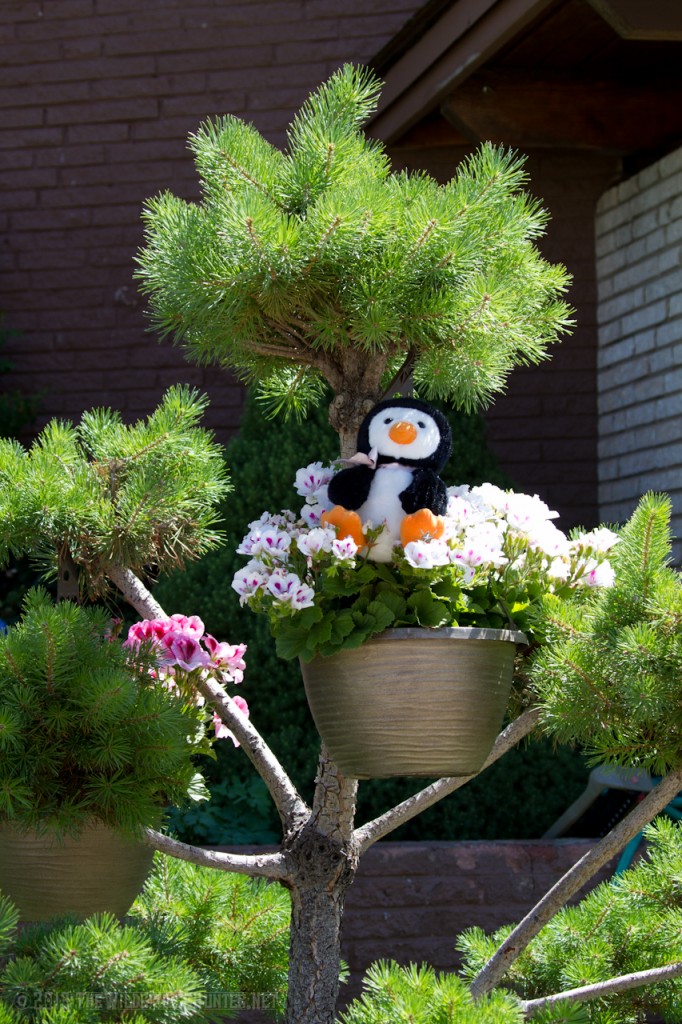
Hugsy hanging out.
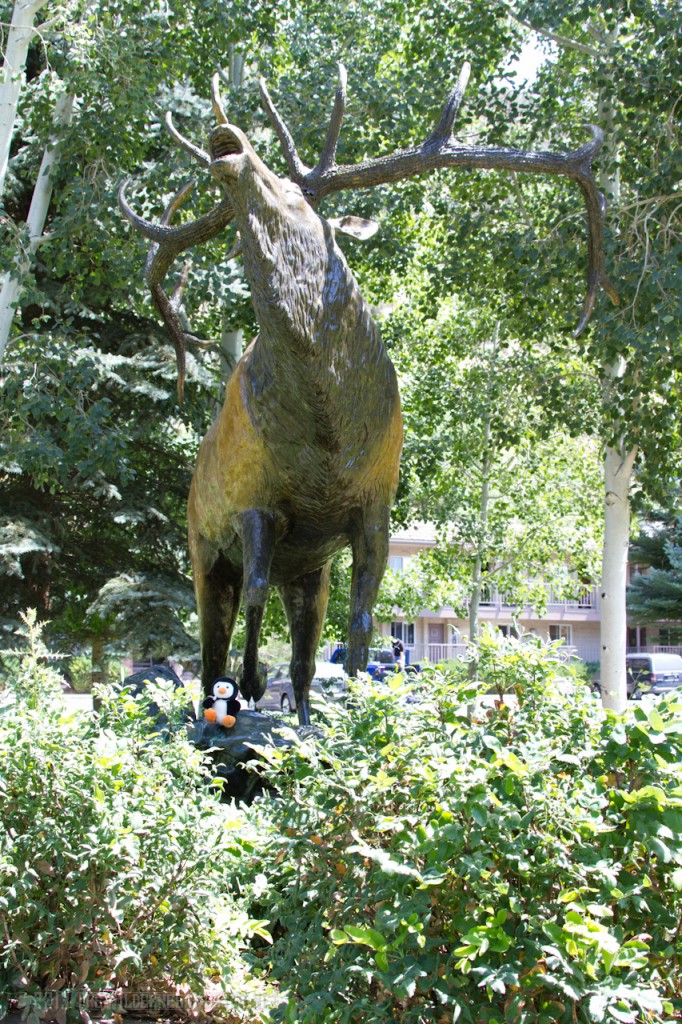
Hugsy and a bull in front of the Antlers hotel.
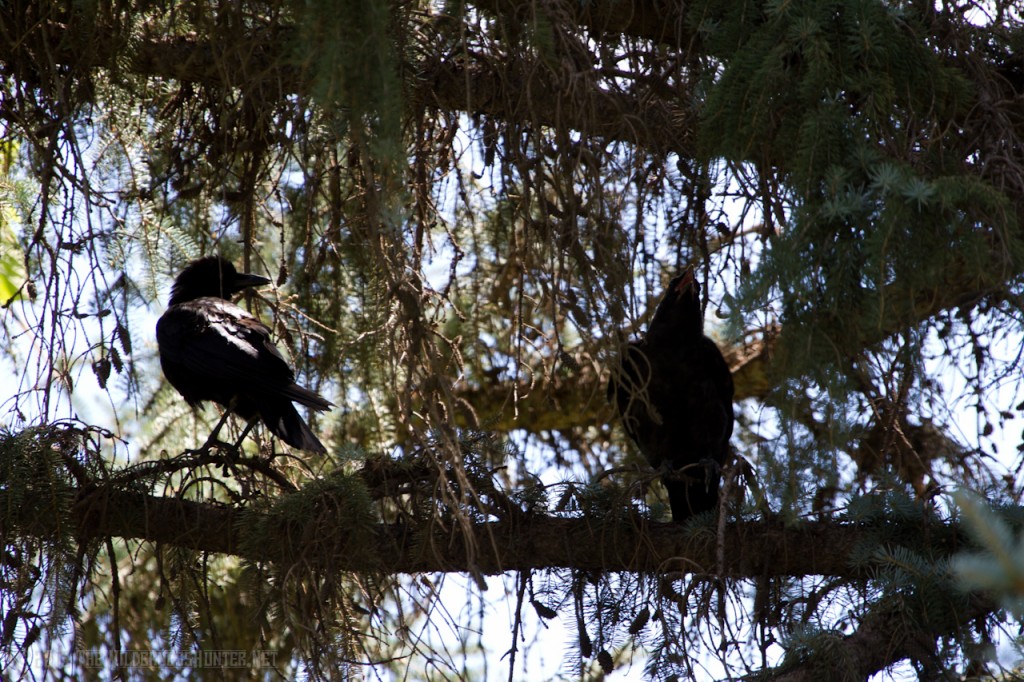
Huginn and Muginn watching us in Glenwood.
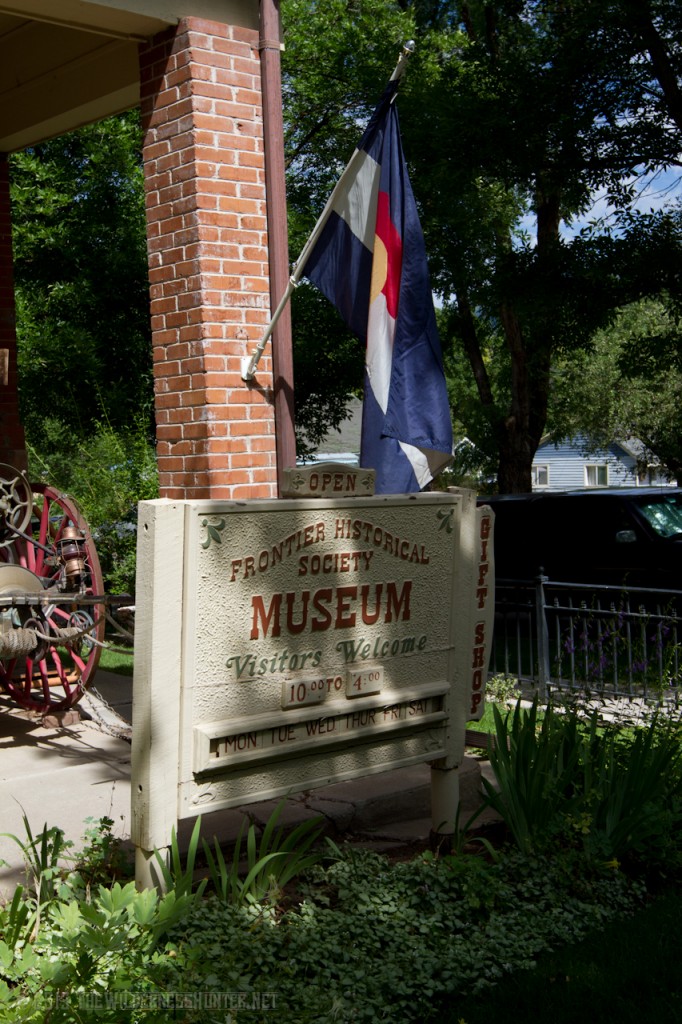
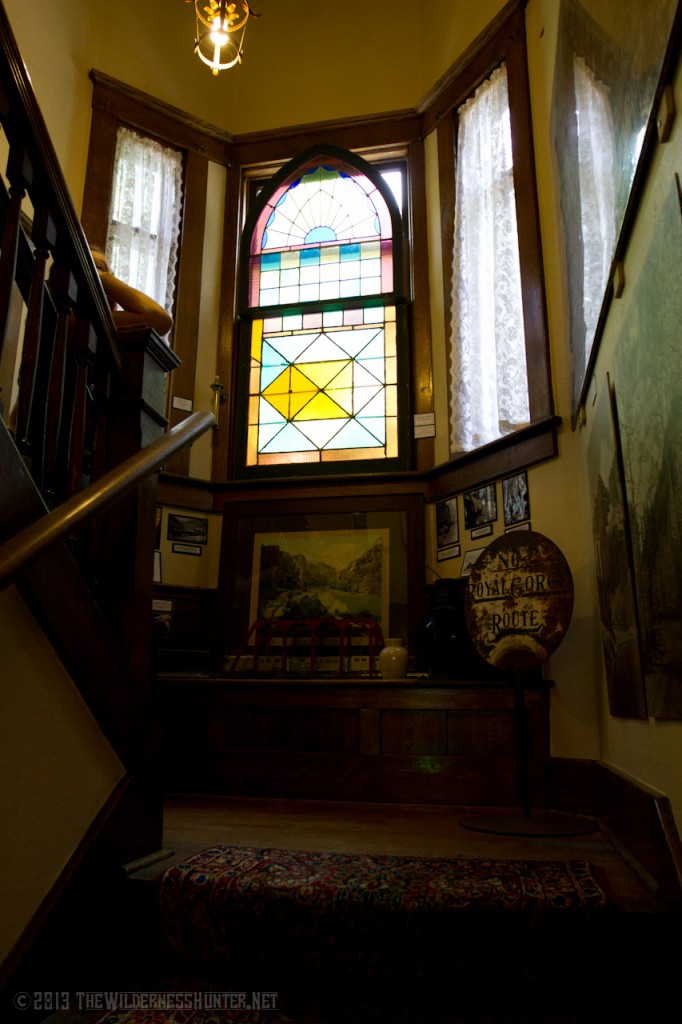
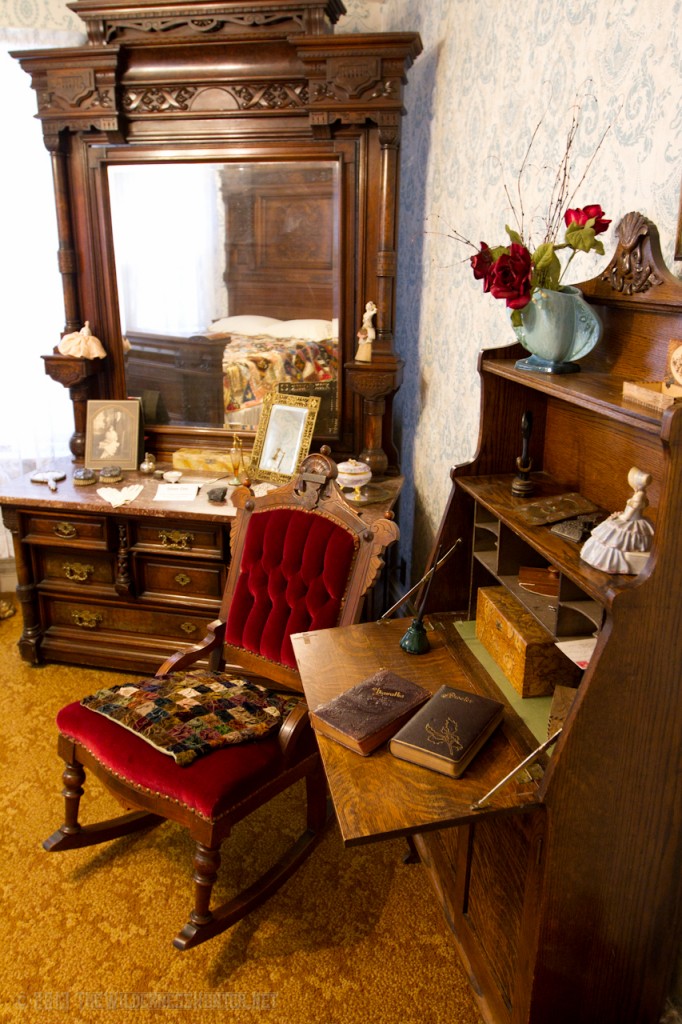
The Frontier Historical Society Museum in Glenwood Springs resides in a 100+ year old home in fantastic shape for its age.
Another pump organ
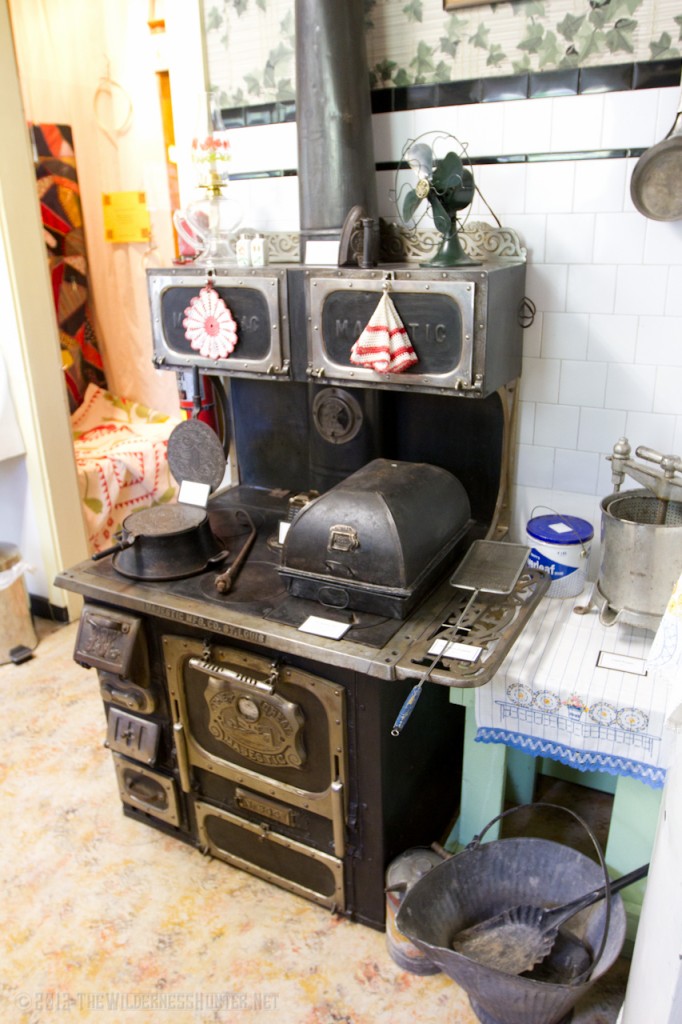
My great grandma had a wood buring cook stove like this.
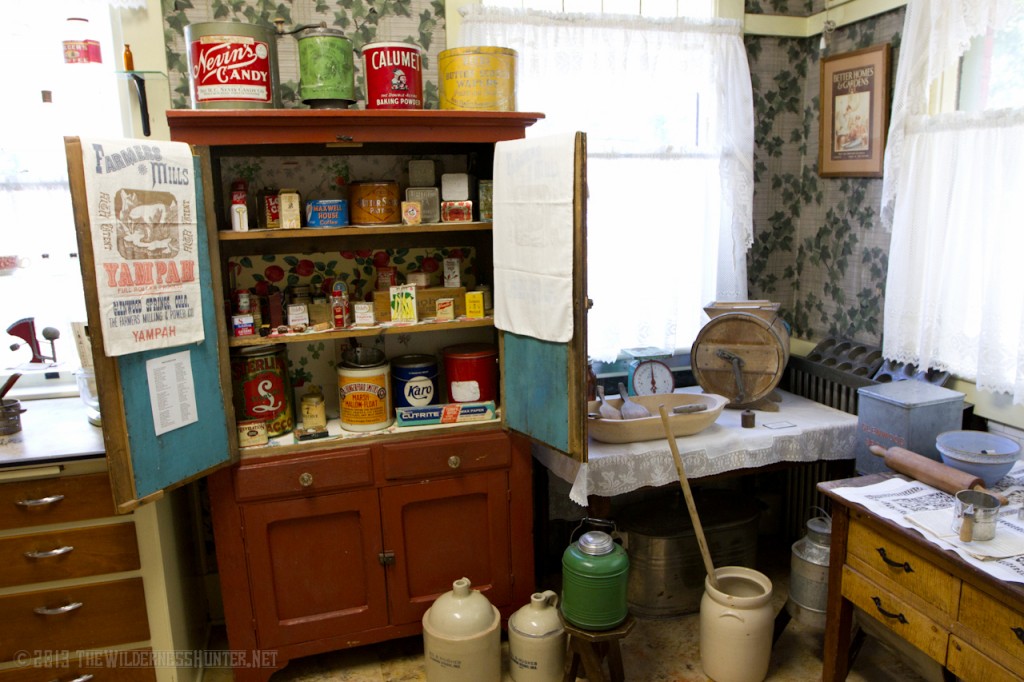
Kitchen Pantry cabinet.
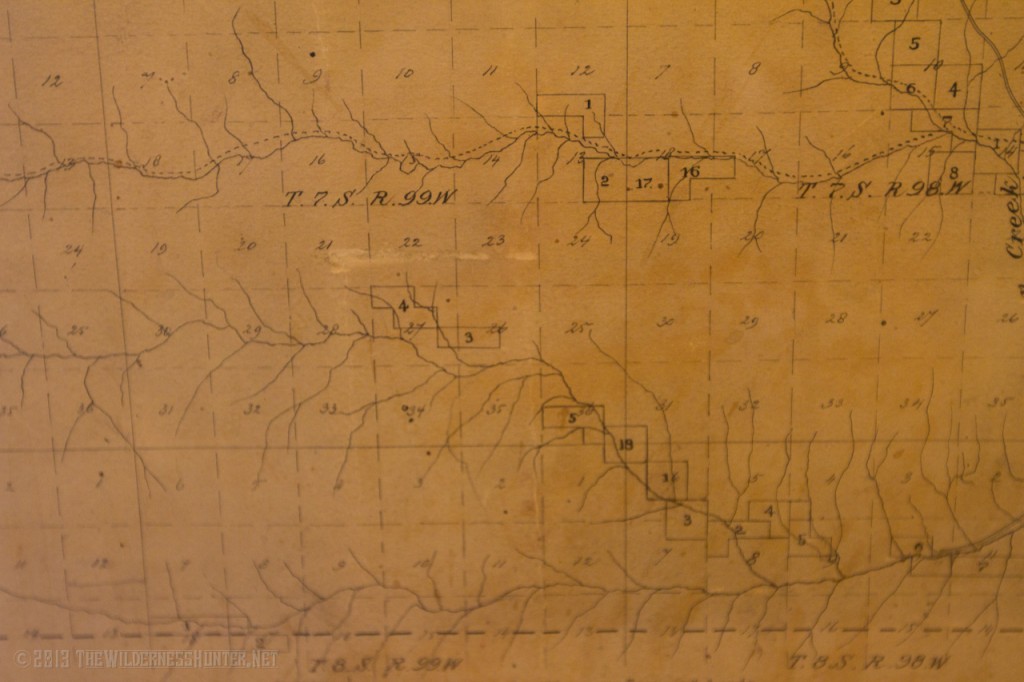
Hand drawn maps are amazing to me. This image is only a small part of a map about 4 feet by 8 feet.
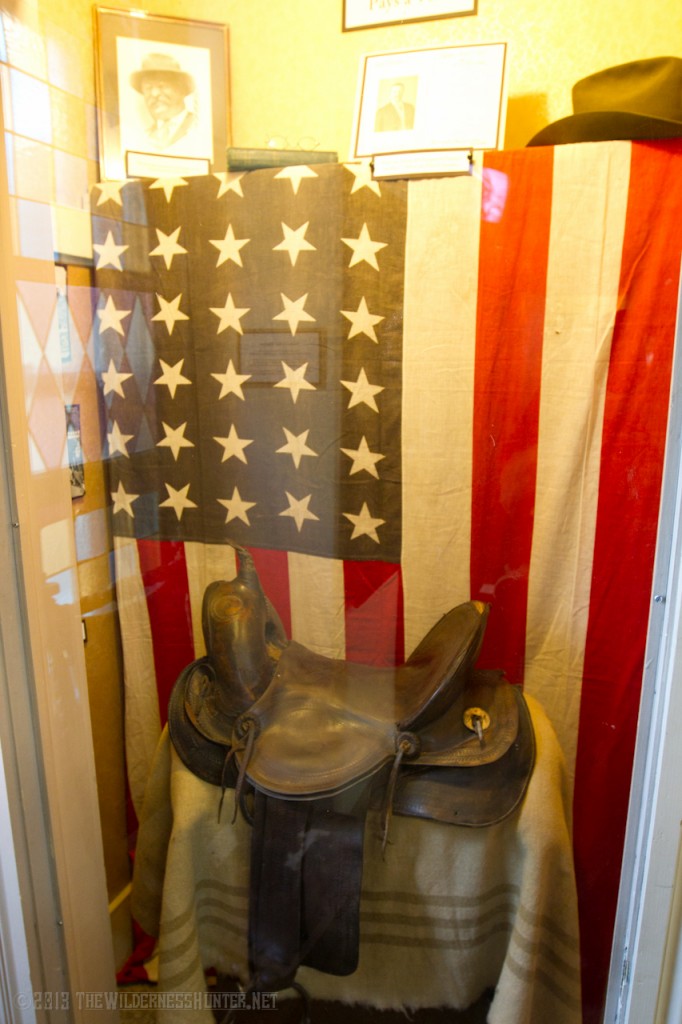
One of Teddy Roosevelts saddles.
Check out that keyboard layout.
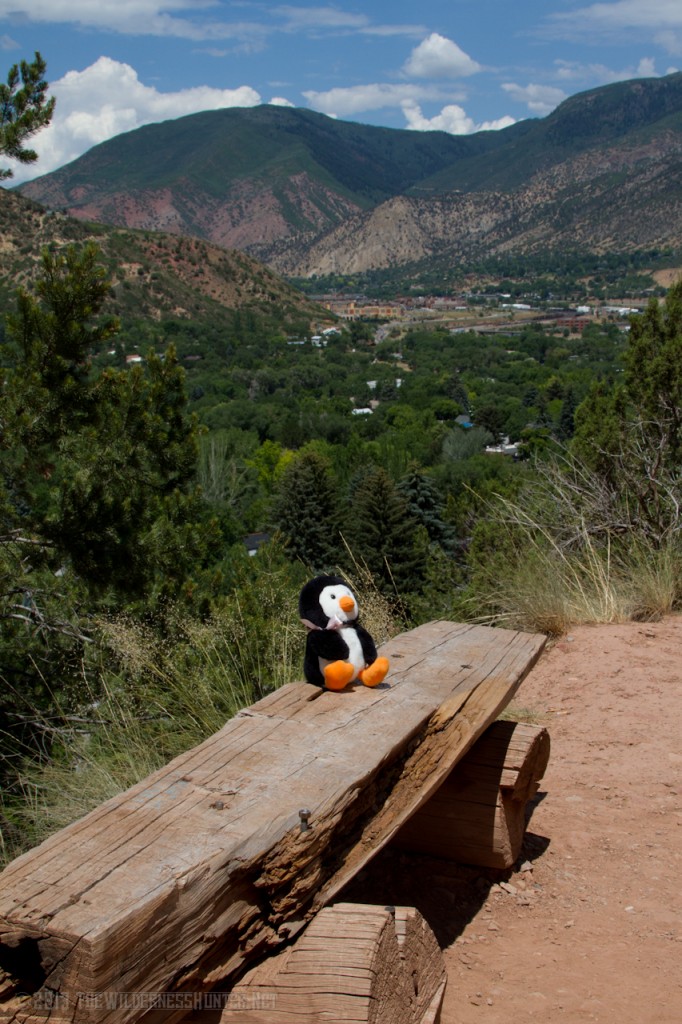
Hugsy resting on the way up to Doc Holliday's grave
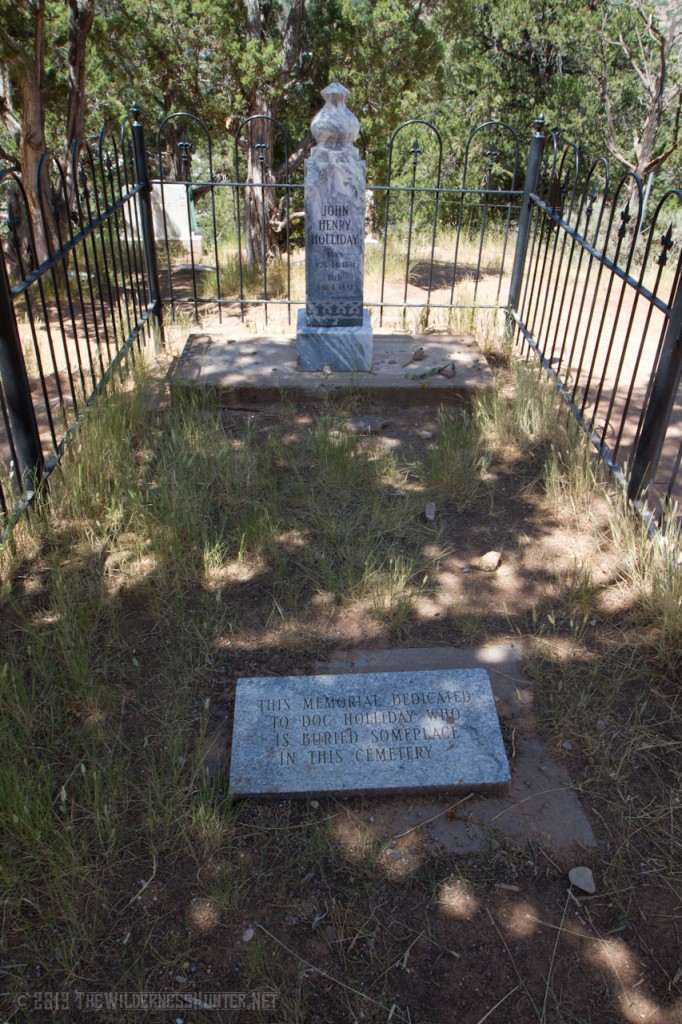
Doc Holliday's grave marker. This isn't the actual location of his grave, only a monument that says he's buried here somewhere.
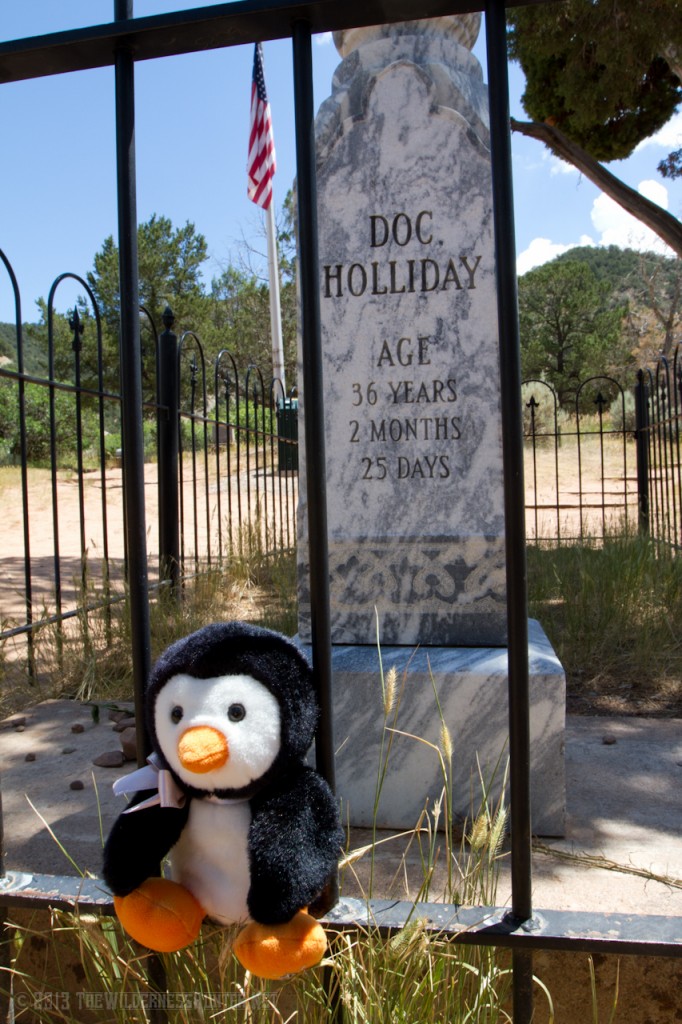
Husgy and Doc's grave marker.
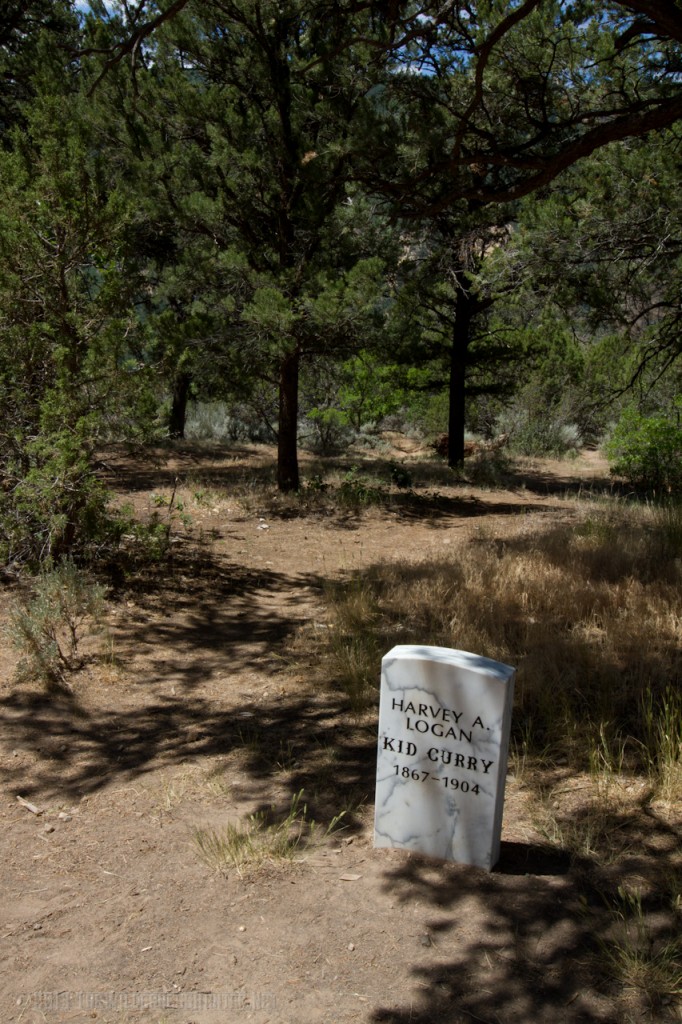
Kid Curry's actual grave.
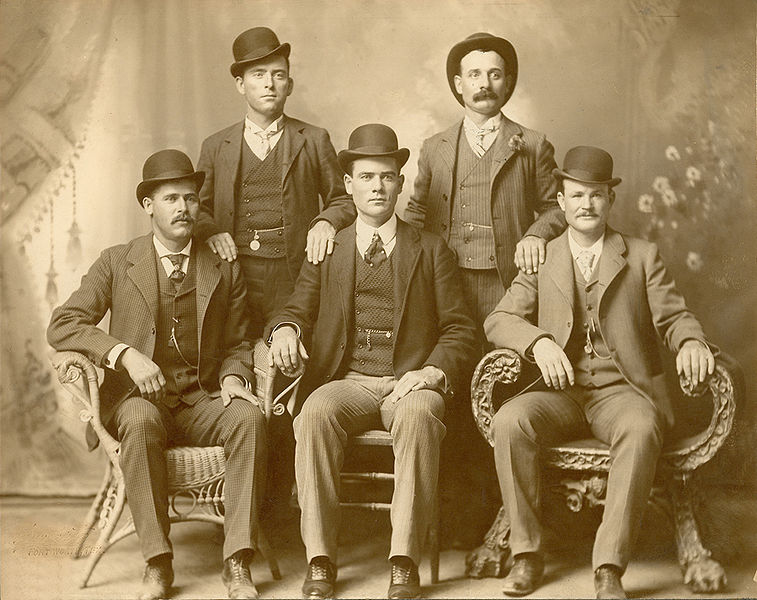
This image is known as the "Fort Worth Five Photograph." Front row left to right: Harry A. Longabaugh, alias the Sundance Kid, Ben Kilpatrick, alias the Tall Texan, Robert Leroy Parker, alias Butch Cassidy; Standing: Will Carver & Harvey Logan, alias Kid Curry; Fort Worth, Texas, 1900. (courtesy Wikimedia Commons)
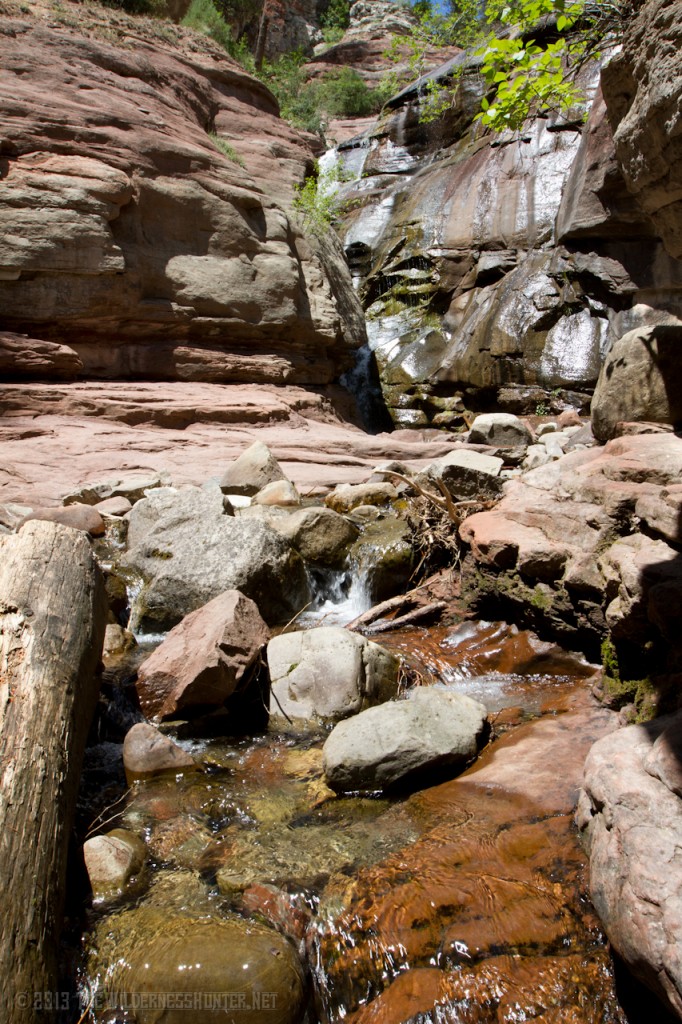
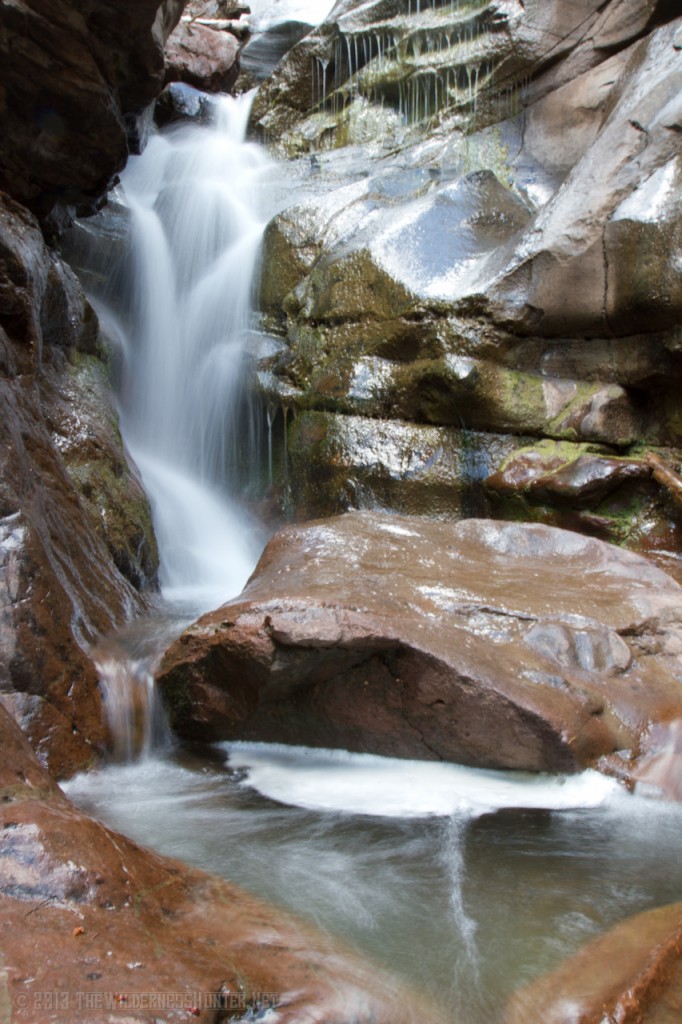
Hays Creek Falls
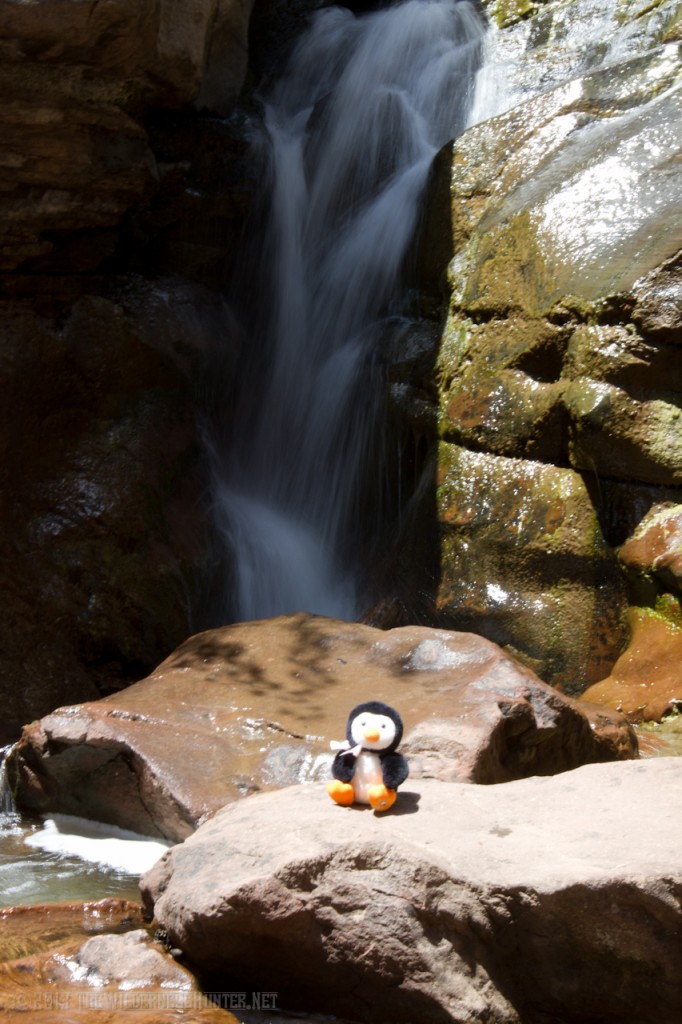
Hugsy and Hays Creek Falls
Chair Mountain.
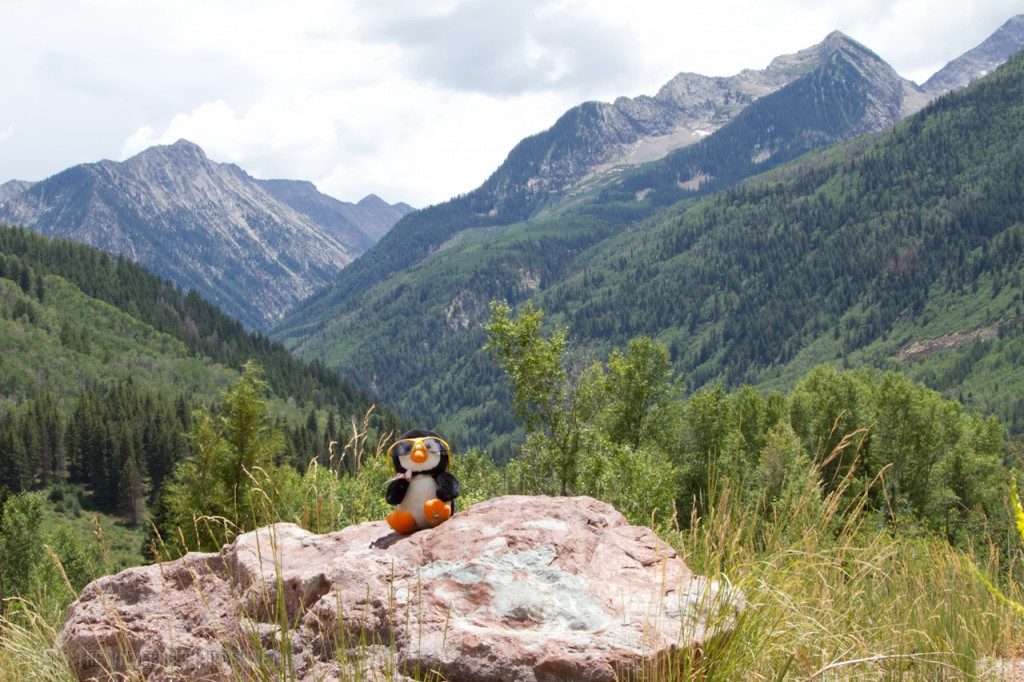
Hugsy getting some Colorado sunshine near Marble, CO
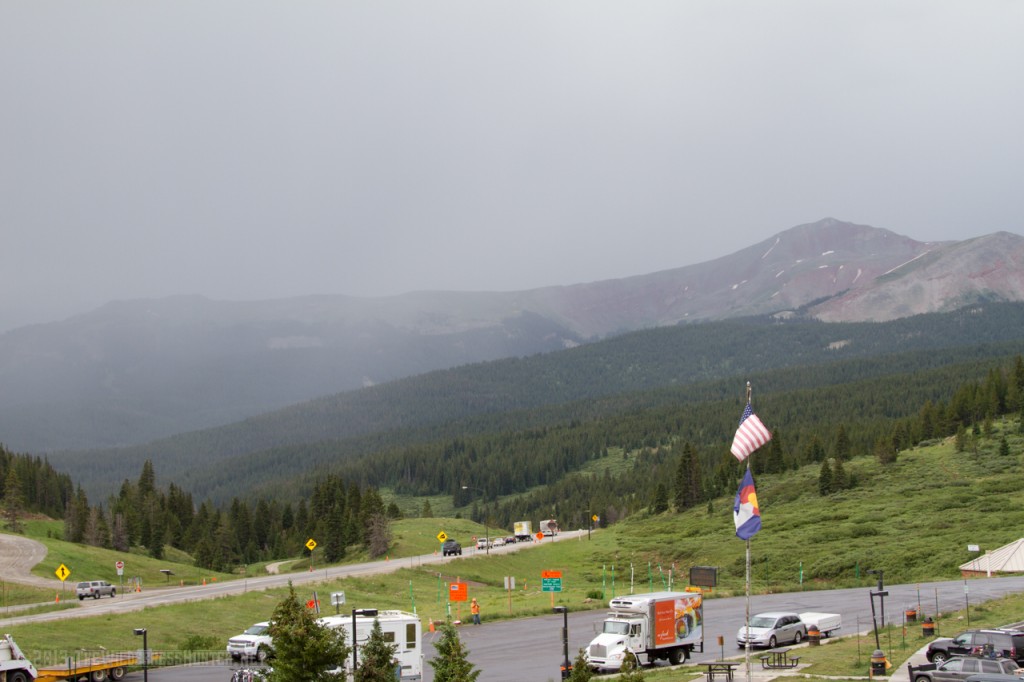
Vail Pass rest area looking east at the summer rain storm.
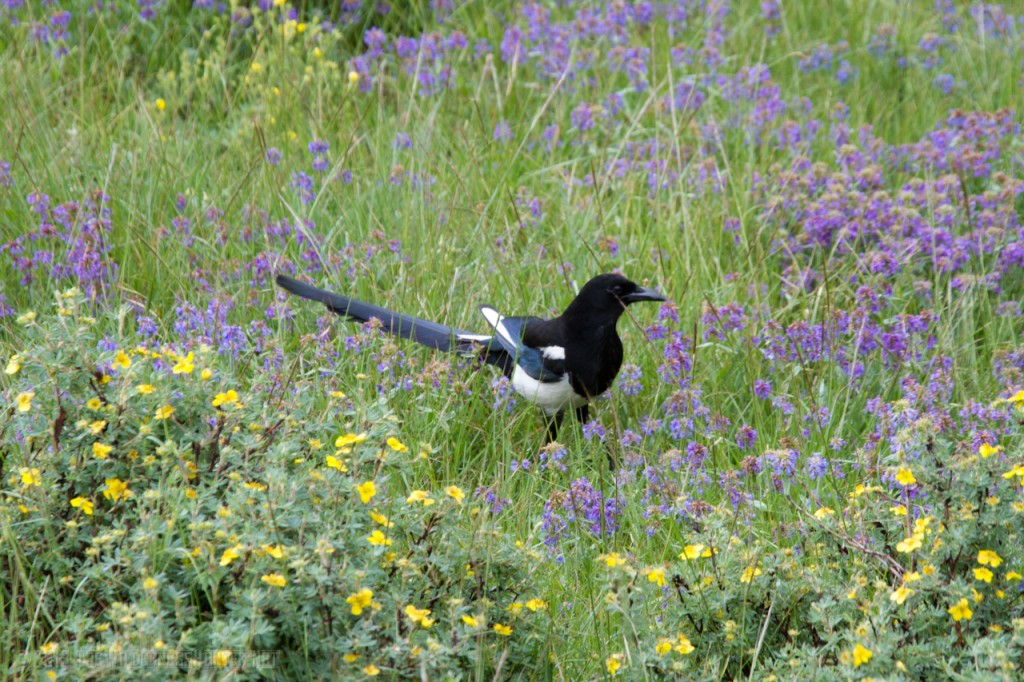
Magpie in the flowers on Vail Pass
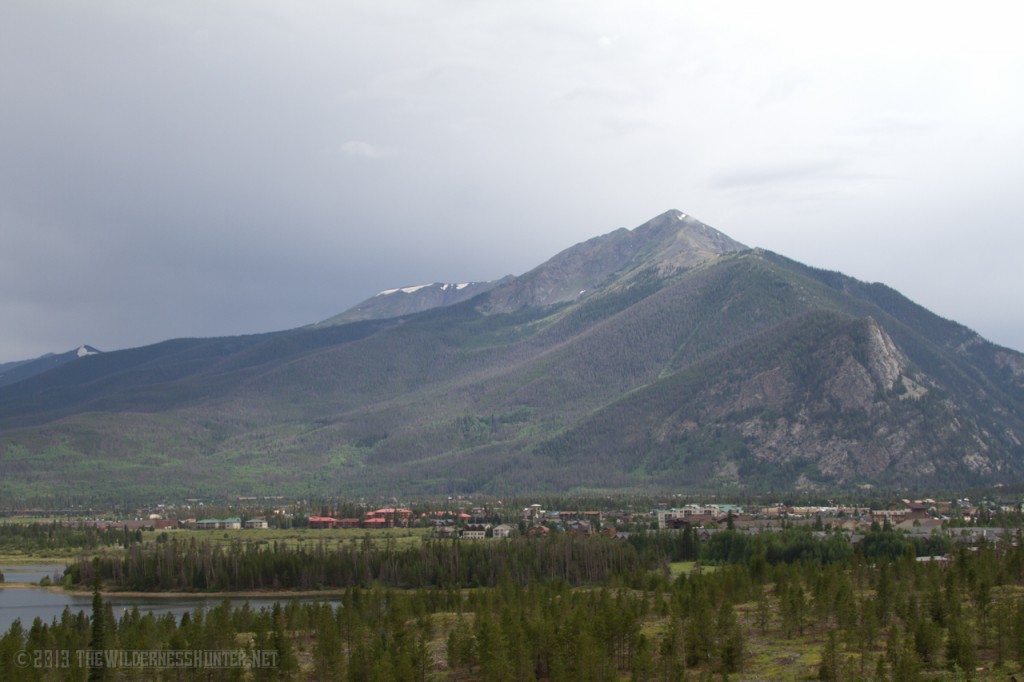
Peak One looms over the town of Frisco.
Hugsy and Peak One
Hugsy and the Devil's Gate Bridge on the Georgetown Loop RR.
Hugsy on Lookout Mountain.
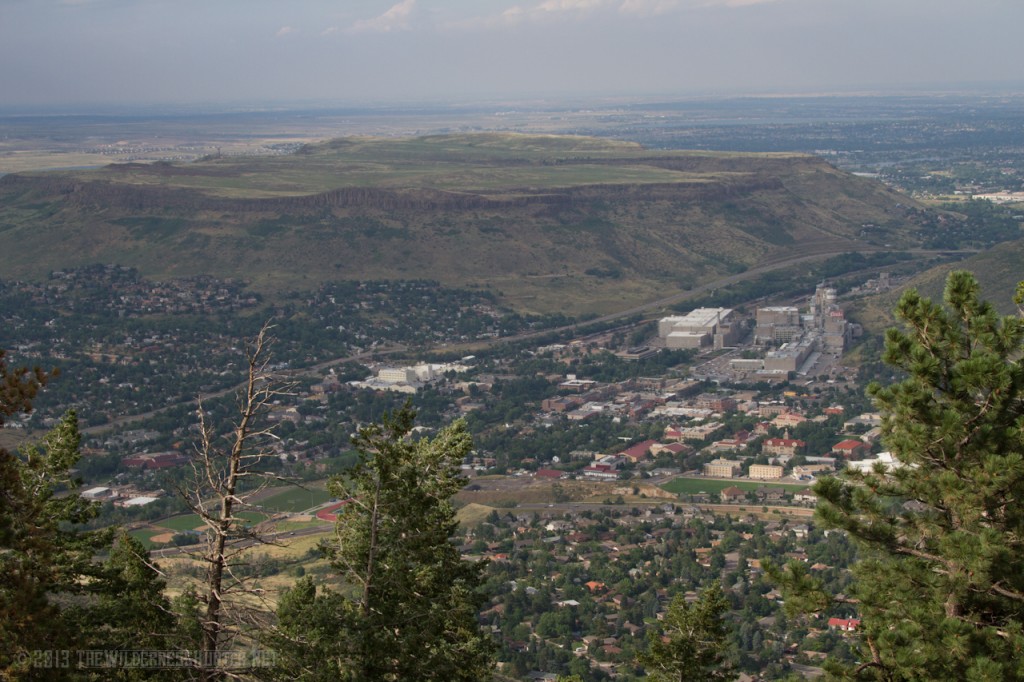
The town of Golden and North Table Mountain above.
Hugsy feeling the old west vibe at Buffalo Bill's grave
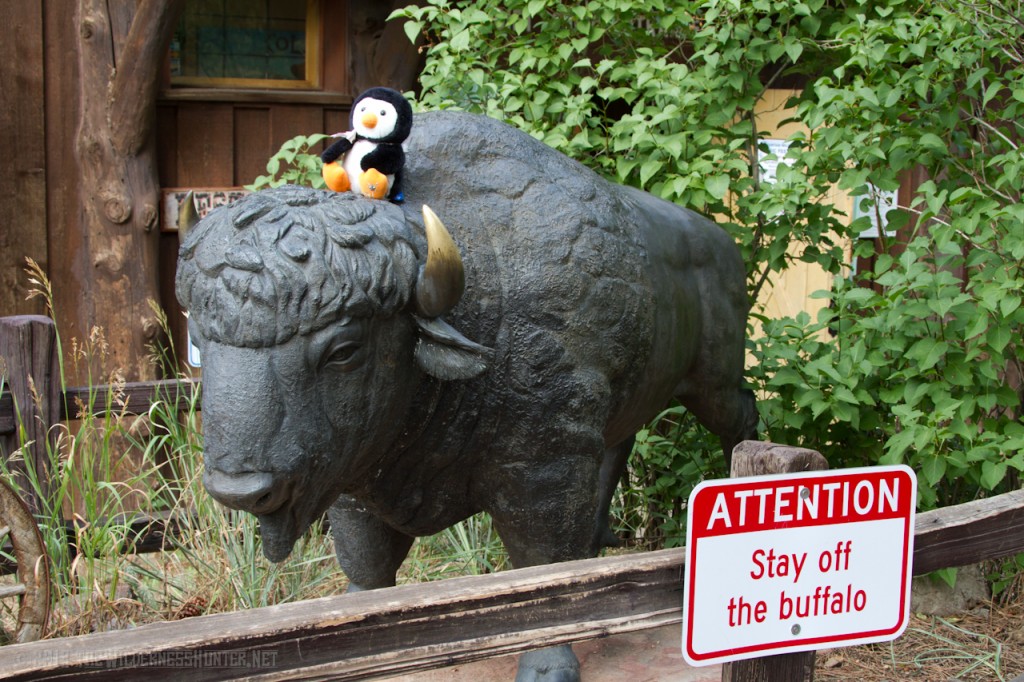
Hugsy the rebel on a bronze buffalo.
Buffalo Bill's grave, his wife laid bu his side.
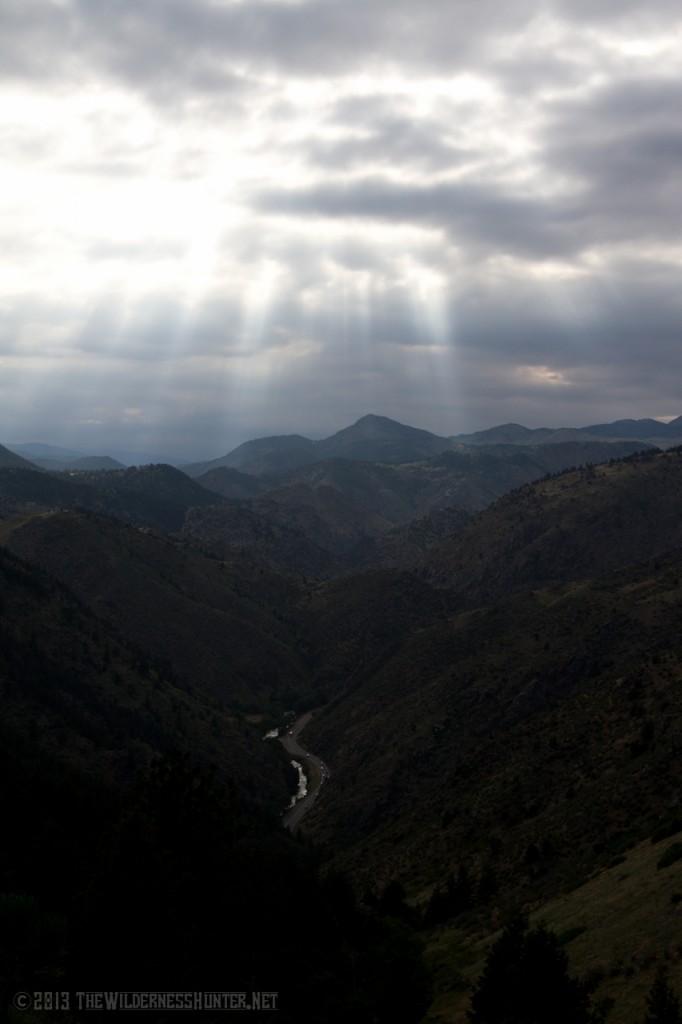
Mount Vernon Canyon looking west from Lookout Mountain.
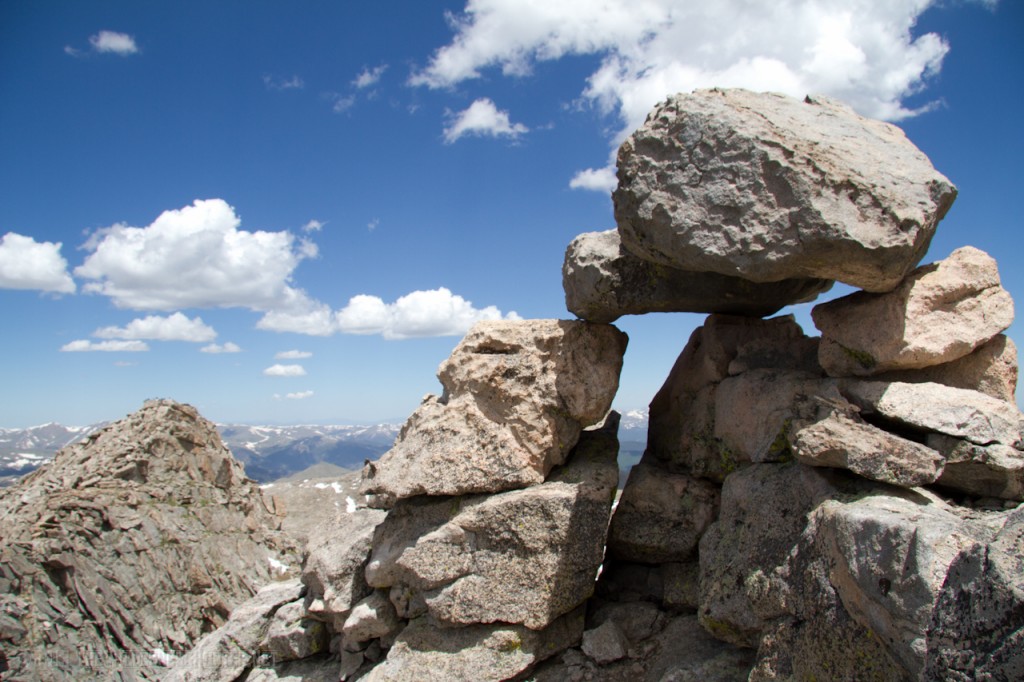
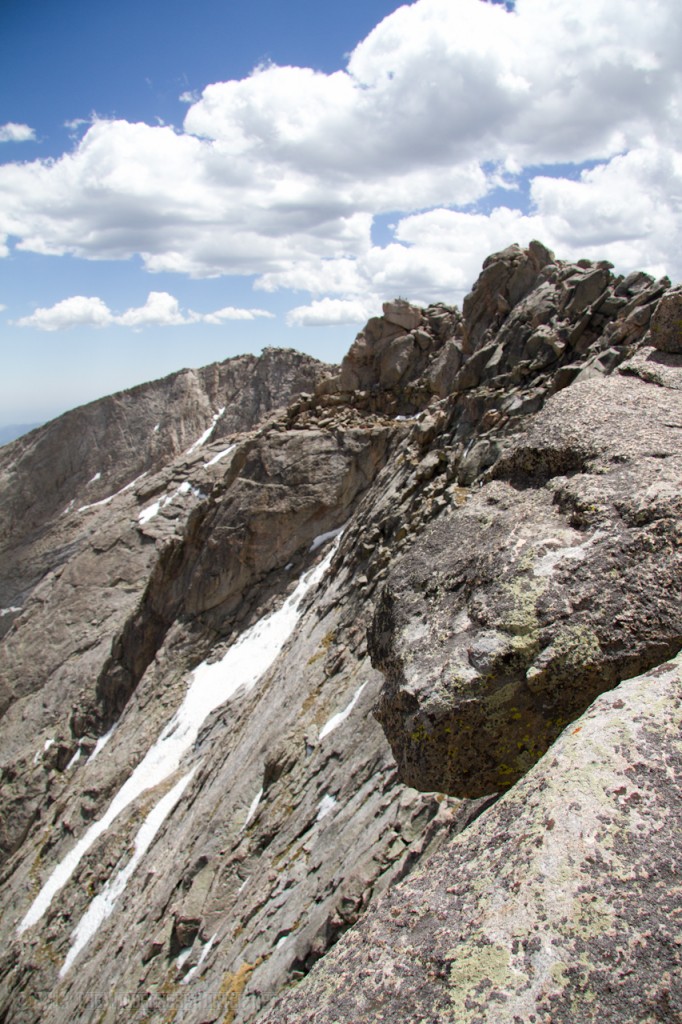
I woke up the day before my birthday like any other day, but I was reading Outdoor Photographer magazine and in the back pages of the magazine are advertisements for various guided photo excursions. I like to glance at them and the locales they offer, mostly wishing I had the funds to take off on one of these, also to see if there are any local photographers subtly giving away their spots. One caught my eye; “Colorado Mountain Goats at 14,000 feet!” Bingo. The rest of the ad proceeded to indicate the destination was Mount Evans, where, as the locals would know, the goats are almost tame enough to eat out of your hand. Inspiration hit me like a freight train, and I had to go. As a kid, my Mom and Dad and I spent a lot of time both on Mount Evans proper and the surrounding area, but I didn’t ever recall going all the way to the summit, which you can drive to. The fact the road leads to the top makes it a big touristy destination, the only other 14er that you can drive to the top of is Pike’s Peak. Things on Evans had changed a LOT since the 1980’s, namely the fact one now has to pay to drive CO HWY 5, the highest paved road in North America,
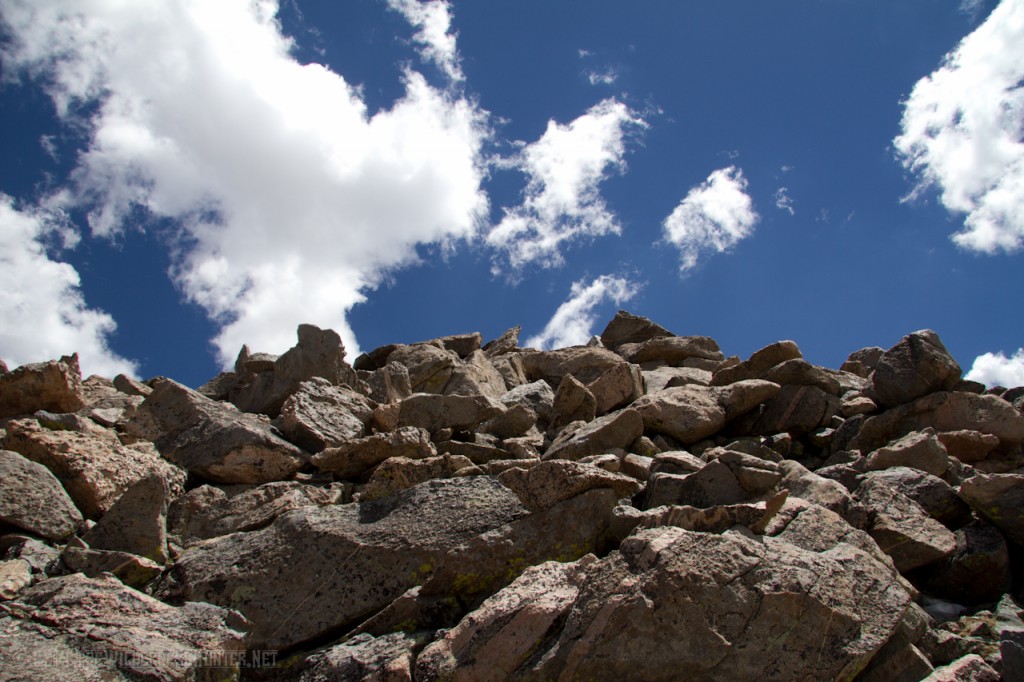
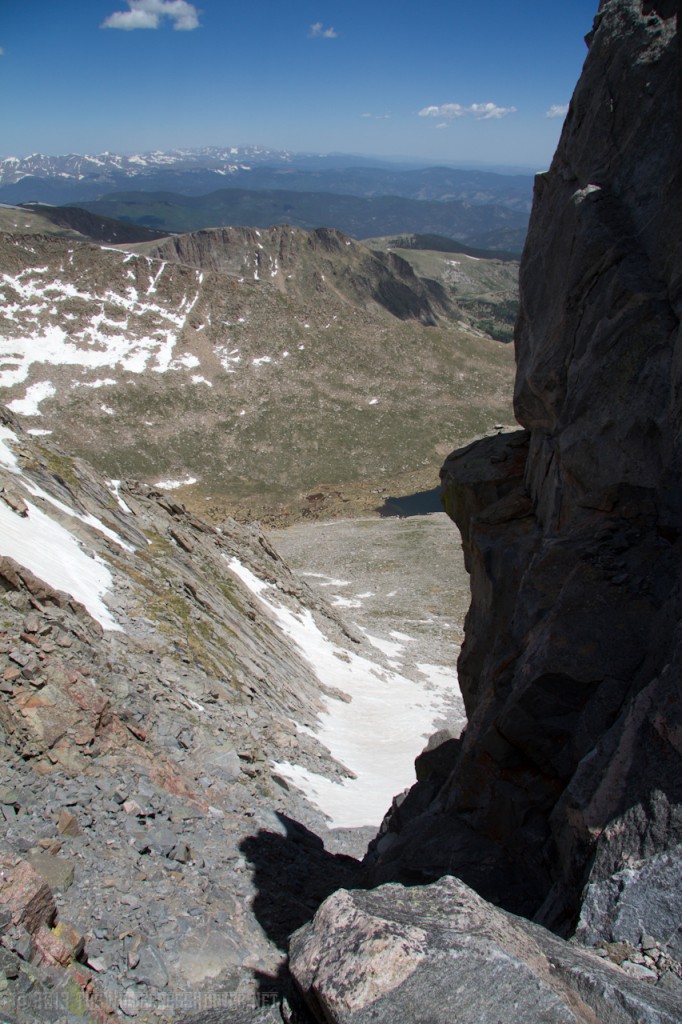
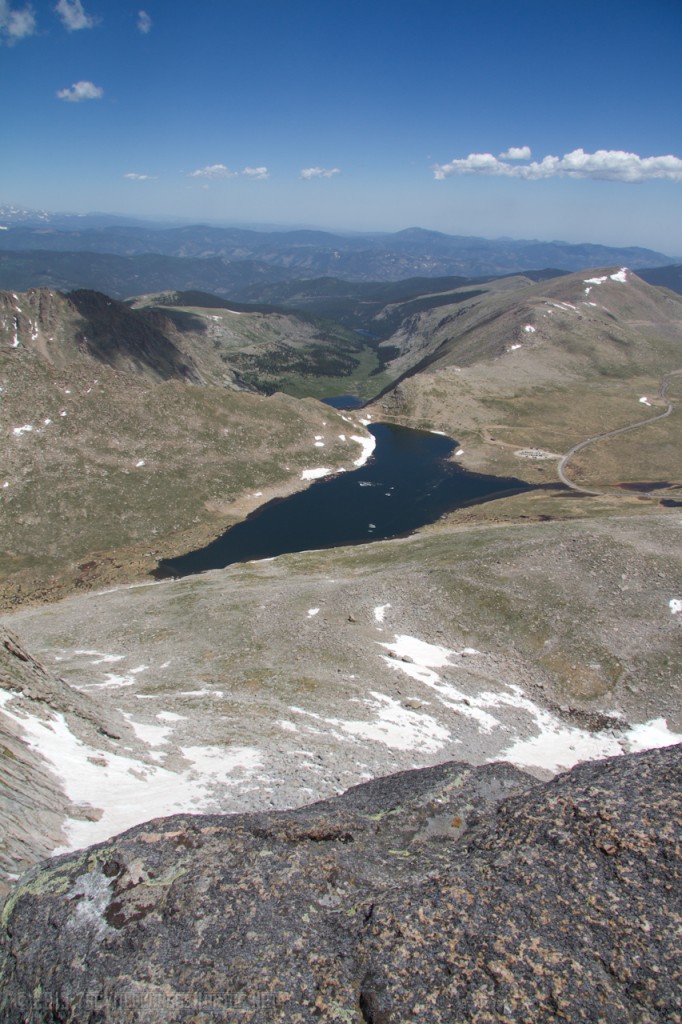
to the top of a 14,000 foot Colorado mountain. Okay, so it doesn’t sound like such a bad idea for the US Forest Service to charge a couple bucks per car to help maintain the road. So I swallowed my sentimentality and put away my old man comments like “I remember when..” and forked out the cash and started driving. The amount of traffic for a Thorsday was off putting, but once again, I dealt with it and drove to Summit Lake where I had fished with my Dad and my Grandad years ago. There used to only be a flatish dirt spot to park and an old stone shelter with a dirt floor. The shelter was meant to be a refuge from the harsh storms that blow suddenly across the mountains at that altitude. I have a memory of one such occasion when I was just a pup. On a June day Mom and Dad and I drove up for a day in the mountains with our dog Tisha, mostly sunny kind of day, stopping to look at the mountain goats and have a picnic at Summit Lake. Though once we got to Summit Lake the summer turned winter and we were in the driving snow with jackets, hats and gloves on. Back to the present, Summit Lake now has a proper divided parking lot, pit toilet facilities, triangular lodge pole fences complete with ‘stay off the tundra’ signs that are regularly ignored. The old stone shelter still there, the flatish dirt spot was now much larger and filled with shiny late model SUVs and the like. It’s things like these that pain me deep down. It seems that, like the old stone shelter, gone are the days when only the hardy, well prepared types headed to the mountains. The people I saw there could have been easily picked up off that mountain and dropped into a park in downtown Denver. Or maybe it happened the other way around. On the other hand, what could I expect on a mountain one could drive to the top of? Now seeing an urbanite strolling around the top of North Maroon Peak or El Diente, two other 14ers that require skills above the ability to walk, would probably drive me in to a deep insanity. I digress once more. I found a spot to park just a ways down from the summit and started rock hopping to the top of the ridge, where I could look down on Summit Lake, and Chicago Lakes and Creek, Abyss Lake, Mount Bierstadt and the Sawtooth, the jagged ridge that connects Evans and Bierstadt. I found my spot, well away from the throngs of people flocking to the very summit of the mountain and sat fo
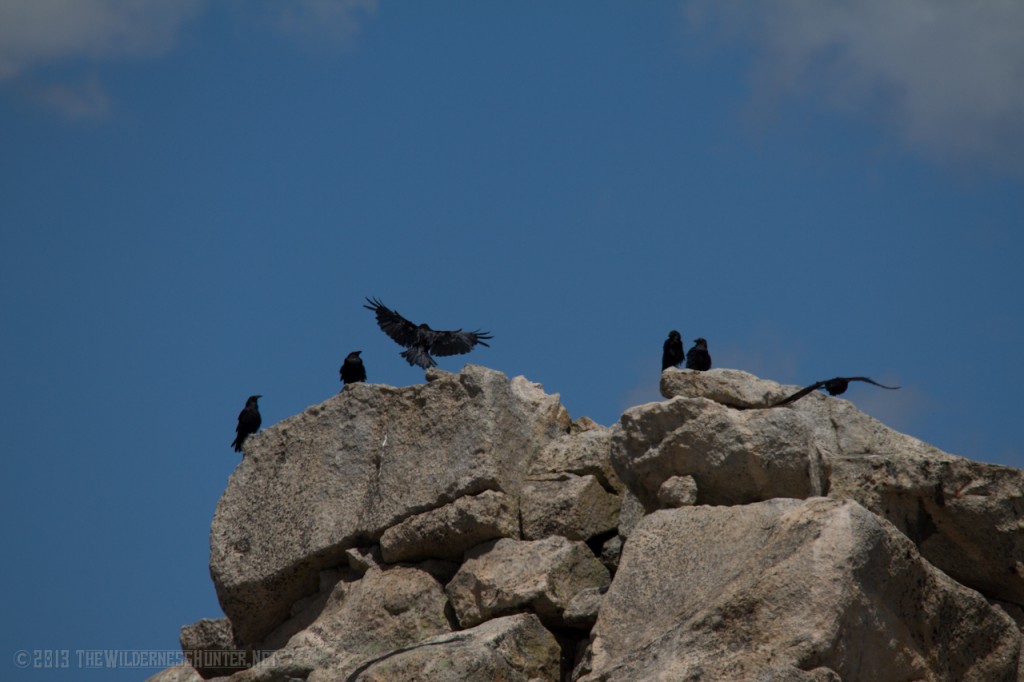
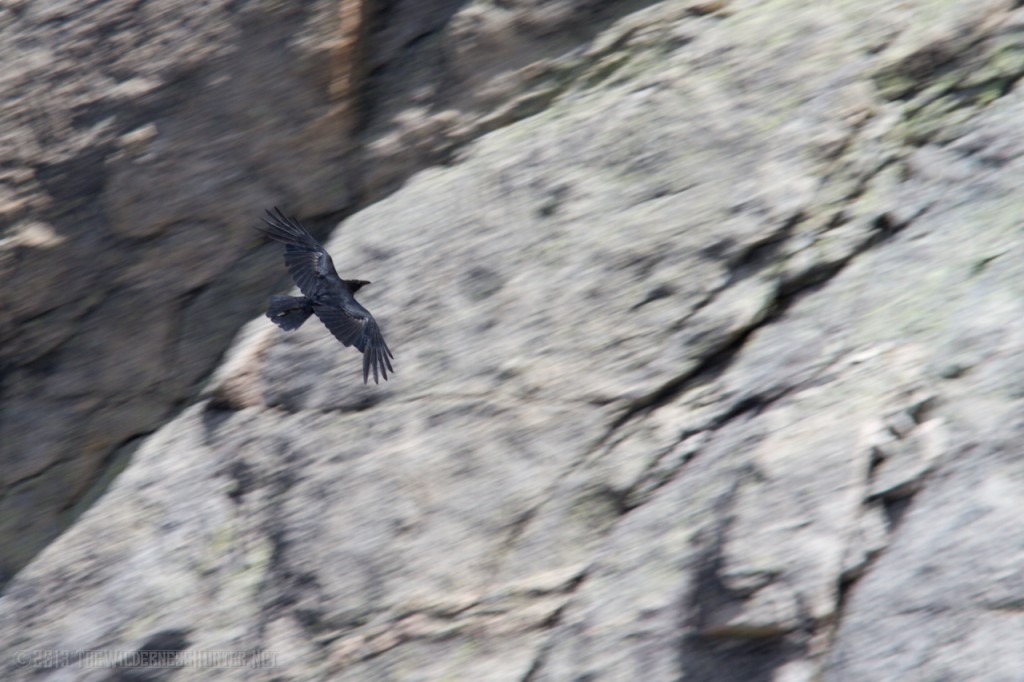
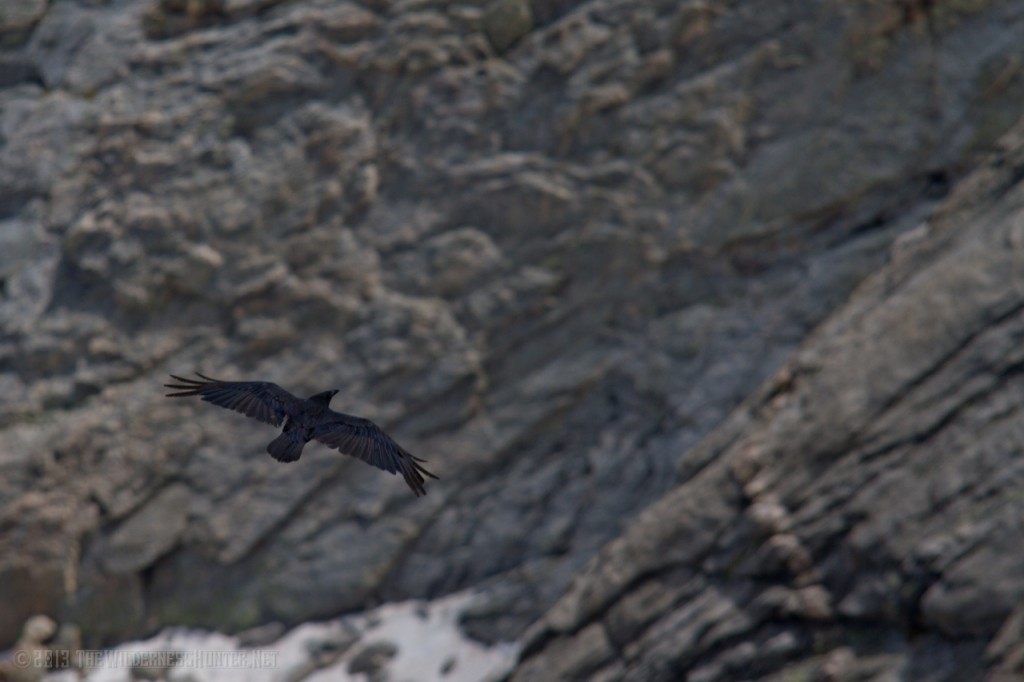
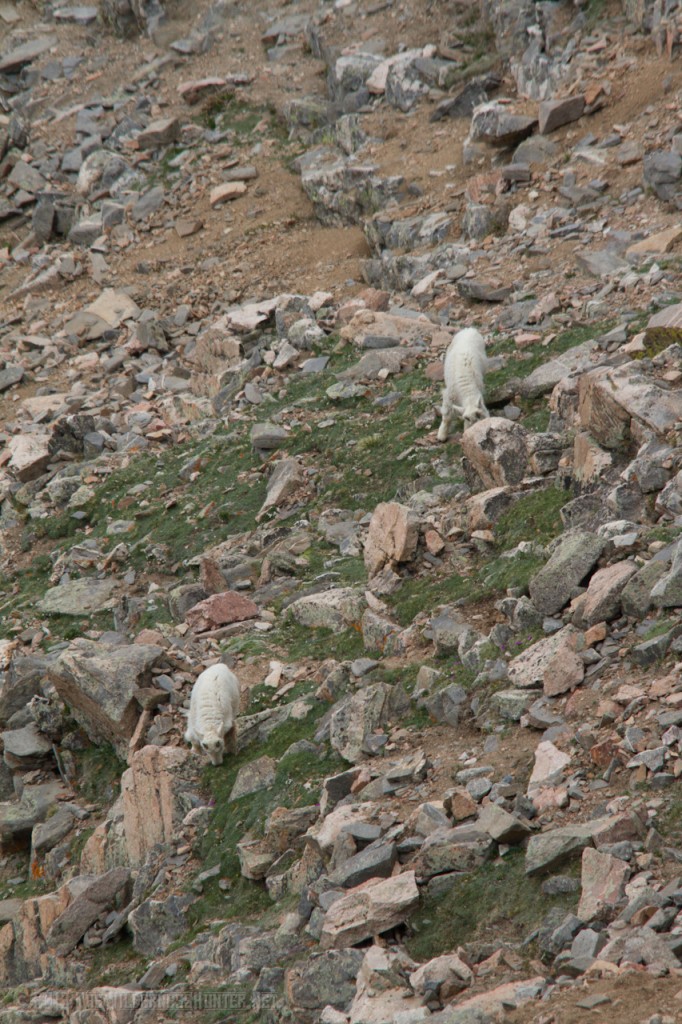
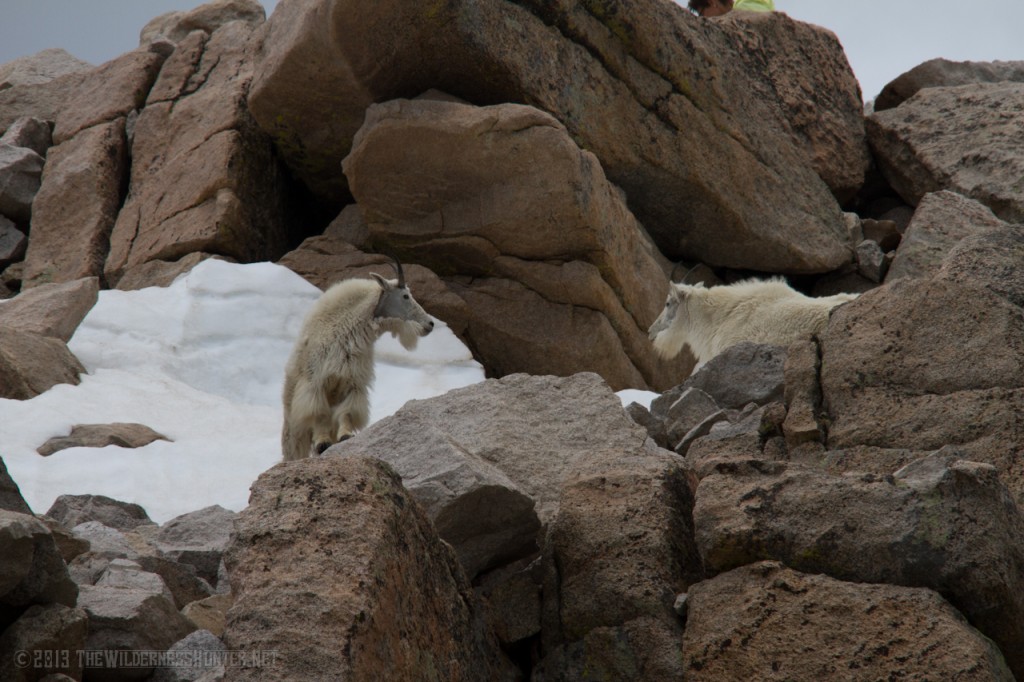
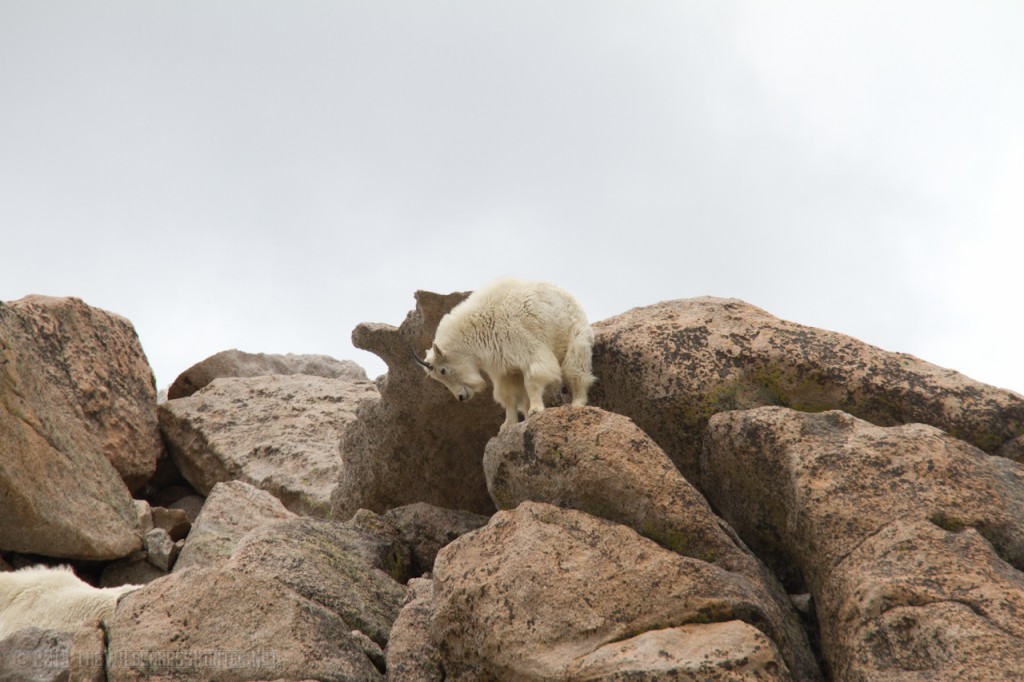
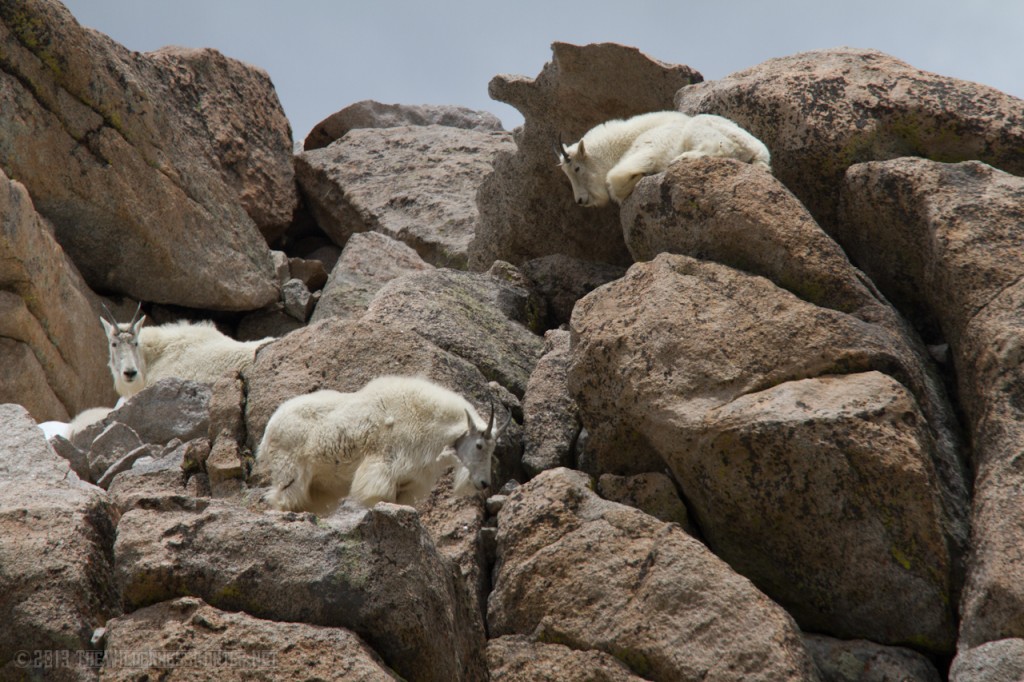
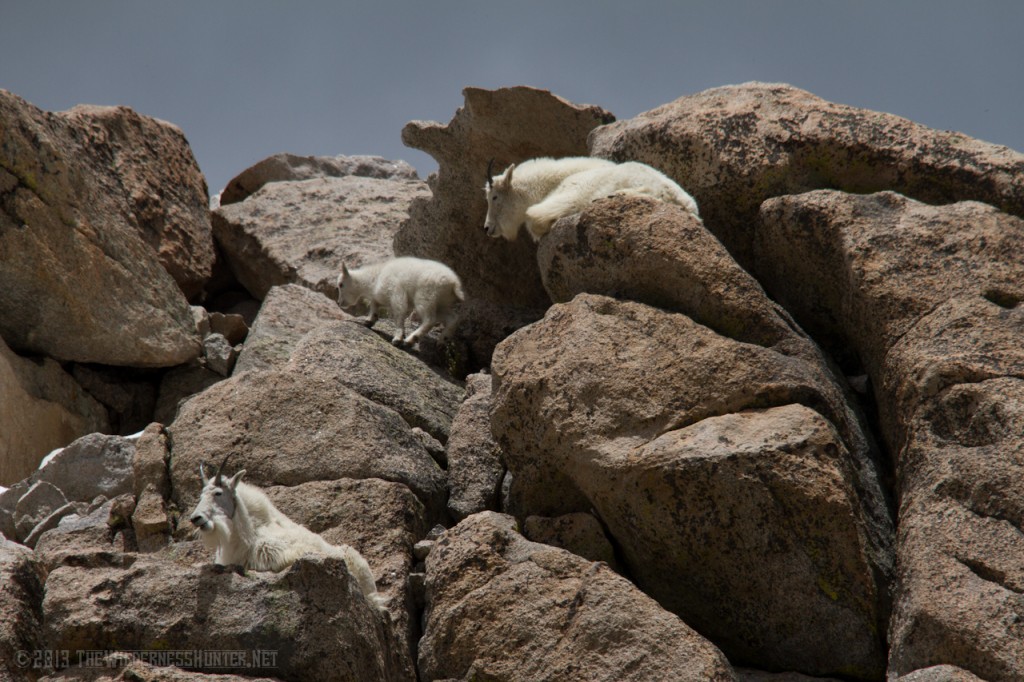
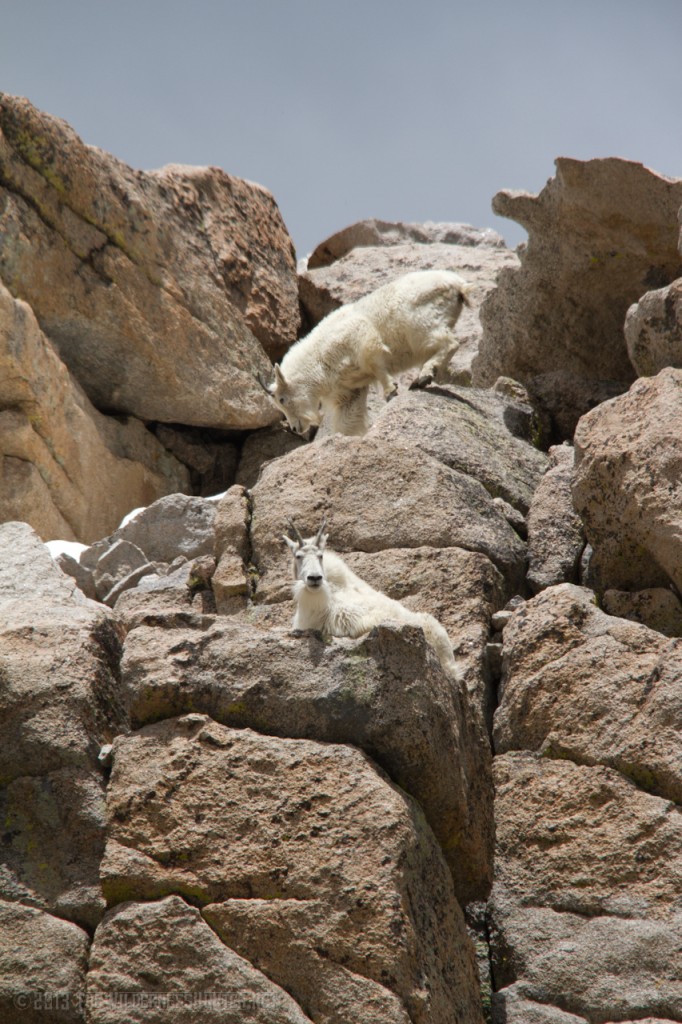
r a while watching as a flock of Ravens soared between to rocky perches. And after sitting Zen-like for what seemed a day and a half, I headed down before the tourists saw the dark clouds forming to the west and the mass exodus began. On the way down I finally got some shots of the Old Goats I had come here to see in the first place. Watching them sit on the rocks of a sheer drop, Zen-like without a care that the people were stumbling over each other to get closer with point and shoot cameras and cell phones, I felt a great deep connection with the goats. It was then I remembered that Mom always said I was part Mountain Goat.
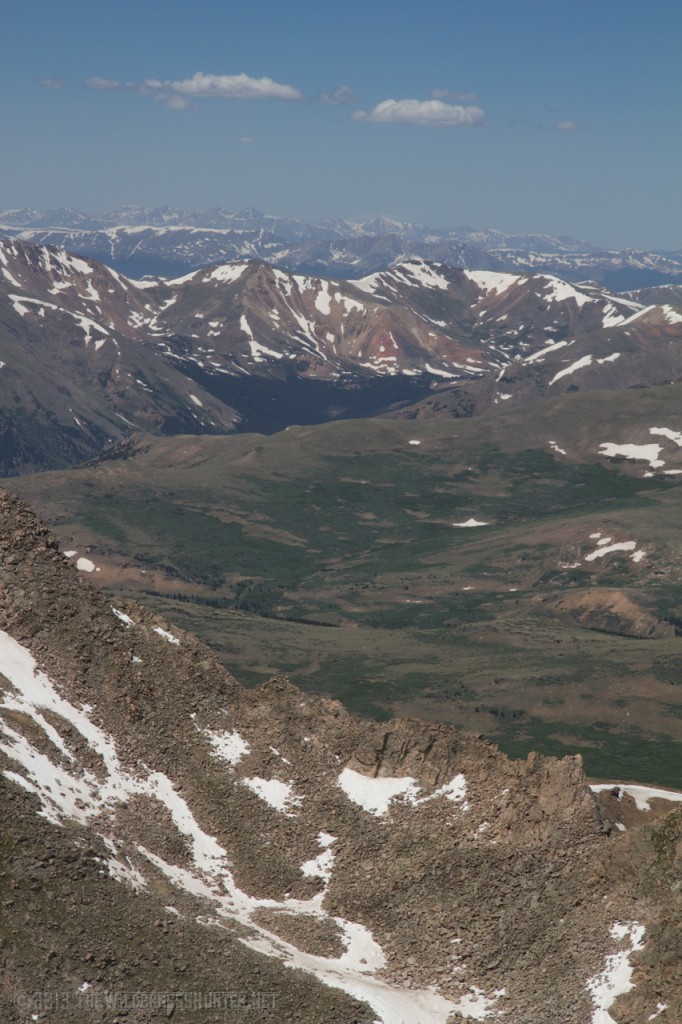
Mount Bierstadt and Sawtooth looking west from Mount Evans
Sawtooth and the Continental Divide in the background
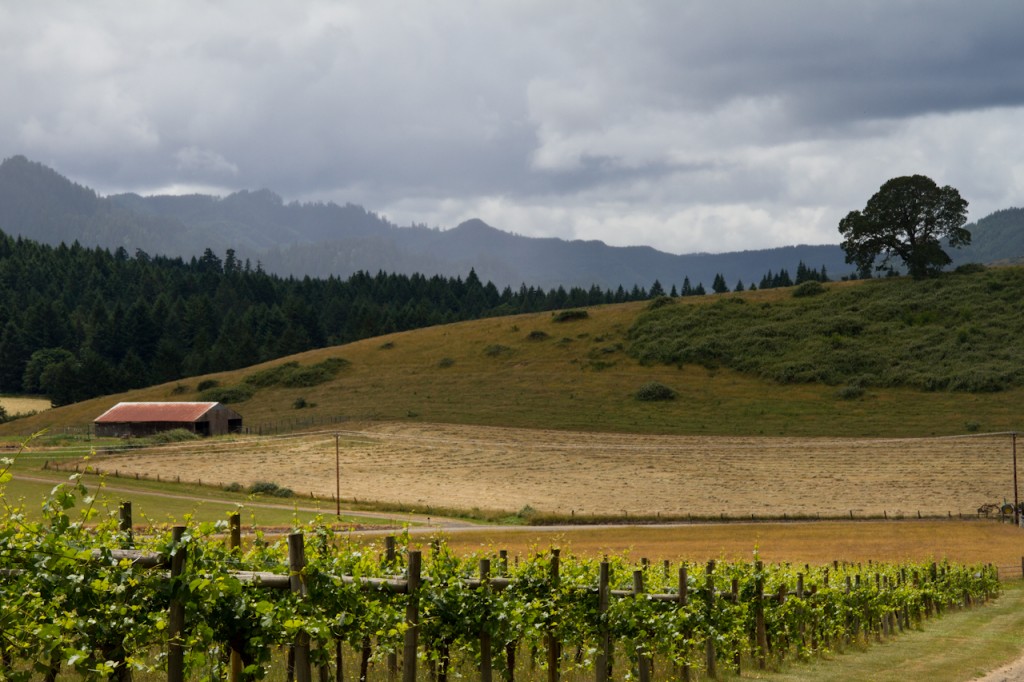
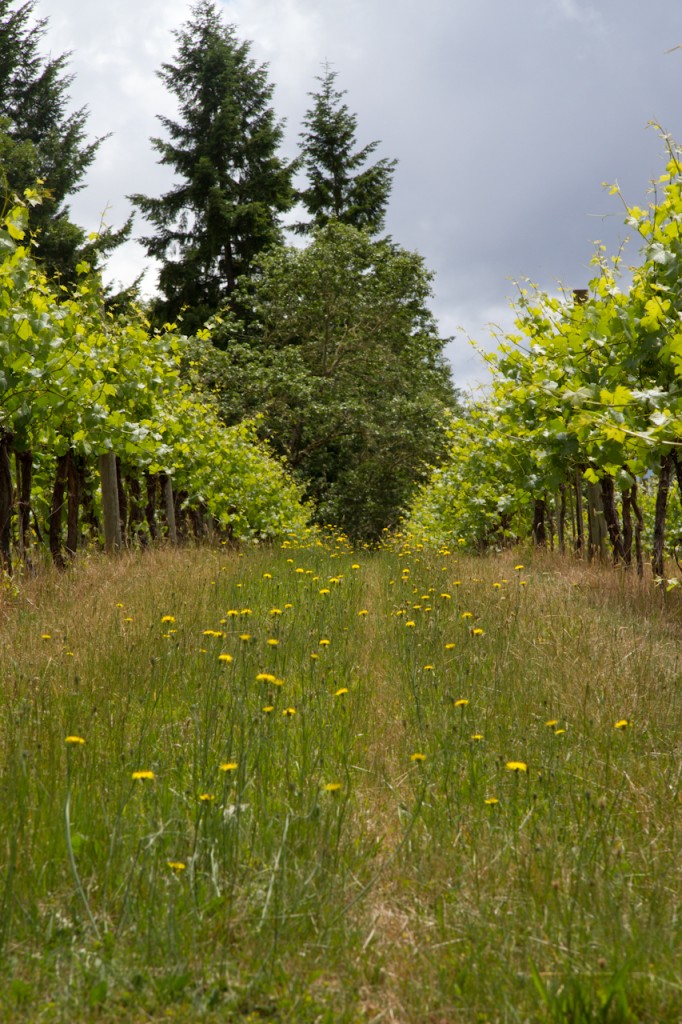
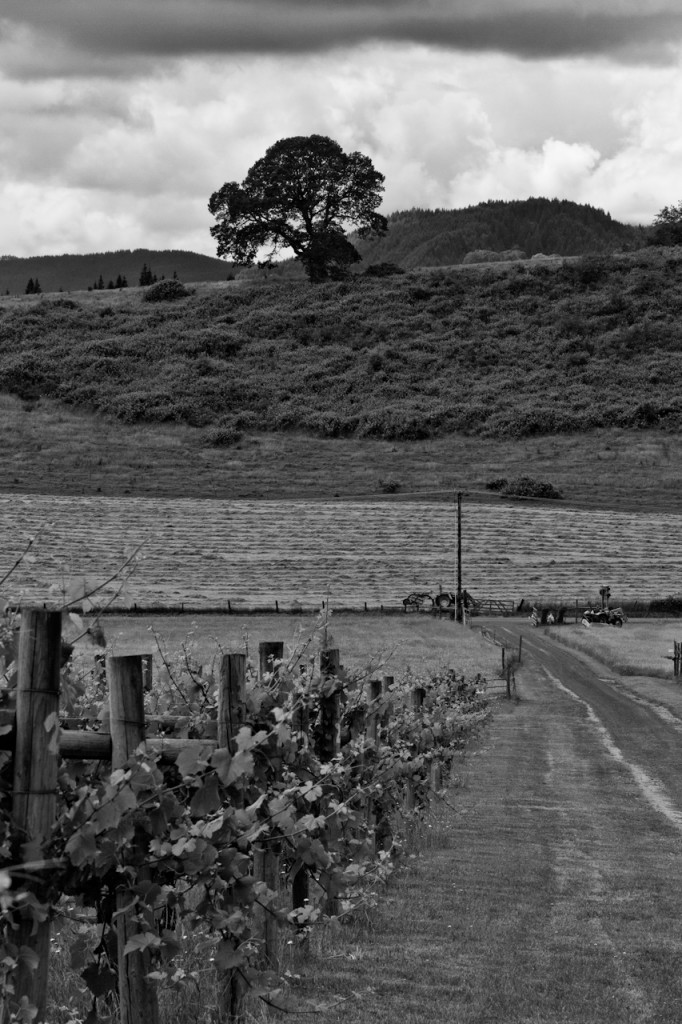
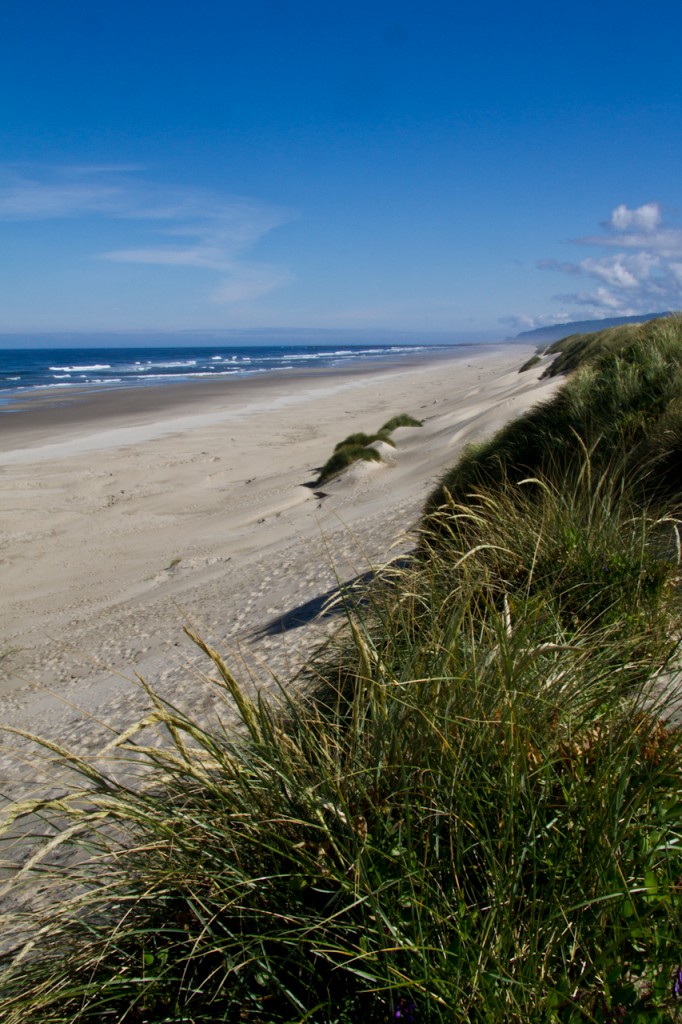
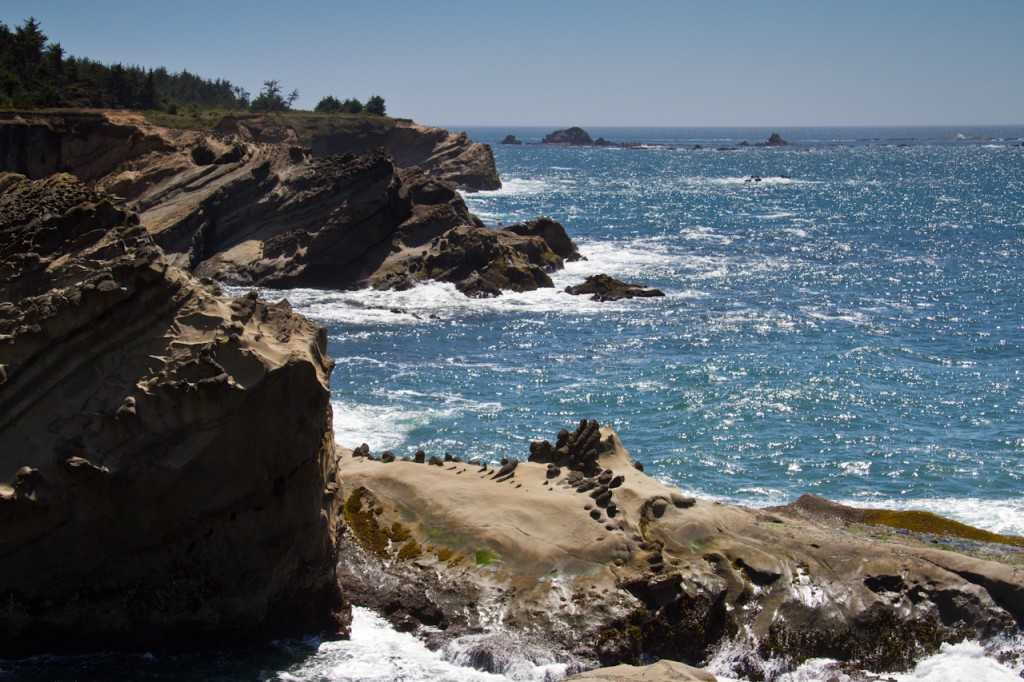
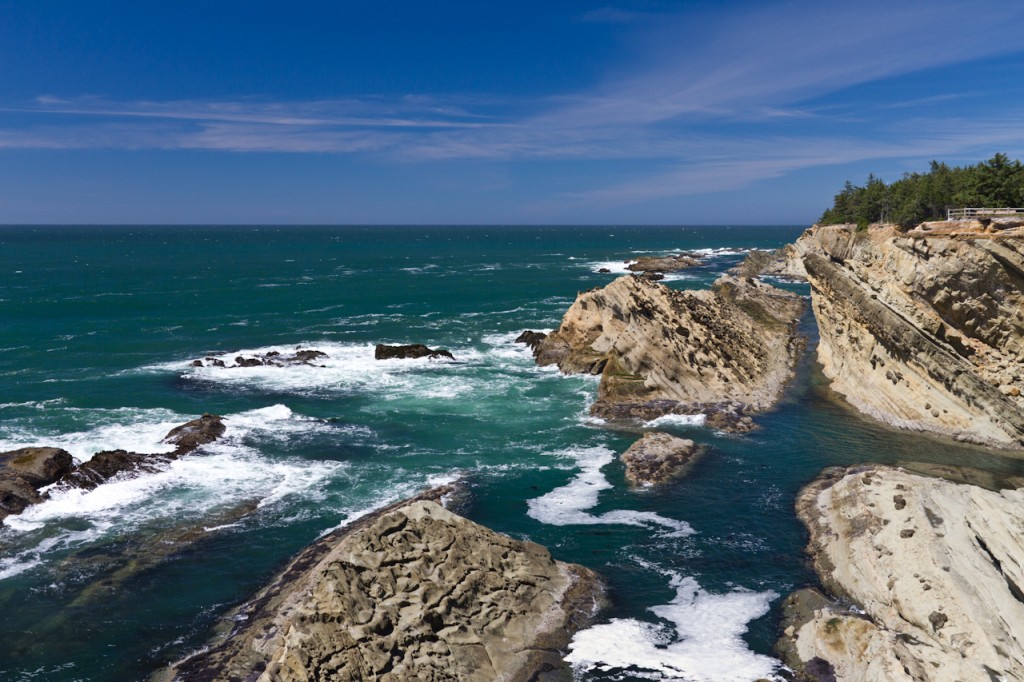
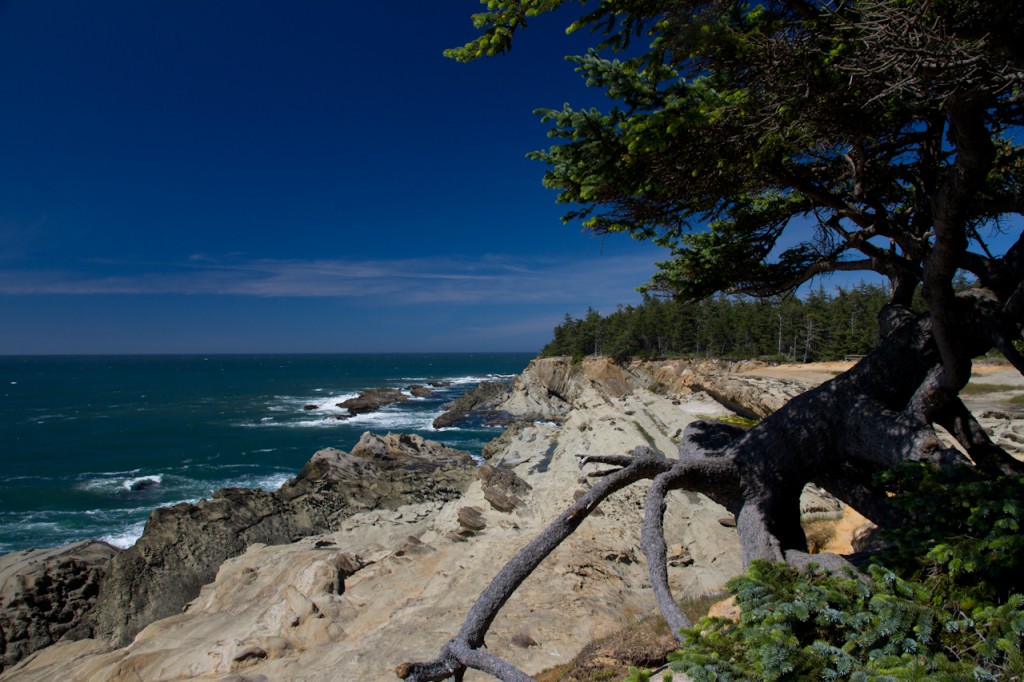
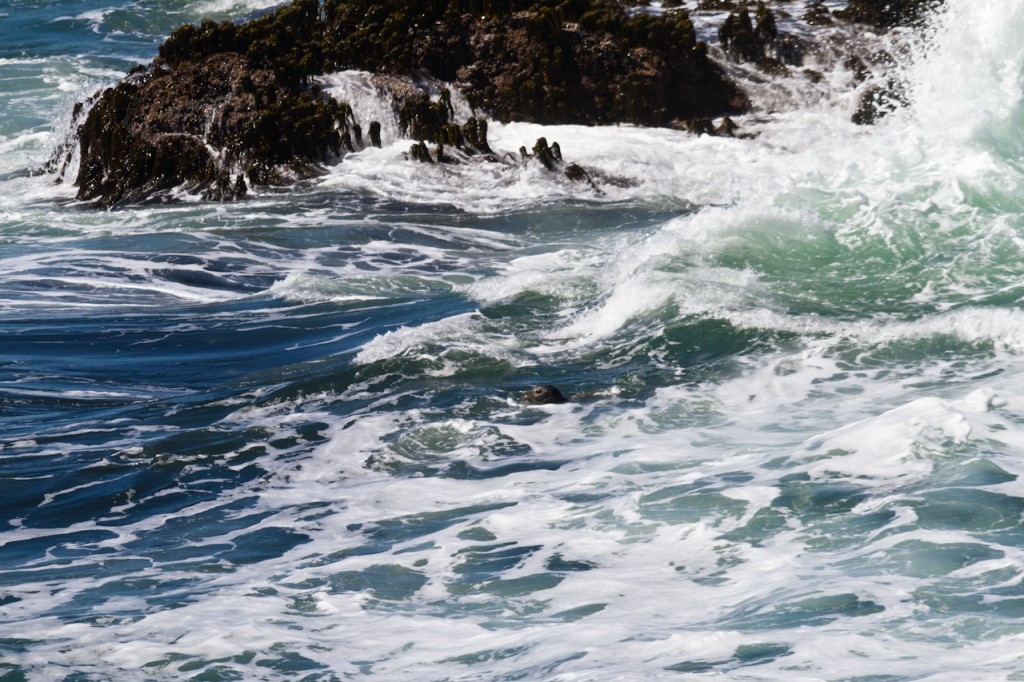
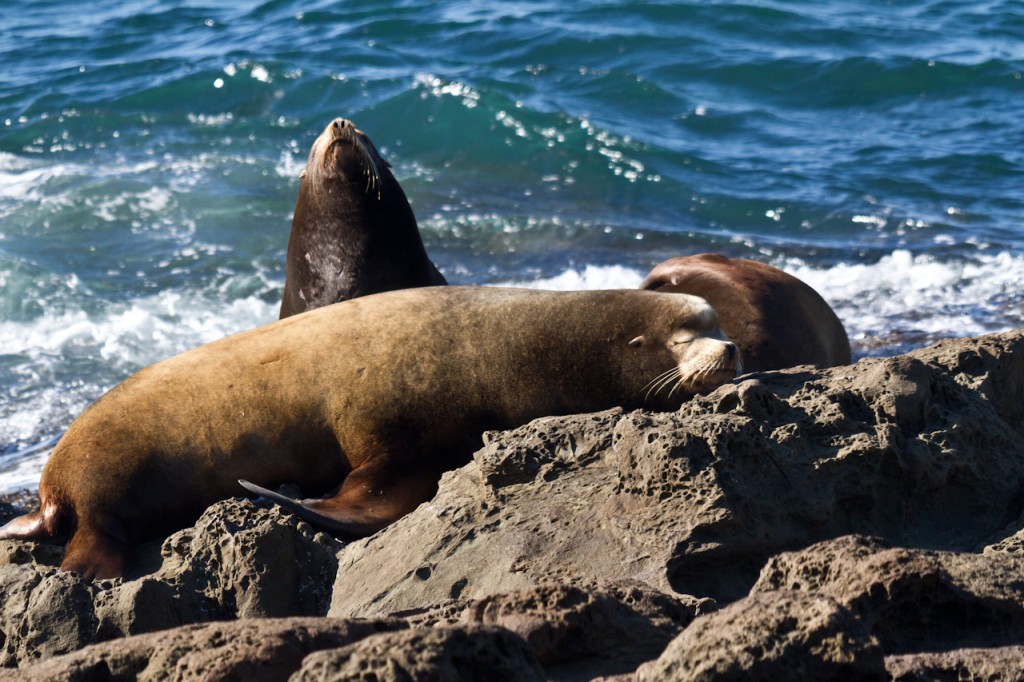
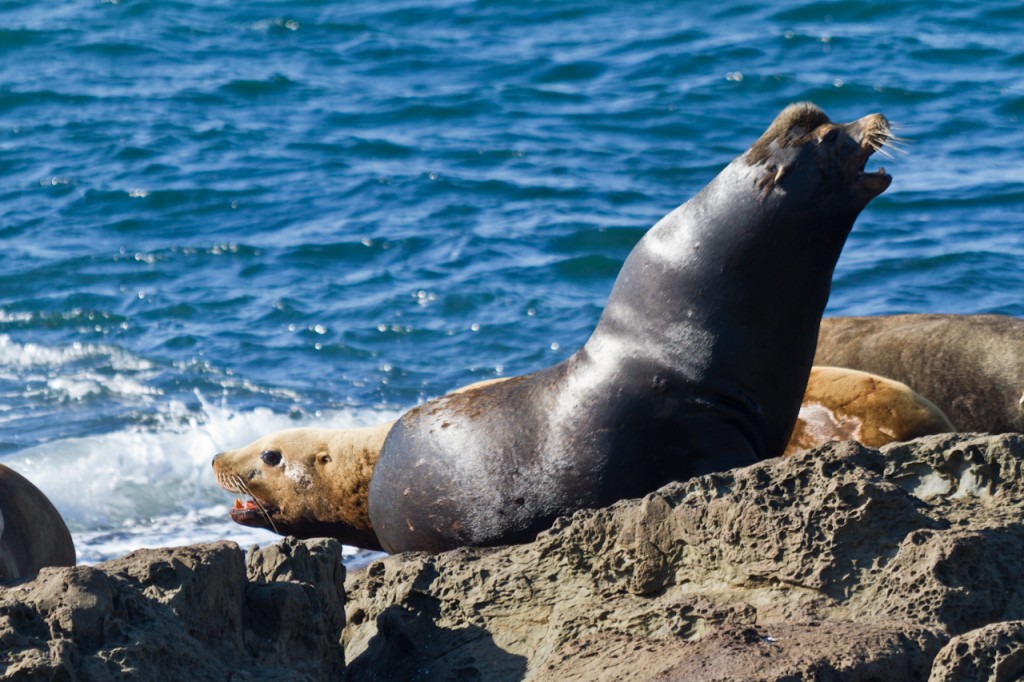
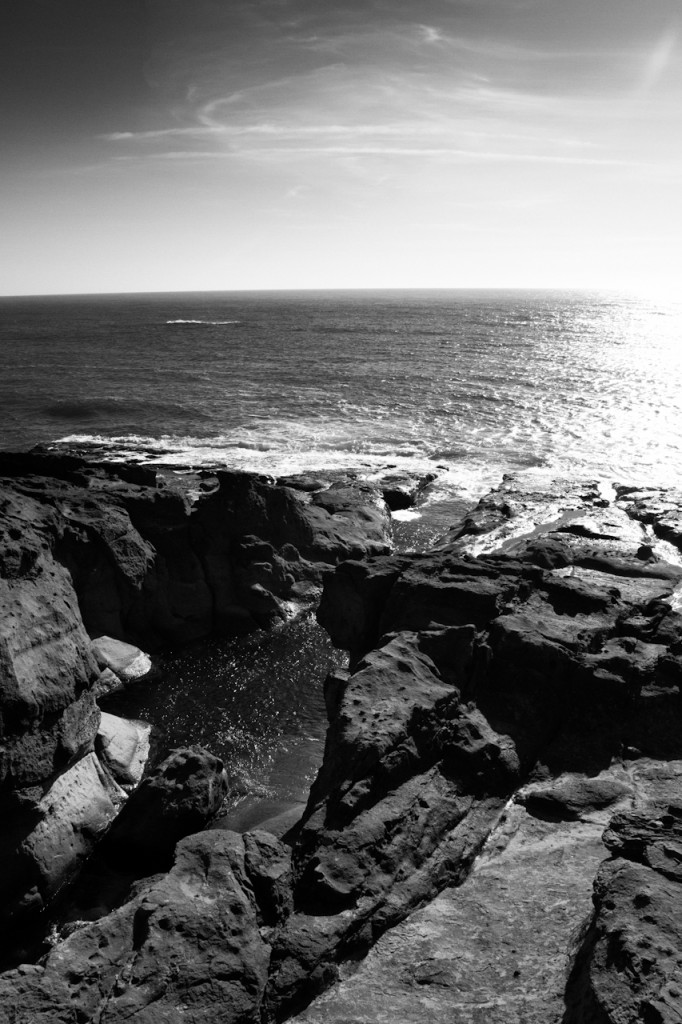
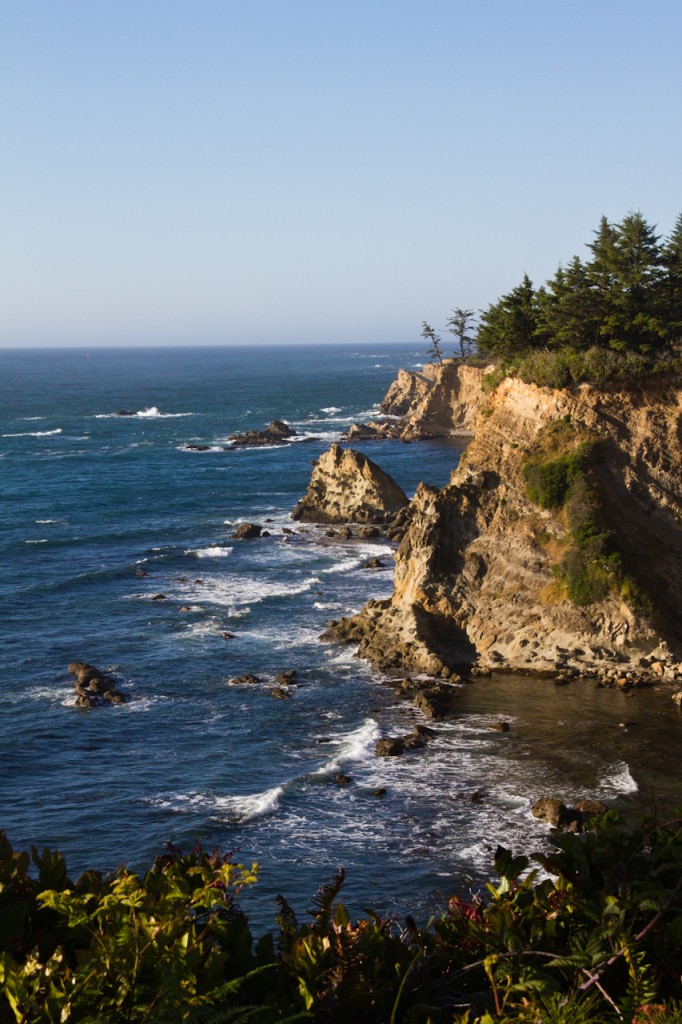
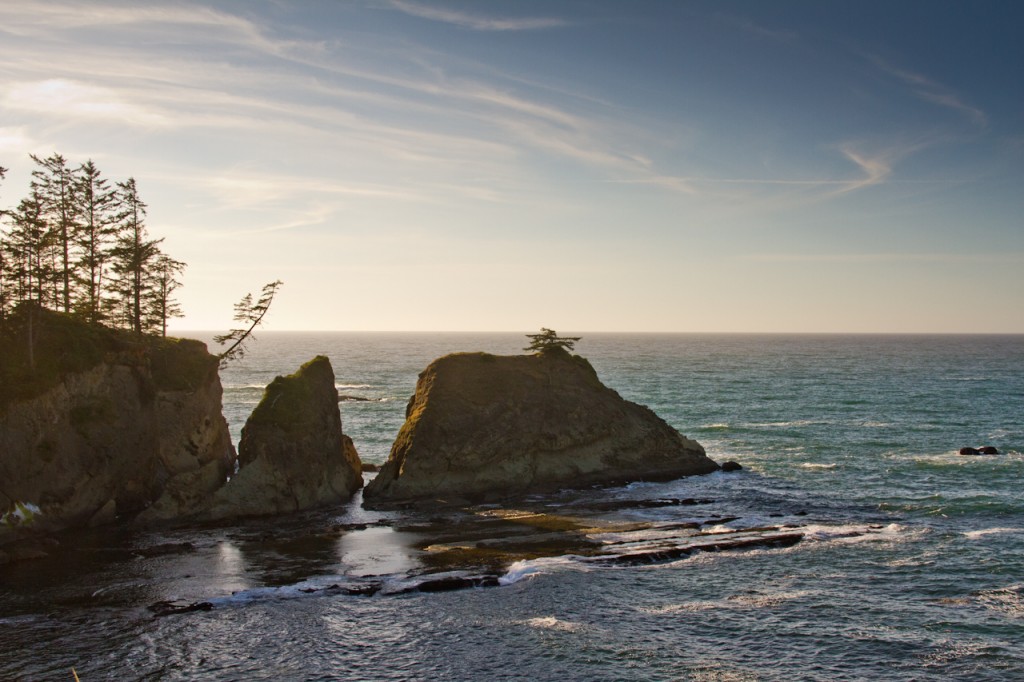
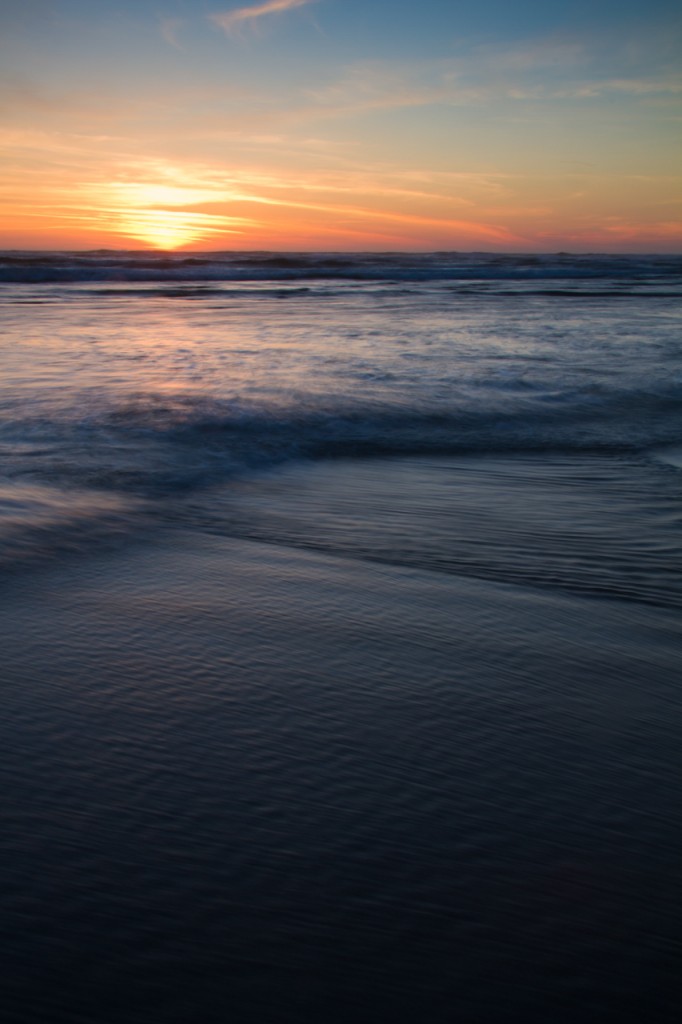
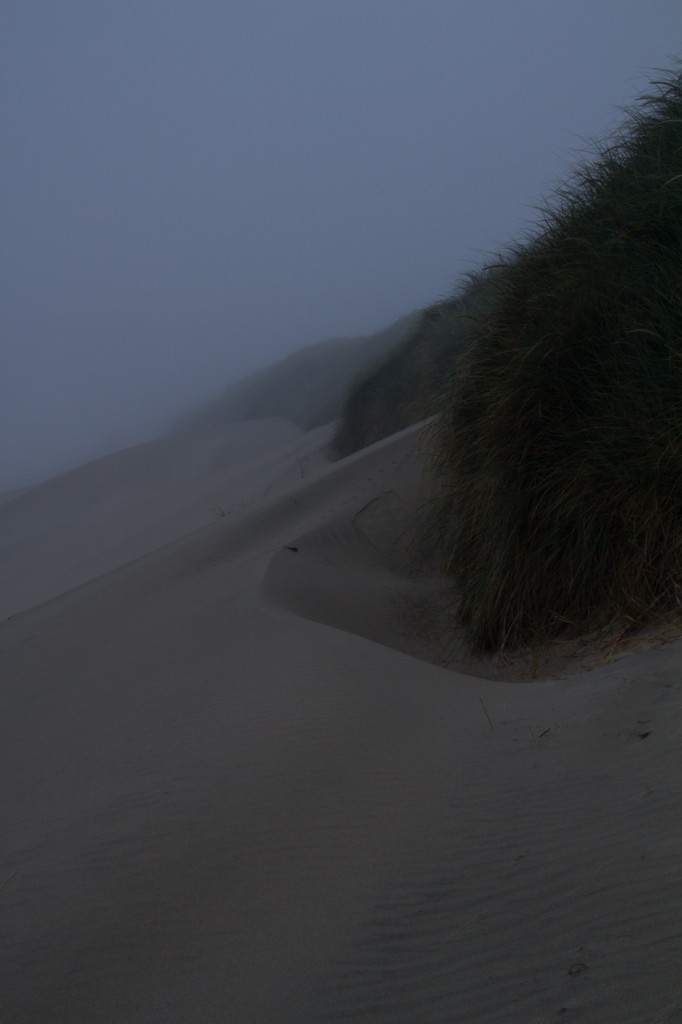
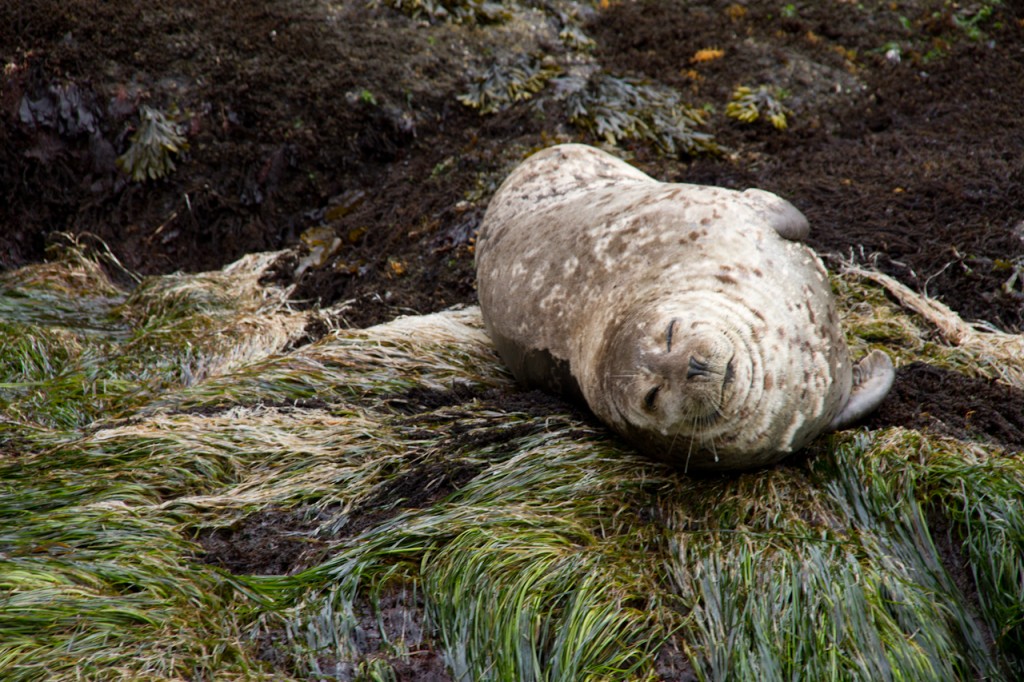
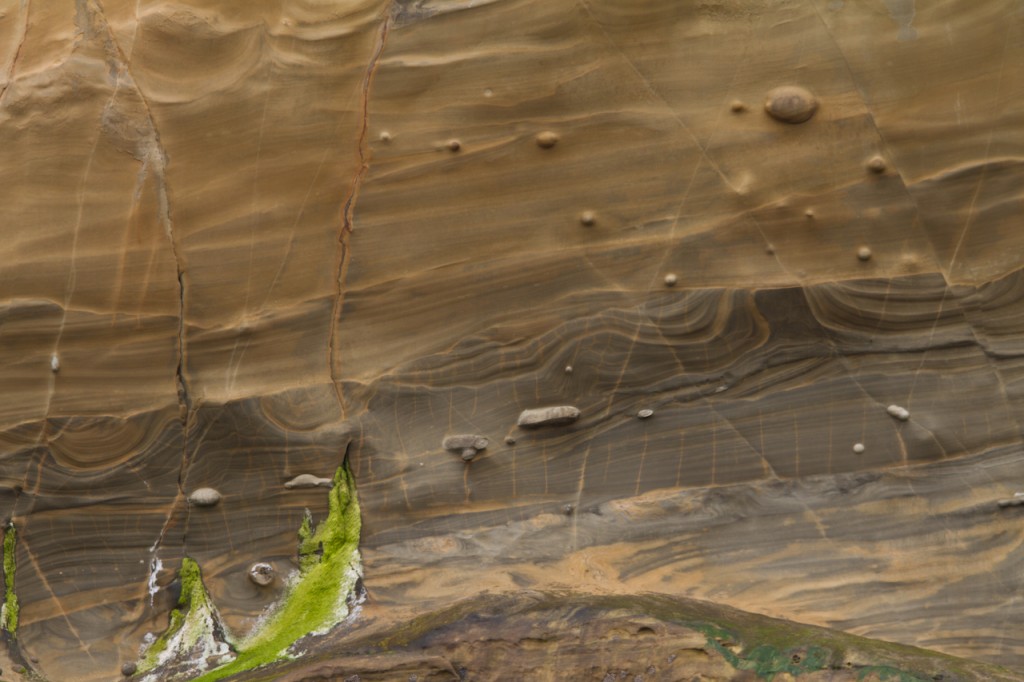
About a month ago I had the opportunity to go with my Mom and Aunt to visit our cousins in Oregon. Though my Aunt had broken her ankle badly six weeks before, she still was up for traveling. It was a travel milestone for myself, as I had not been on a plane in close to eleven years, or seen the ocean in that same amount of time. As well as that, my only other trip to the Pacific Northwest was in August of 1997 when I visited Seattle, Victoria, and Vancouver. Back then I was 19 and only a budding photographer shooting random stuff with my 35mm Minolta, not terribly interested in nature or landscape photos either. The trip was awesome, not alone the photography aspect, but the opportunity to catchup with family that we hadn’t seen in a very long time. And with such gracious hosts and tour guides, how could we not have a great time! I wanted to write more, and I will probably come back and get some specifics into this writing, but as we speak I am trying to get ready for another adventure to the North Rim of the Grand Canyon. For my family, I will get you all another link to the “people” pictures, since I like to keep them private from the web. Thanks again to Eileen, Michael, Lauren, Ashley, Helen, Anne, Phillip, and Jim!
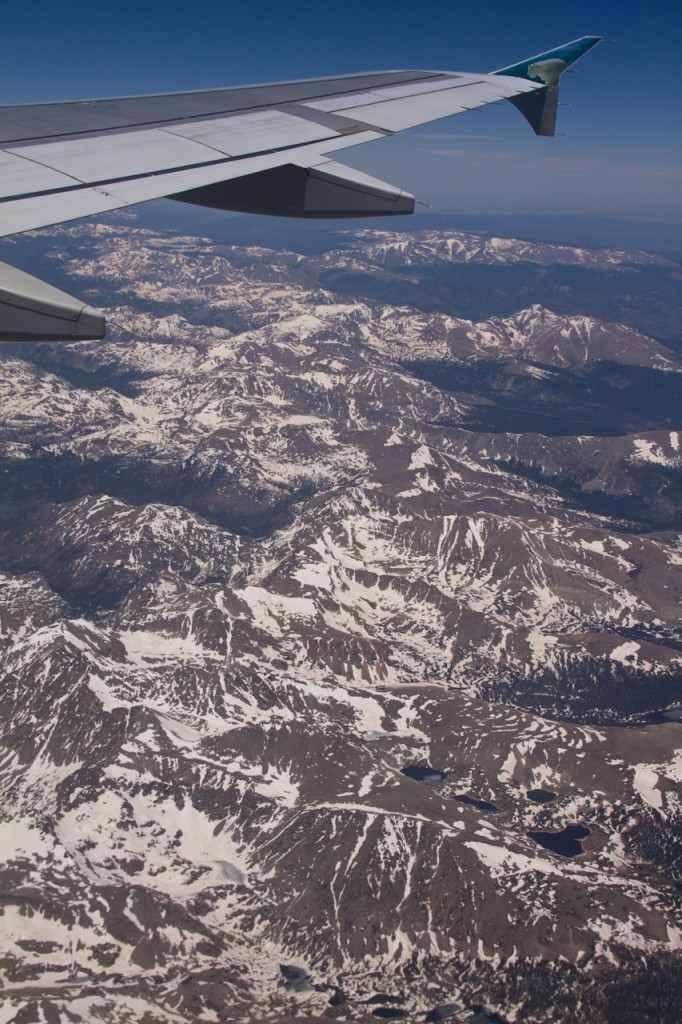
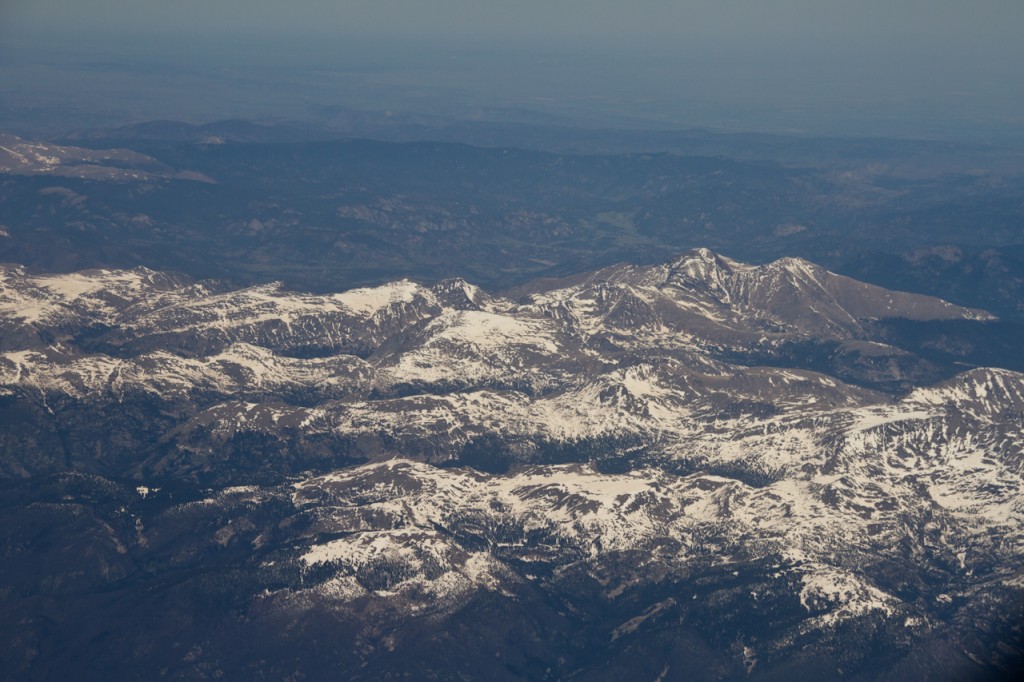
Indian Peaks Wilderness and Rocky Mountain National Park from my plane window.
Looking toward Rocky Mountain National Park, the two big peaks near the top right are Longs Peak (left) and Mount Meeker (right)
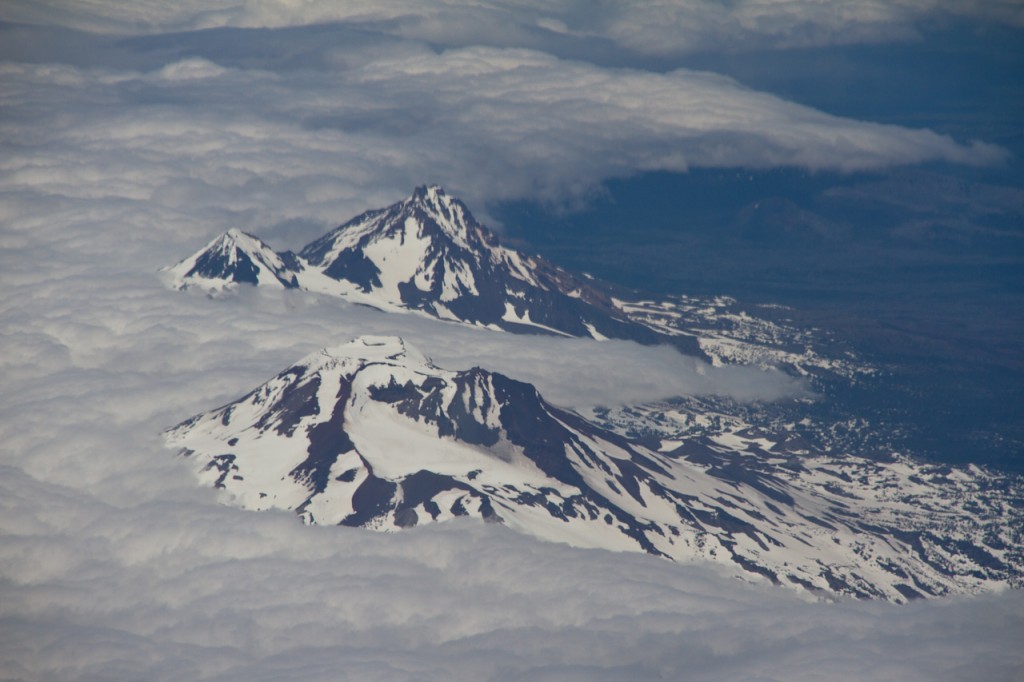
This photo is visual evidence as to why the west side of the Cascades are so much wetter than the east. The Pacific moisture gets hung up on those mountains.
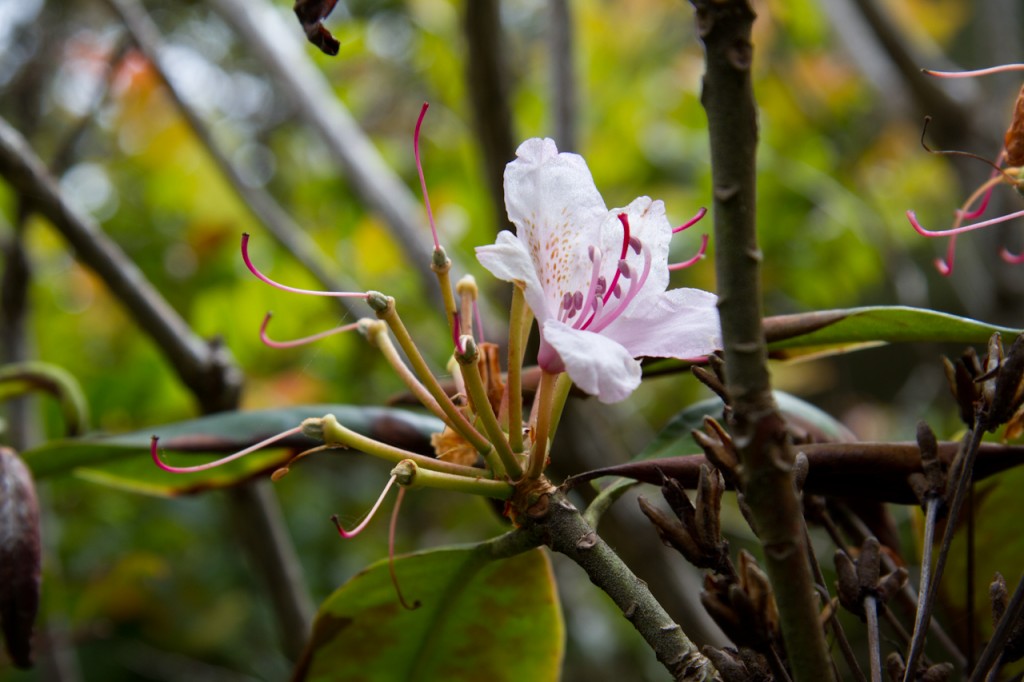
Last bloom of a Rhodedendron near Cape Perpetua.
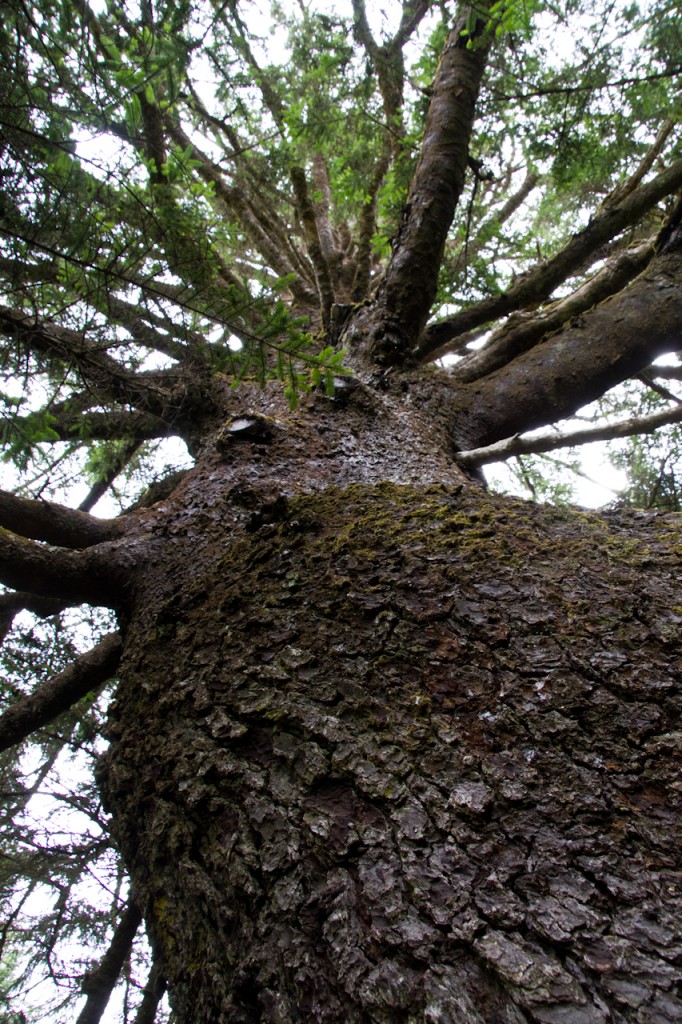
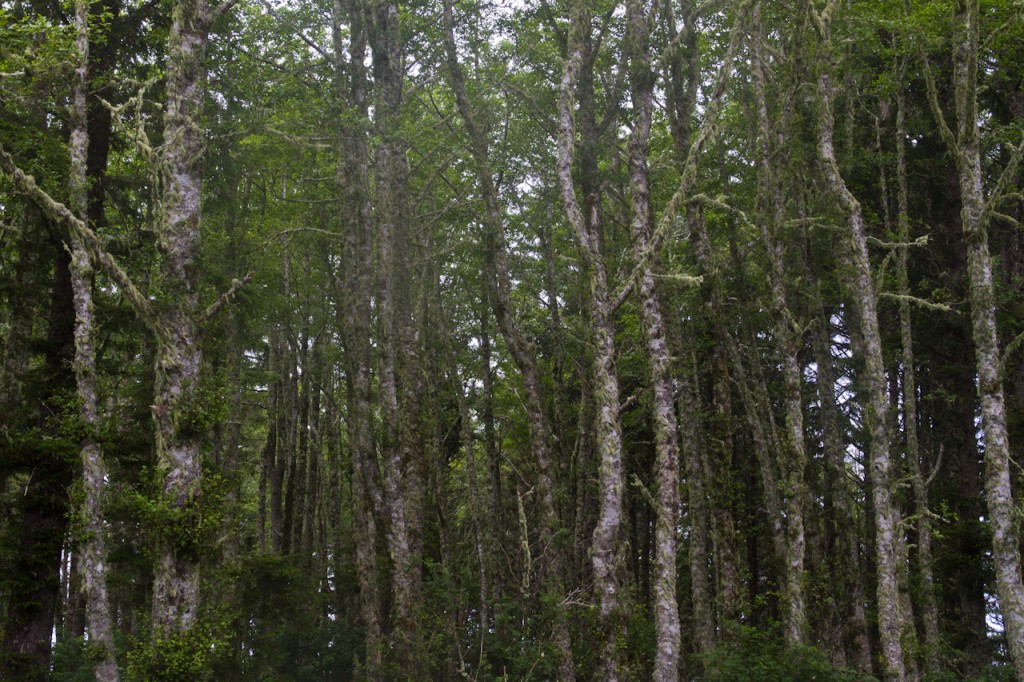
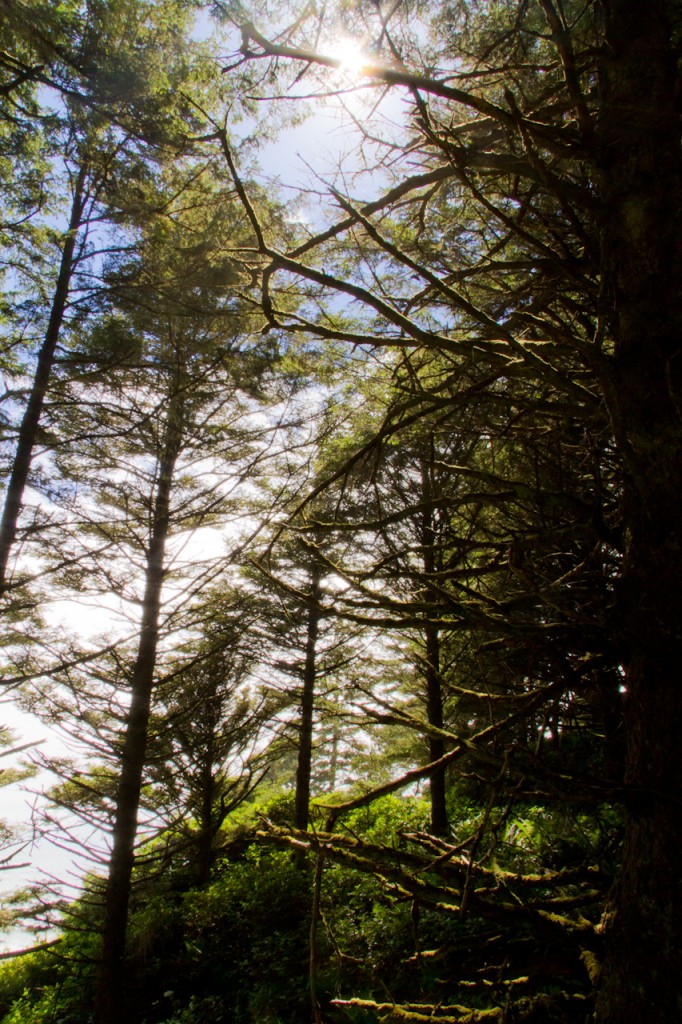
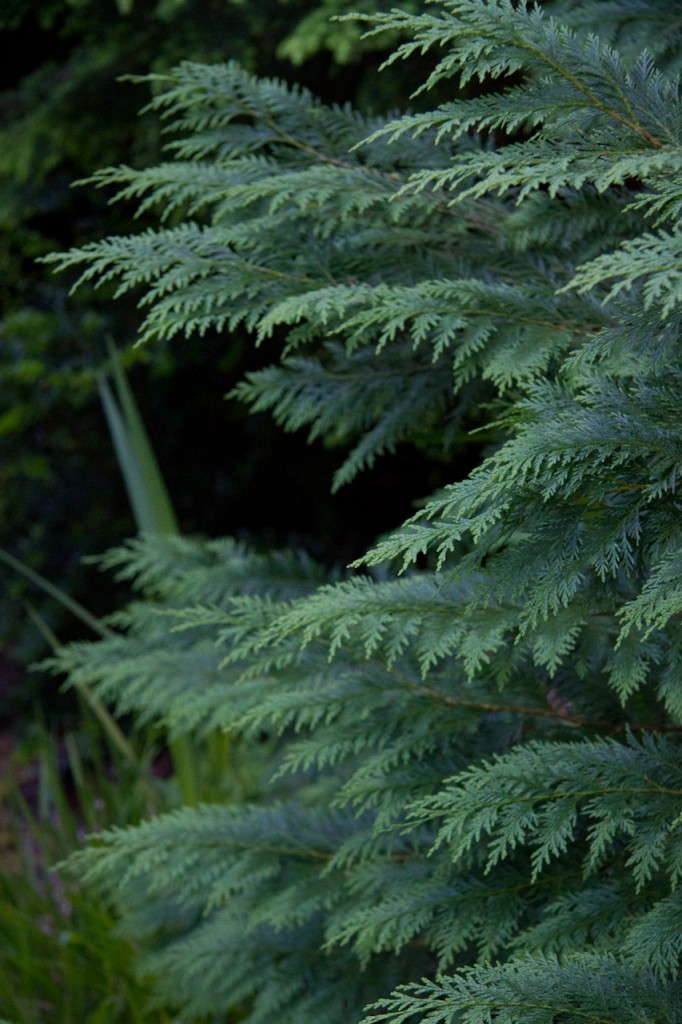
Gigantic Sitka Spruce from below. The base of this old wood was easily nine feet thick.
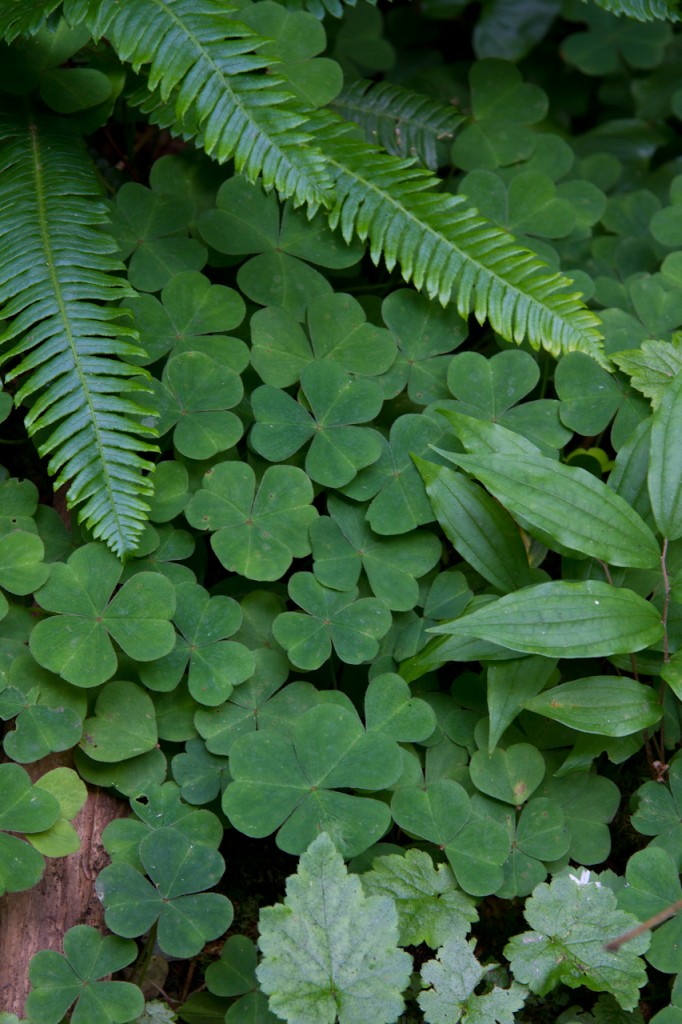
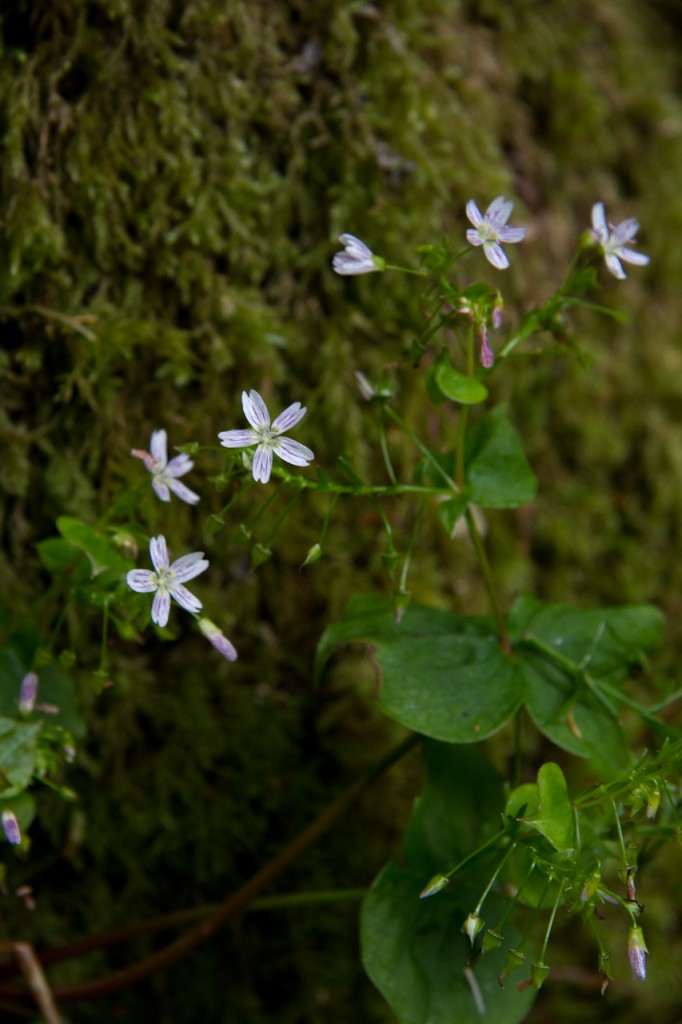
Being from a fairly dry Colorado, the amount of green in the forest was astounding. Shamrocks and Ferns.
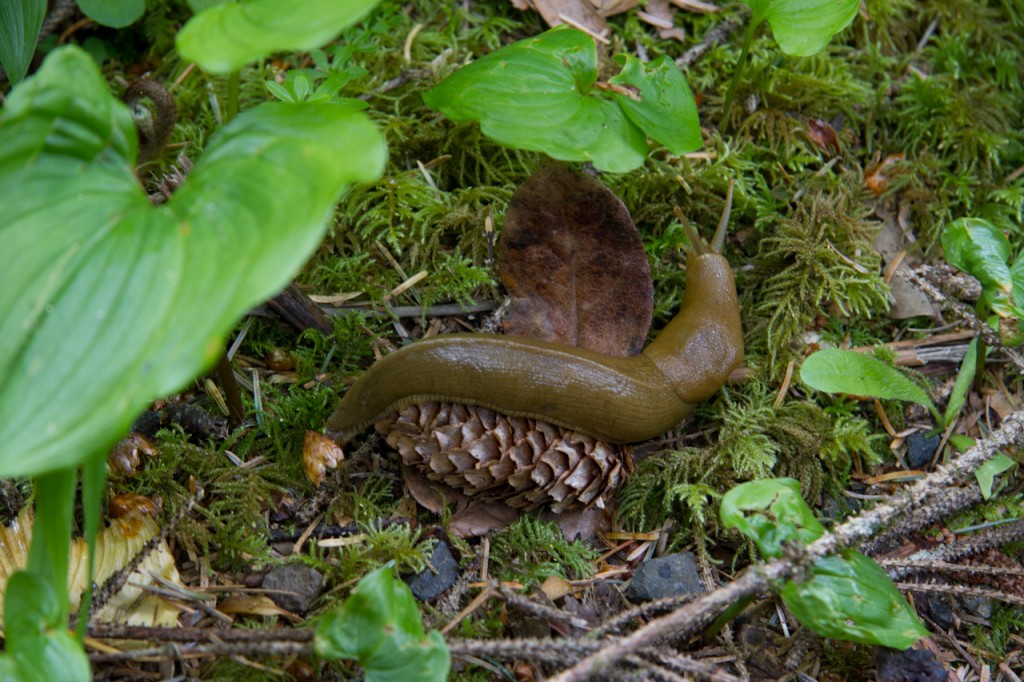
Slugs four inches long! And these aren't even the famous Banana Slugs.
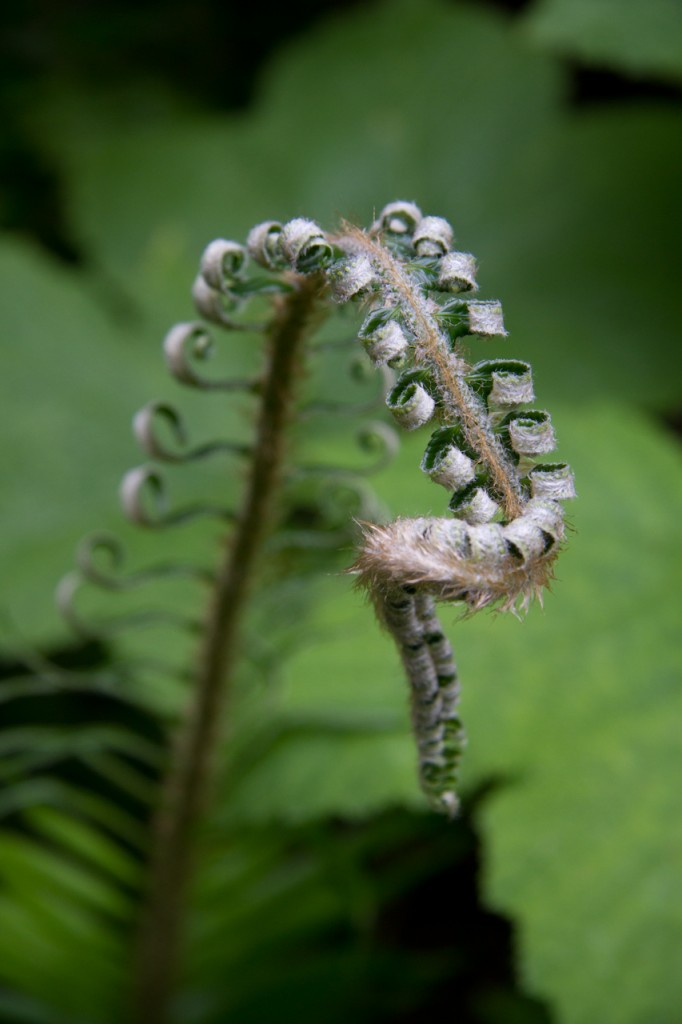
Sword Fern?
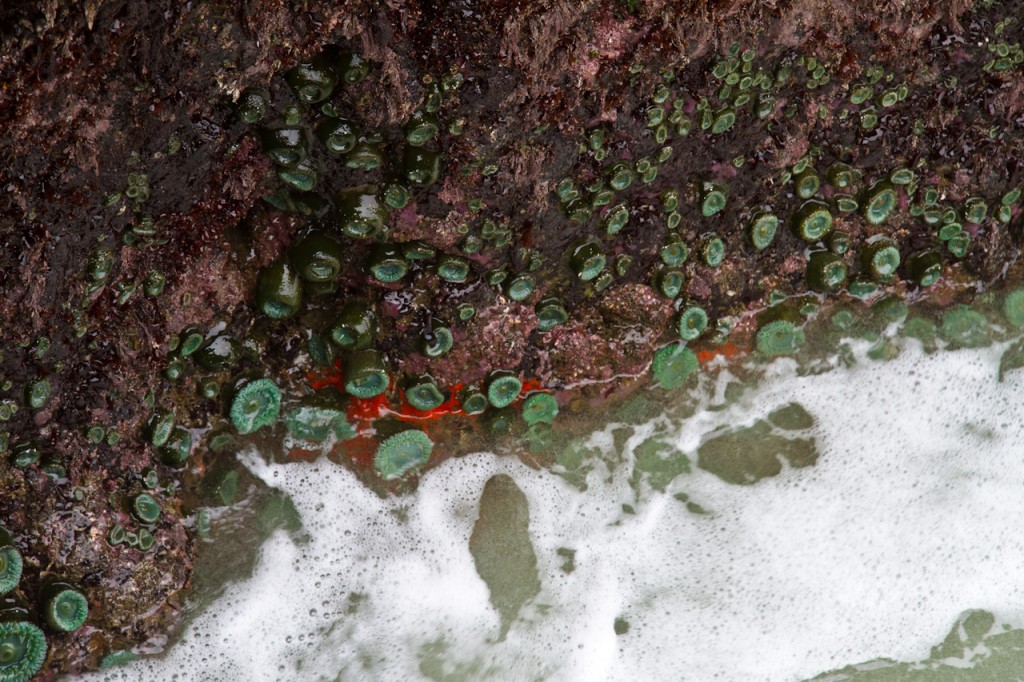
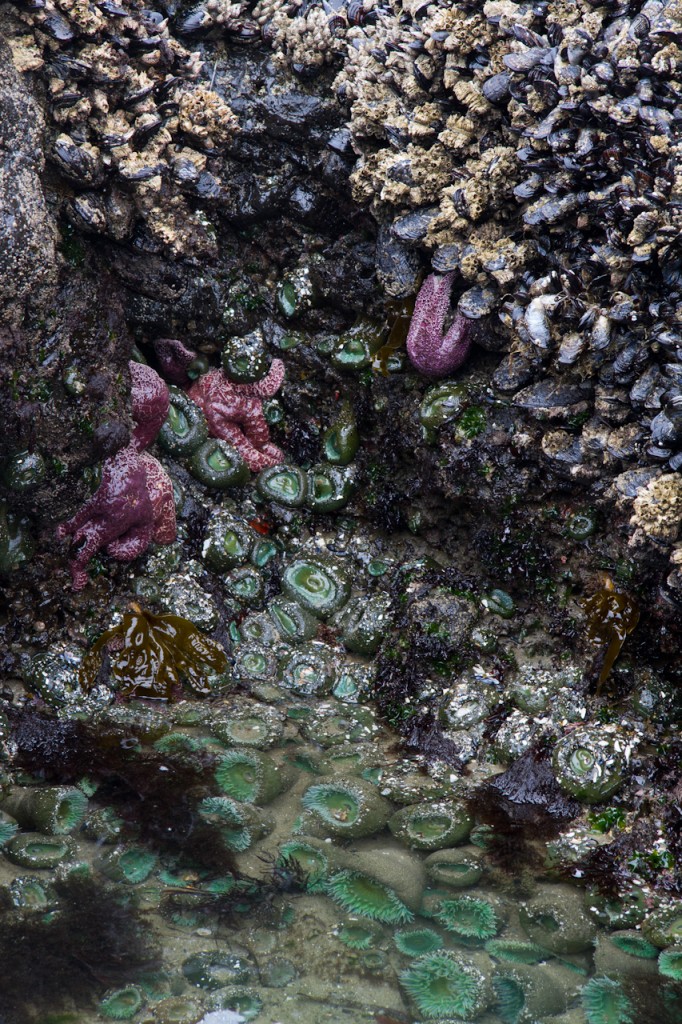
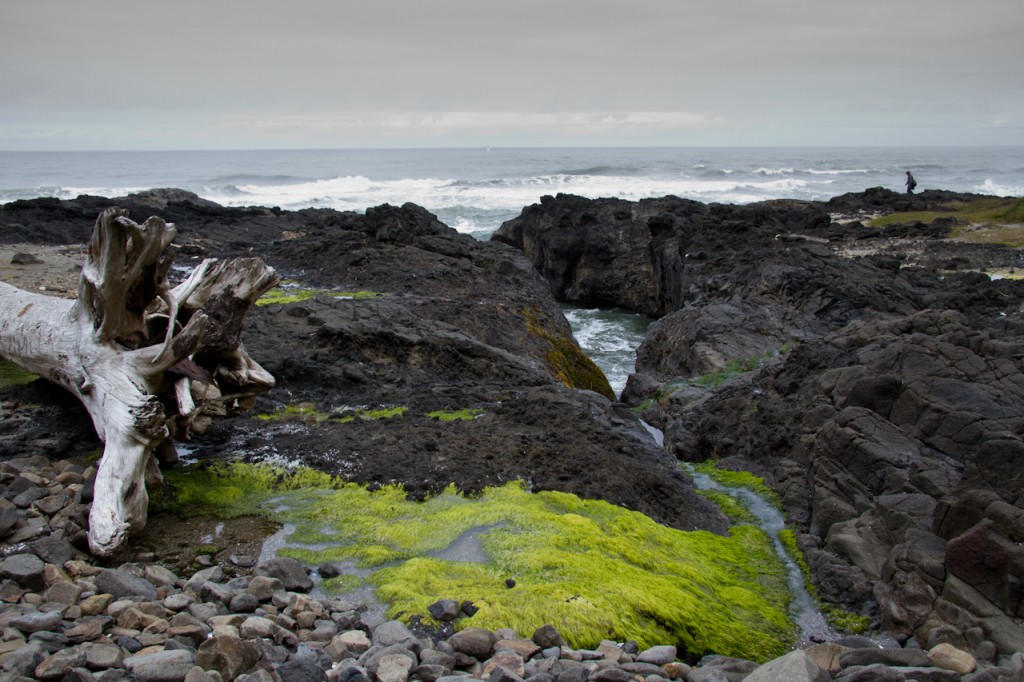
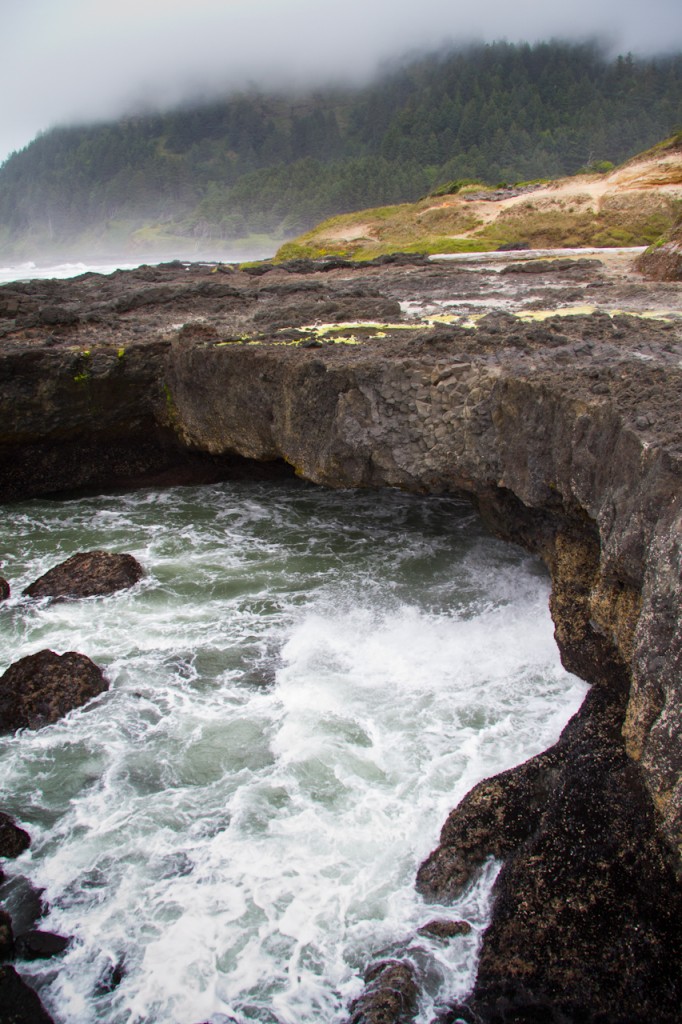
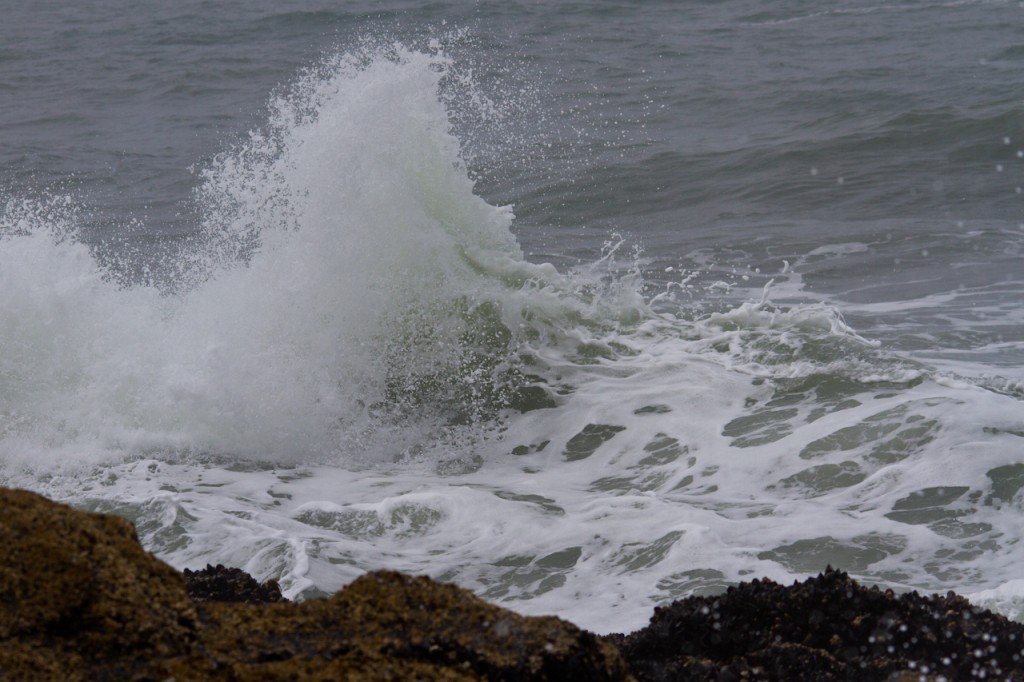
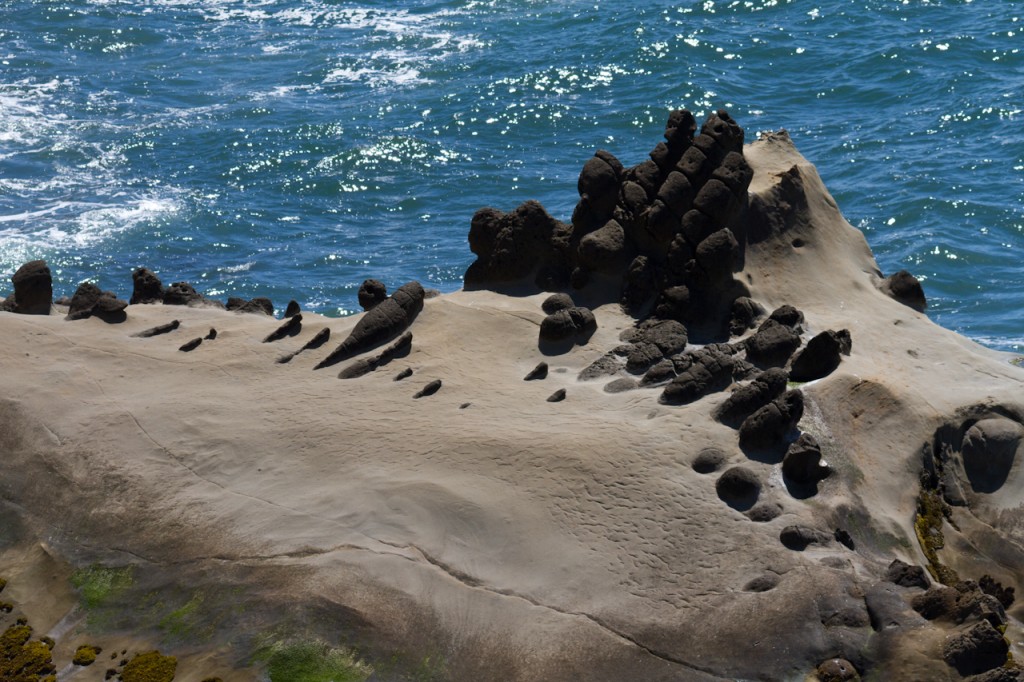
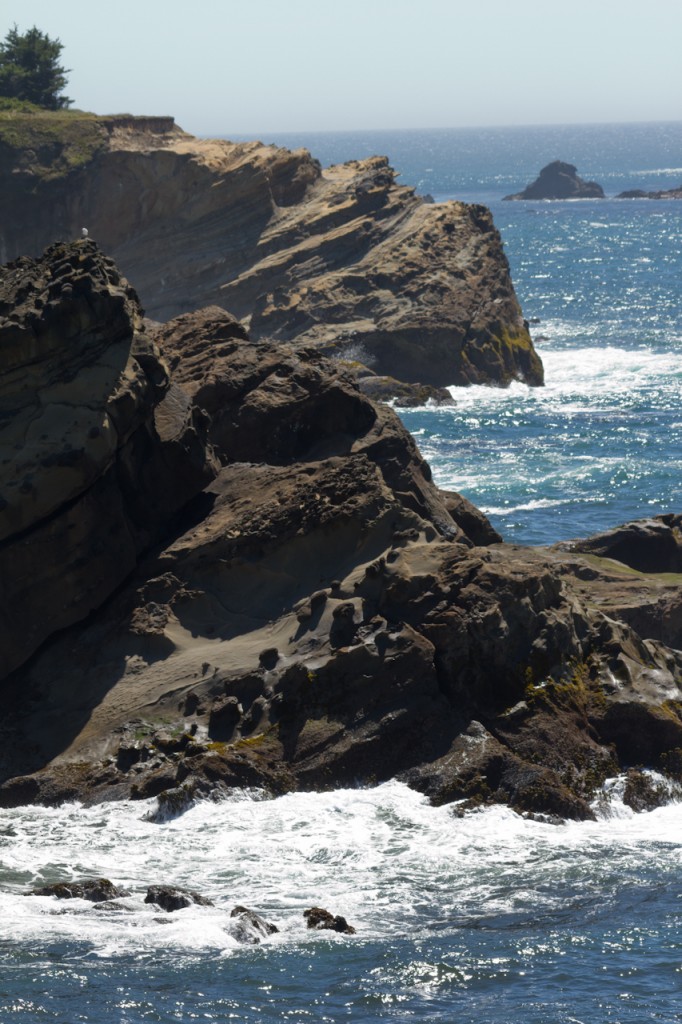
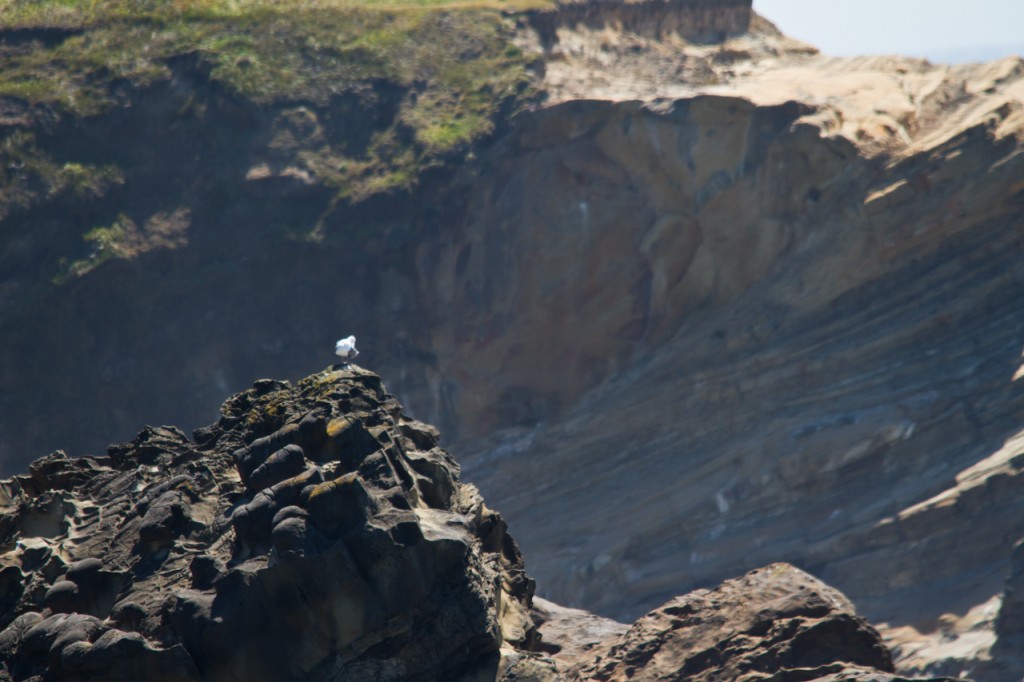
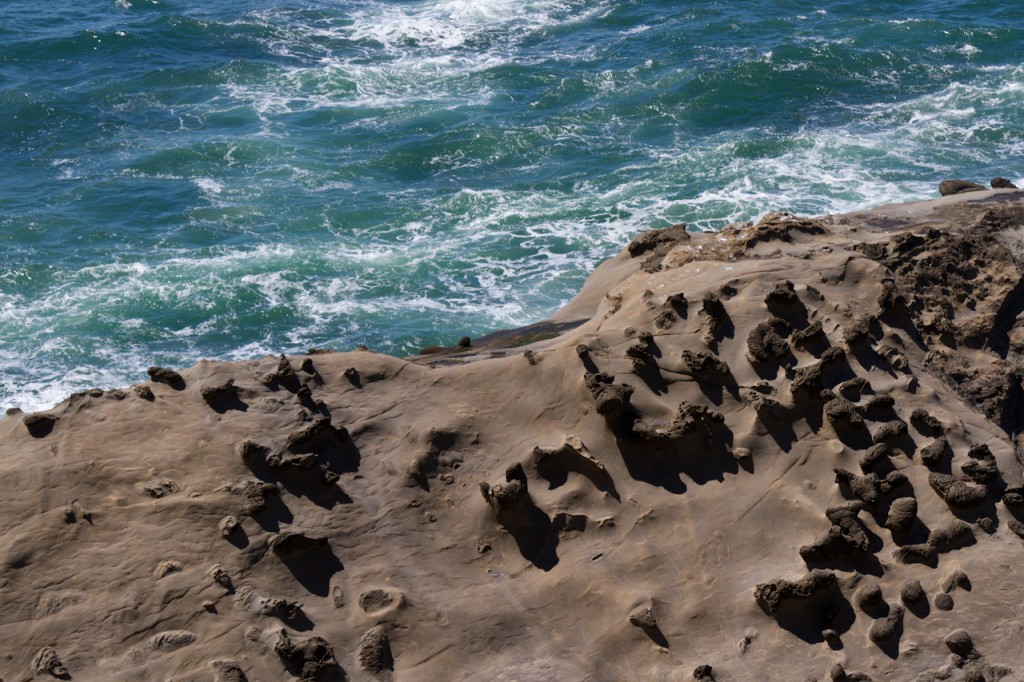
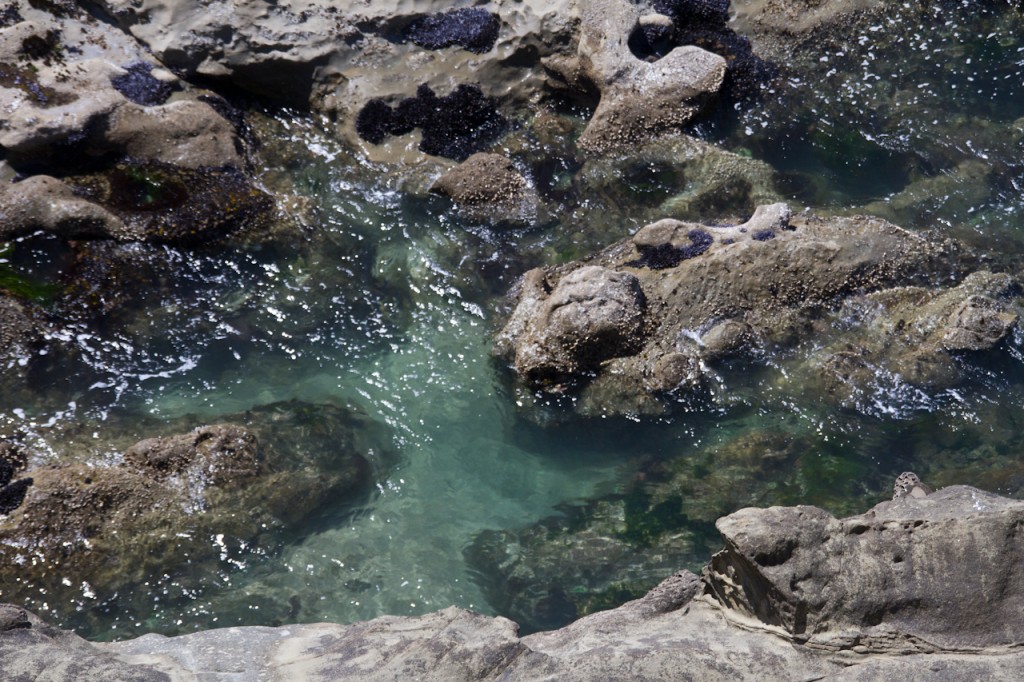
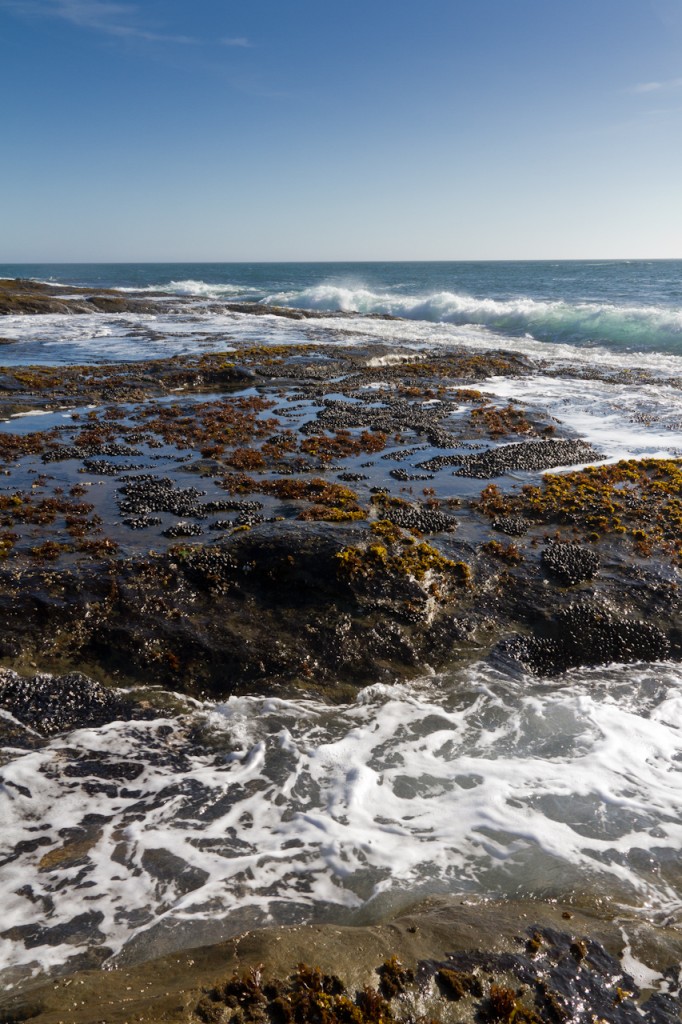
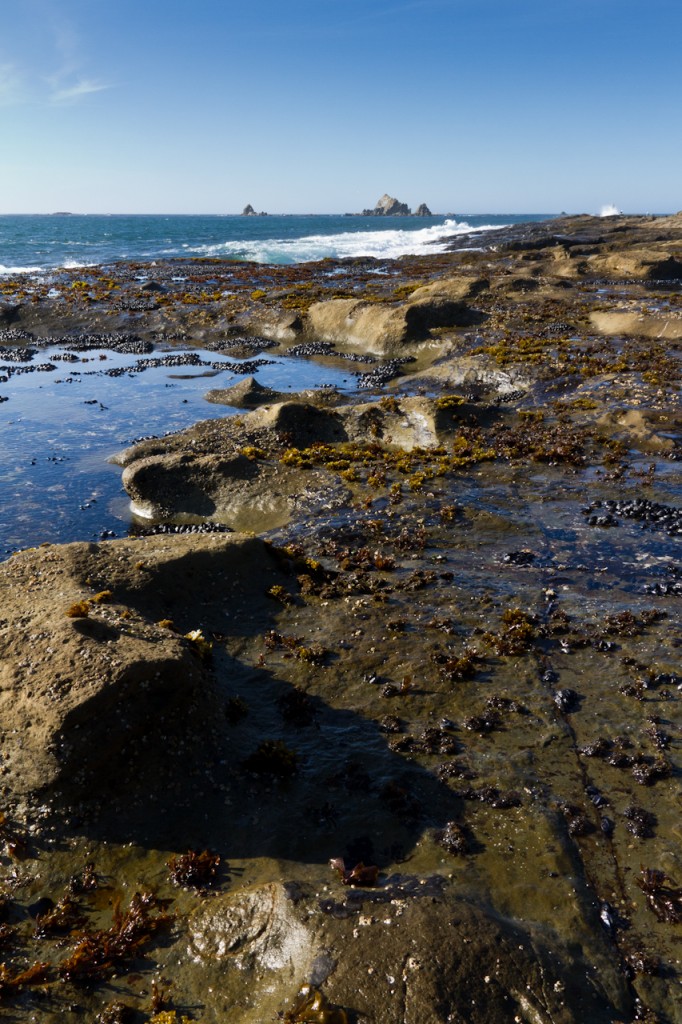
Tide Pool life
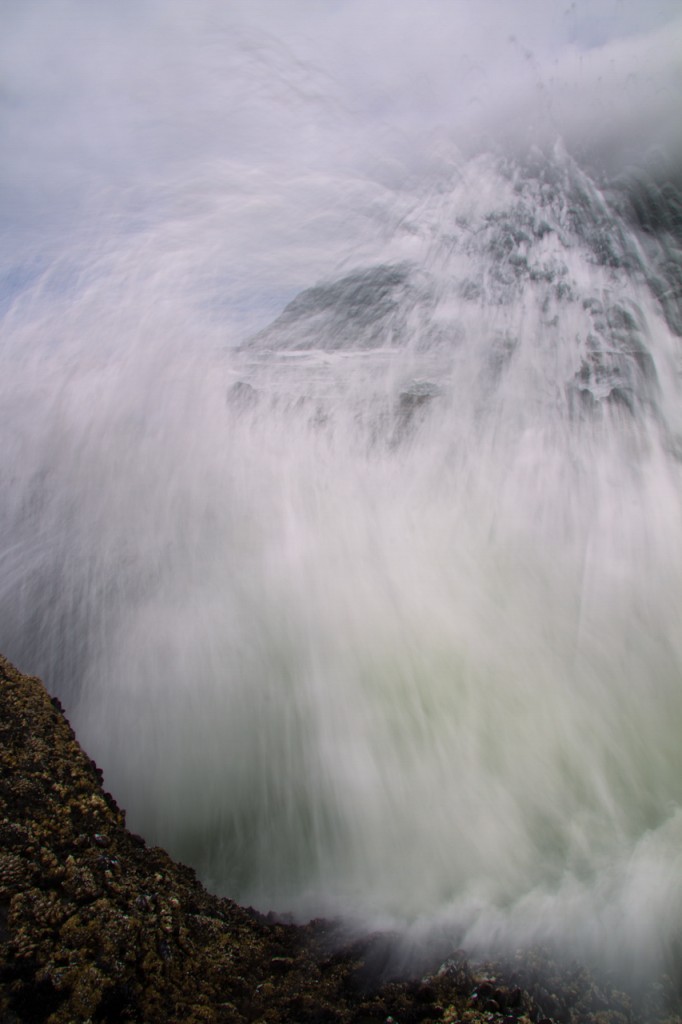
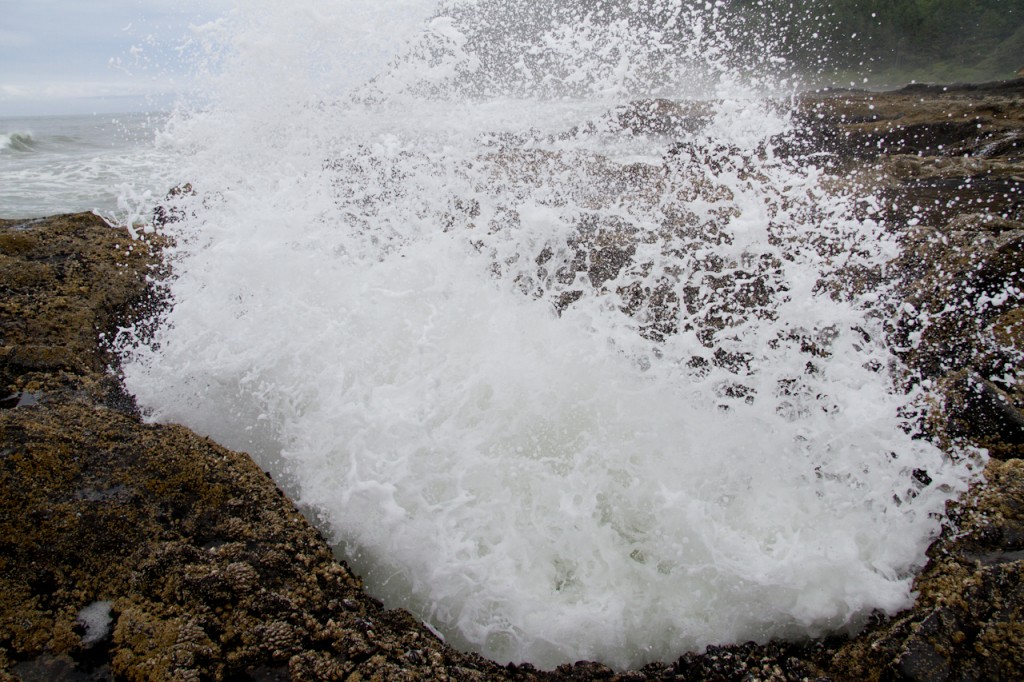
Thor's Well spouting off.
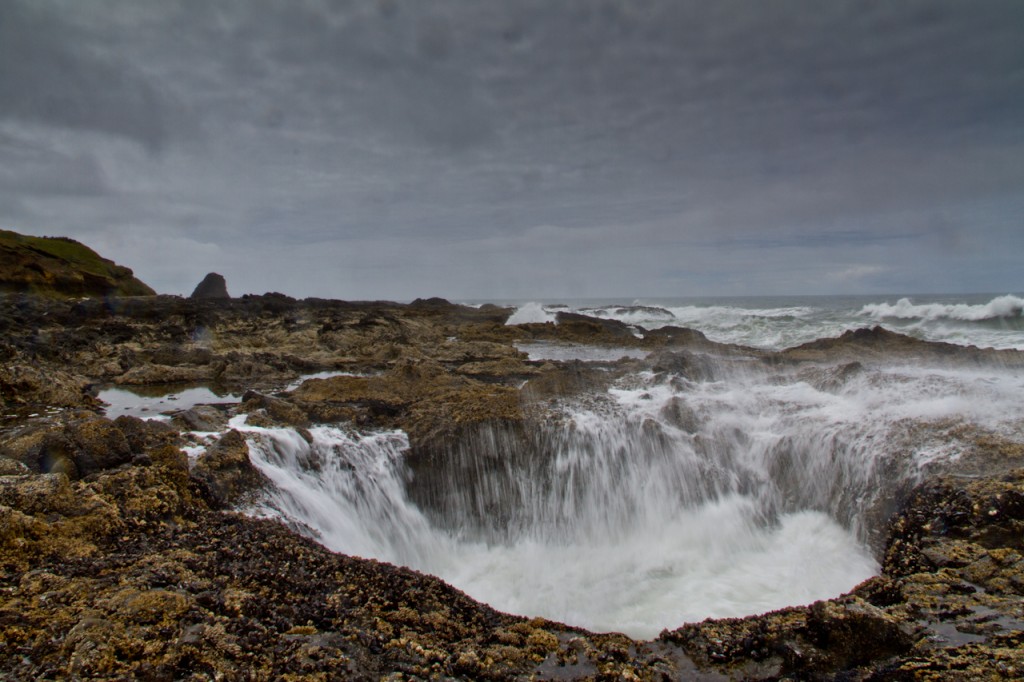
Thor's Well
Thor's Well, Cape Perpetua
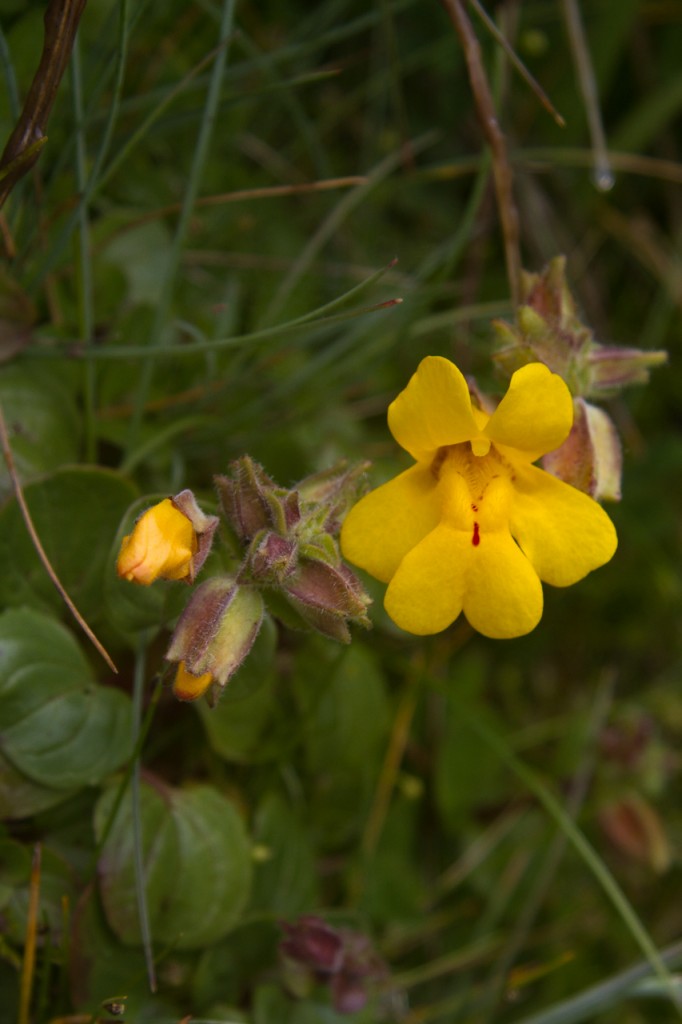
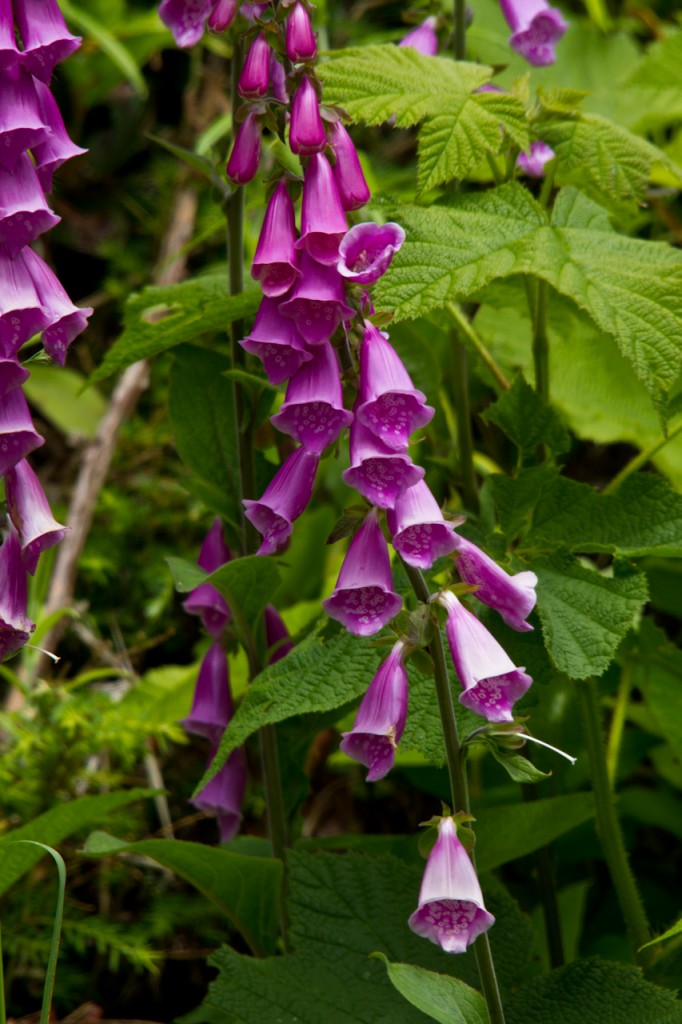
I know this is Foxglove. This one is for my Aunt Judy.
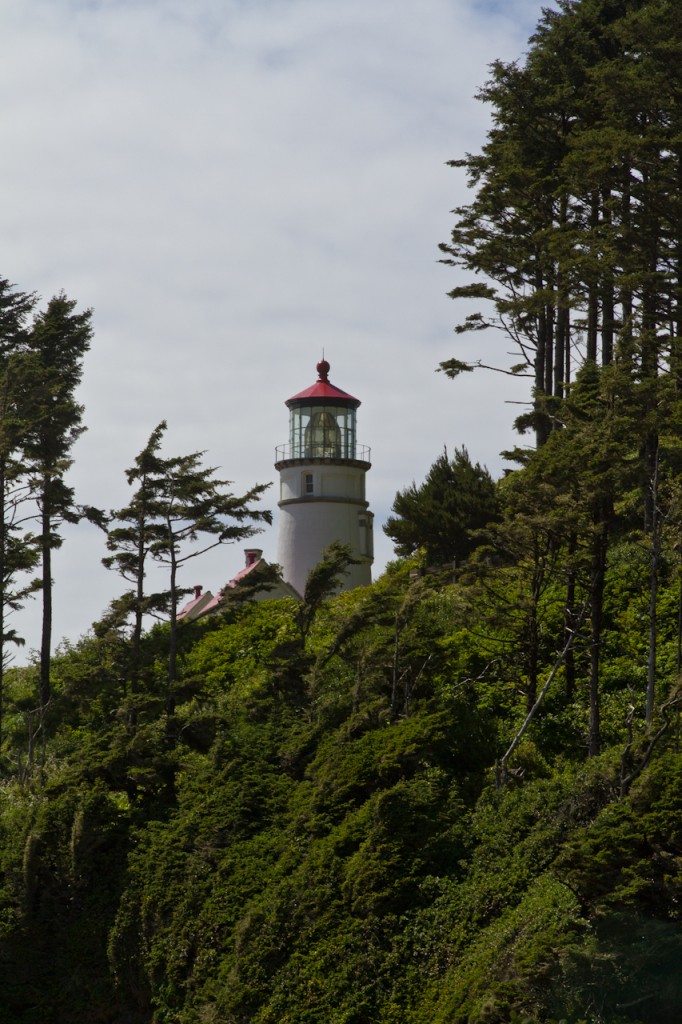
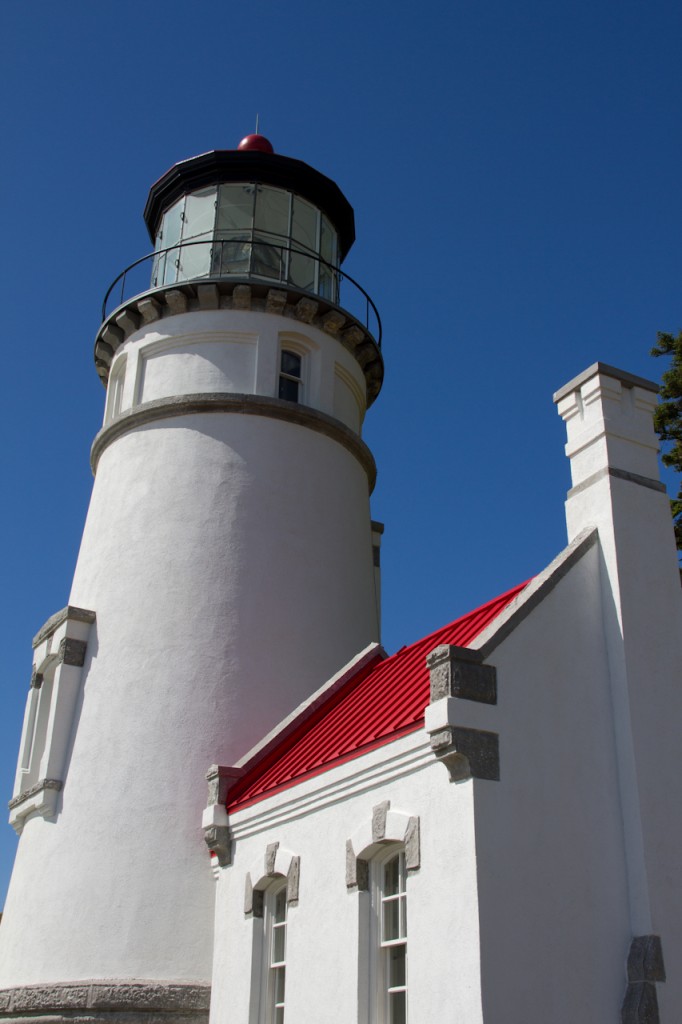
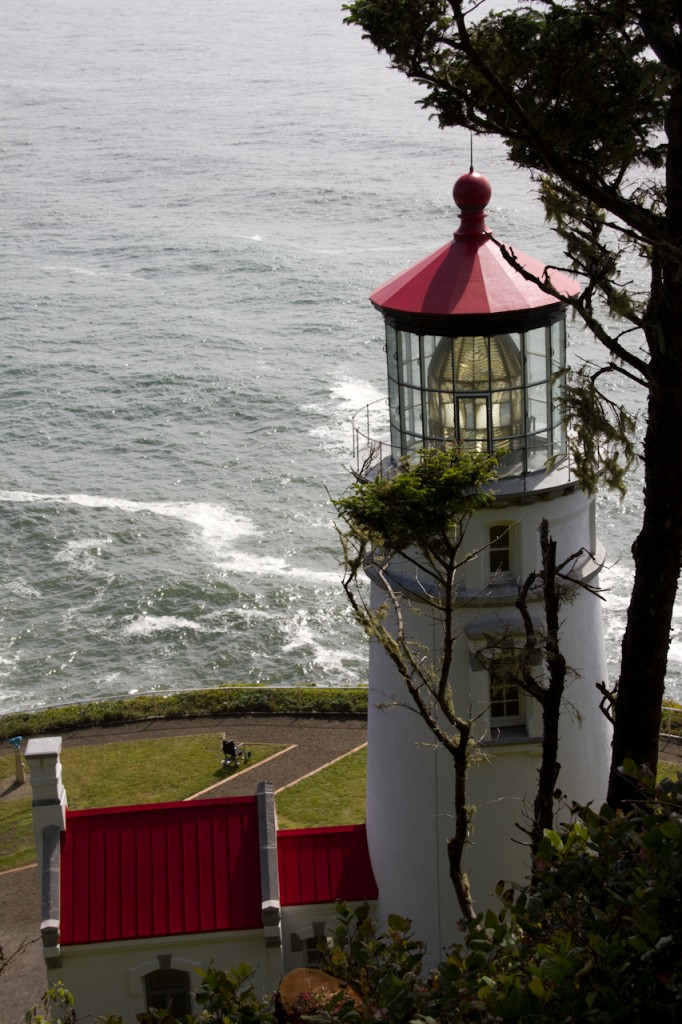
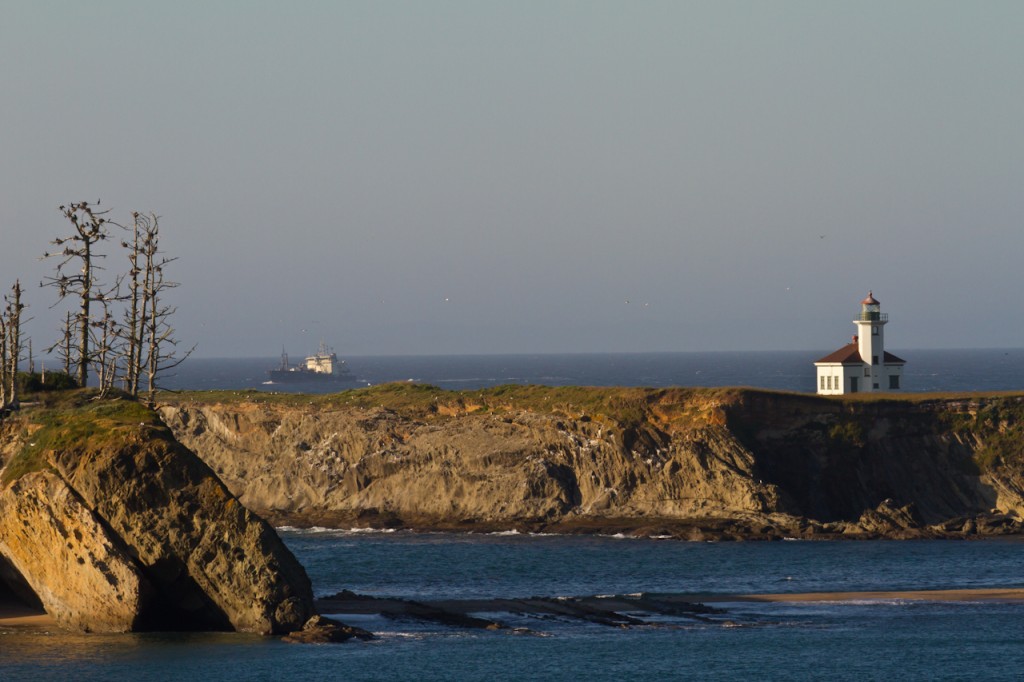
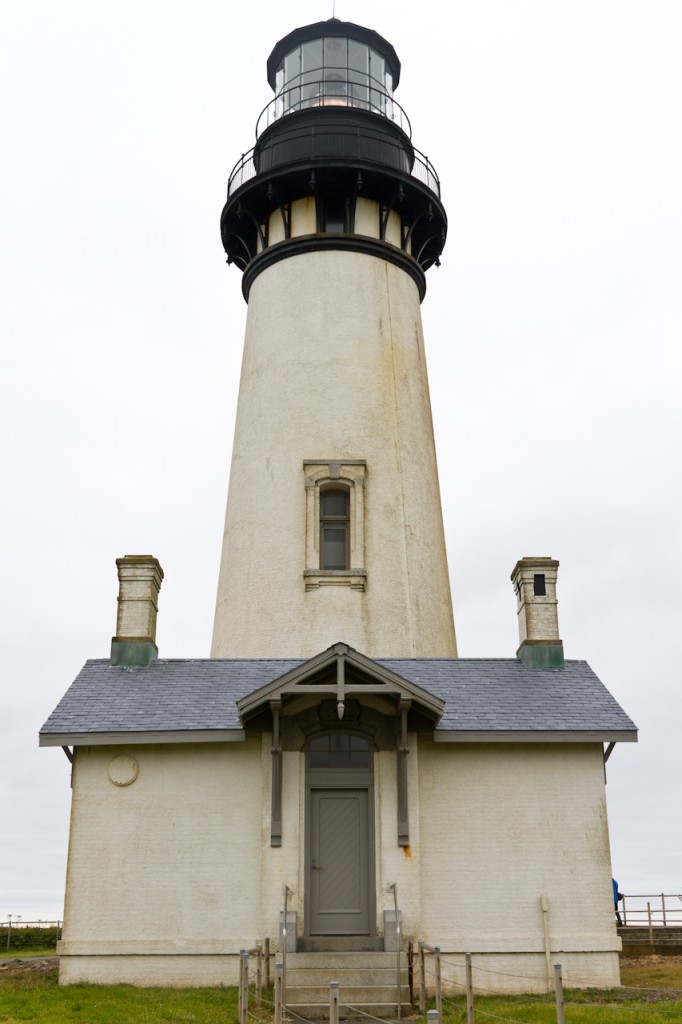
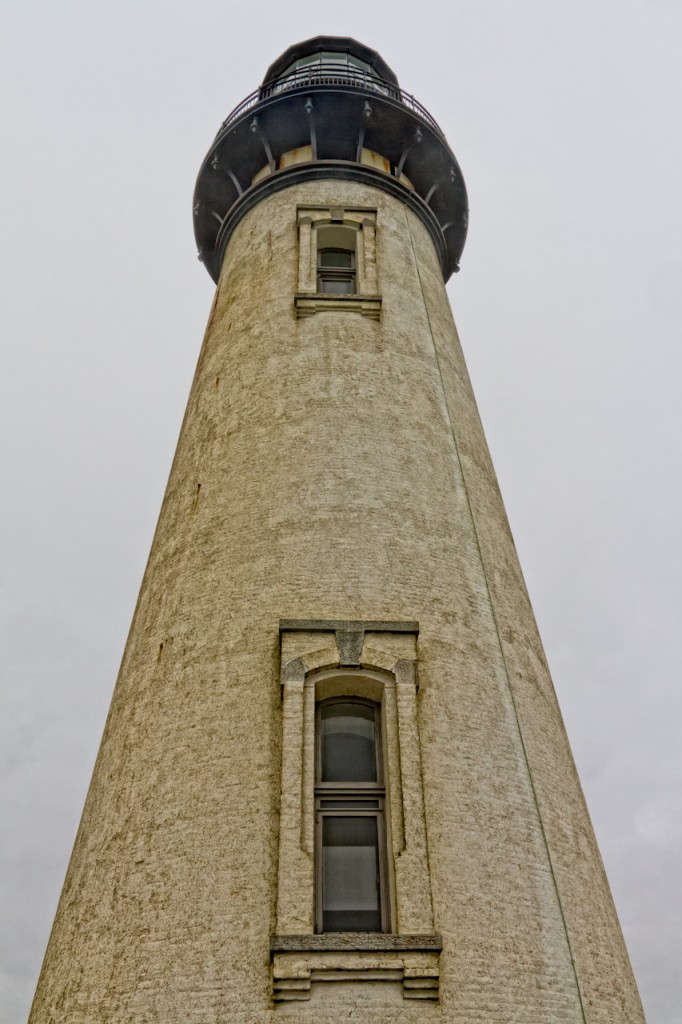
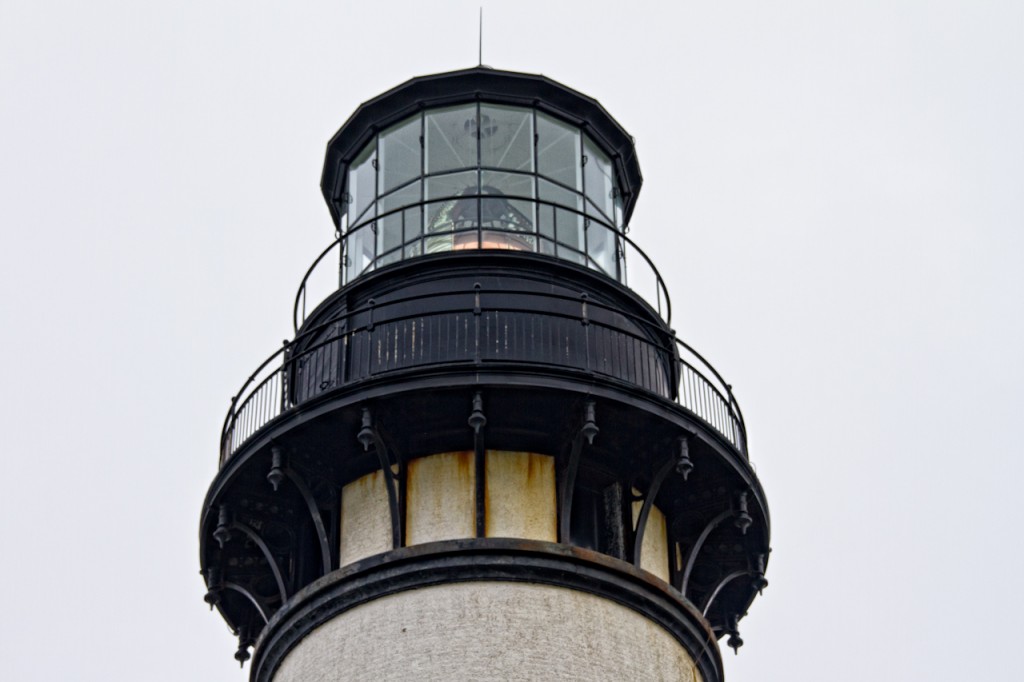
Cape Perpetua lighthouse under a flawless blue sky.
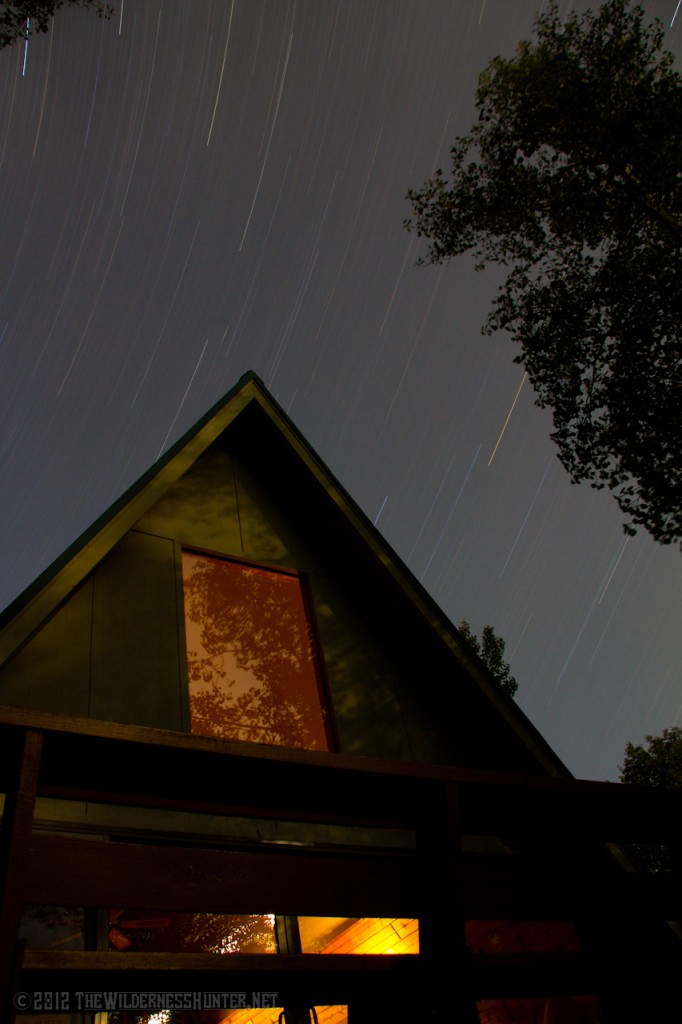
This post won’t be as long as the last one, I promise. This is meant to be a summary of summer this year for me in the mountains. My tenth anniversary was in August, and I spent a week with my lovely wife doing things that were meant to be a retrospective of our time together, hiking, horseback riding among them. A short visit to the A-frame cabin came later in August, where we were surprised with a smattering of prematurely changing aspen leaves. Unfortunately, time was short in the summer, but I knew that soon fall would be here, and fall is my absolute favorite time of year in the mountains.
Buffalo Mountain at the middle point of our horseback trip.
Buffalo Mountain
Looking east from the Ruby Ranch.
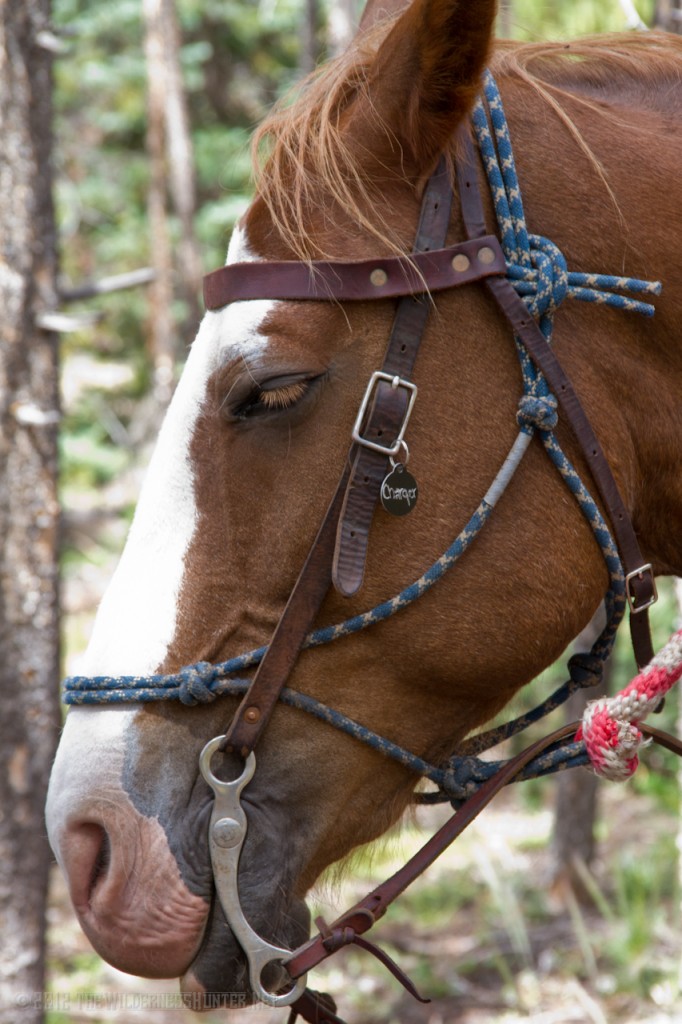
My horse for the day, Charger.
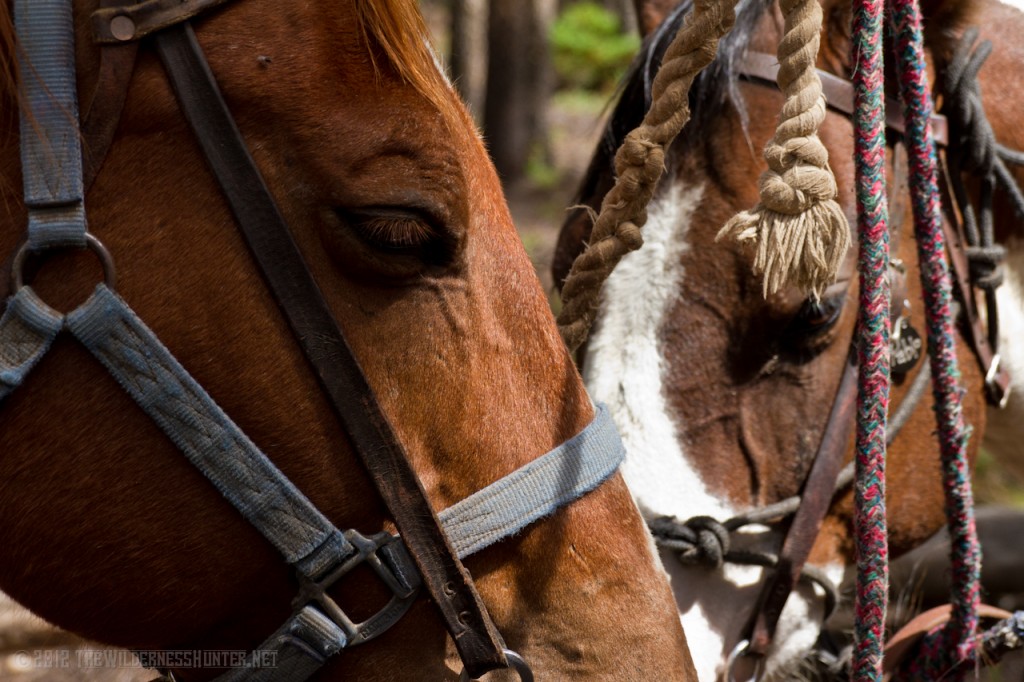
Jen's horse Georgia on the left, and Pablo on the right.
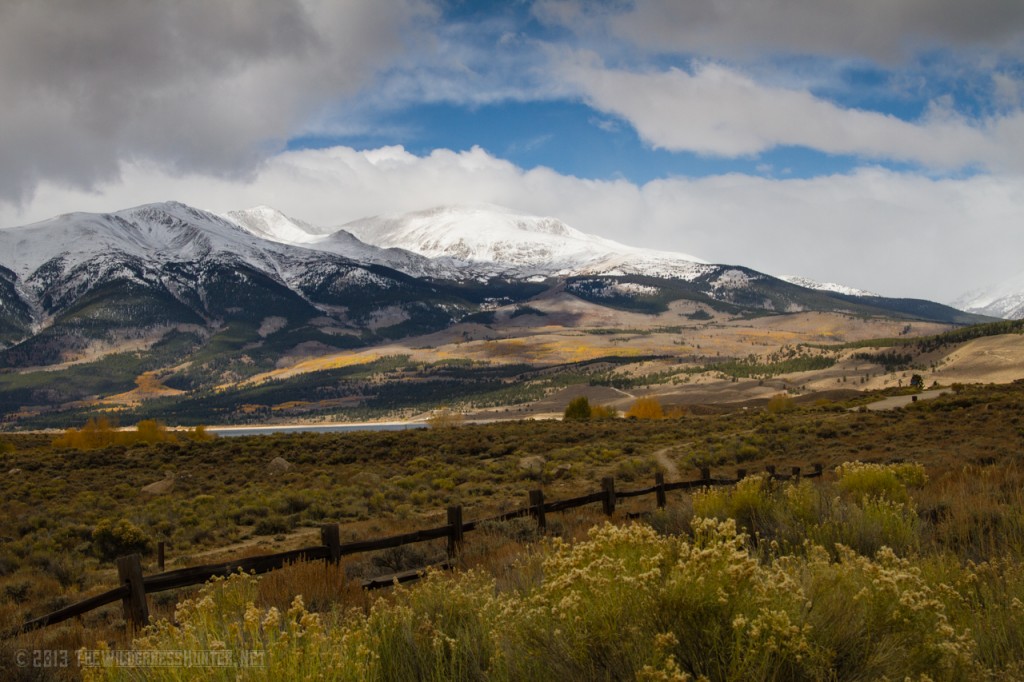
Mount Elbert on a summer morning.
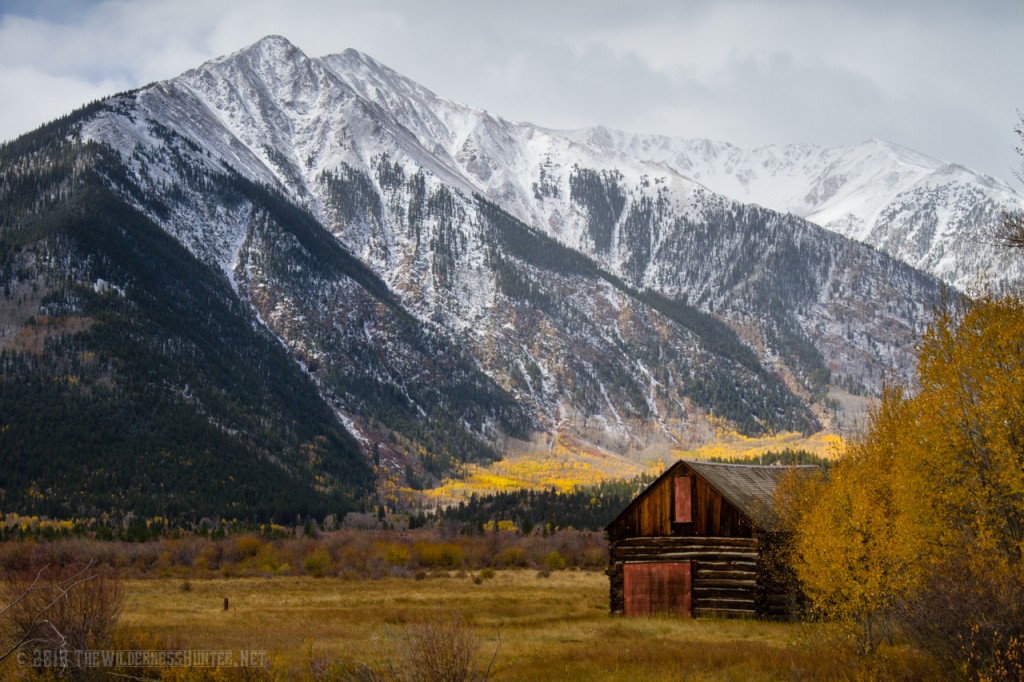
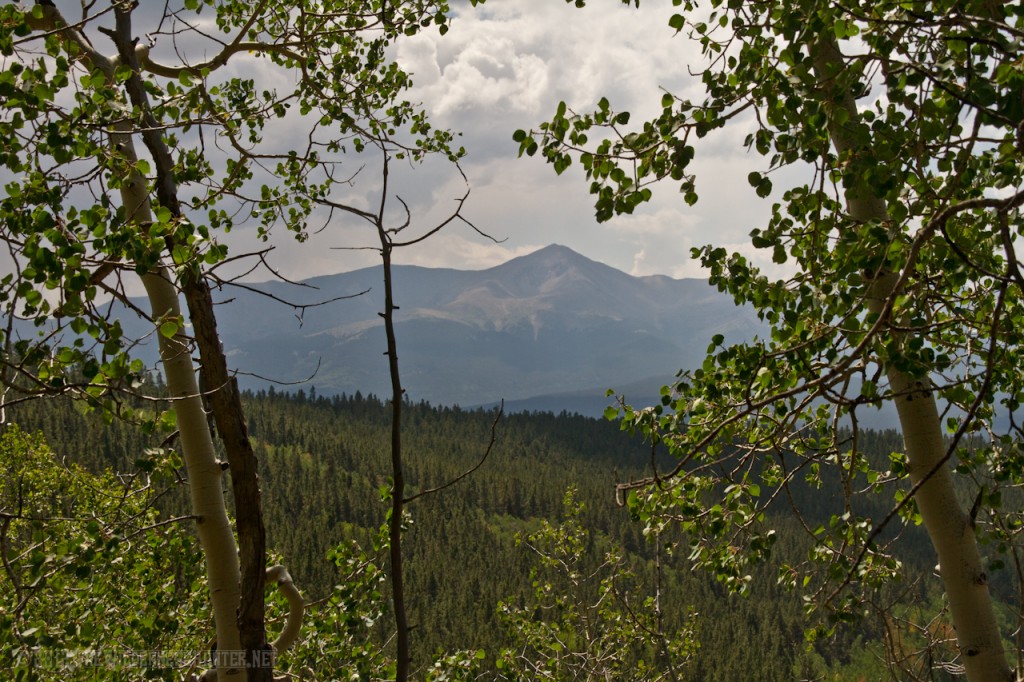
Aspens and a Colorado Blue sky.
Early Aspen color, part one.
Early Aspen color, part two.
Early Aspen color, part three.
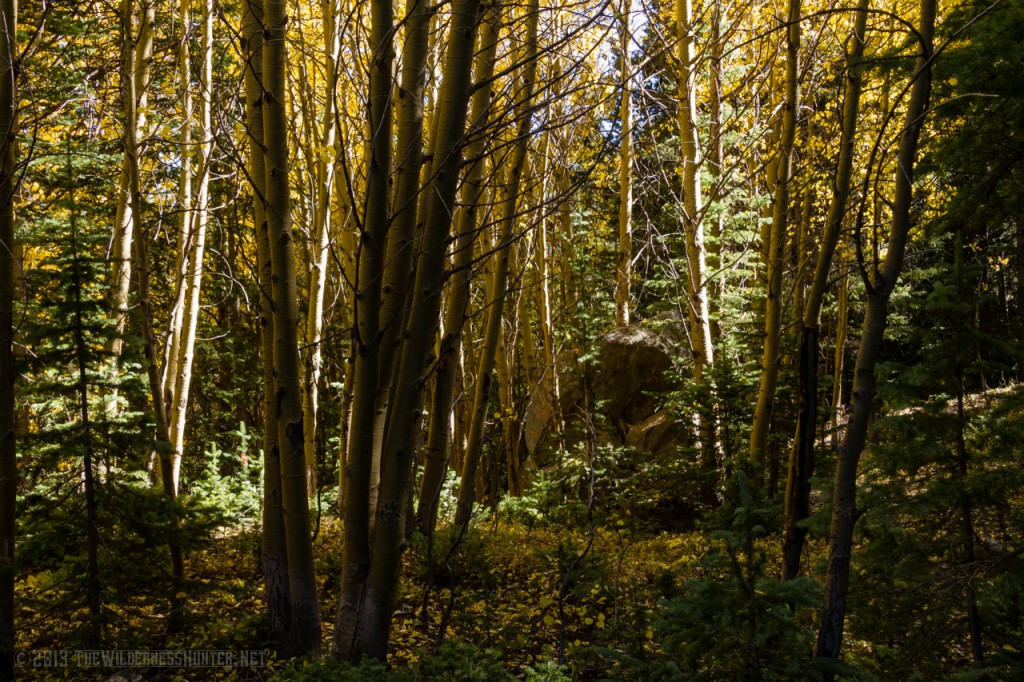
I was intrigued by the depth of this grove of Aspens, almost impossible to emulate with a photo, though I try.
Some of the first Colorado Gold of the season.
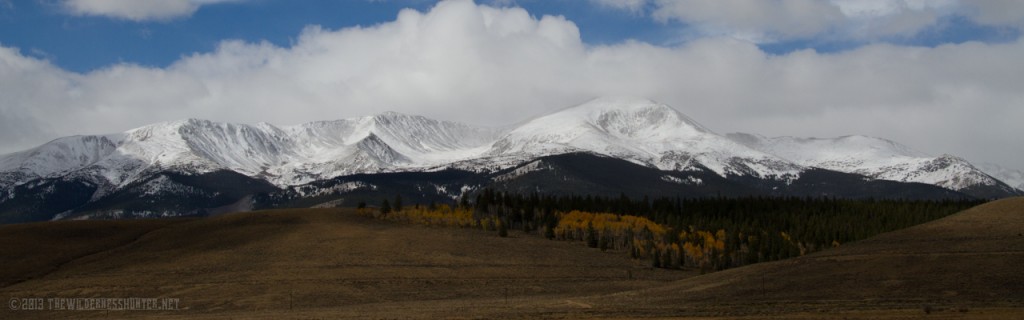
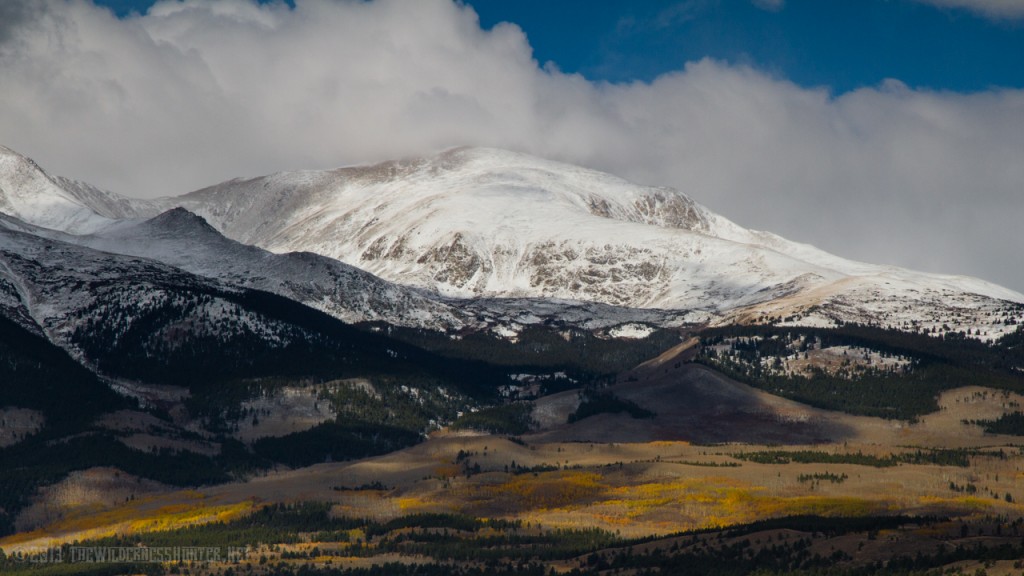
The Colorado giants: Mount Elbert at 14,443' (left) and Mount Massive at 14,421' (right)
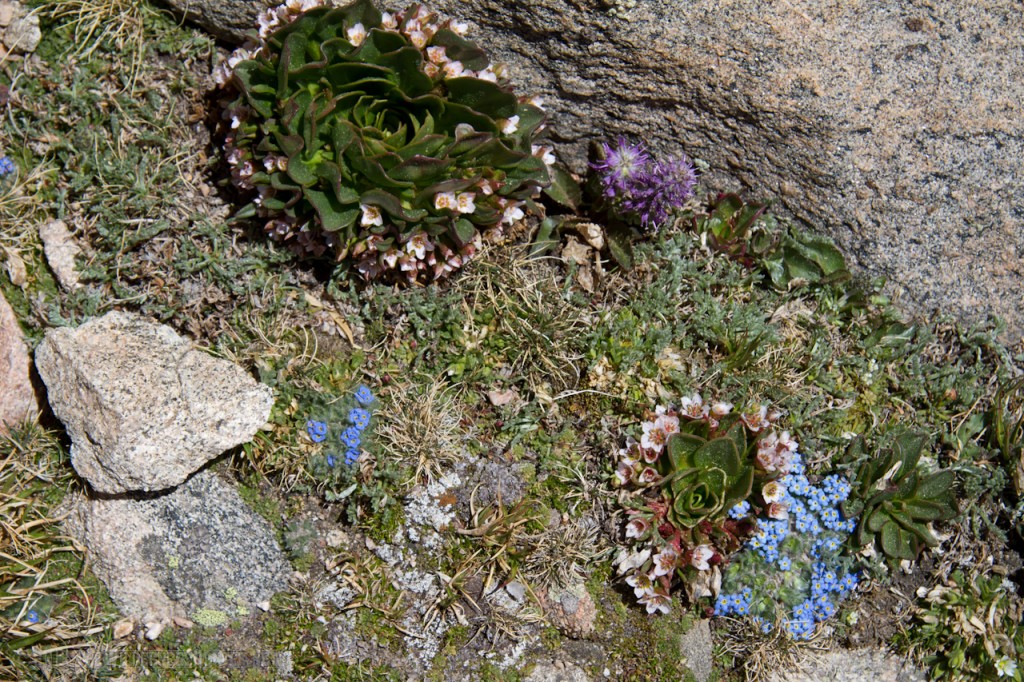
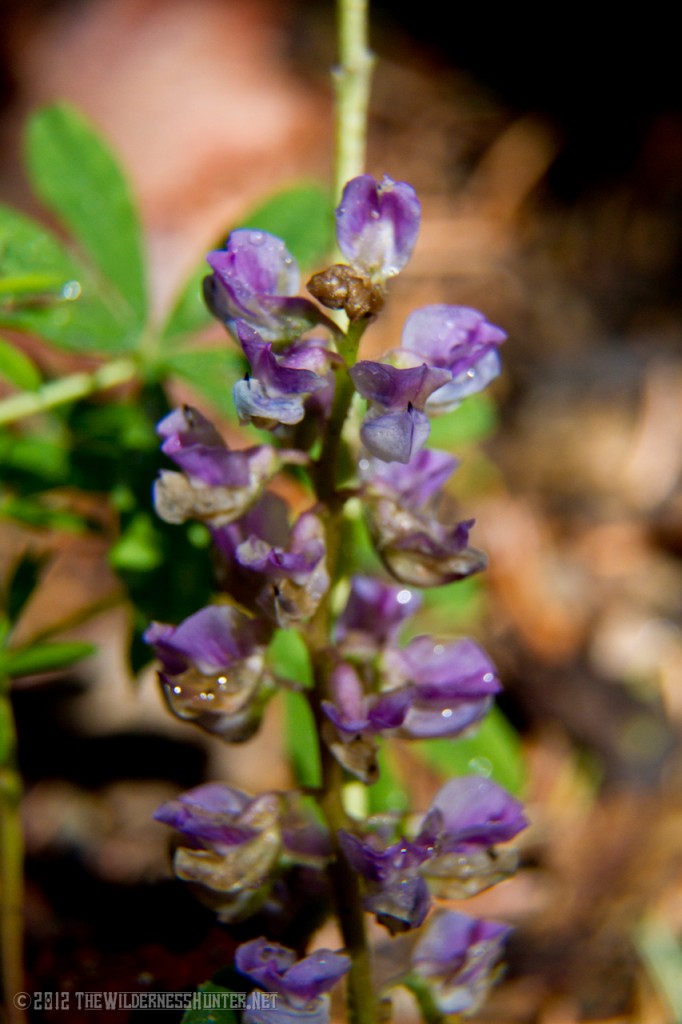
Okay so it is now almost October, and I am just now getting around to posting this. These images taken in late July when most of the rest of the state is suffering the hot summer temperatures. But above 9,000 feet, it’s spring time and the flowers were in bloom. Usually. This year however, due to a dry winter and hotter than average temperatures, spring came to the high country about a week or two earlier than I was expecting. My cousin, Brooke and I headed up to Rocky Mountain National park with a vague plan of attack, the only solid thing was that we wanted to make some images of some flowers. After a quick stop off in Boulder for some camping necessities, we headed to the east entrance of RMNP, hoping there were still some camp sites available on the east side. Which of course there were not, what were we thinking?! Friday night at the end of July, on the Front Range side. Though it didn’t help that one of the major campgrounds was closed. So over the hill we headed to the Timber Creek campground where we were assured there were sites available. After a VERY foggy and wet drive over Trail Ridge road, we arrived at Timber Creek CG to set up camp. In the dark. And its raining. To many less hardy types, this would be the time to just turn around and head to the nearest hotel, or just go home. But for us of Lydick stock, we are used to setting up camp in the dark. And the rain. It’s almost a family tradition when camping together. Another thing on our side was the fact that I brought my canvas spike tent, which goes up in about the same time as a four man nylon tent, but is much, MUCH more comfortable and more weather resistant. After getting the tent all set up, and after a bit of mead and a “hippie food” dinner at 9:30, we went to sleep.
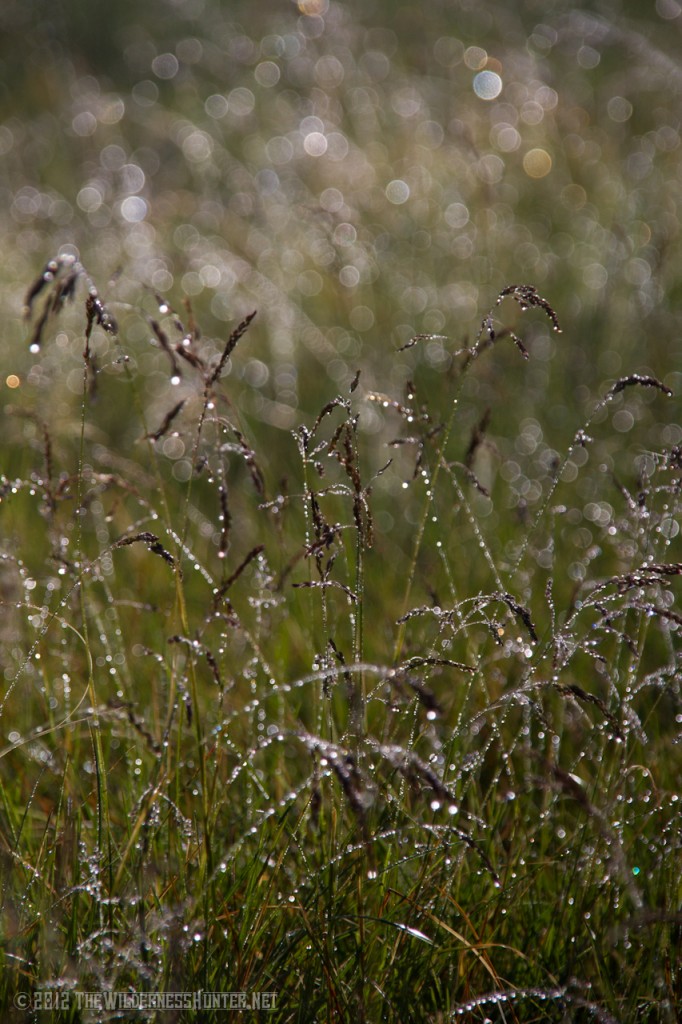
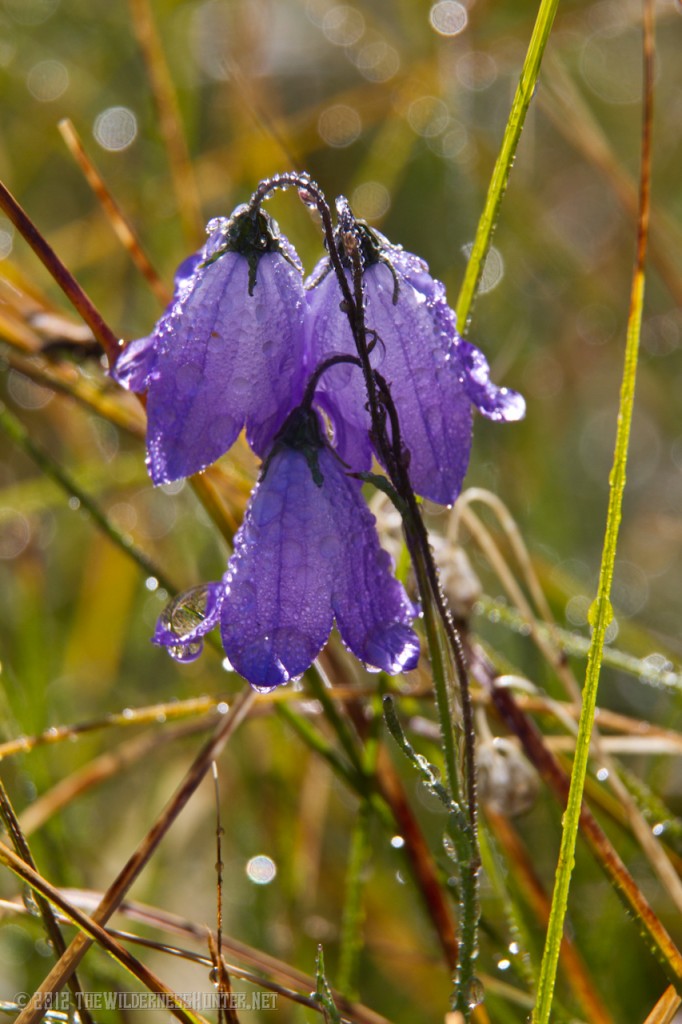
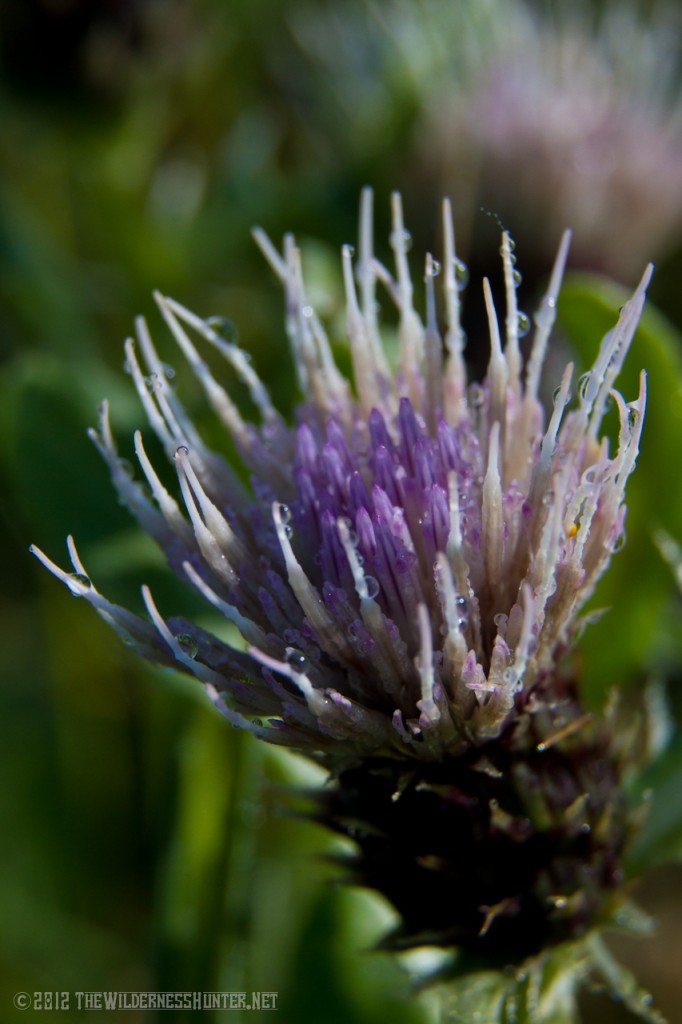
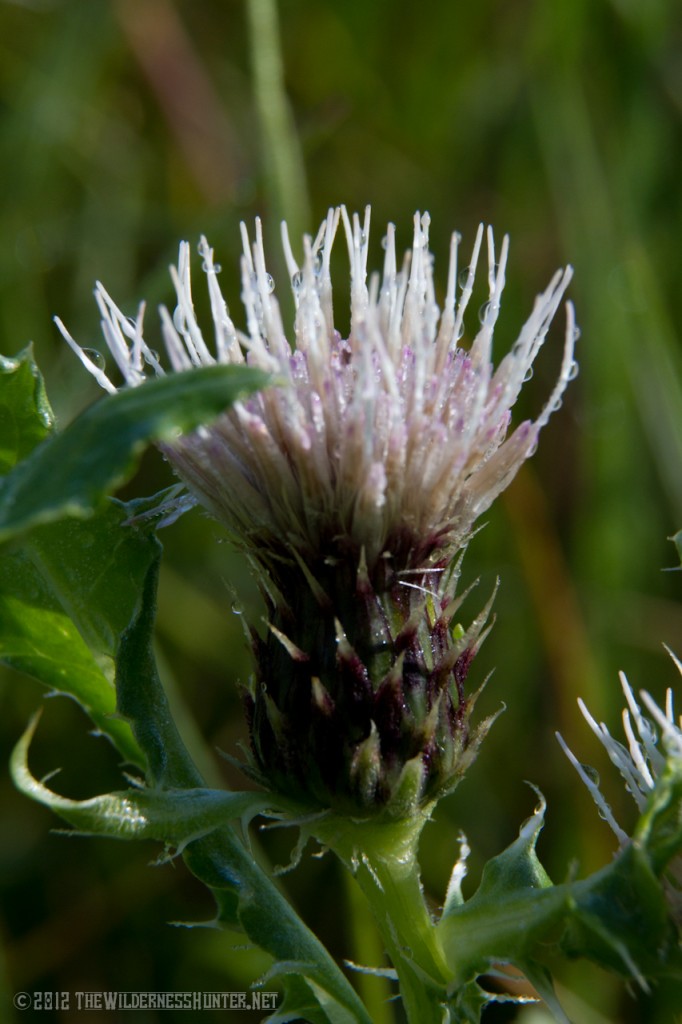
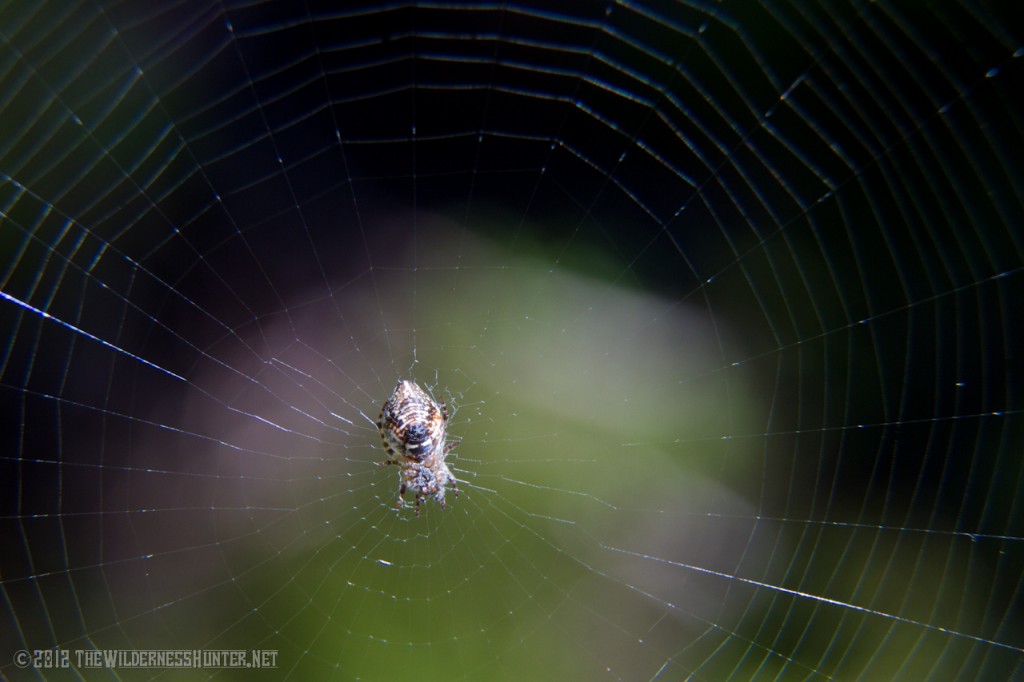
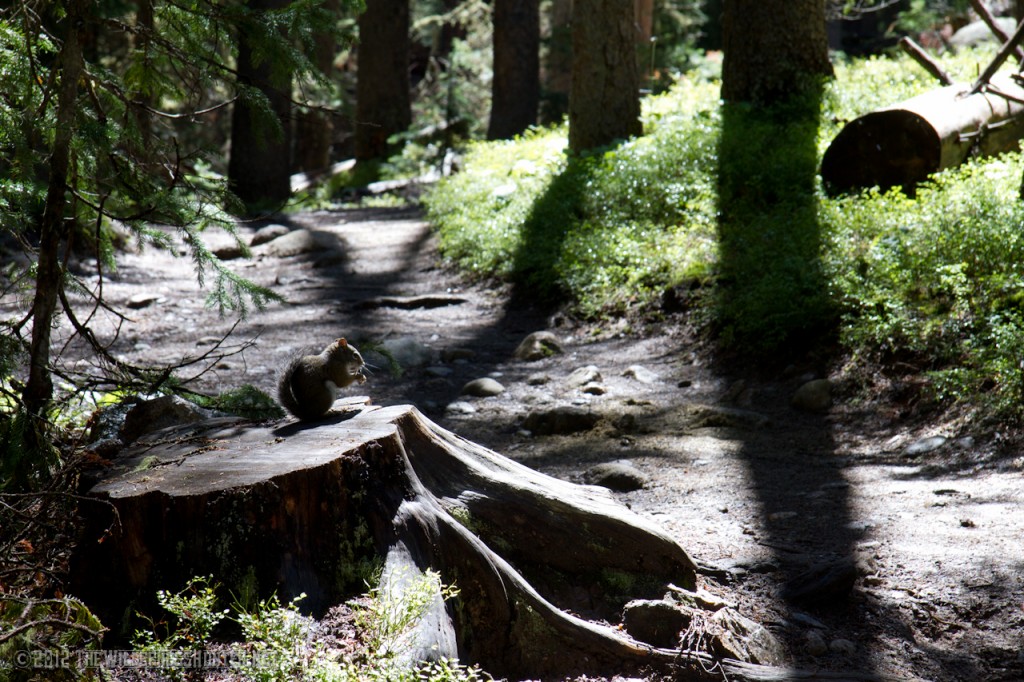
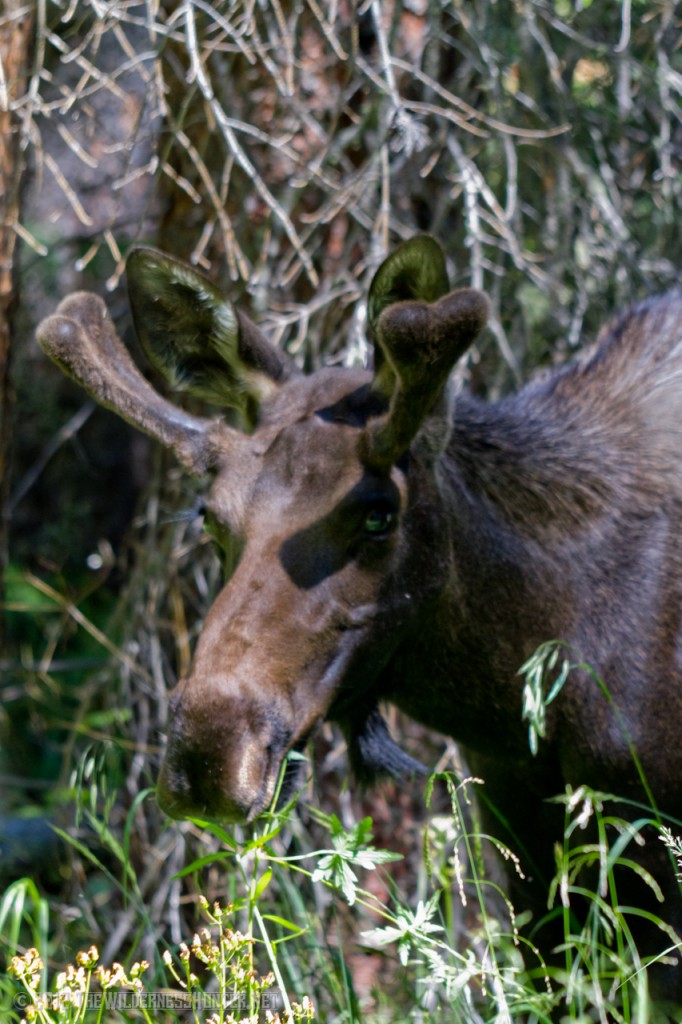
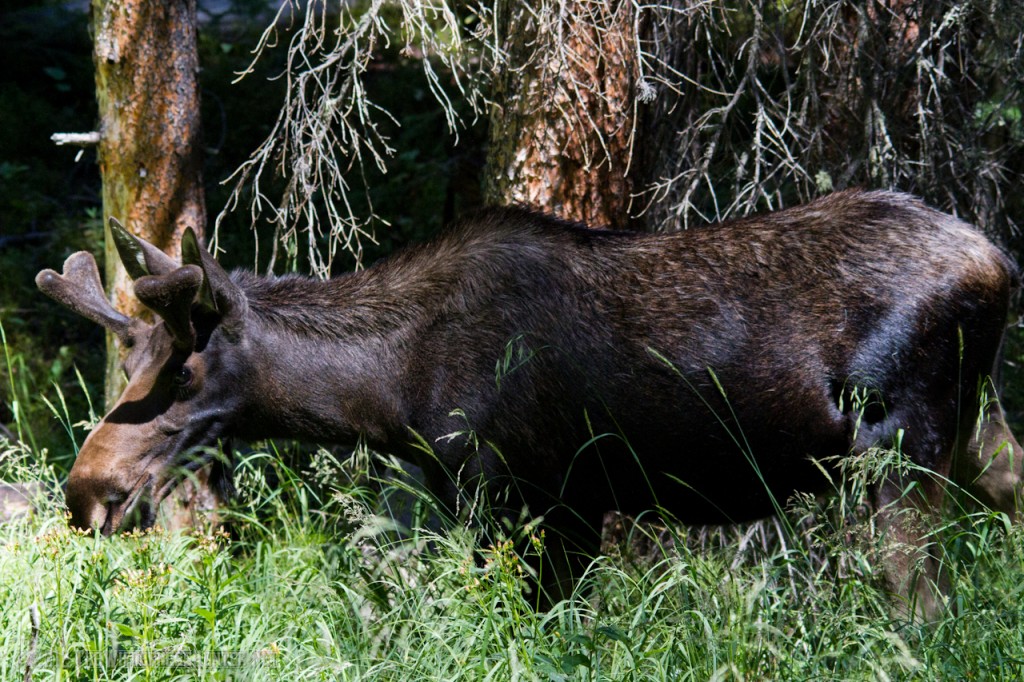
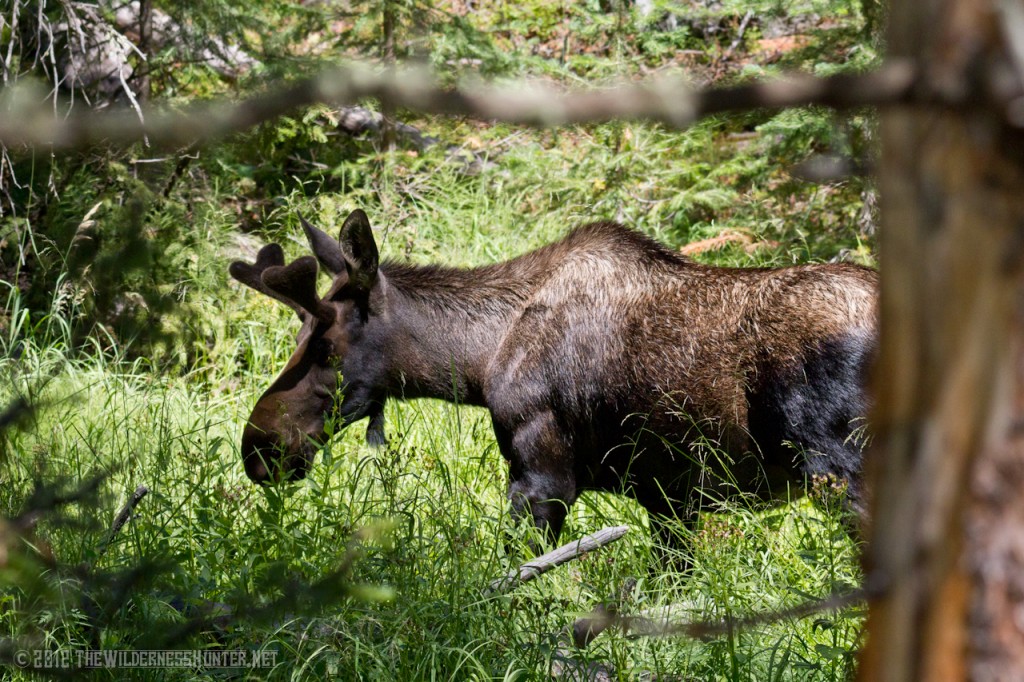
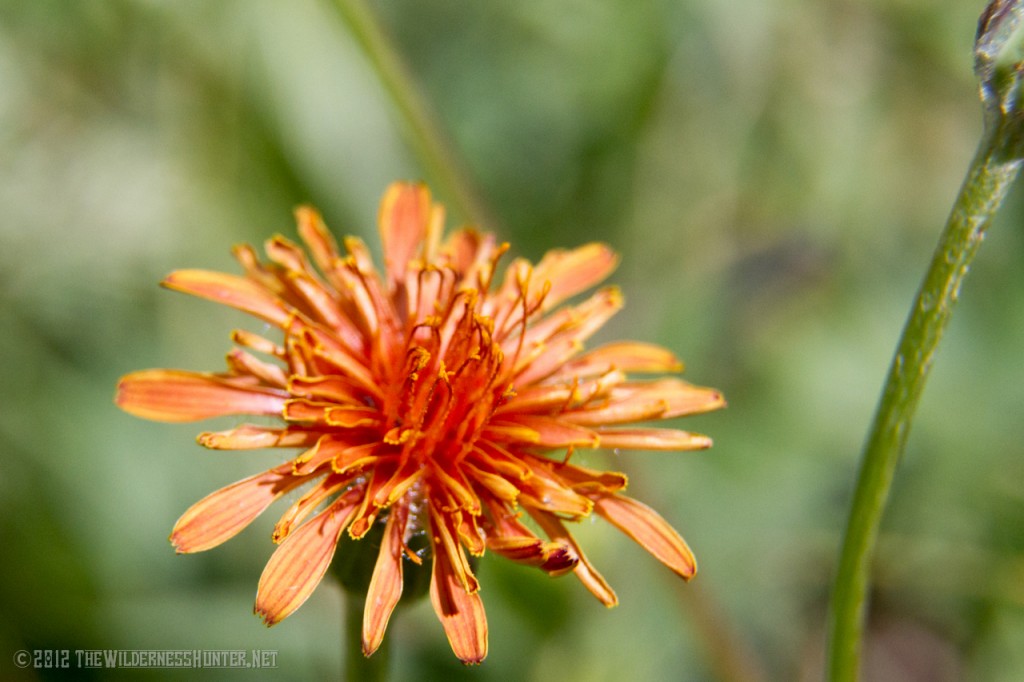
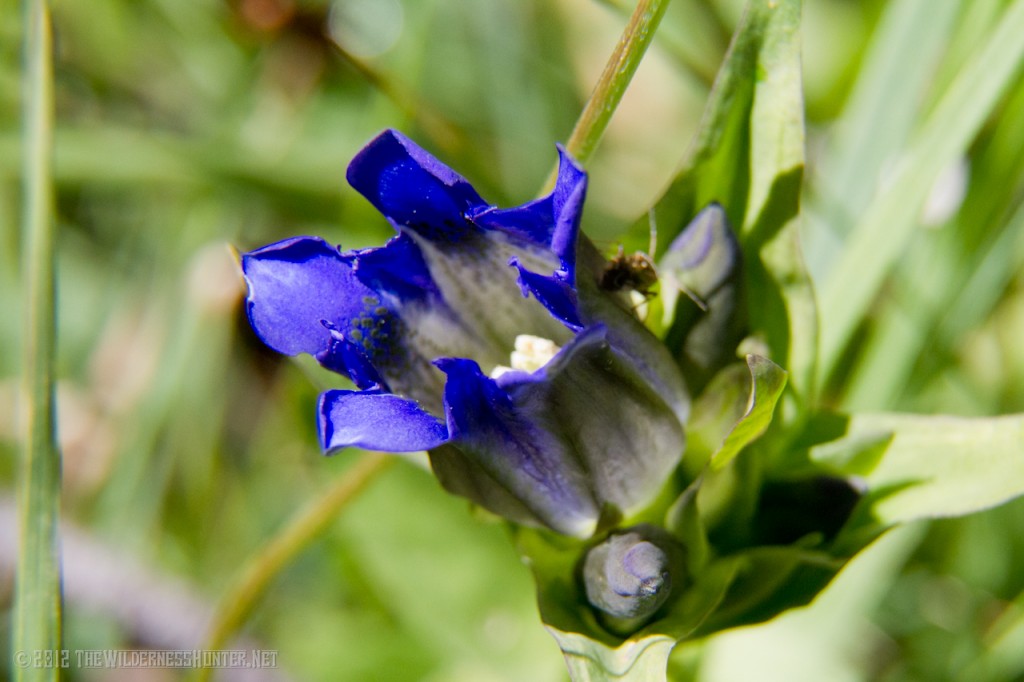
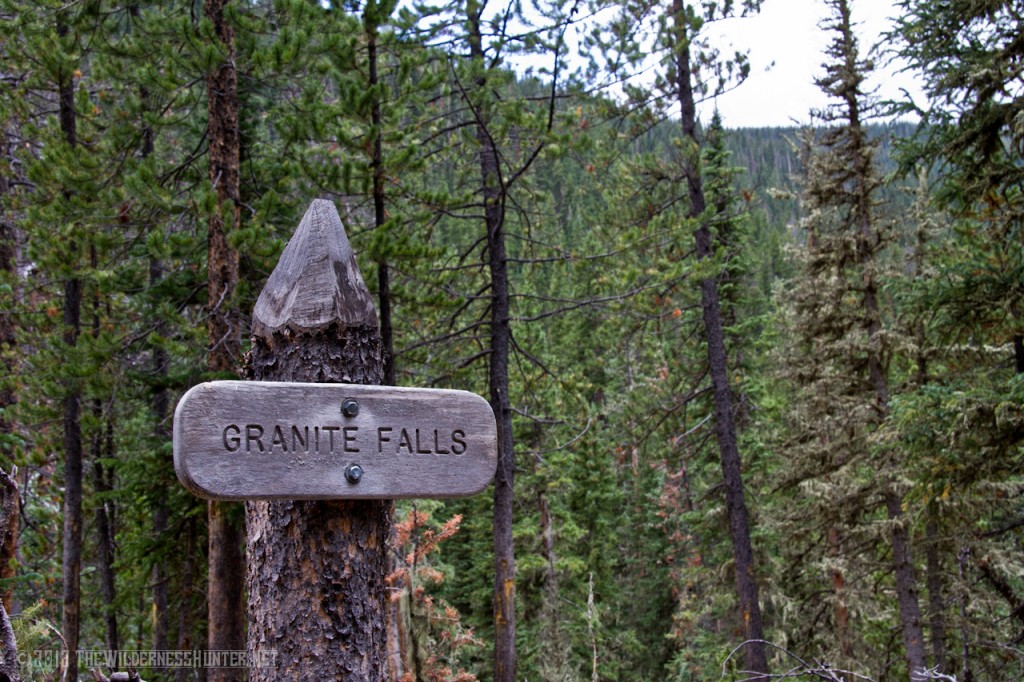
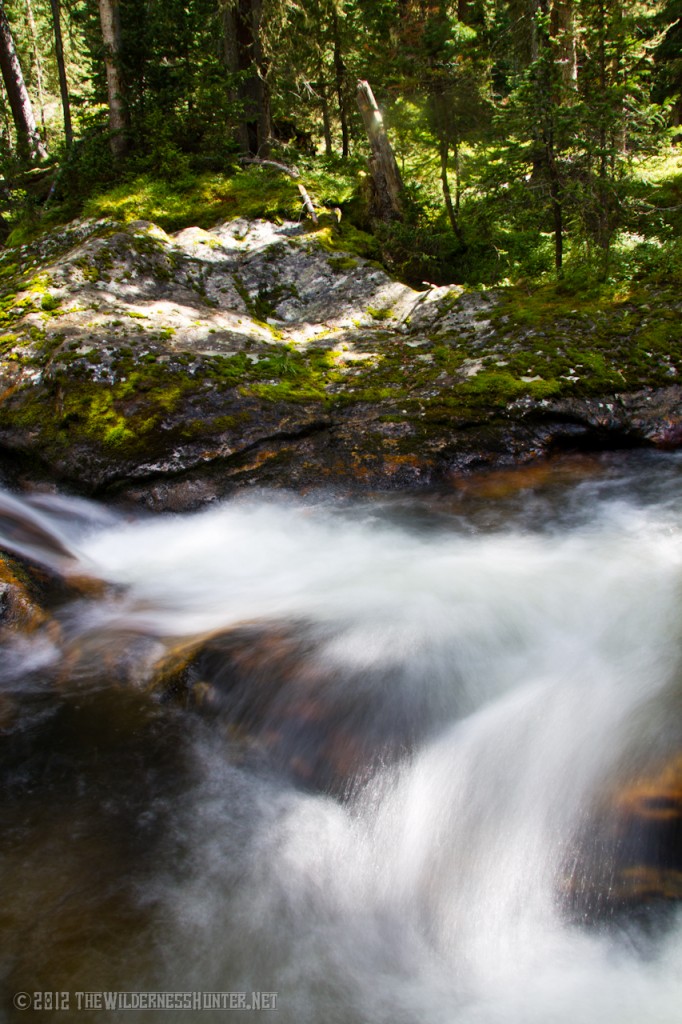
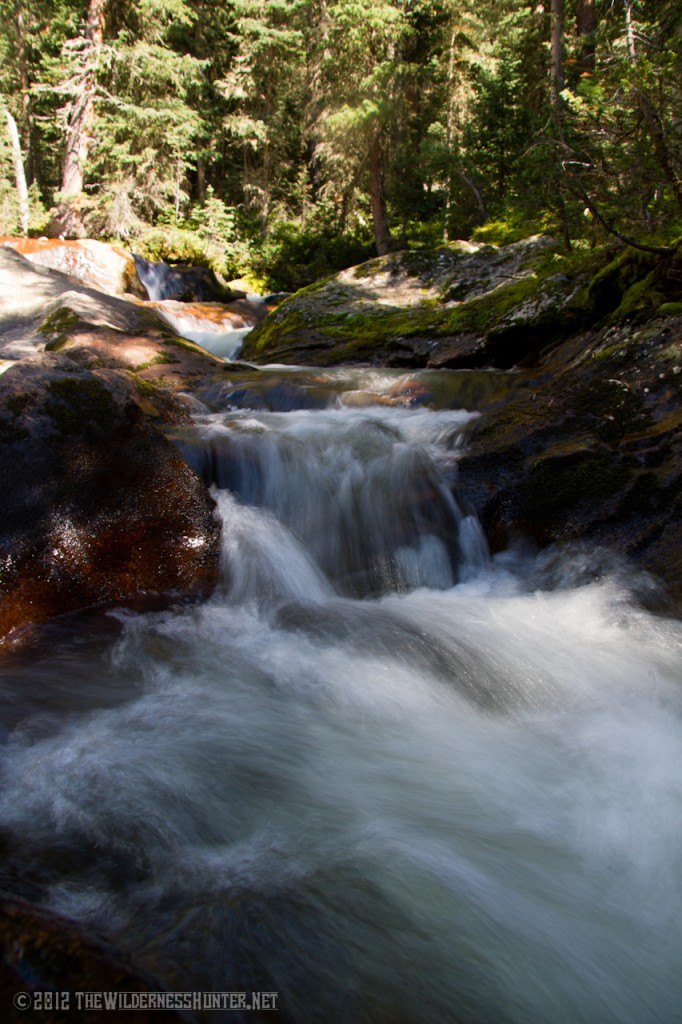
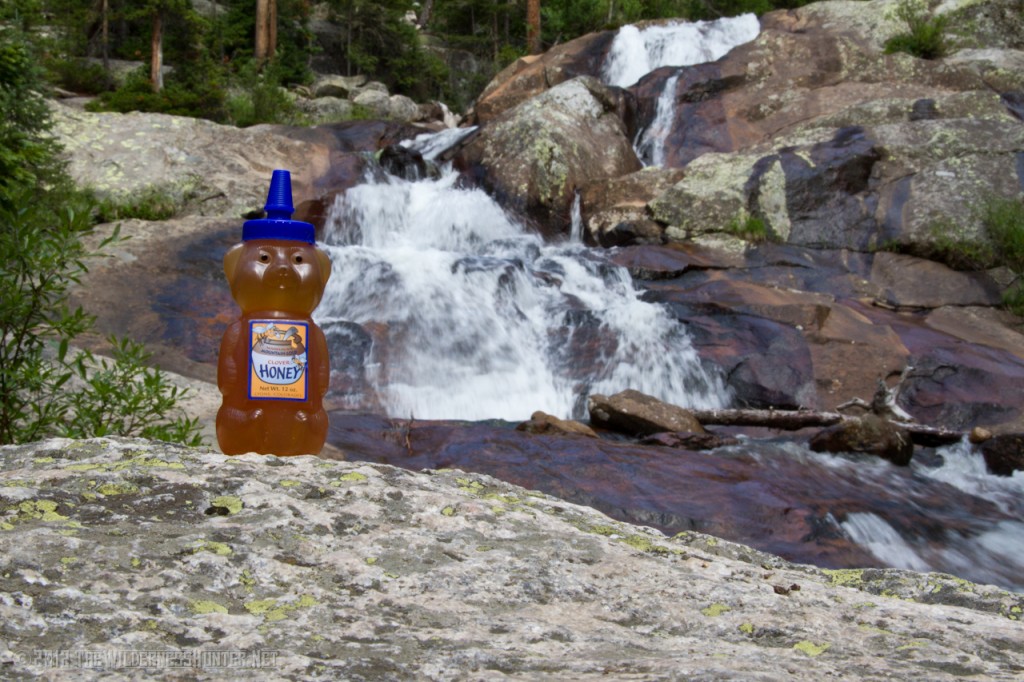
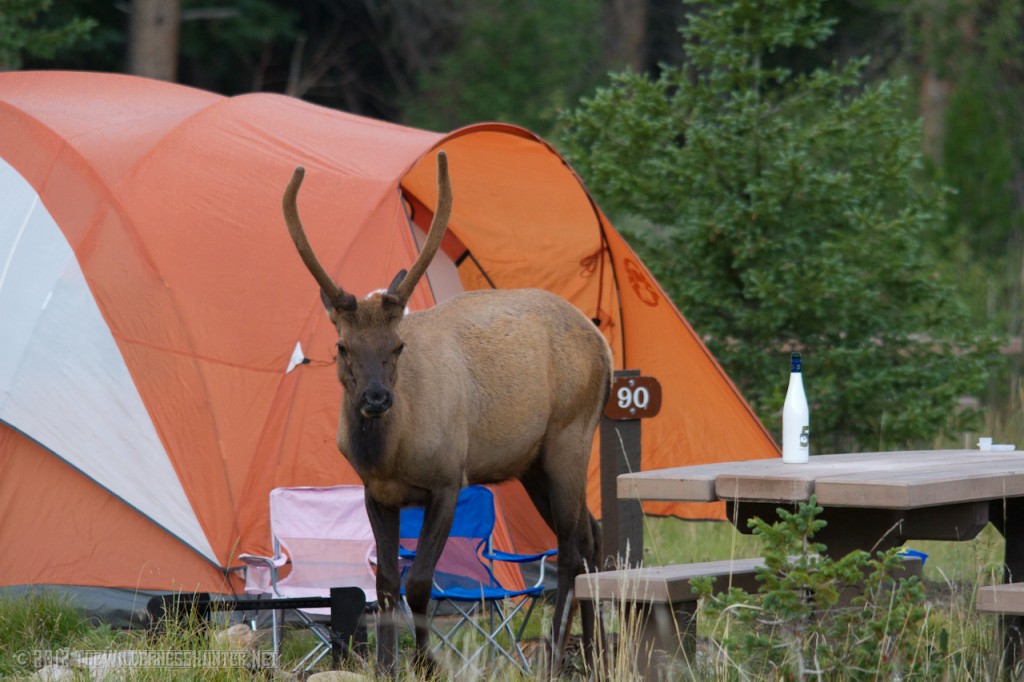
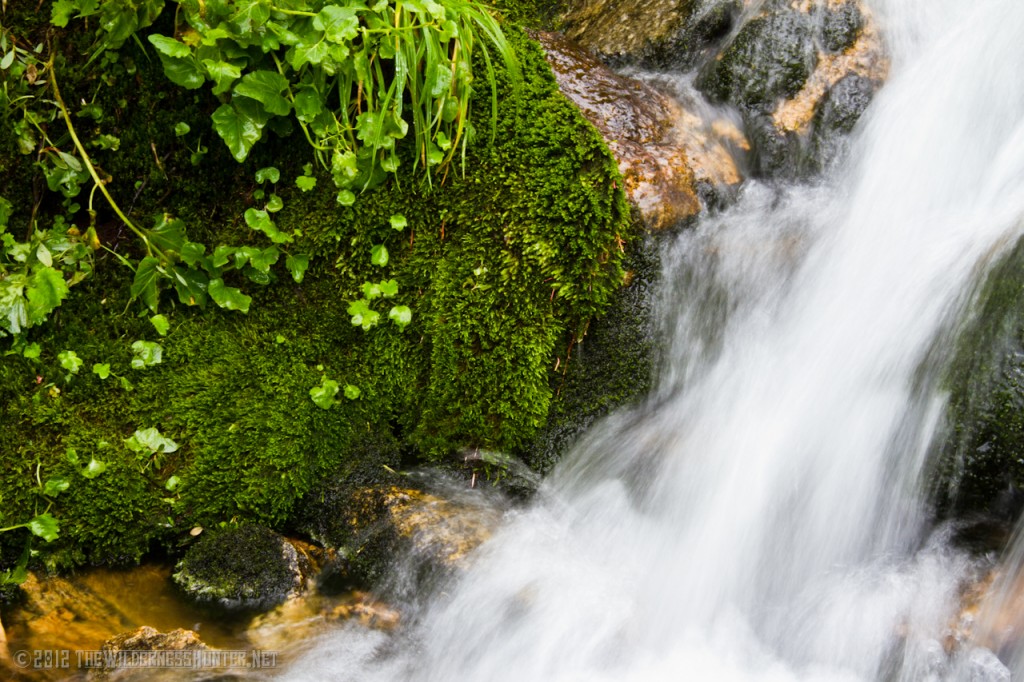
We woke to the sound of Elk hooves plodding through camp, and looked out to see several cows and their calves casually munching and walking through the dew soaked grass. Once the sun crested the ridge, we were suddenly in macro photography paradise. The rain and dew had collected on every bit of grass and flower in the immediate area. We spent about an hour or so on our hands, knees, elbows, and bellies in the dampness inches from blooms and blades of grass. Finally about 9:30 we set off on a five mile hike (one way) up to Granite Falls. Just the name was enough for us to get excited about. Like photographers, we took our time heading up the trail, snapping shots of what ever caught our eye. A mile or so up the trail, we came across a young bull Moose grazing the tall foliage, and paying us no mind. Most of the rest of the hike was fairly uneventful, stopping to “click” the flowers occasionally. We reached Granite Falls, and were not disappointed; a stretch of about fifty yards of water cascading over solid granite rock, dropping thirty feet total. There were a few other hikers taking in the falls, though when it began to cloud over and rain a bit, they all scattered so we were left alone to begin our photographic exercises. The clouds helped achieve the long exposures needed to make the silky smooth water effect, the longest of which was a half second, though the average was around a quarter second. Doesn’t sound like much, but for a camera shutter, that’s quite a long time. We spent quite a long time at the base of the falls until the rain stopped, and dipped our feet in the icy water, enjoying a beautiful mountain midday. When we were kids, hiking with our family, our grandad would always have a honey bear full of honey for an extra boost of energy. Brooke had an idea to get a shot of our honey bear we had with us on this hike, which I thought was awesome. To this day I have always taken a honey bear with me on hikes, snowshoe trips and hunting trips. I never would have thought to include it in a photo! So the honey bear shot is for you Grandad.
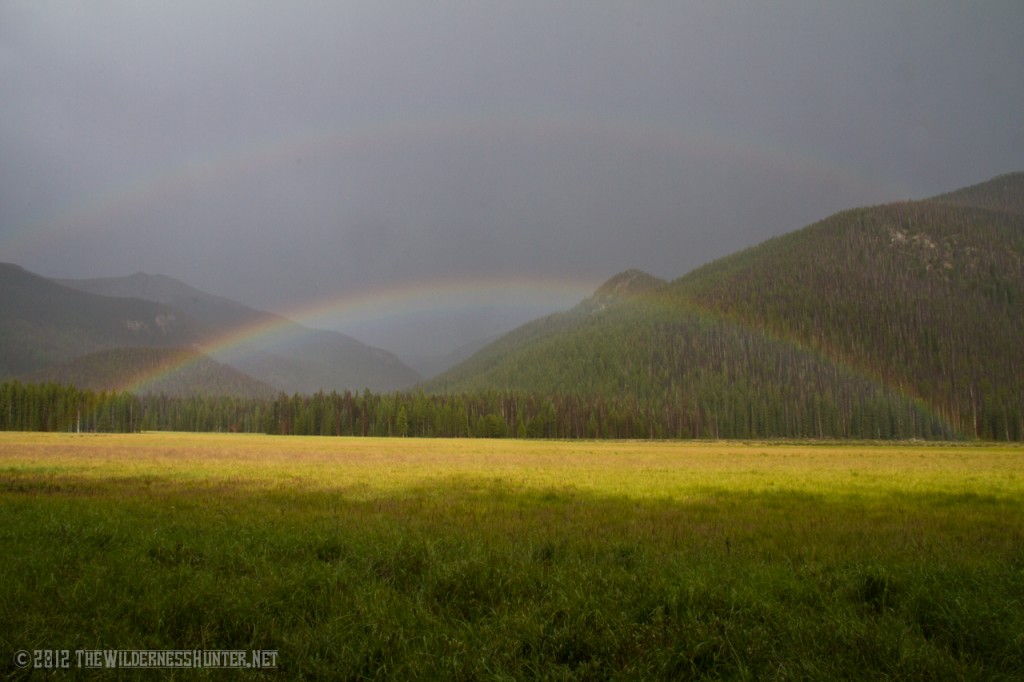
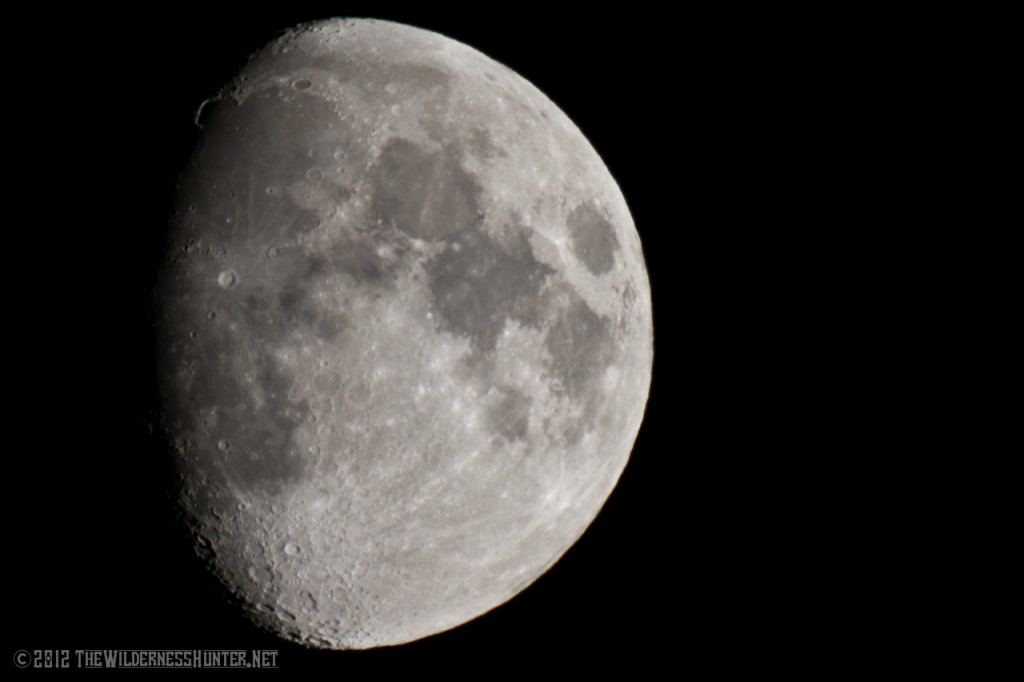
Soon we decided to head back, since the storm clouds were gathering again and we didn’t feel like getting rained on too badly on our five mile return trip. It was a good plan right up until it began to sprinkle. The sprinkle turned into a rain. The rain turned into a downpour. So we covered the camera gear and headed down the trail with more single minded purpose than we came up the trail with. We stopped just once, to shoot a rainbow hanging over Big Meadow. After a ten mile hike in the soaking rain with thirty pounds of camera gear on your back, the sight of the truck is almost enough to bring a tear to one’s eye,and getting back to camp was just about as glorious. After the fire, and dinner, and more mead, the clouds cleared up and gave us an excellent opportunity to get some shots of the moon with my 500mm super telephoto lens and Brooke’s 2x tele-extender, which increases the reach of any lens. Including the crop factor of our APS-C sensors on our 7D’s, we were looking at the moon with the equivalent of a 1500mm lens! Needless to say, we were able to get some great shots of the moon with incredible detail. Short of actually having a telescope with a DSLR mount on it, we did well. Initially we wanted to get some shots of the stars, but moonset was going to be close to 1:00am, and we were already exhausted from the hike, so we hit the sack instead.
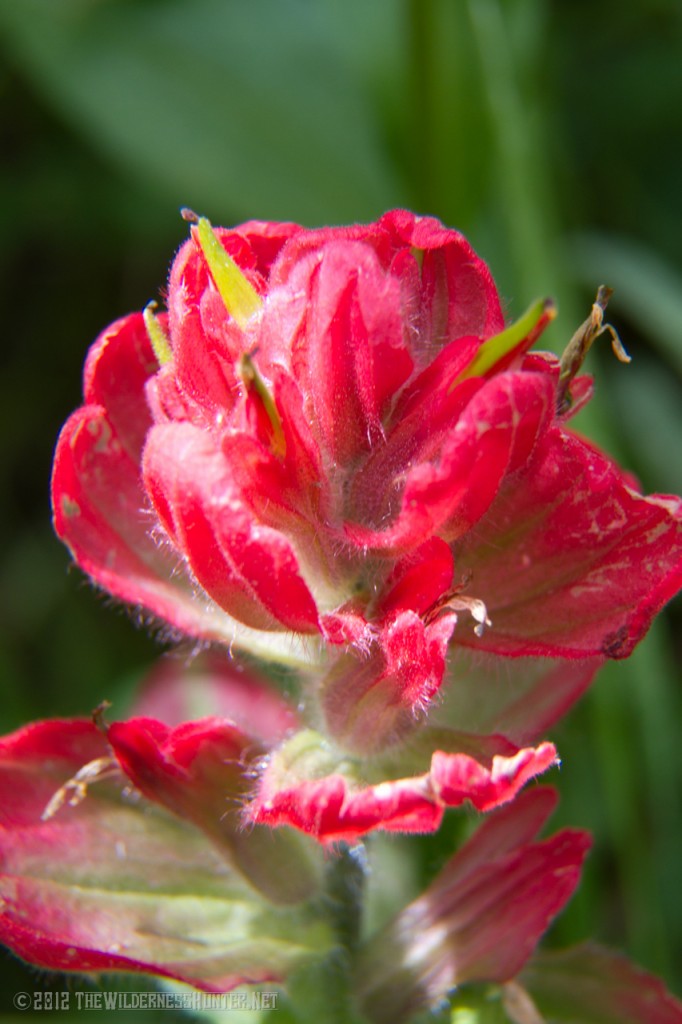
After our morning visit from the Elk, we packed up camp and decided to head in the direction of home, with a minor detour up to Loch Lomond to check out the wild flower situation there. After all, this was supposed to be a “wild flower photo trip.” So after the obligatory flower shots, we headed down the hill back home. And two months later when the fall colors are emerging, here are the photos with the spring color! Forgive me the lack of captions on the photos, I was doing well enough to get them posted.
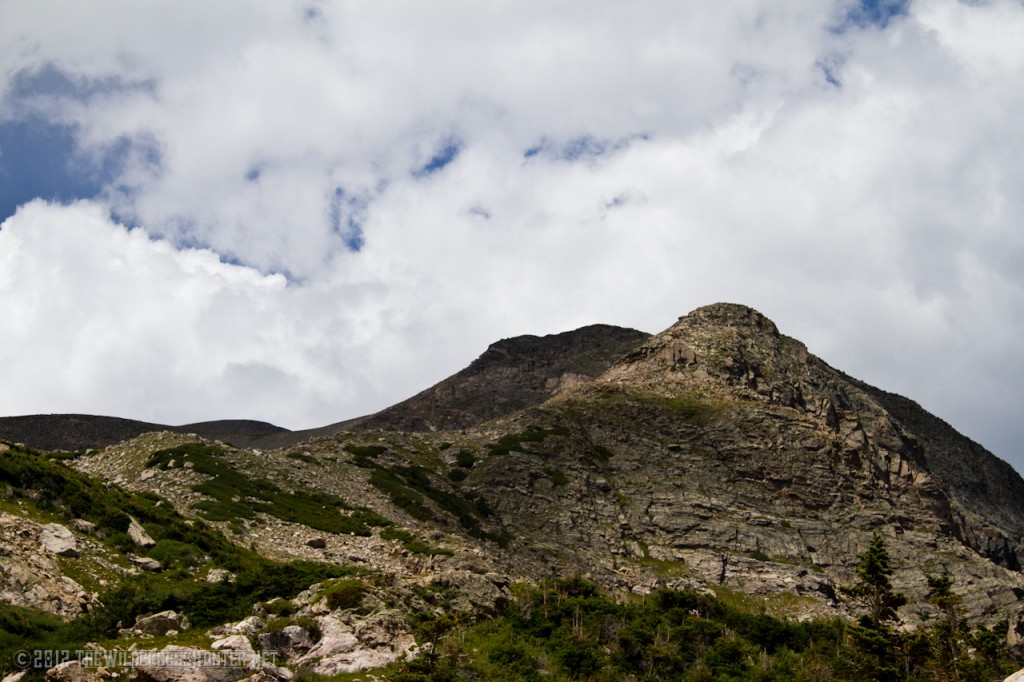
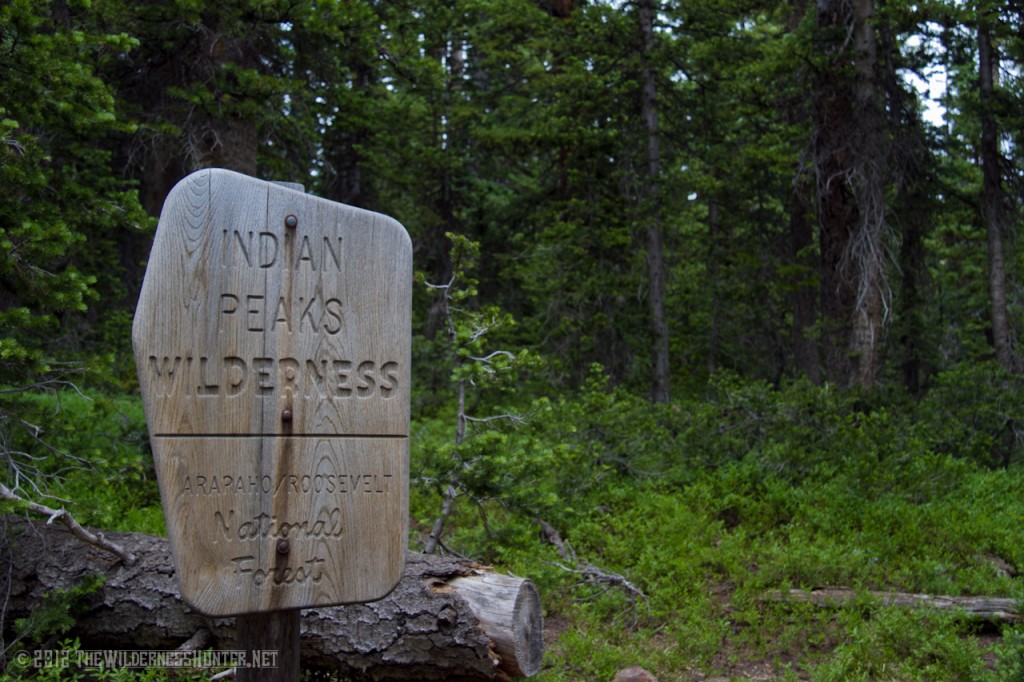
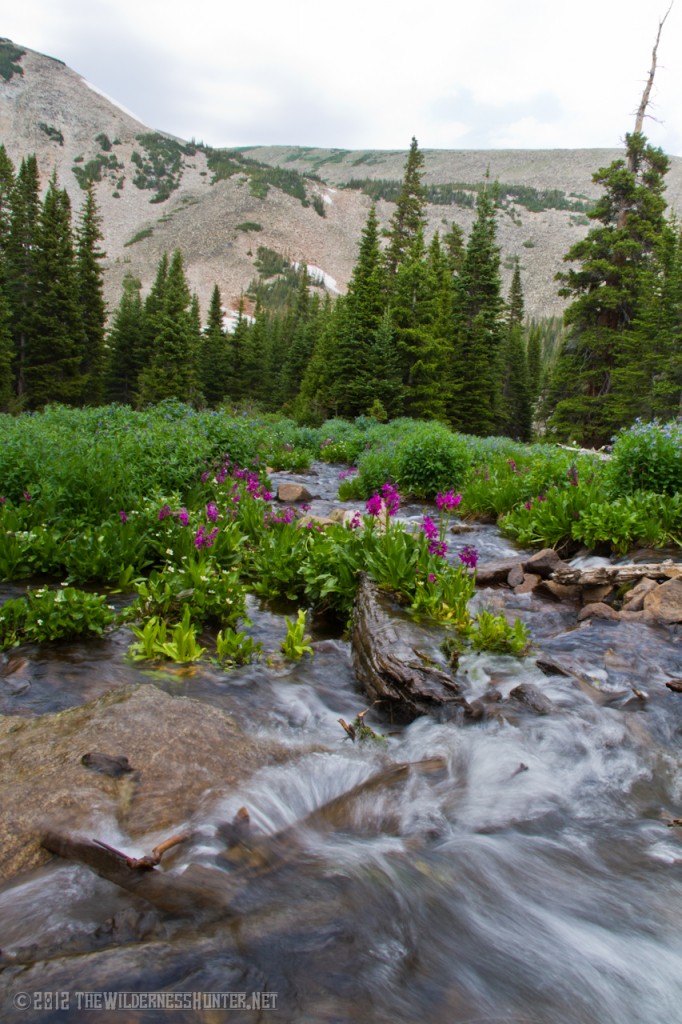
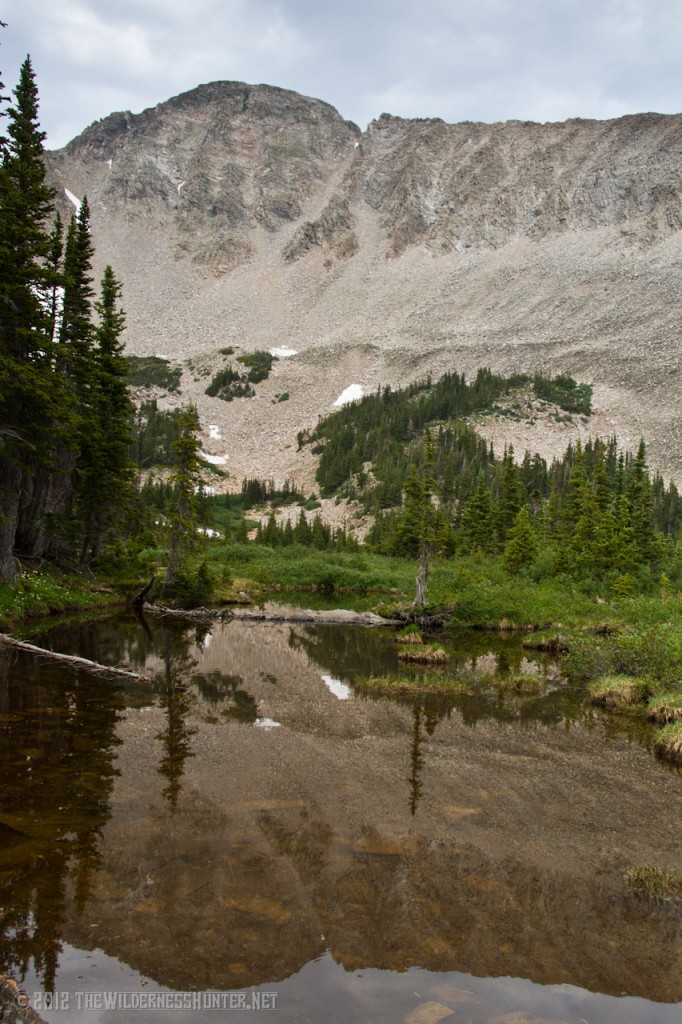
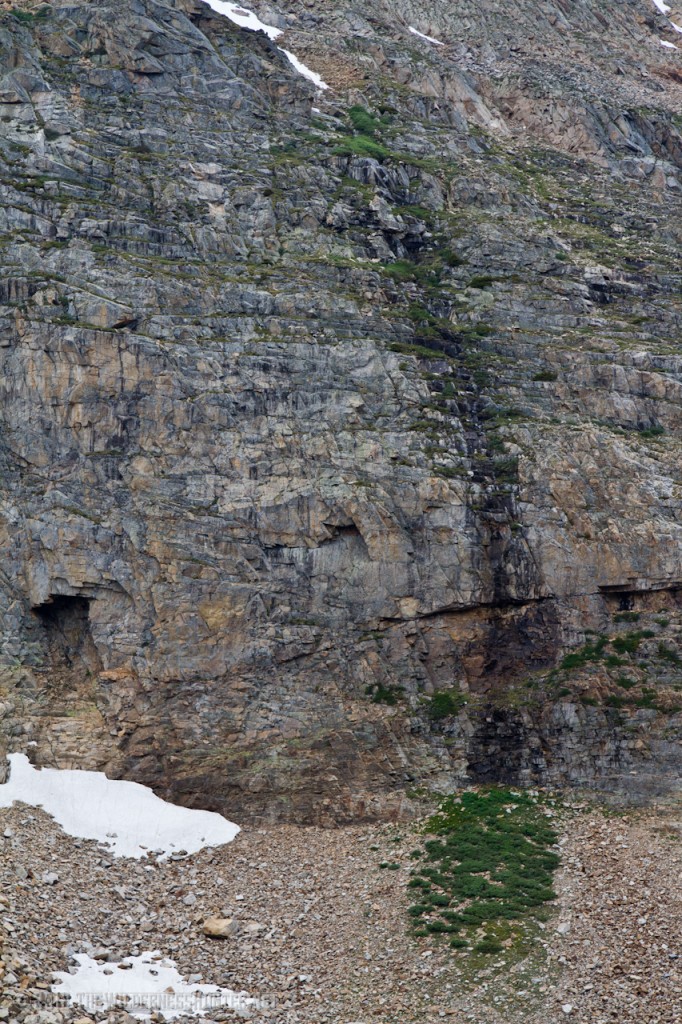
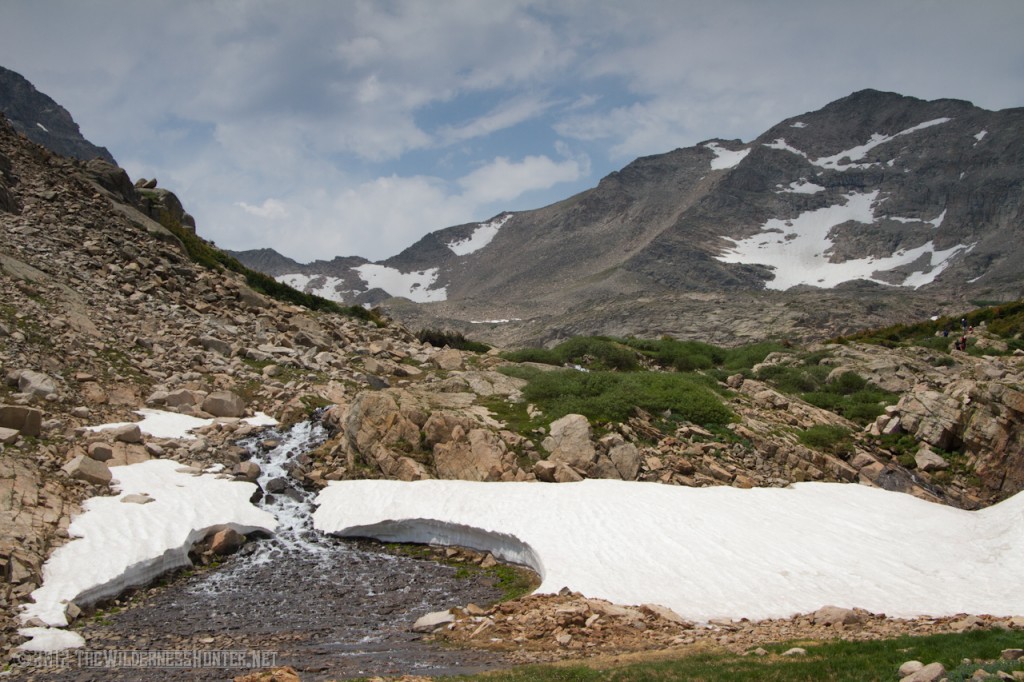
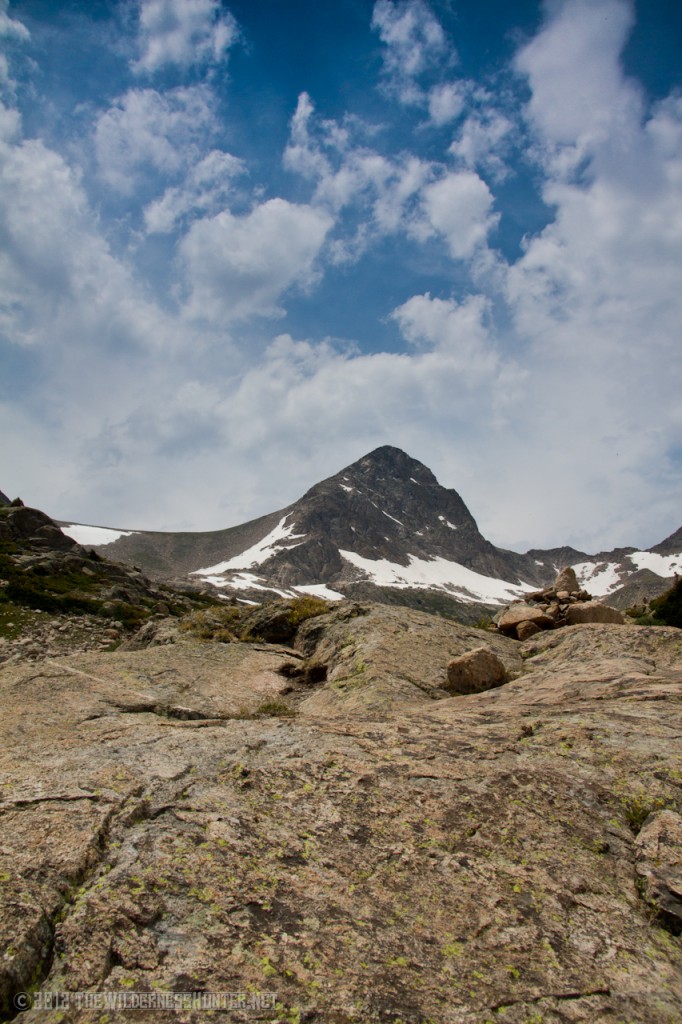
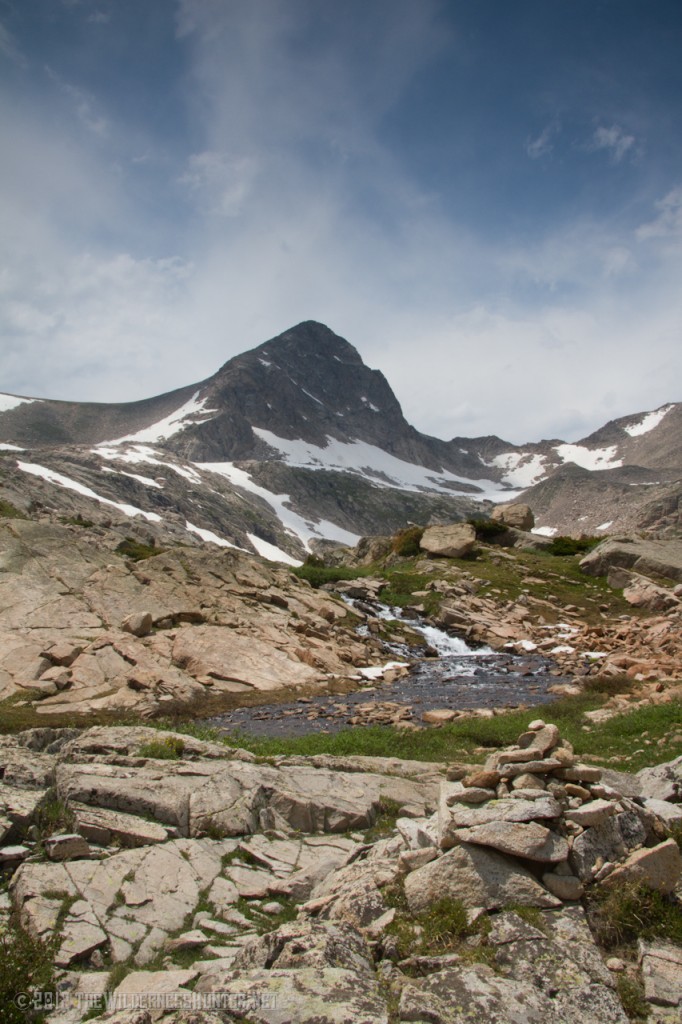
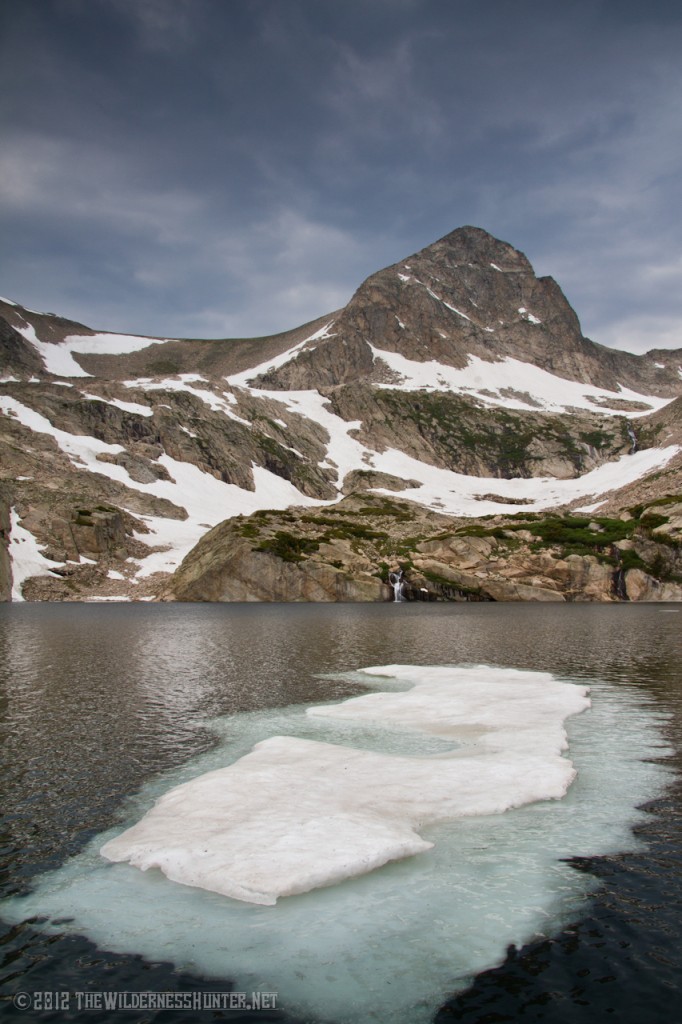
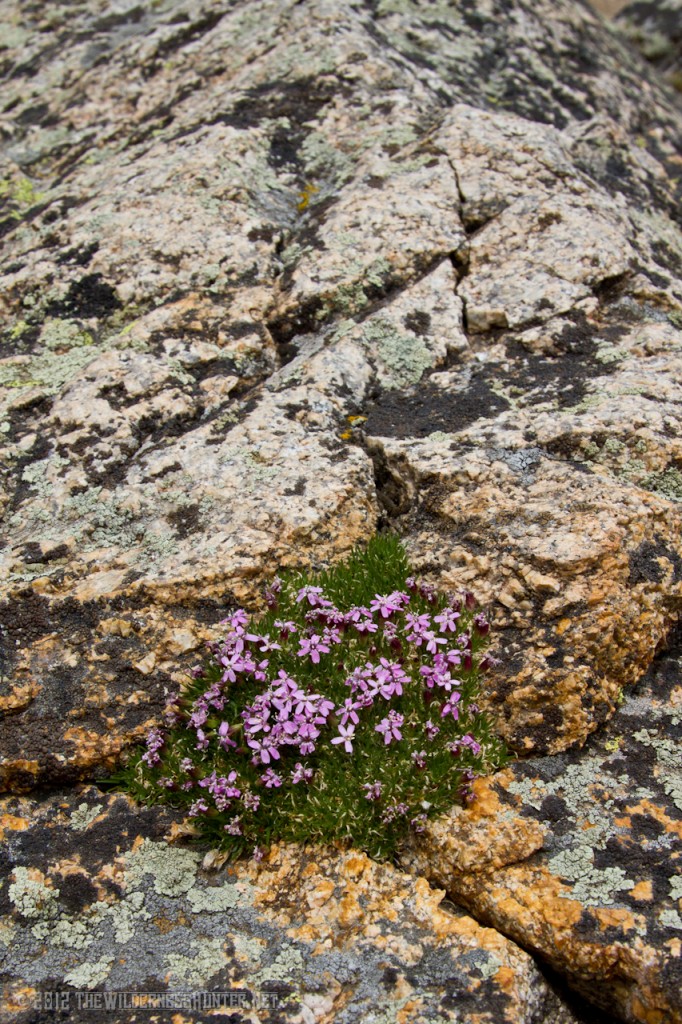
Okay, so I’m trying to catch up on my photo posts from this summer, and realized I never got around to posting and photos from this short hike. Once again I return us to the Indian Peaks Wilderness for another outing, this time on a different route. This trail is a short somewhat easy hike that first takes you past Mitchell Lake, a nice easy hike for any fisherman wanting to fish still water and catch native cutthroats and brook trout. You can head further up the trail to Blue Lake that sits in a granite cirque under the shadow of Mount Toll. When we were there in late June, there were still bits of the ice pack floating about the lake. There was still a bit of haze in the air from the High Park fire outside of Fort Collins. It was a nice short trip into the mountains on a hot summer day.
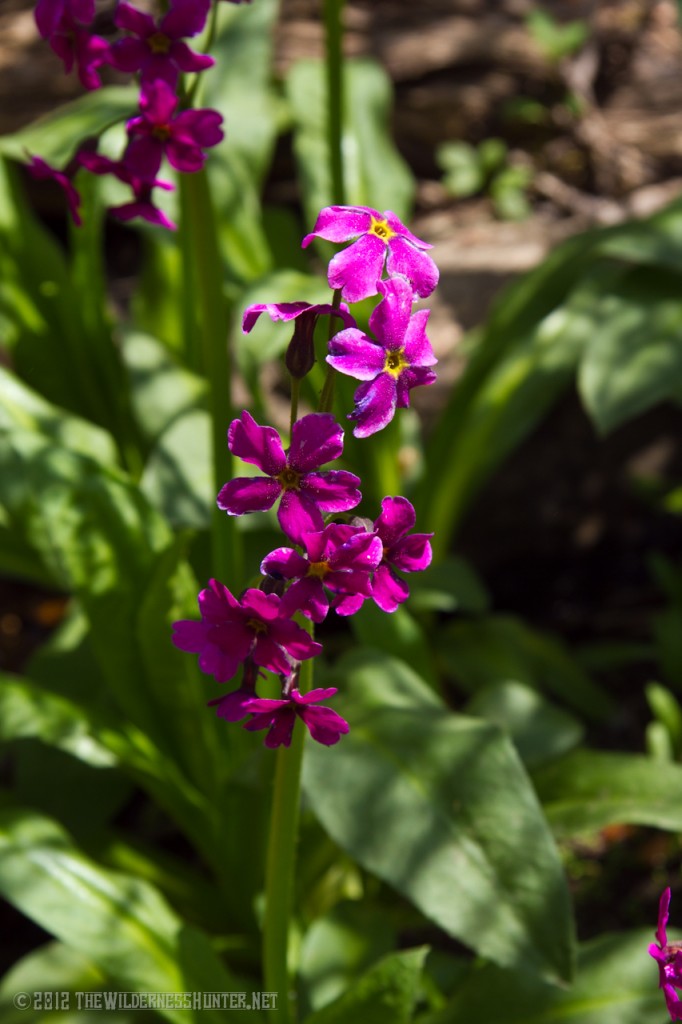
Parry Primrose grows along small streams and creeks.
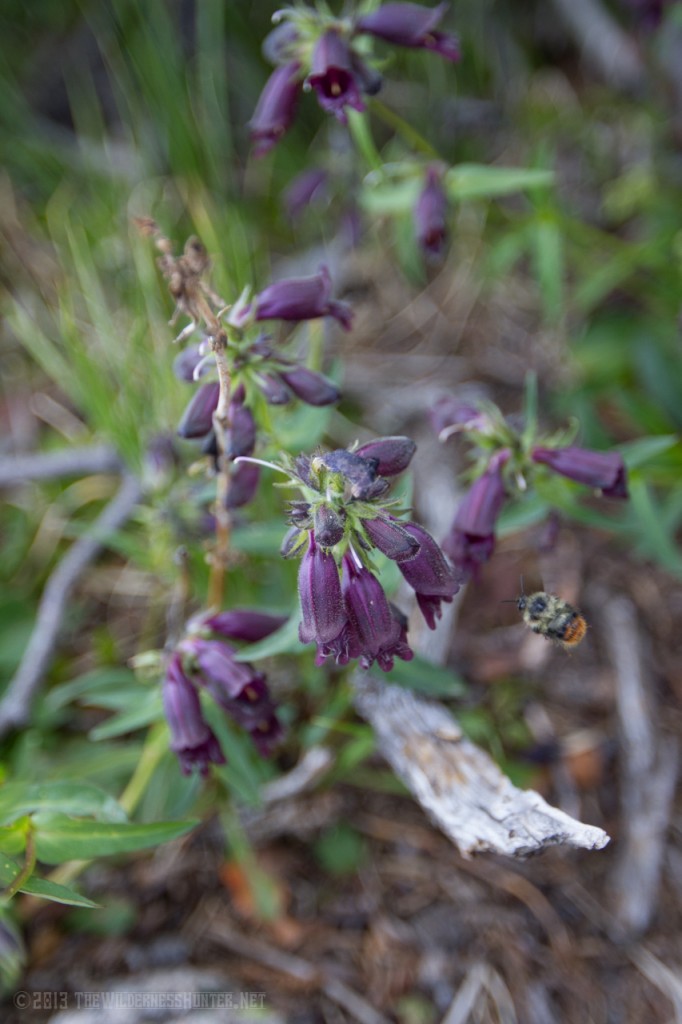
Parry Primrose, Marsh Marigold, and Mountain Bluebell enjoying the spring runoff.
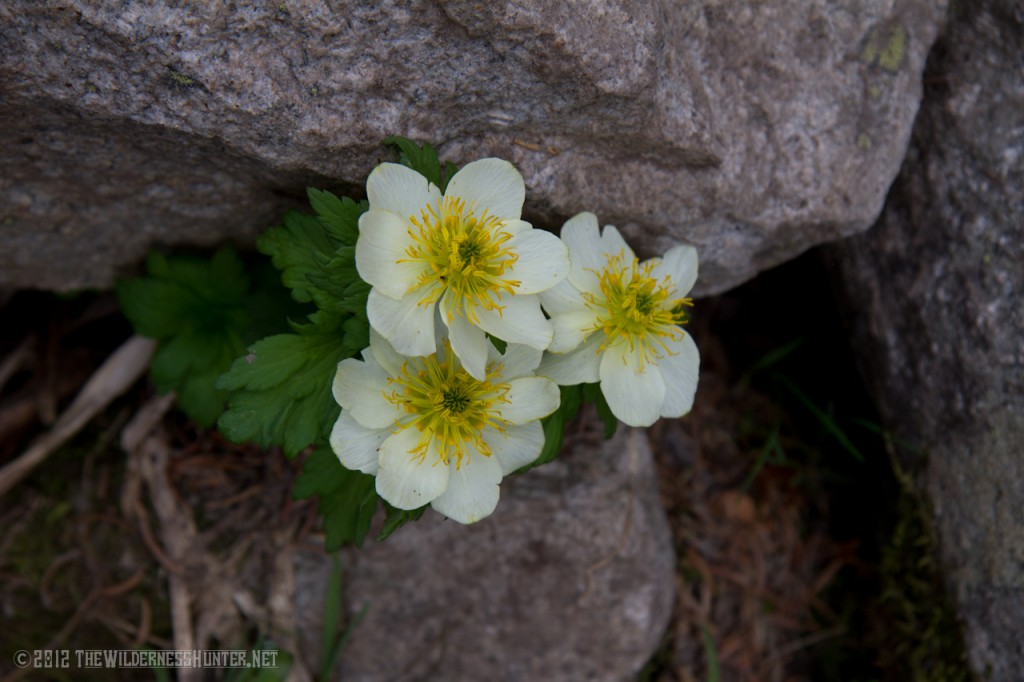
A white variation of the American Globeflower.
View of Paiute Peak on the trail too Blue Lake.
Mount Toll from just below Blue Lake
Mount Toll again
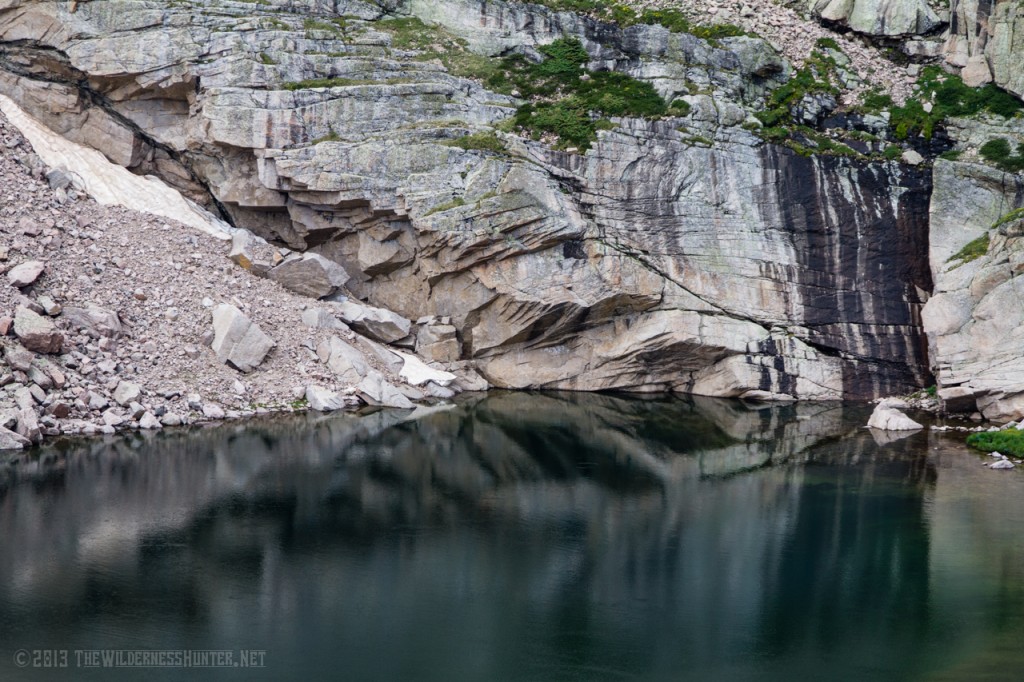
Blue Lake and Mount Toll in the background. Ice out on Blue Lake was only weeks before.
Purple Irish moss
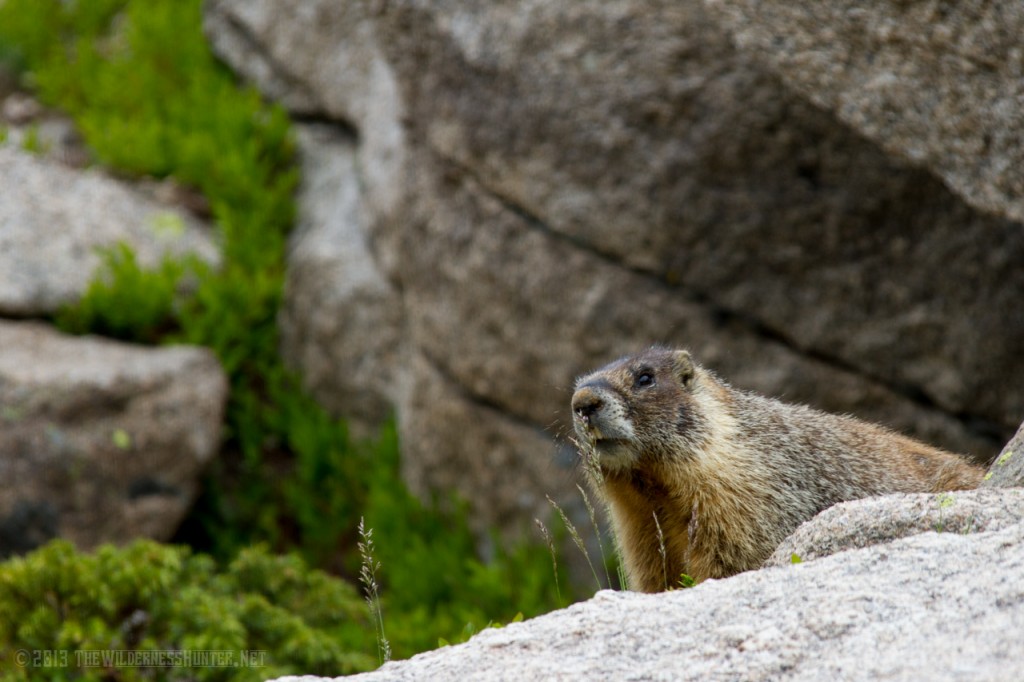
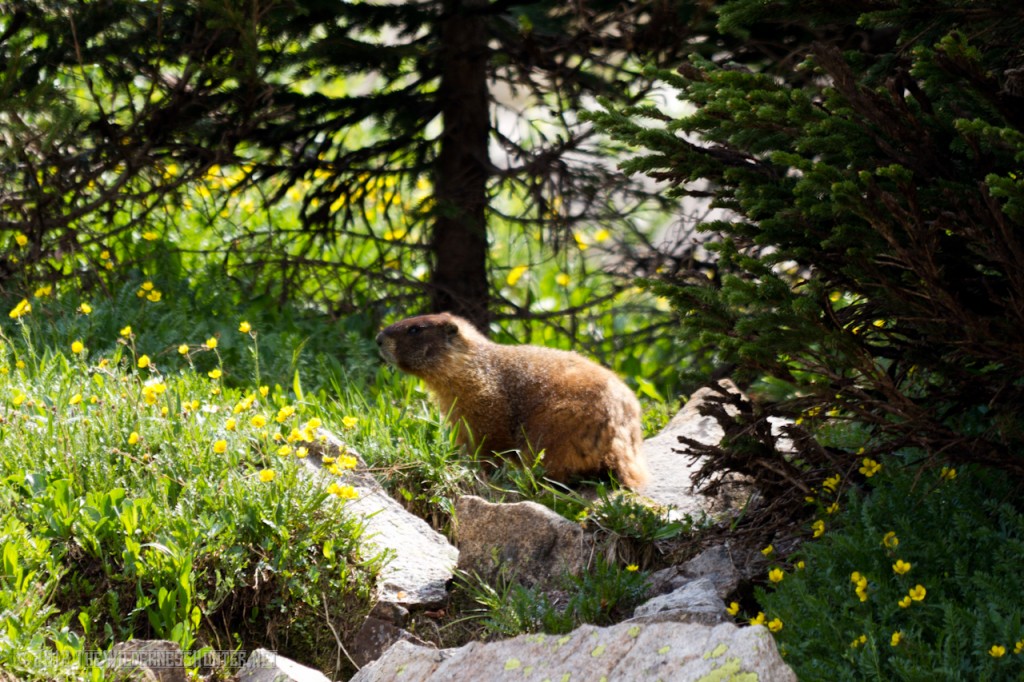
Our common friend, the Yellow-bellied Marmot, or Whistle Pig, named for its shrill whistling when it spots potential threats.