Nature
Rocky Mountain Spring
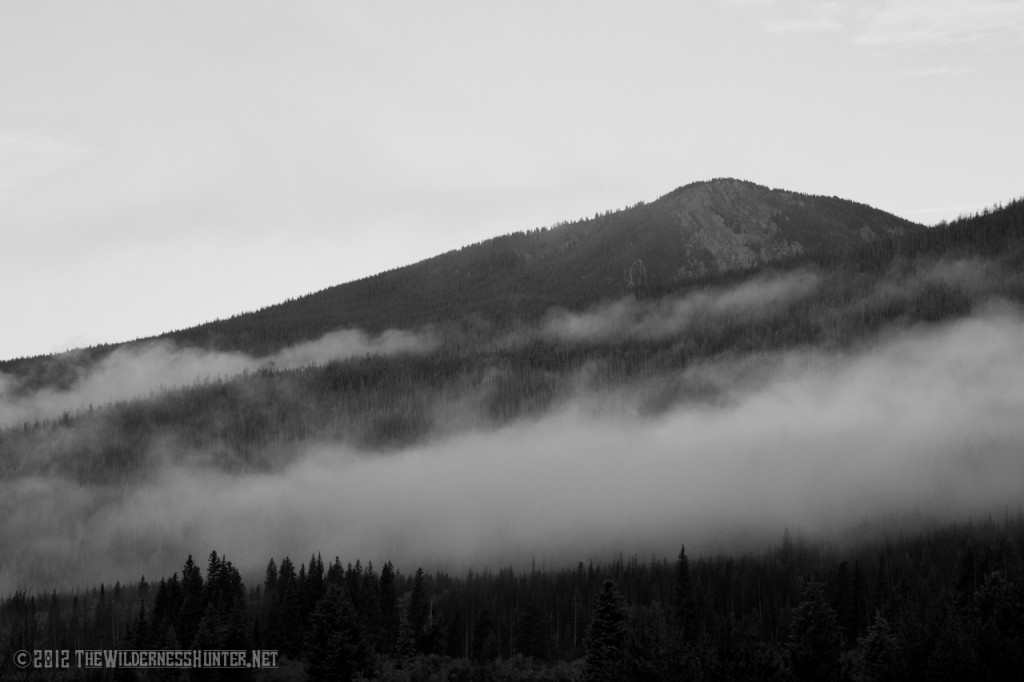
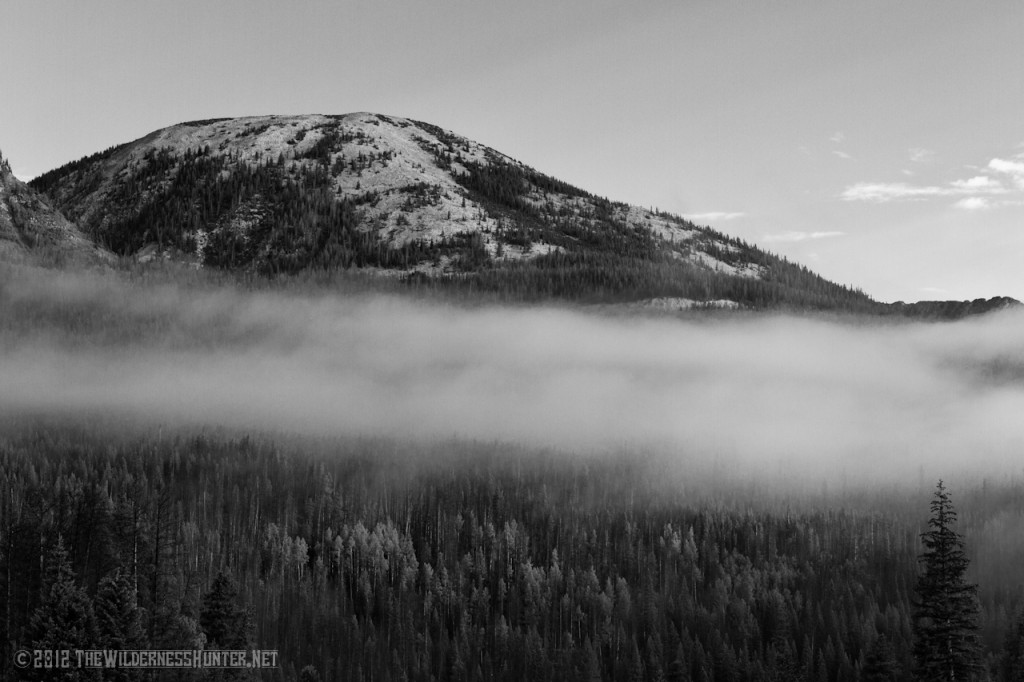
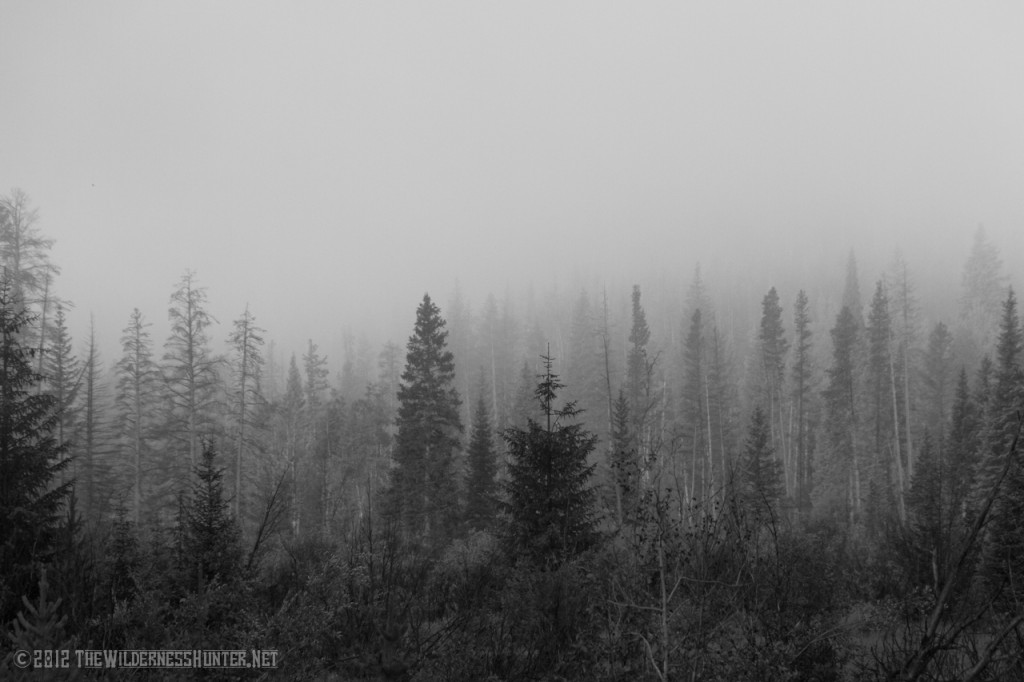
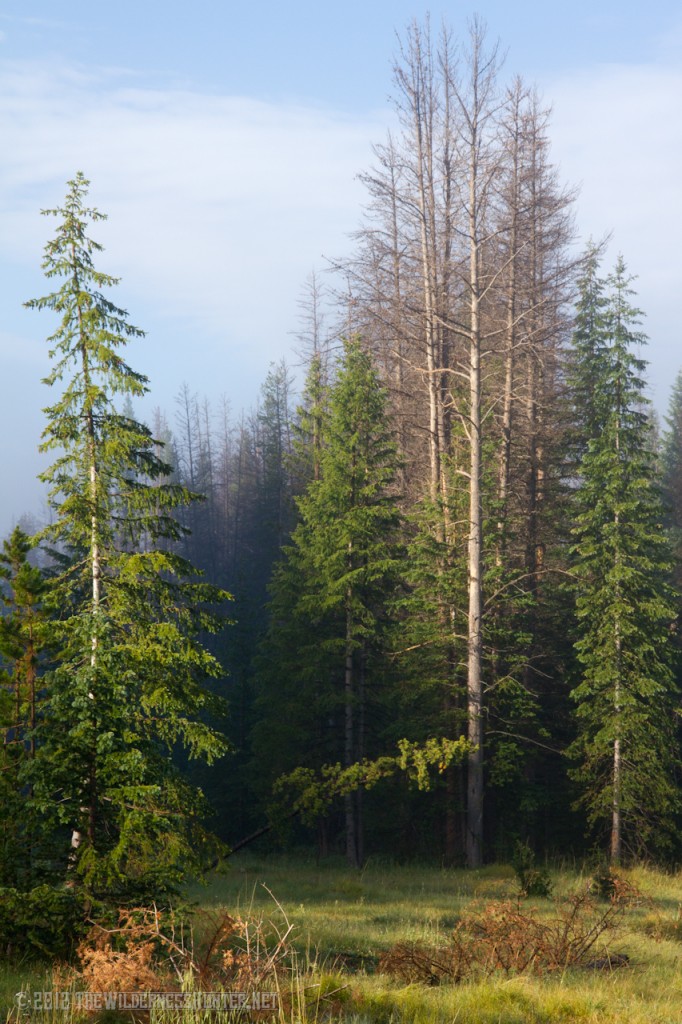
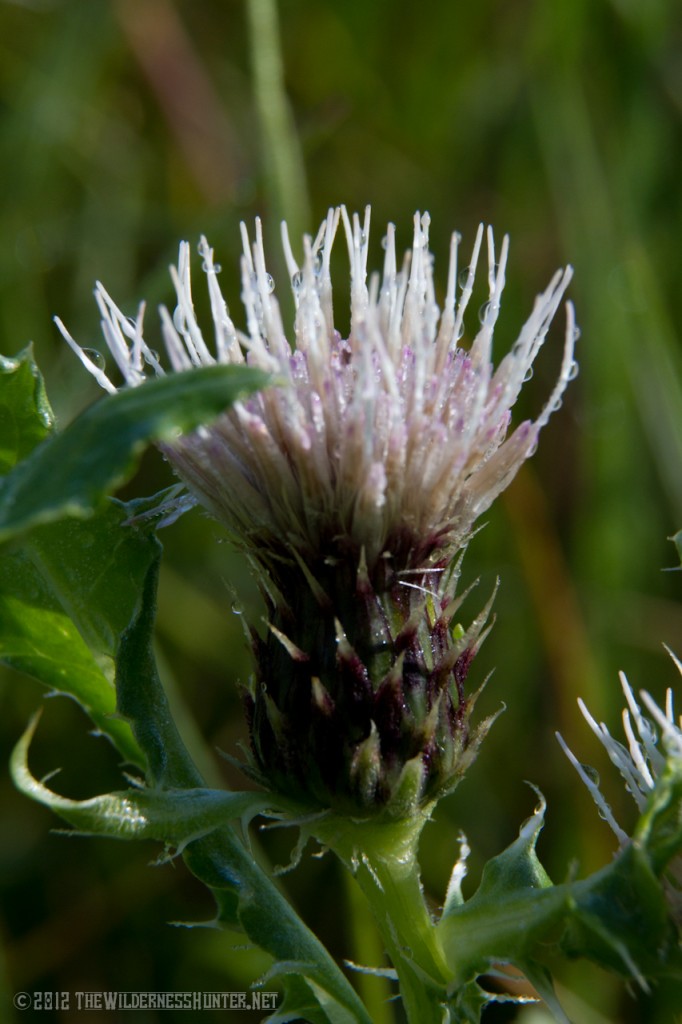
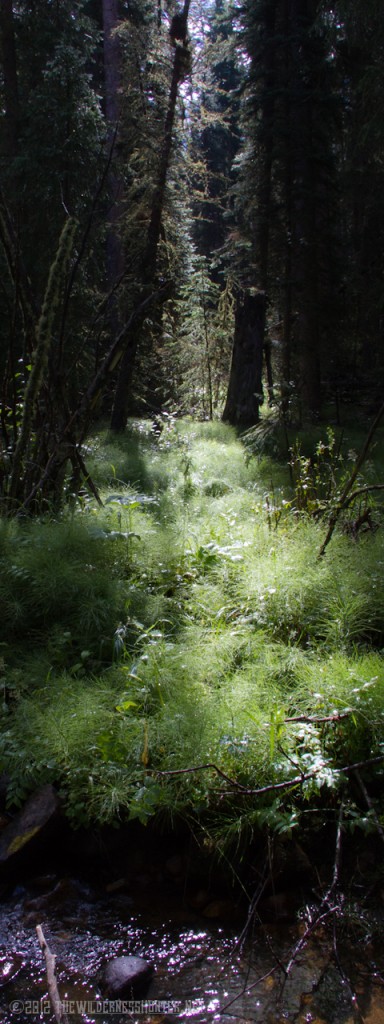
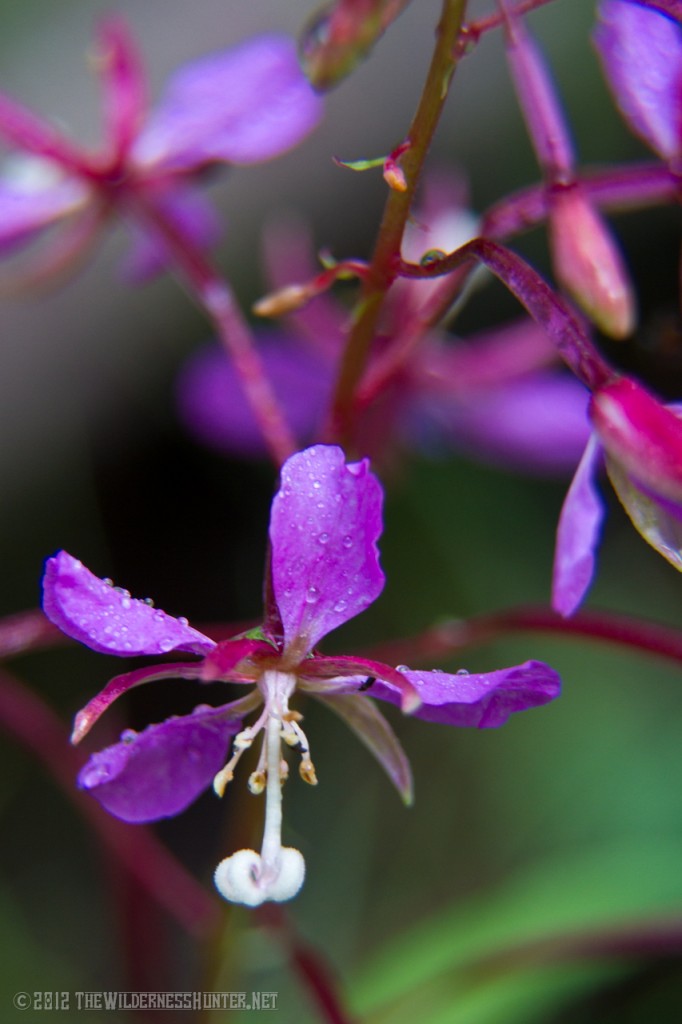
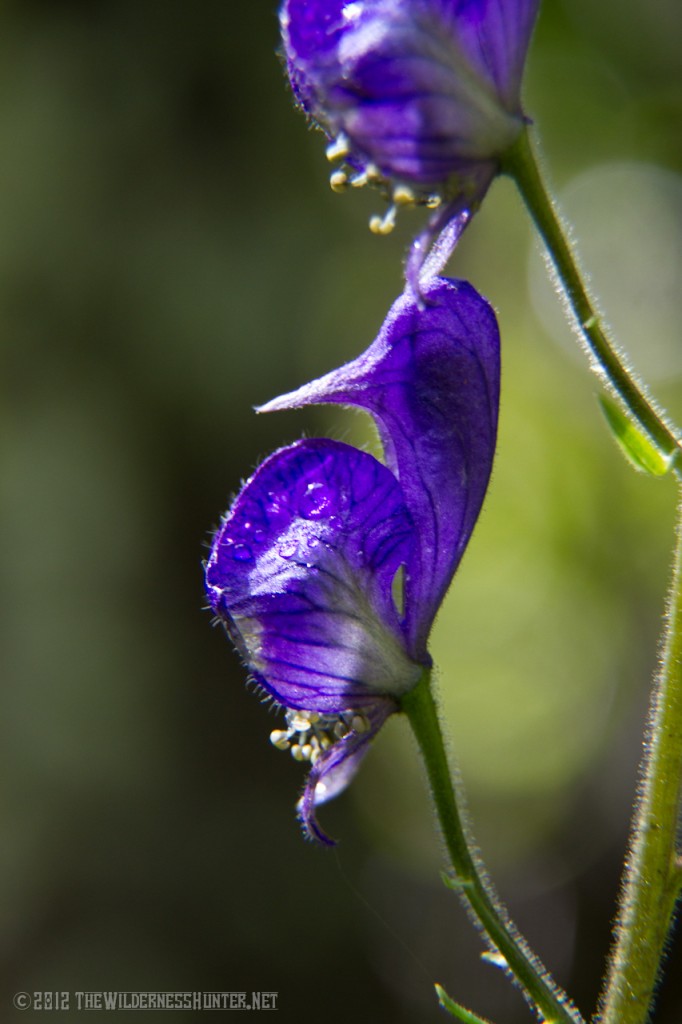
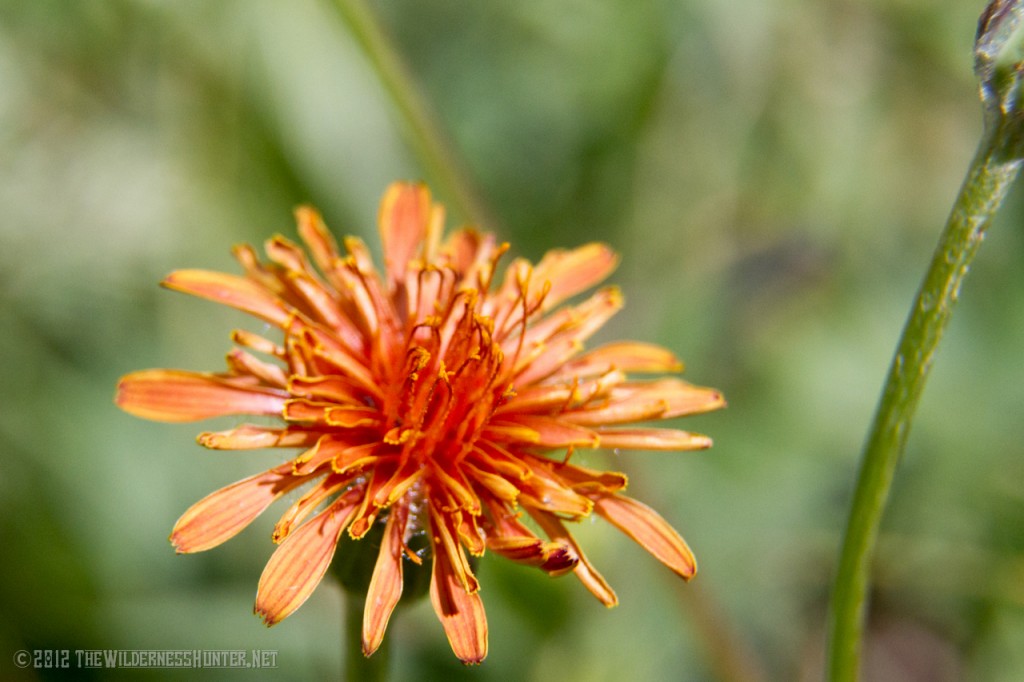
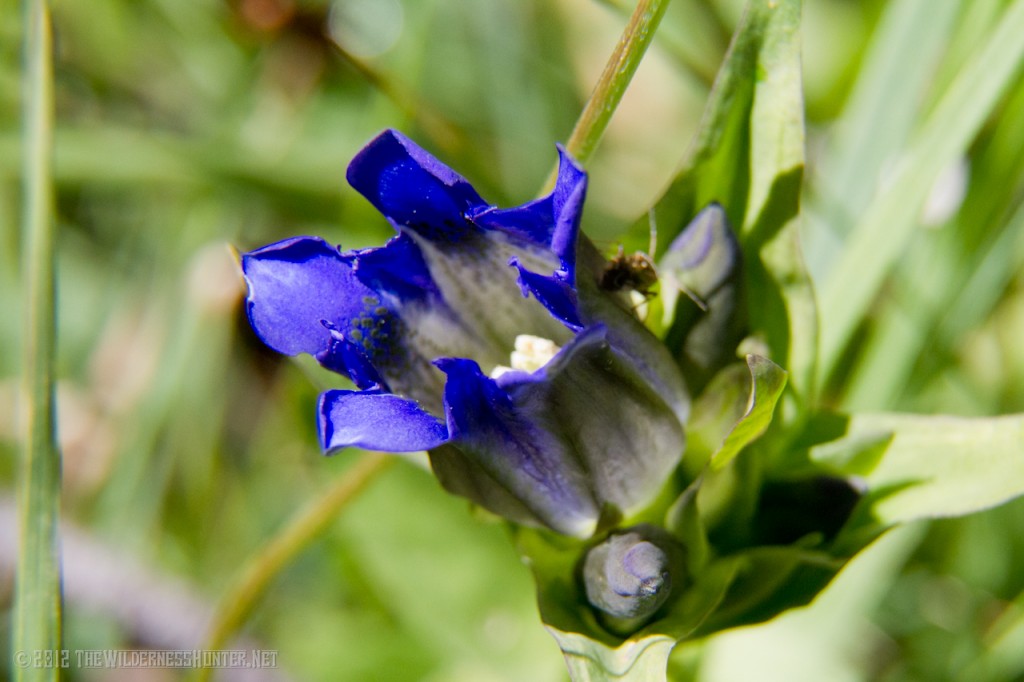
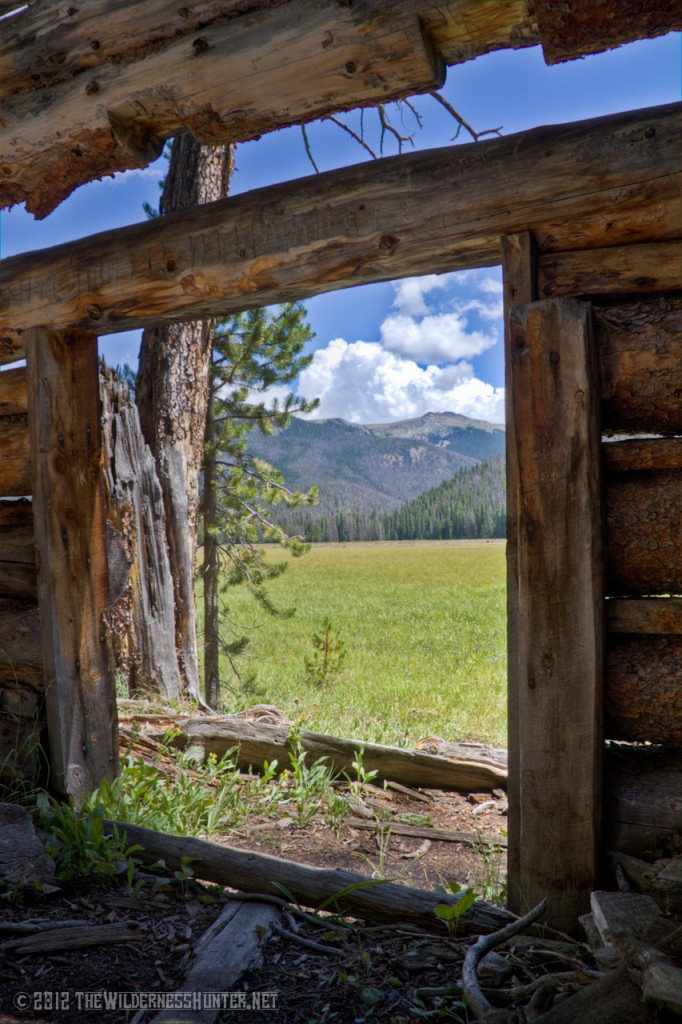
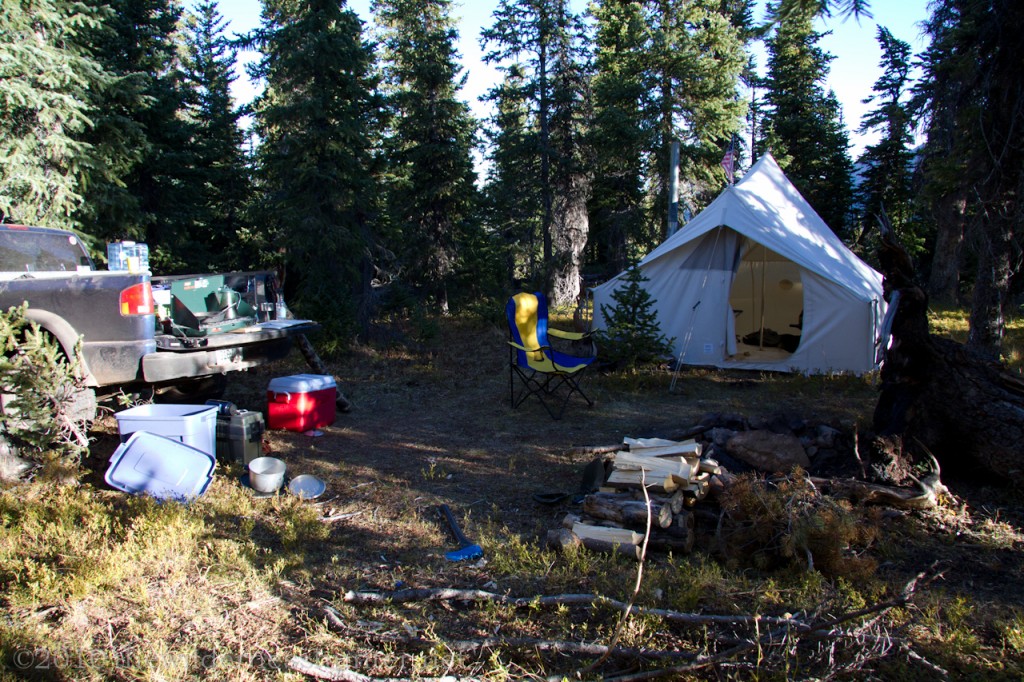
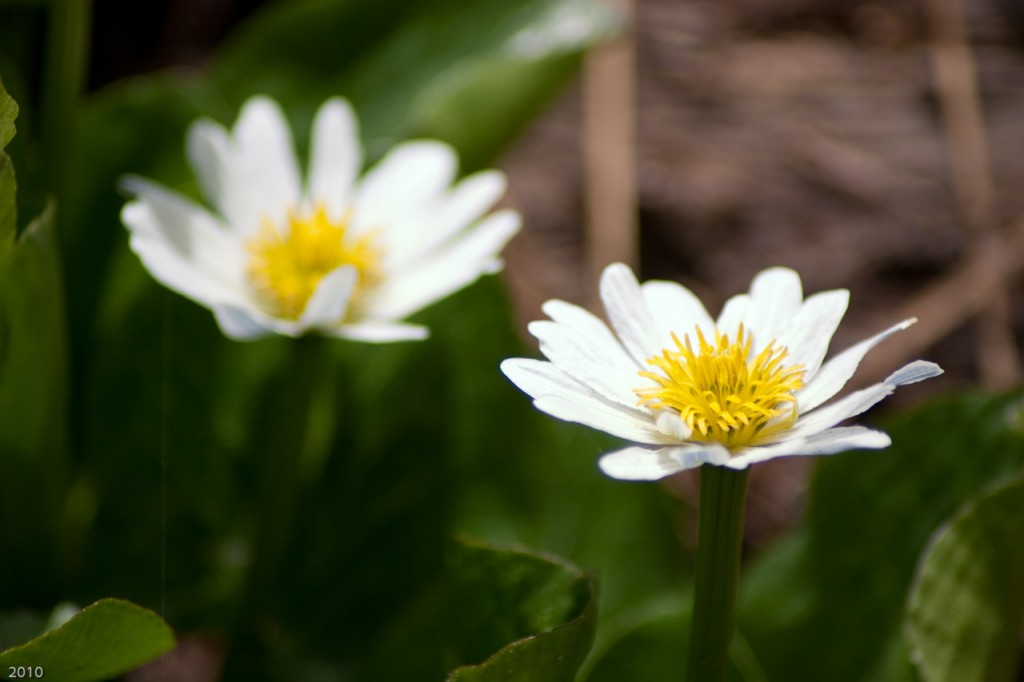
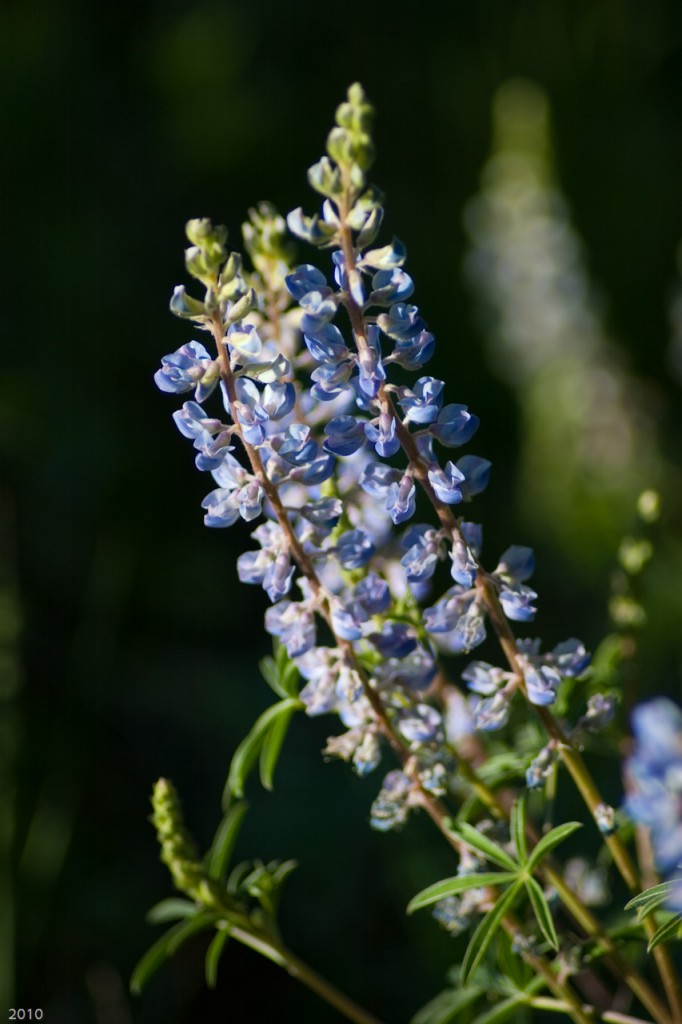
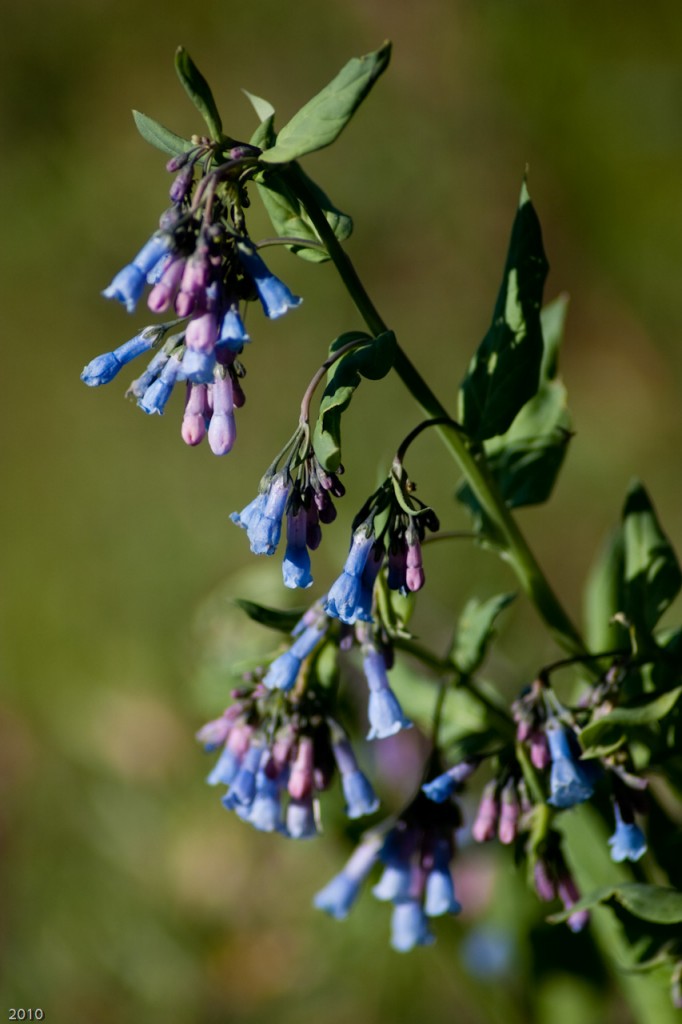
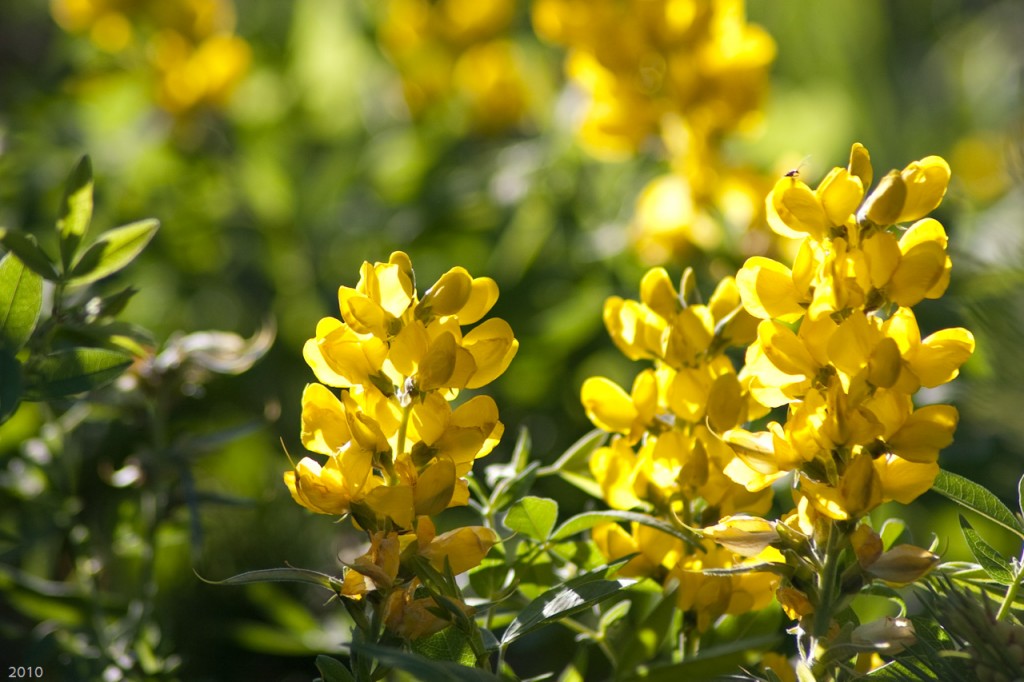
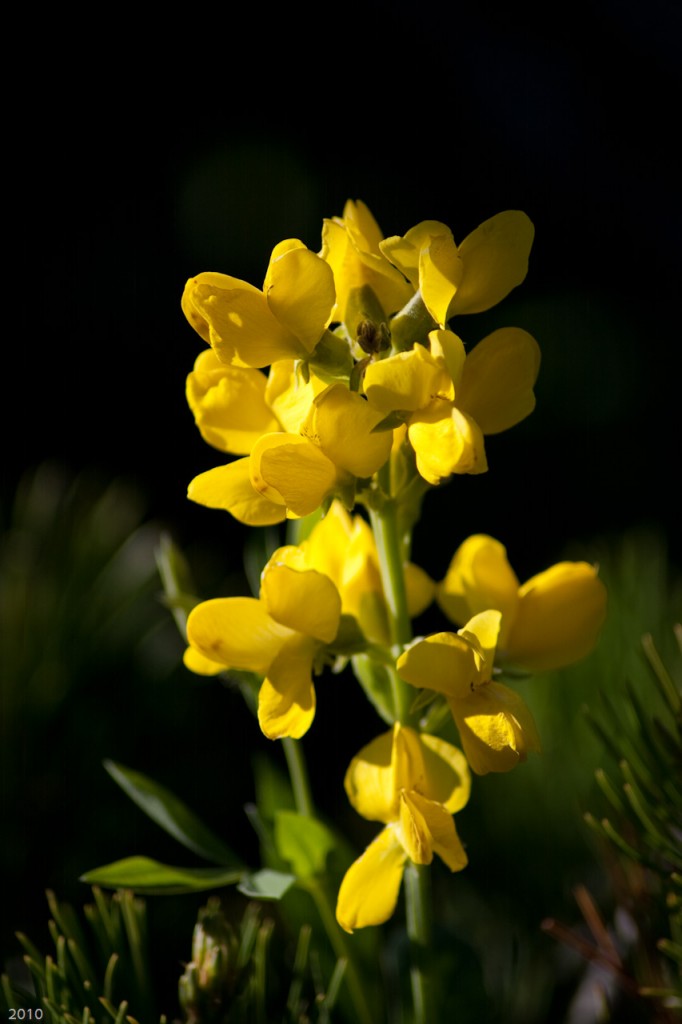
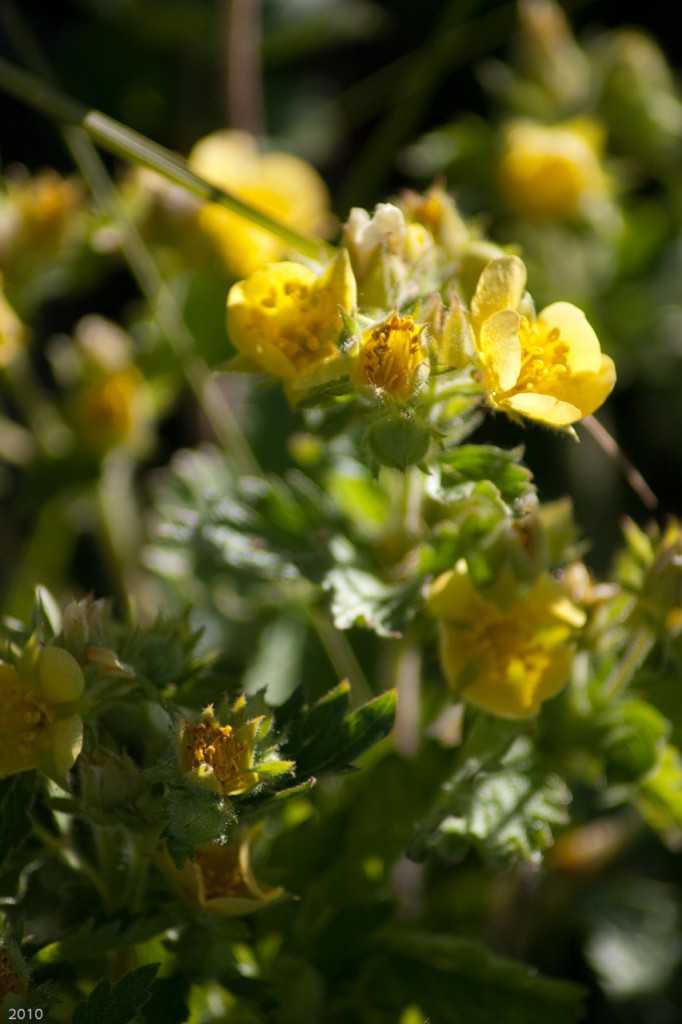
Okay so it is now almost October, and I am just now getting around to posting this. These images taken in late July when most of the rest of the state is suffering the hot summer temperatures. But above 9,000 feet, it’s spring time and the flowers were in bloom. Usually. This year however, due to a dry winter and hotter than average temperatures, spring came to the high country about a week or two earlier than I was expecting. My cousin, Brooke and I headed up to Rocky Mountain National park with a vague plan of attack, the only solid thing was that we wanted to make some images of some flowers. After a quick stop off in Boulder for some camping necessities, we headed to the east entrance of RMNP, hoping there were still some camp sites available on the east side. Which of course there were not, what were we thinking?! Friday night at the end of July, on the Front Range side. Though it didn’t help that one of the major campgrounds was closed. So over the hill we headed to the Timber Creek campground where we were assured there were sites available. After a VERY foggy and wet drive over Trail Ridge road, we arrived at Timber Creek CG to set up camp. In the dark. And its raining. To many less hardy types, this would be the time to just turn around and head to the nearest hotel, or just go home. But for us of Lydick stock, we are used to setting up camp in the dark. And the rain. It’s almost a family tradition when camping together. Another thing on our side was the fact that I brought my canvas spike tent, which goes up in about the same time as a four man nylon tent, but is much, MUCH more comfortable and more weather resistant. After getting the tent all set up, and after a bit of mead and a “hippie food” dinner at 9:30, we went to sleep.
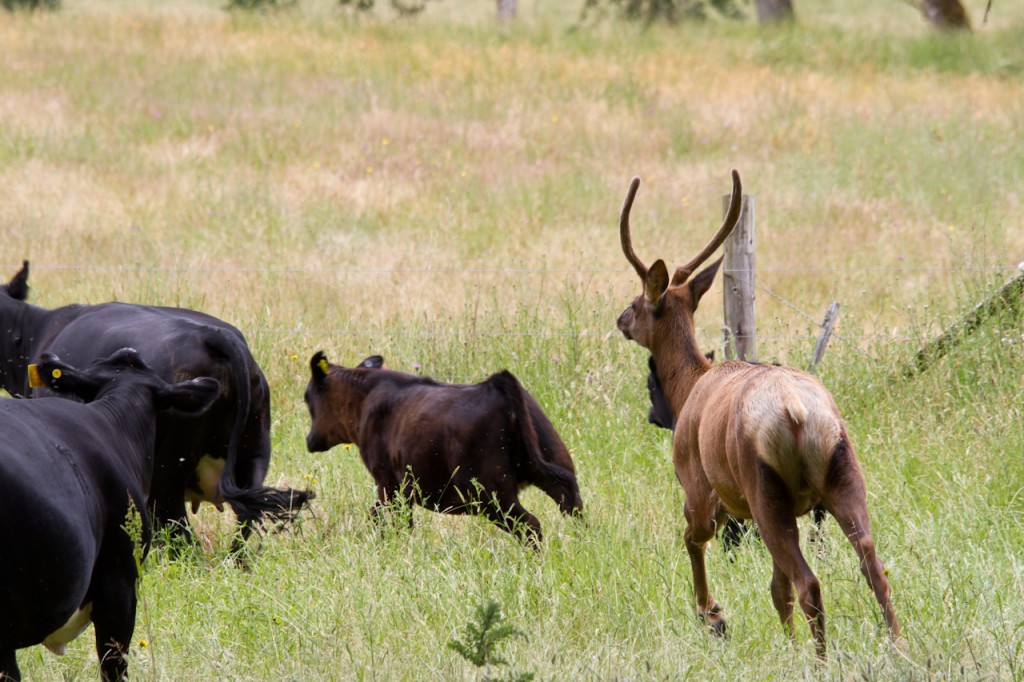
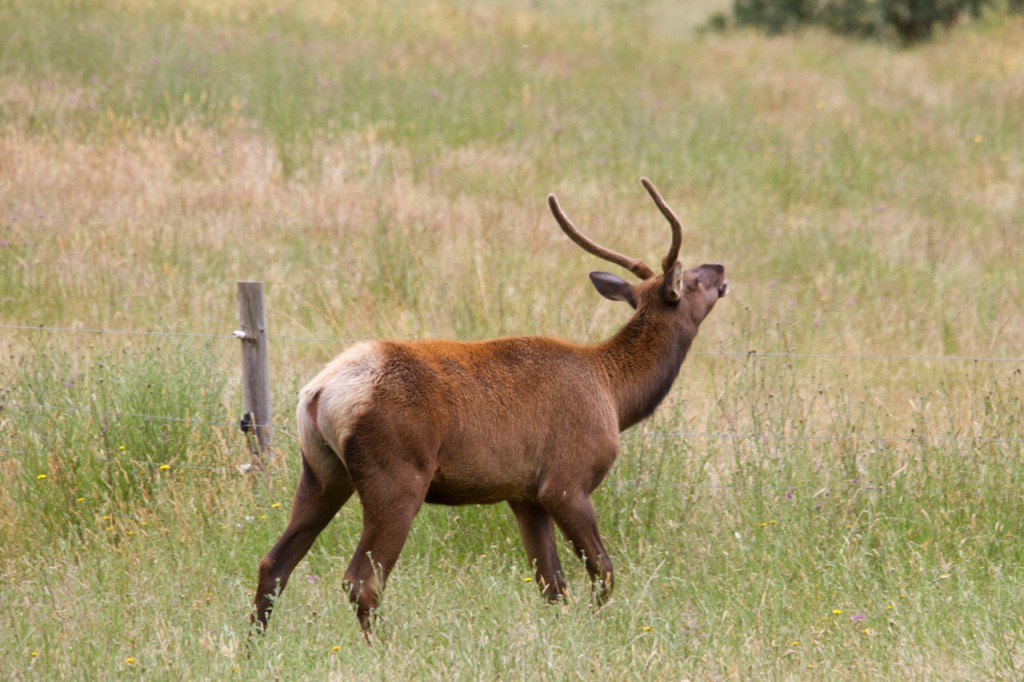
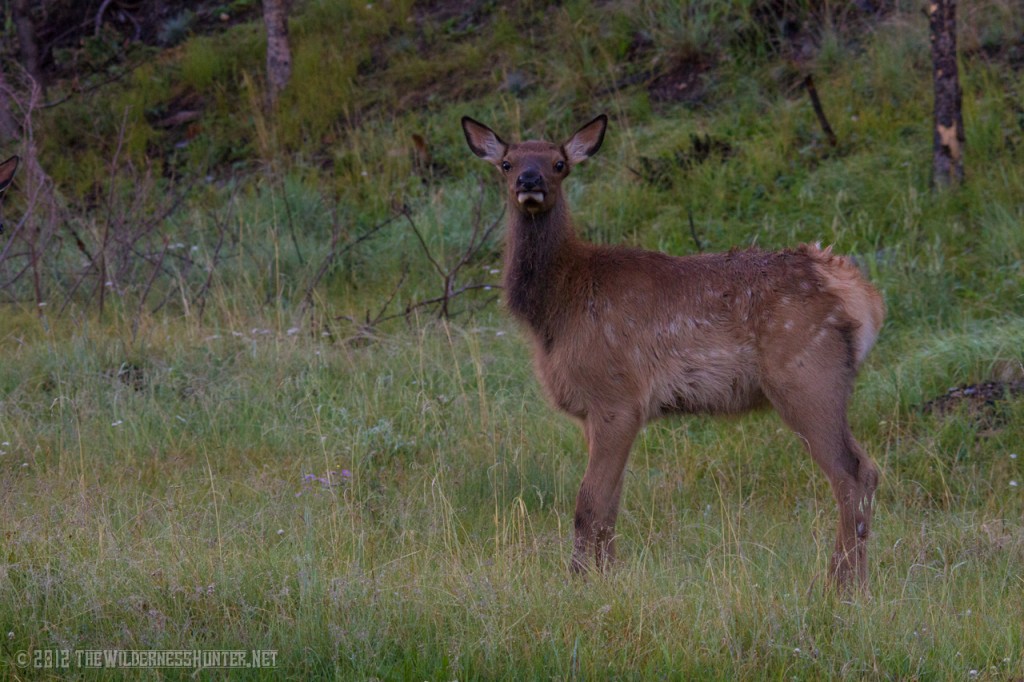
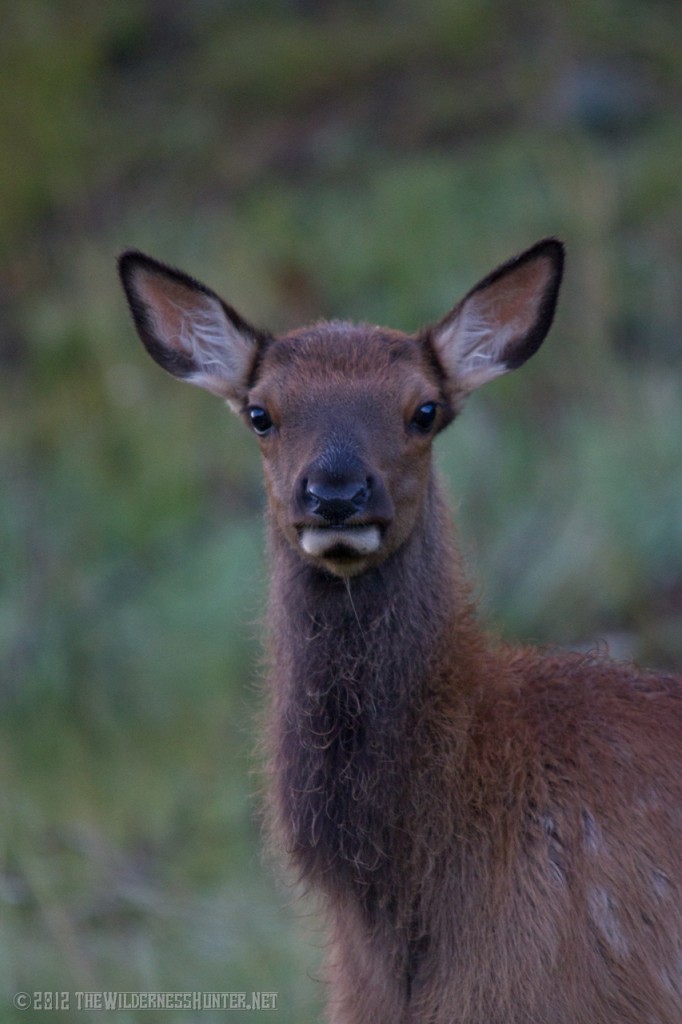
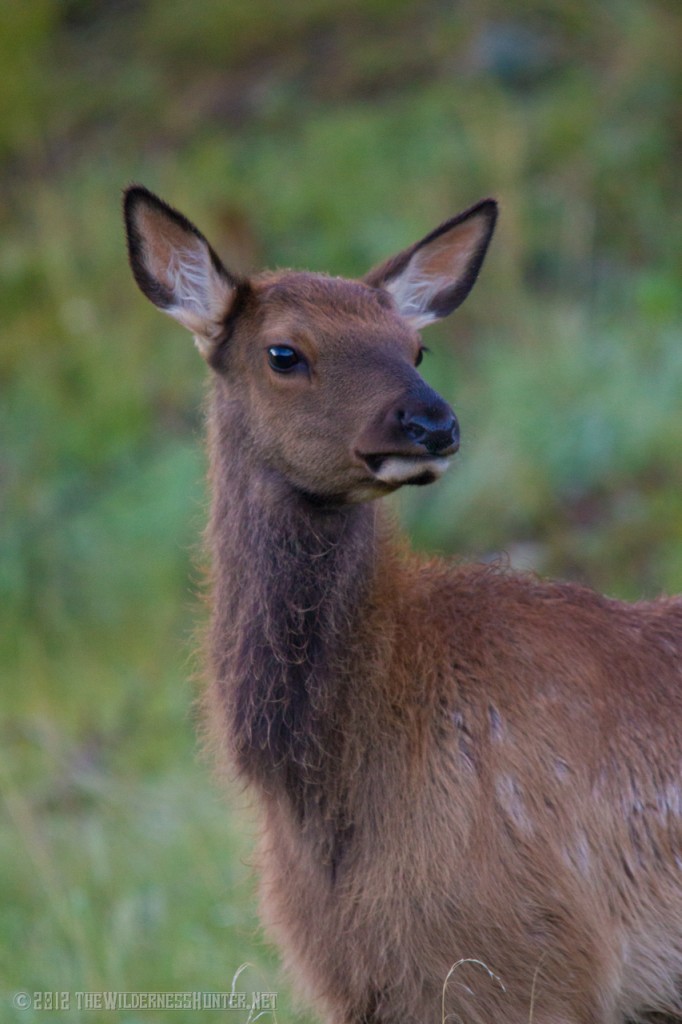
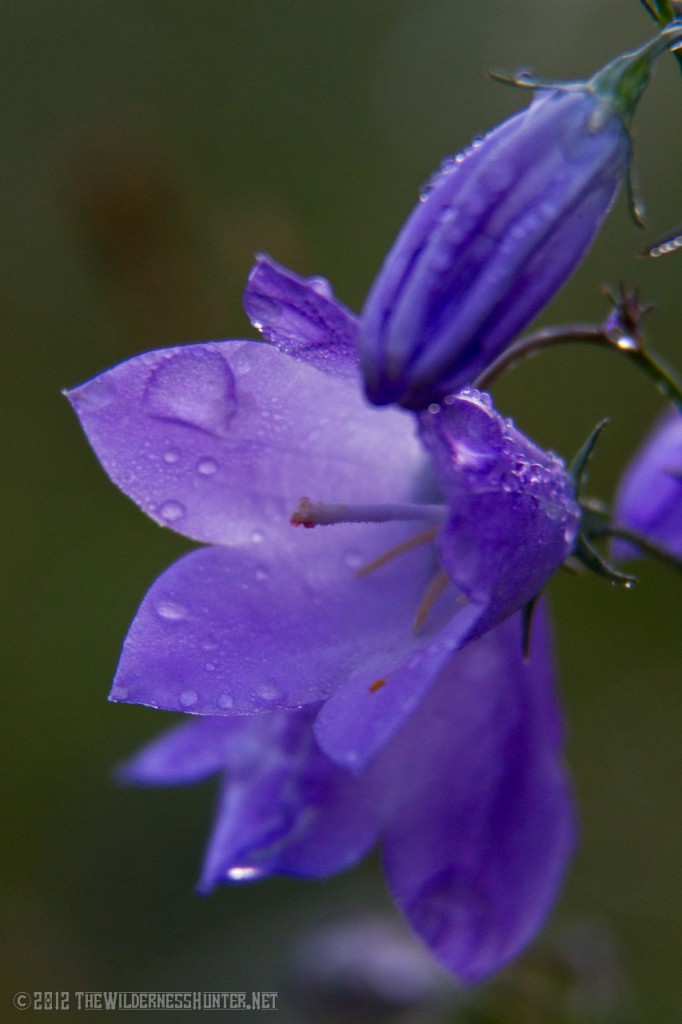
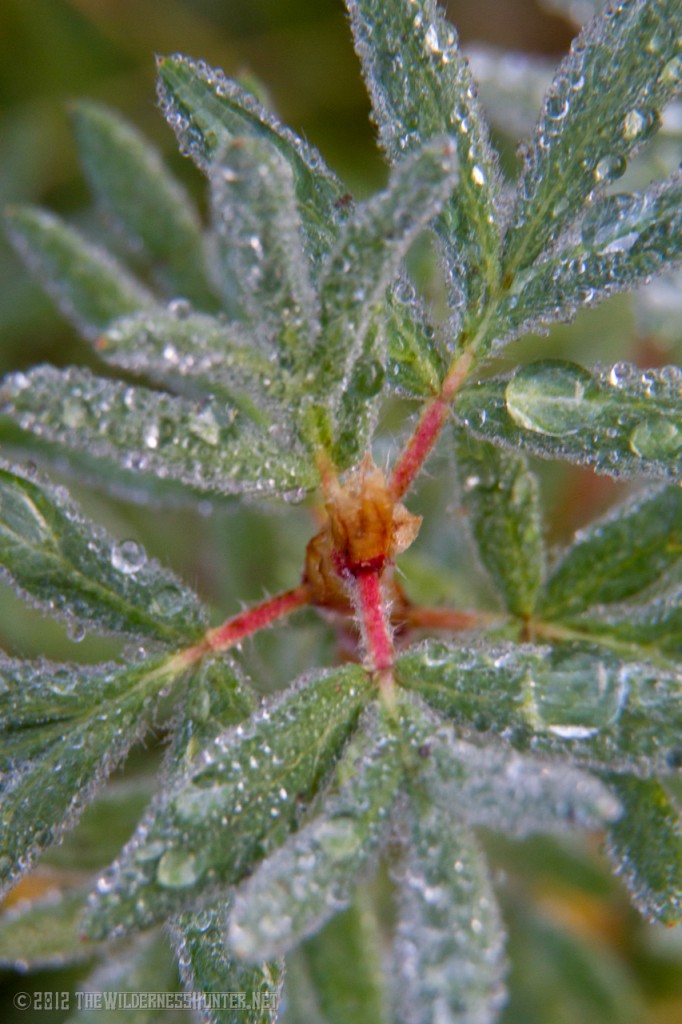
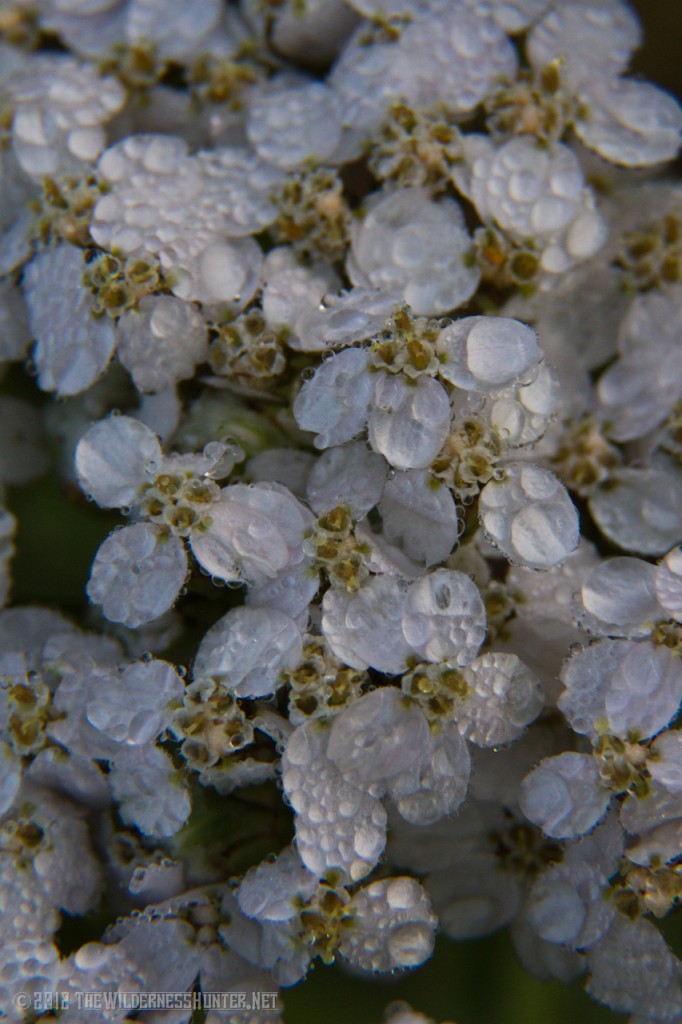
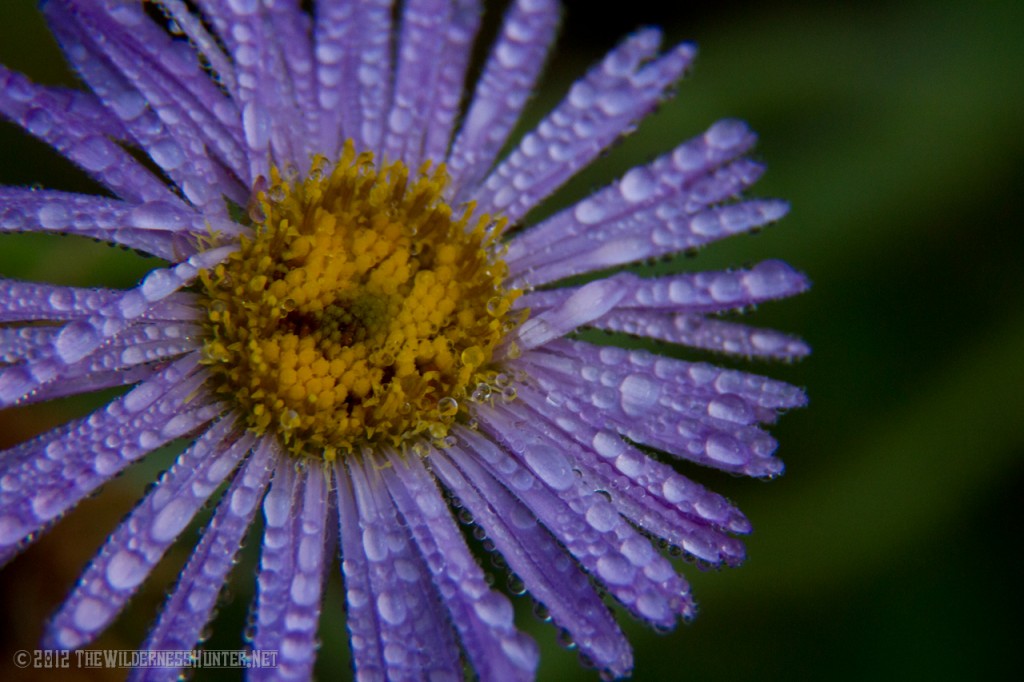
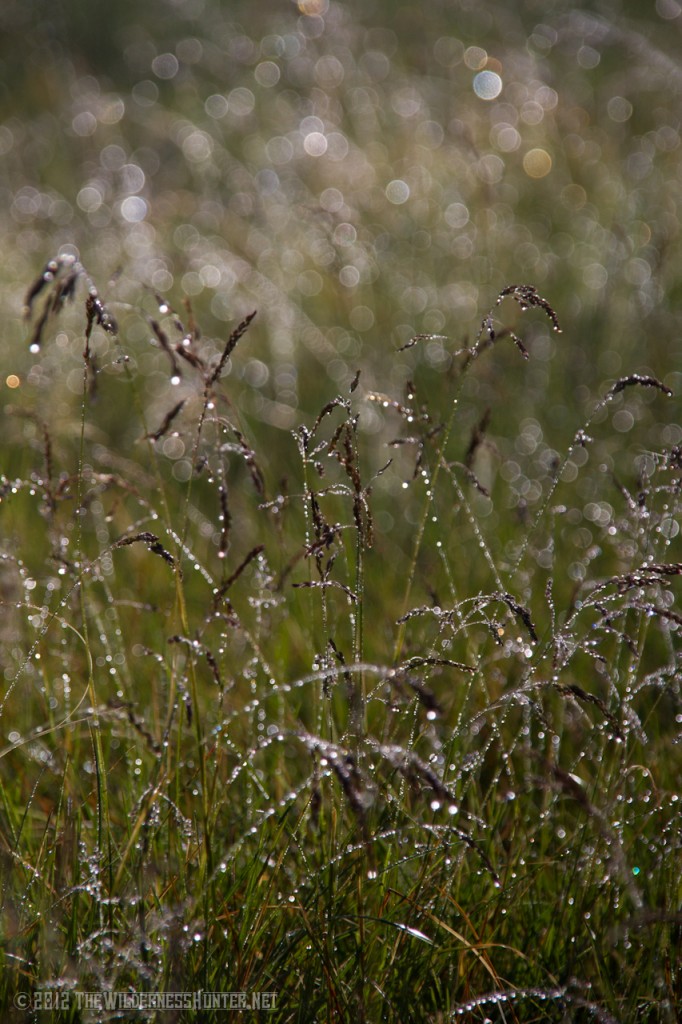
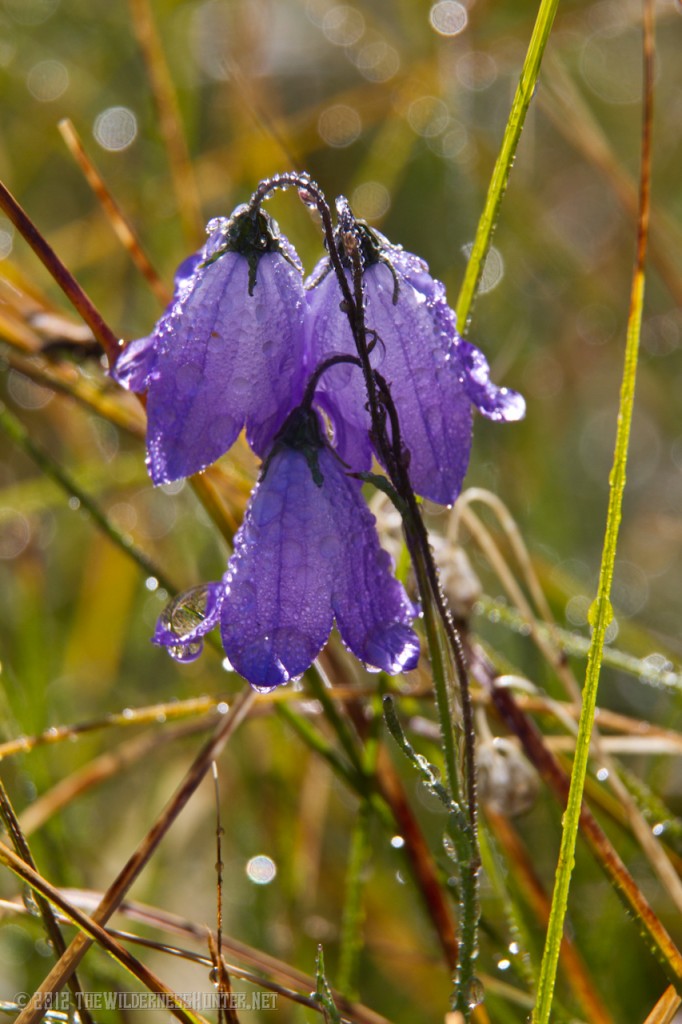
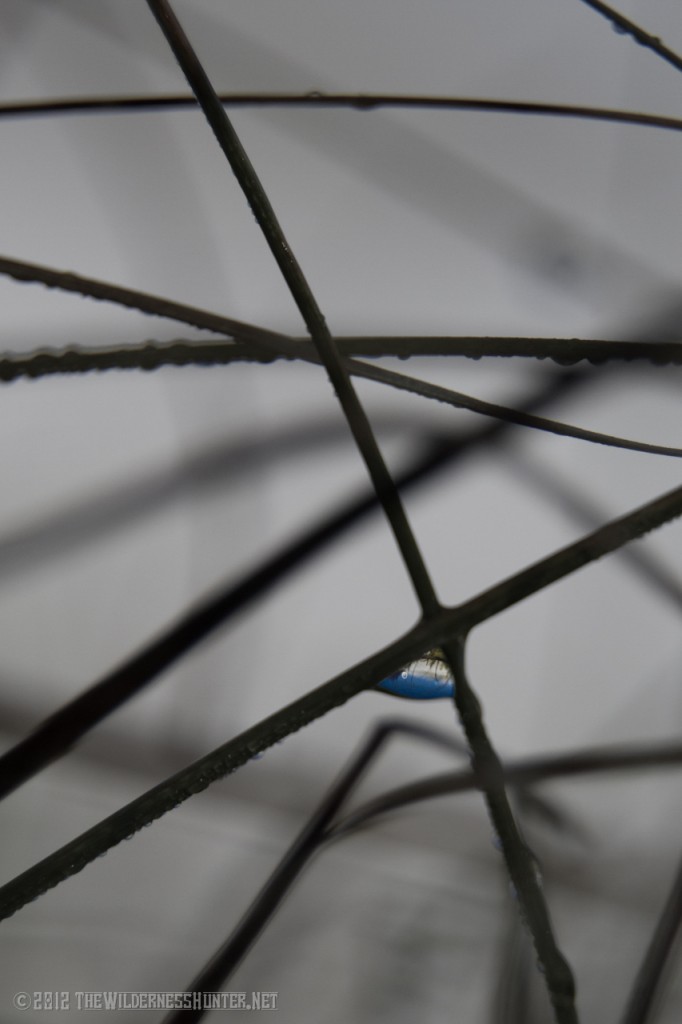
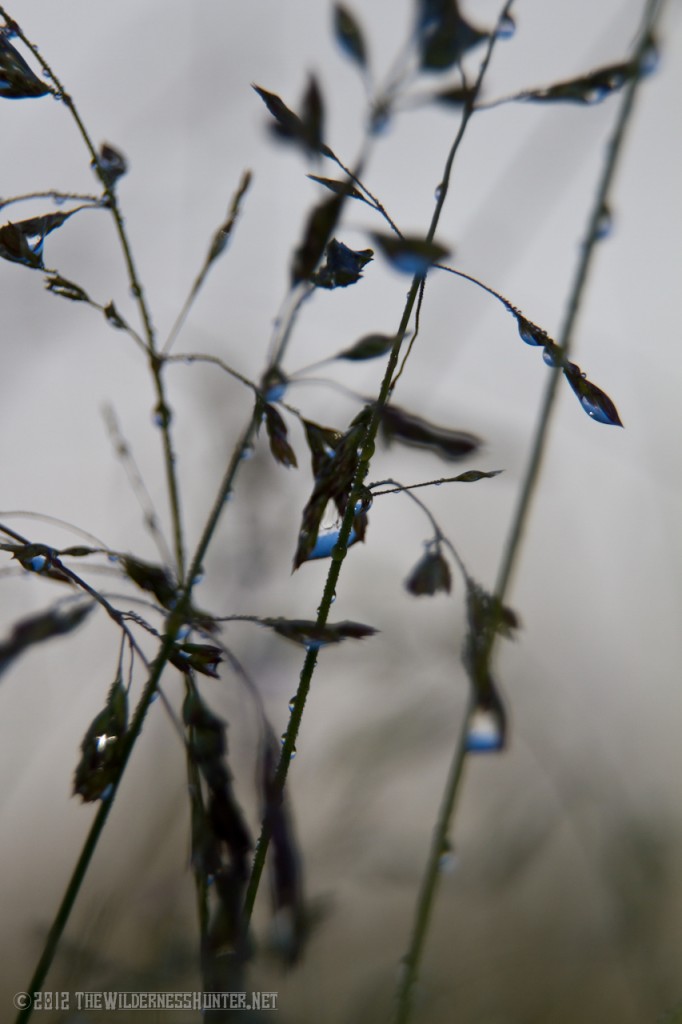
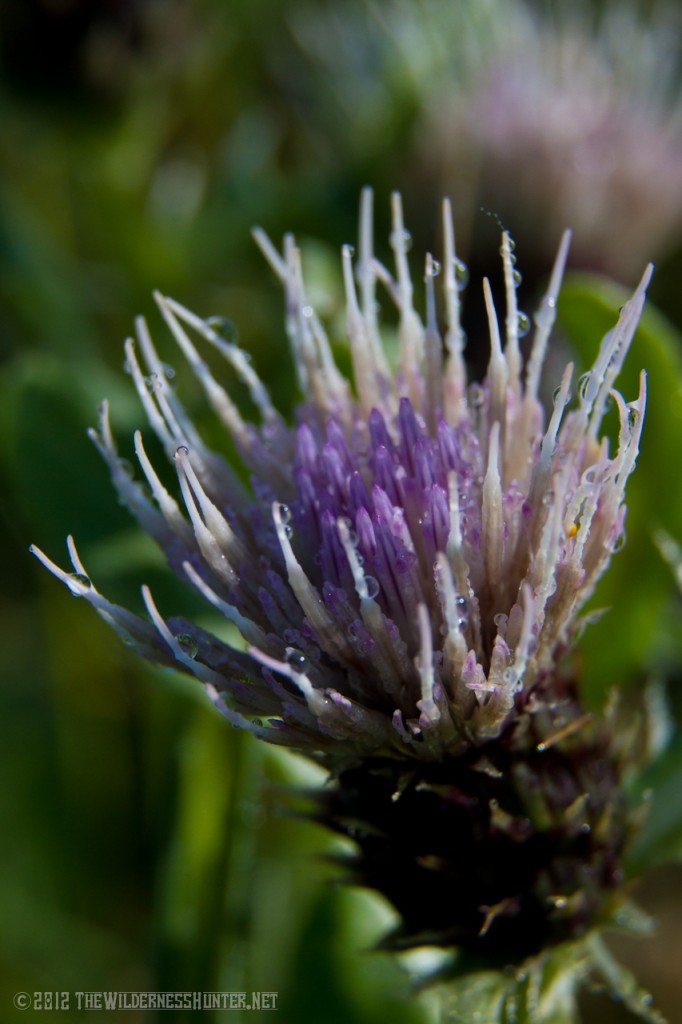
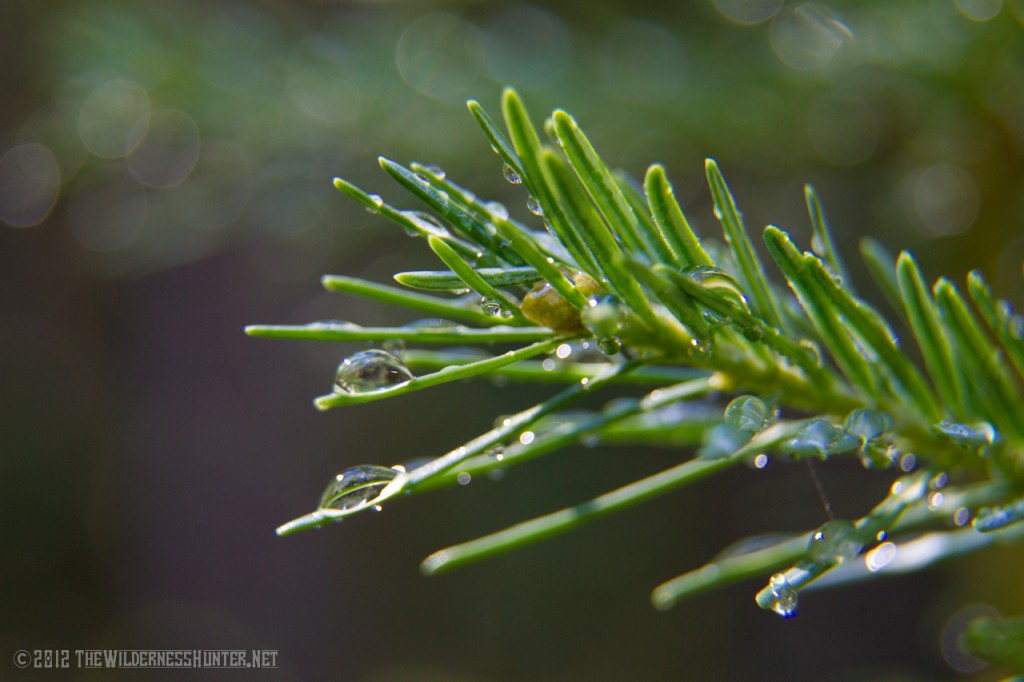
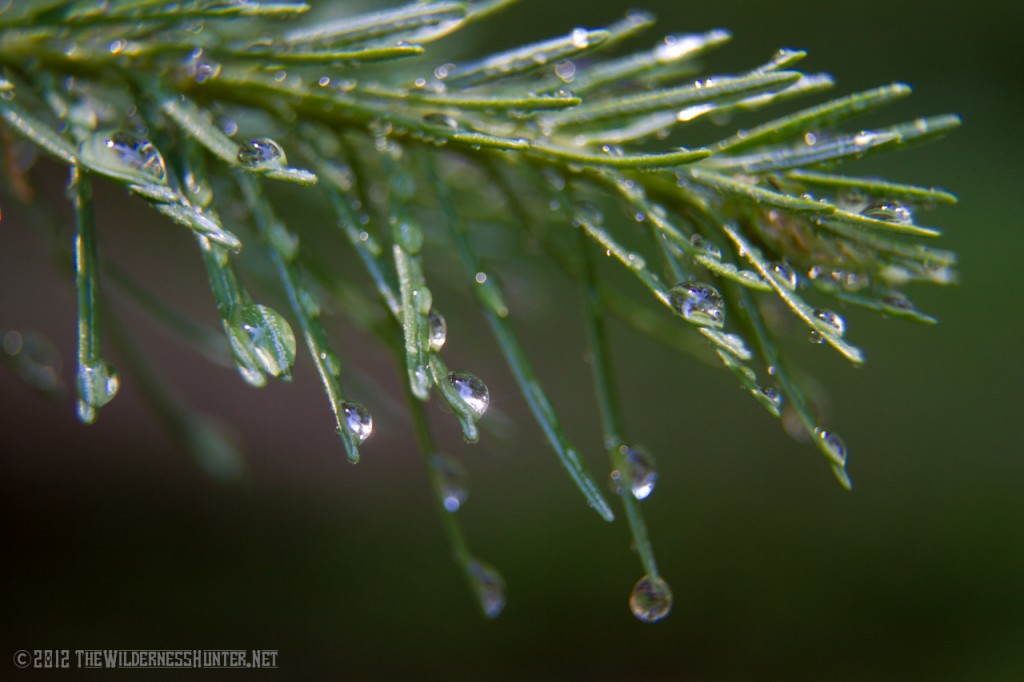
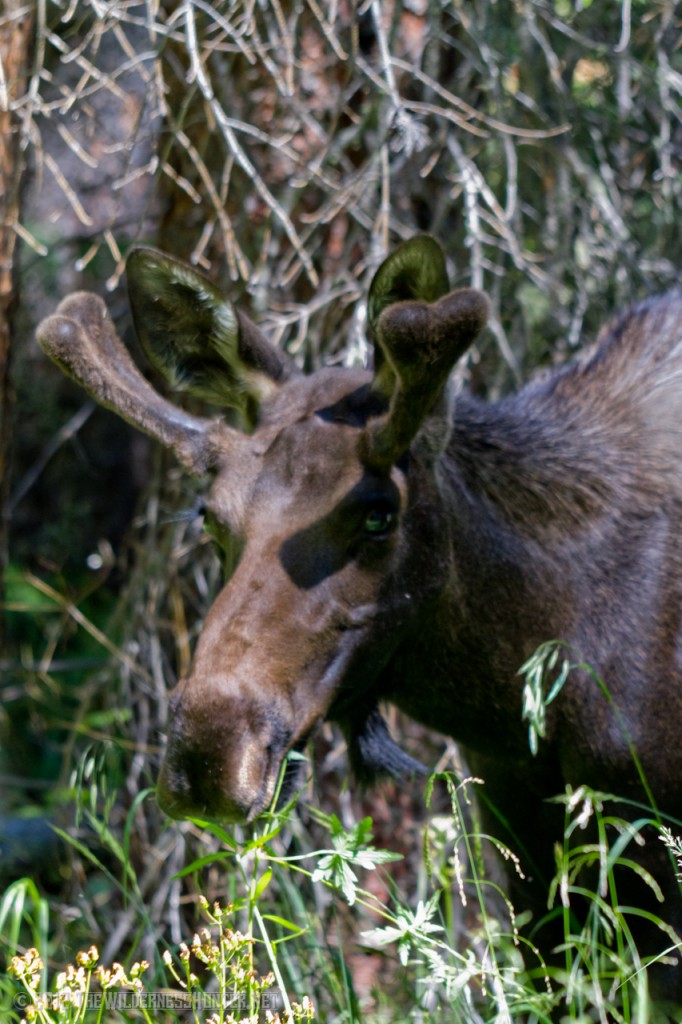
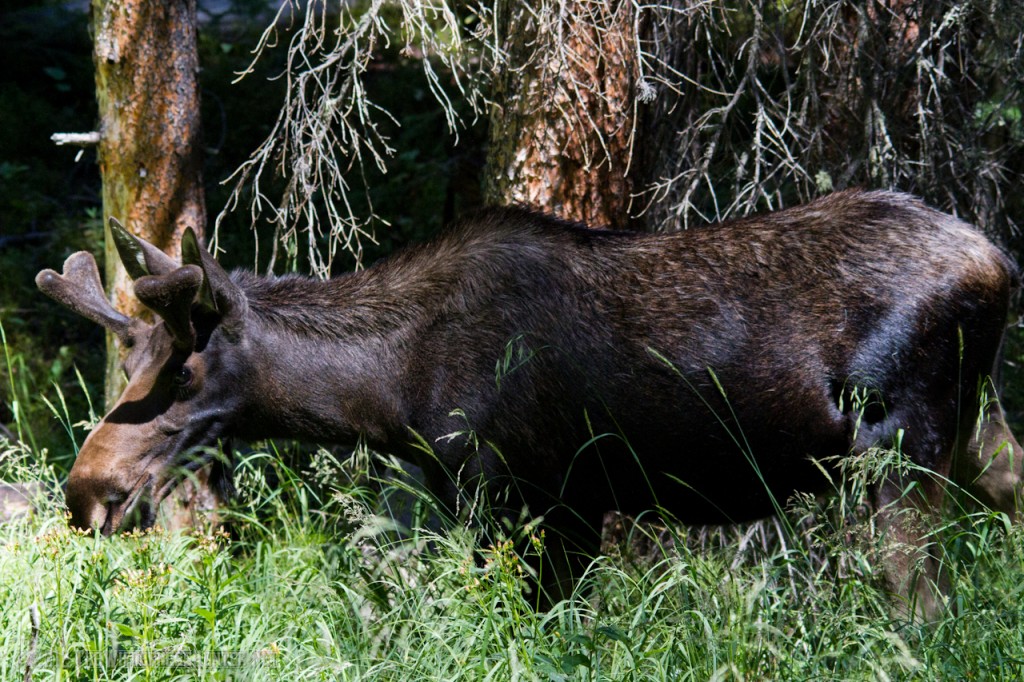
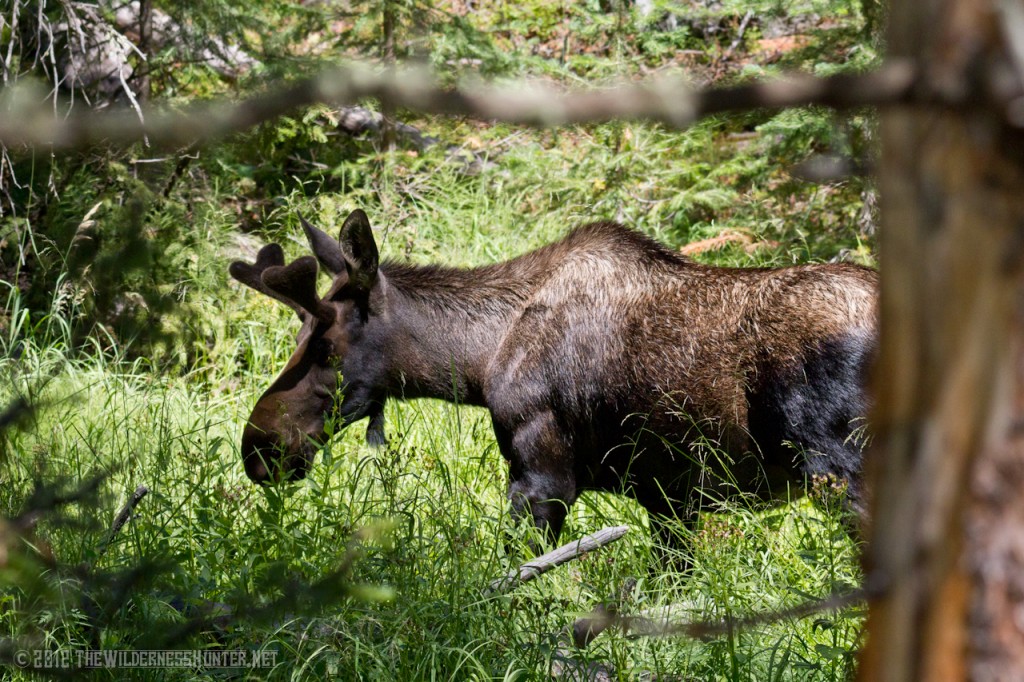
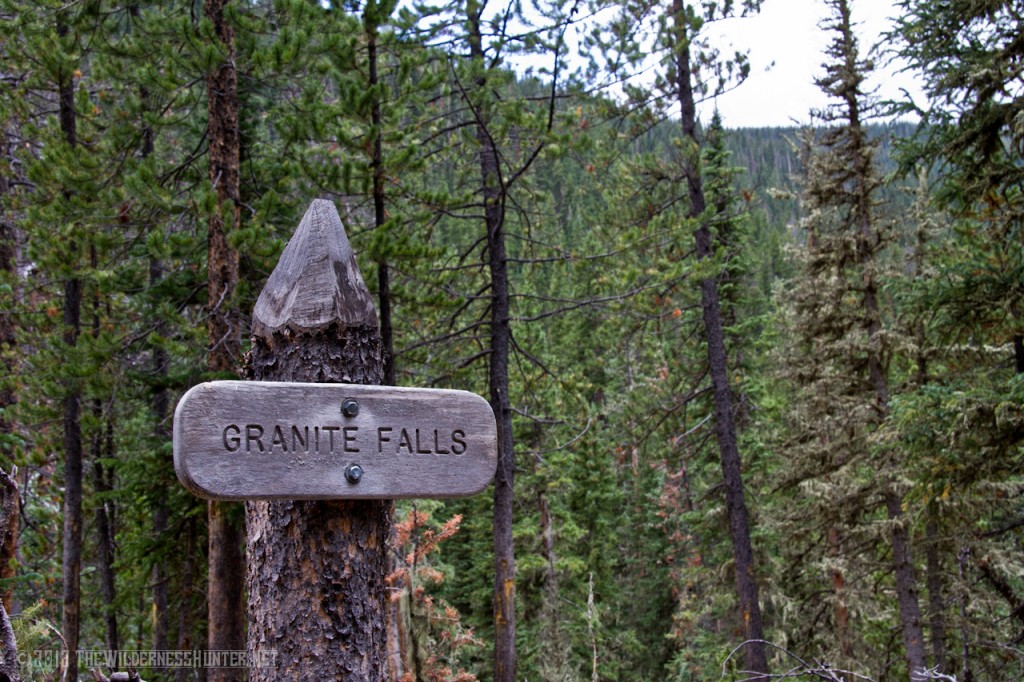
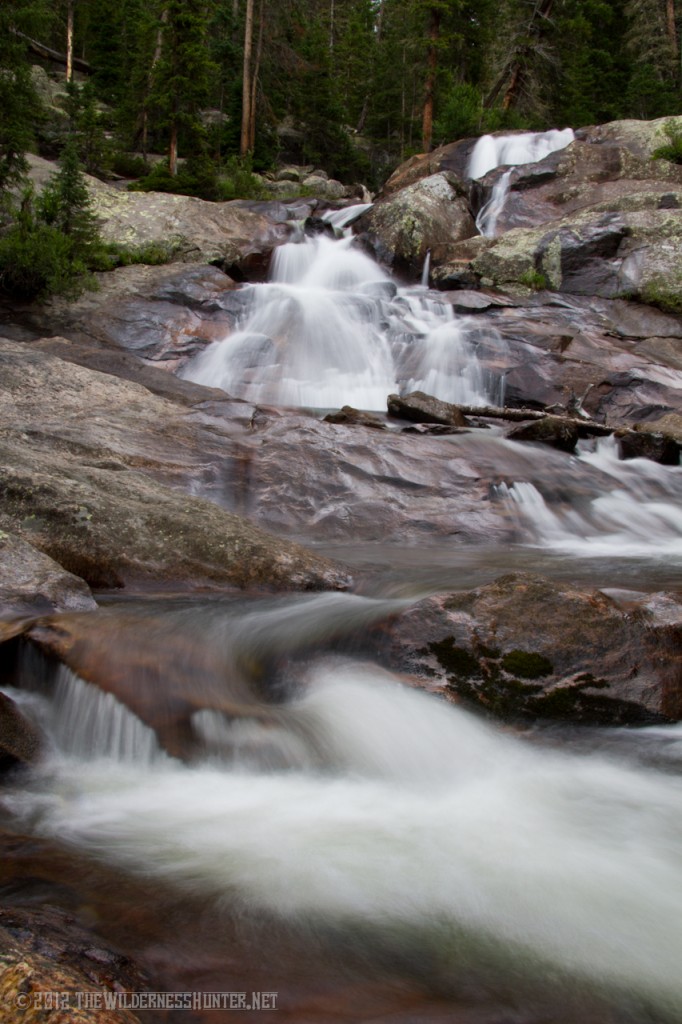
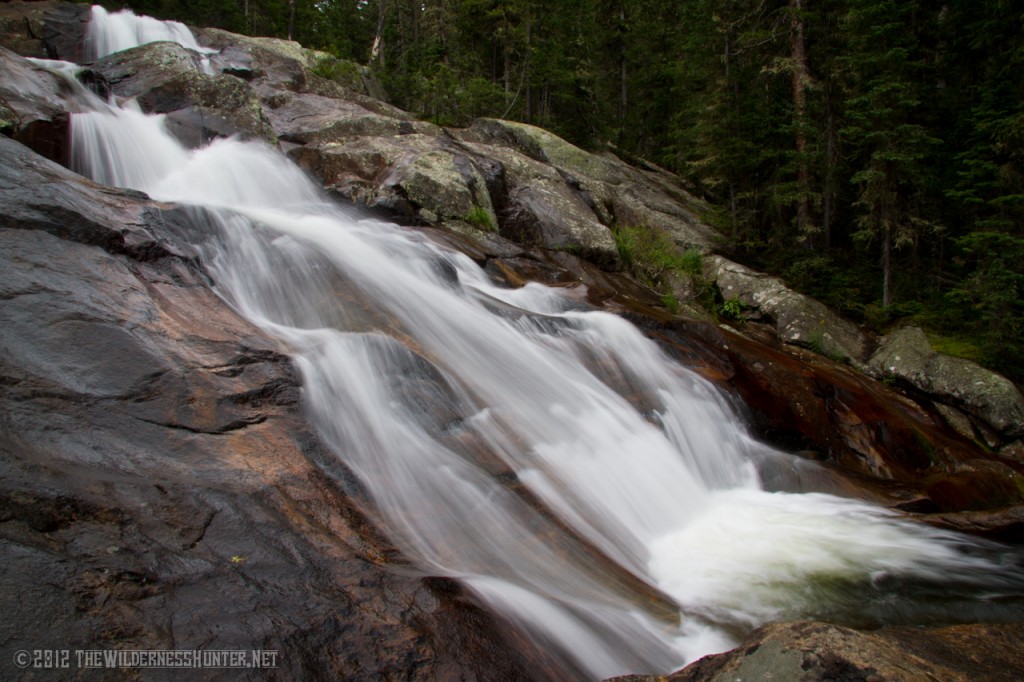
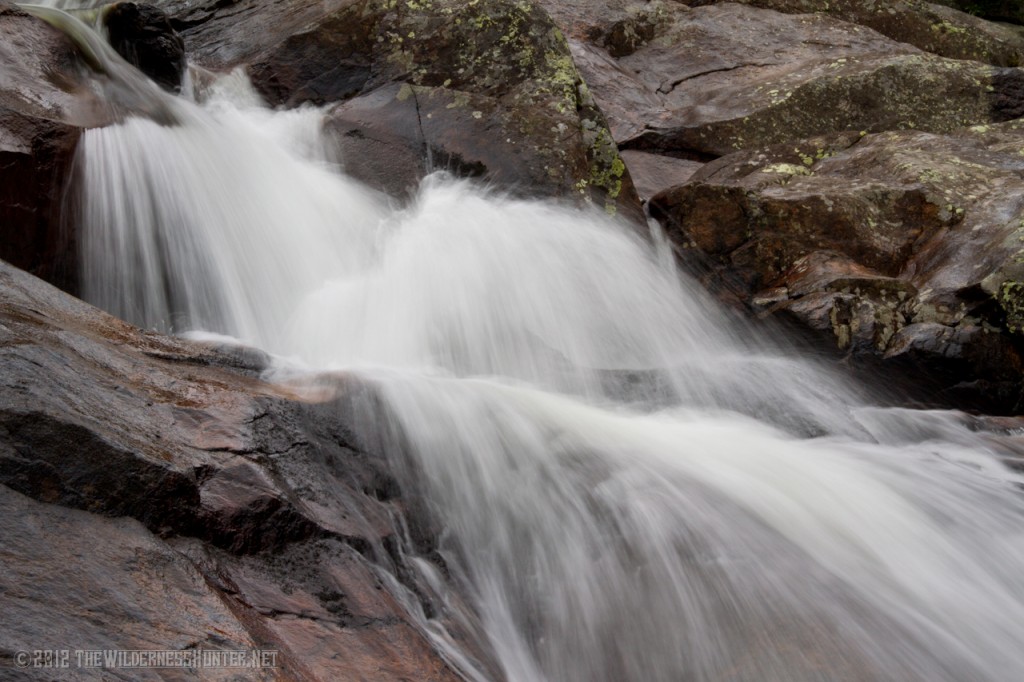
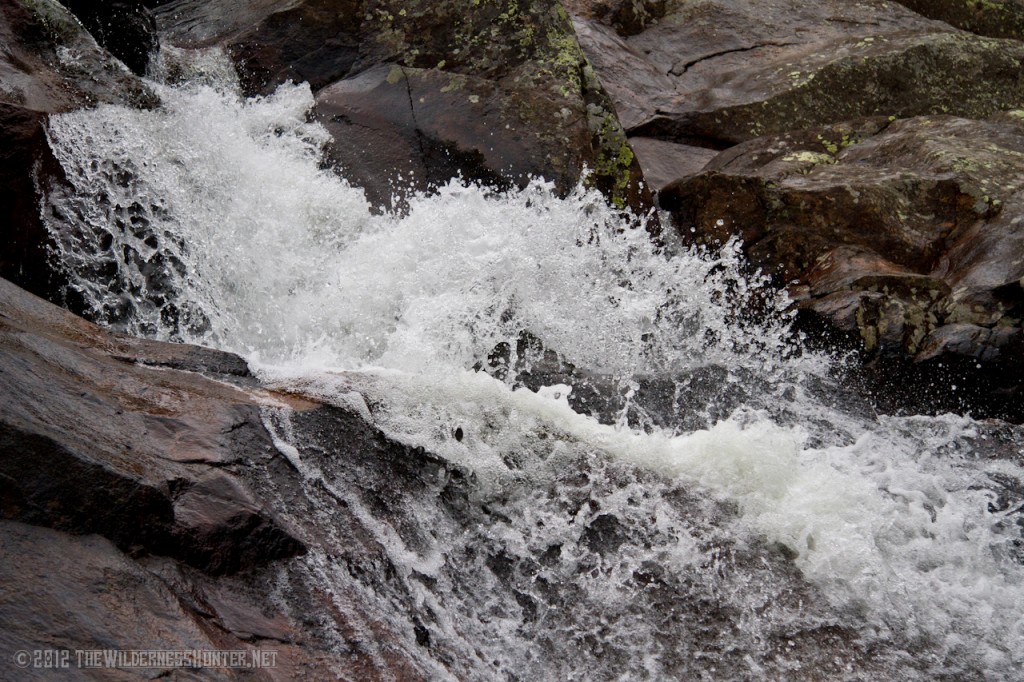
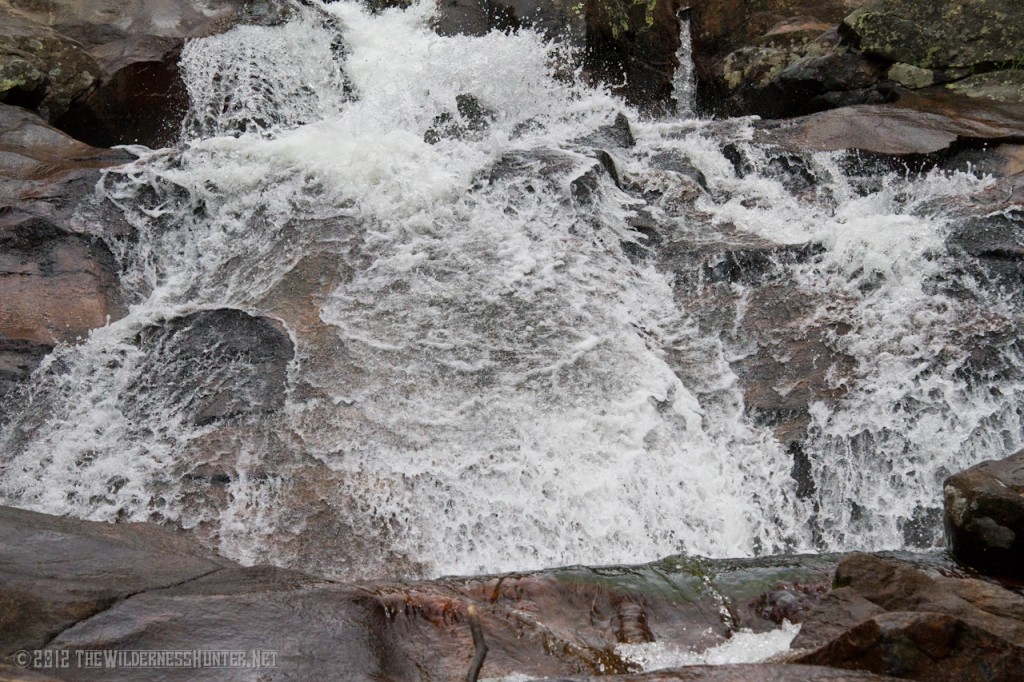
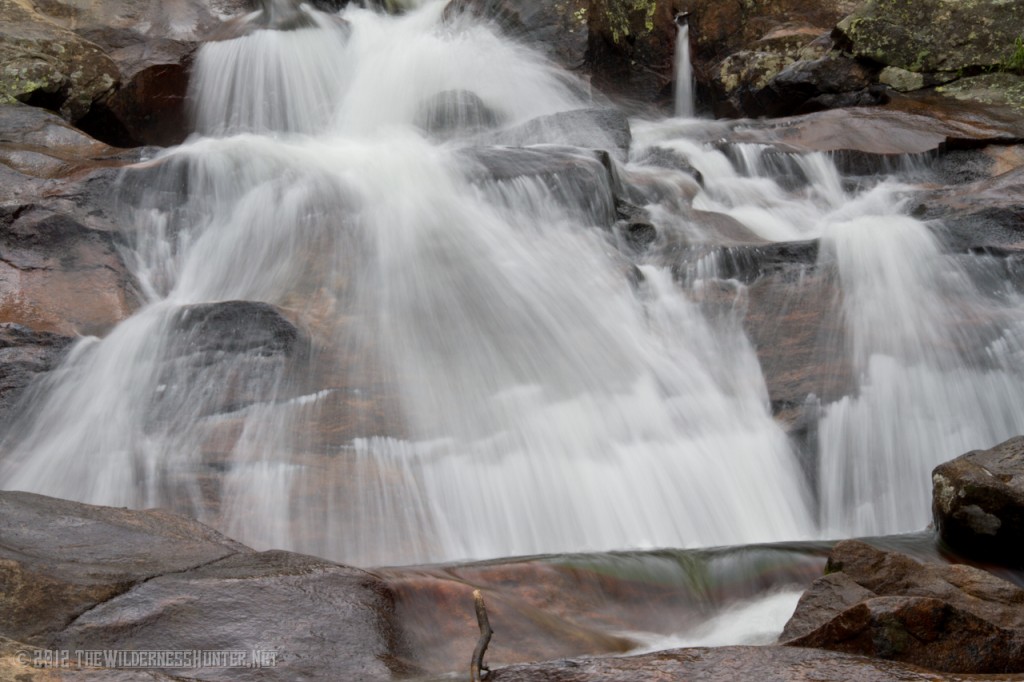
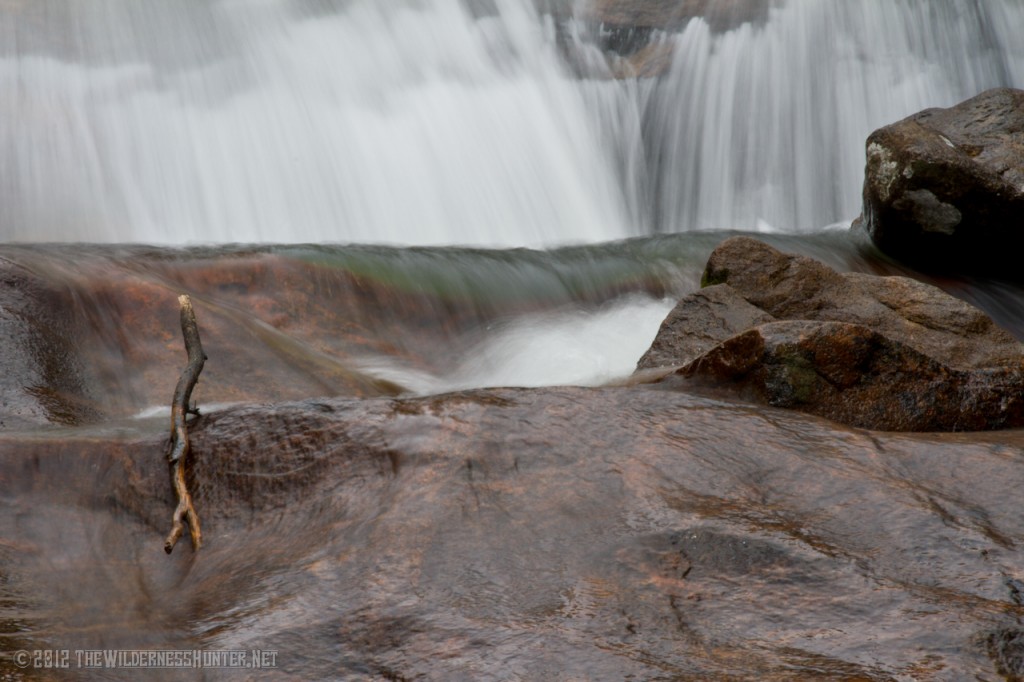
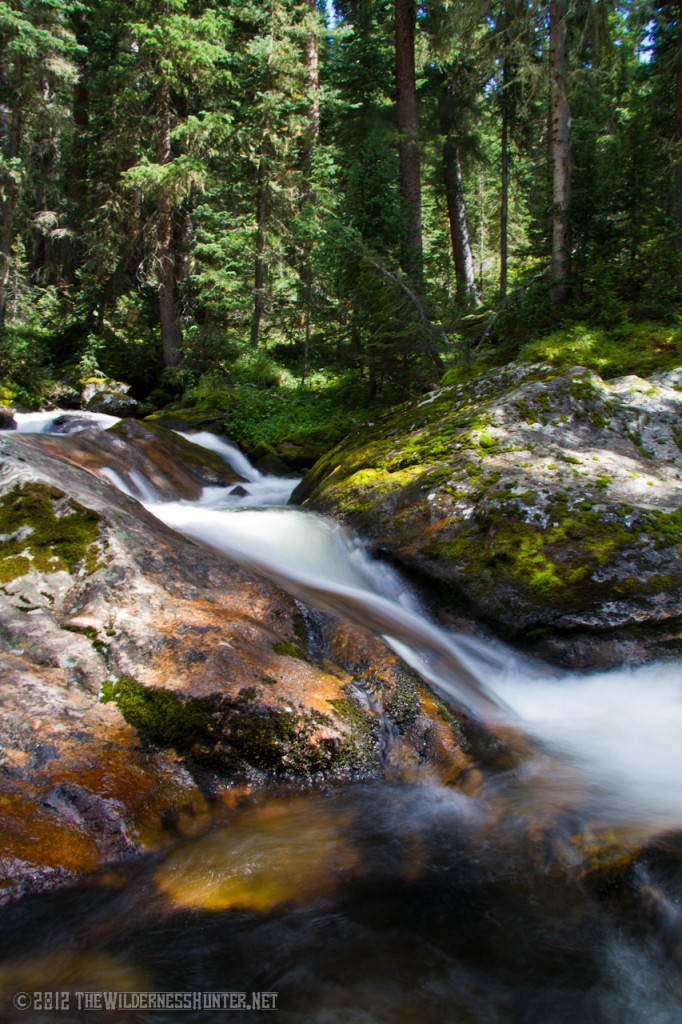
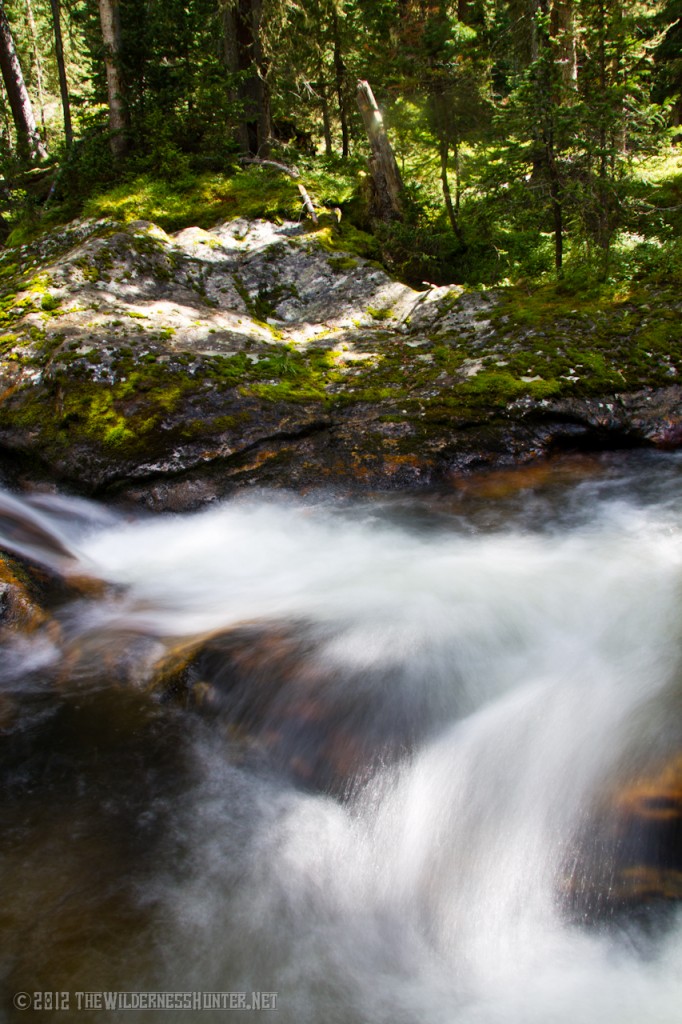
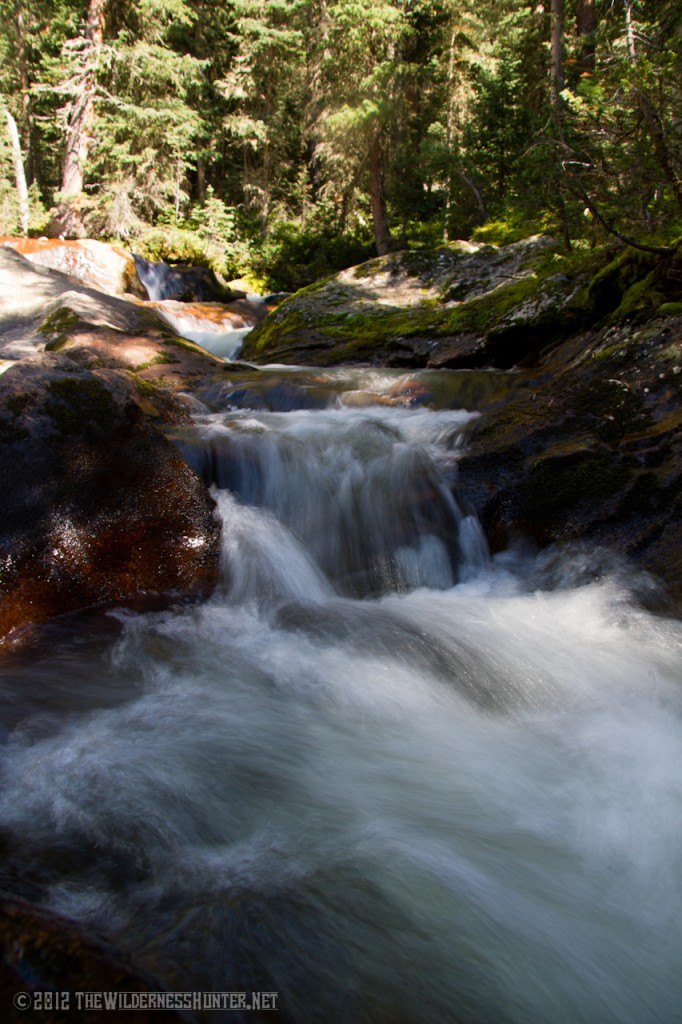
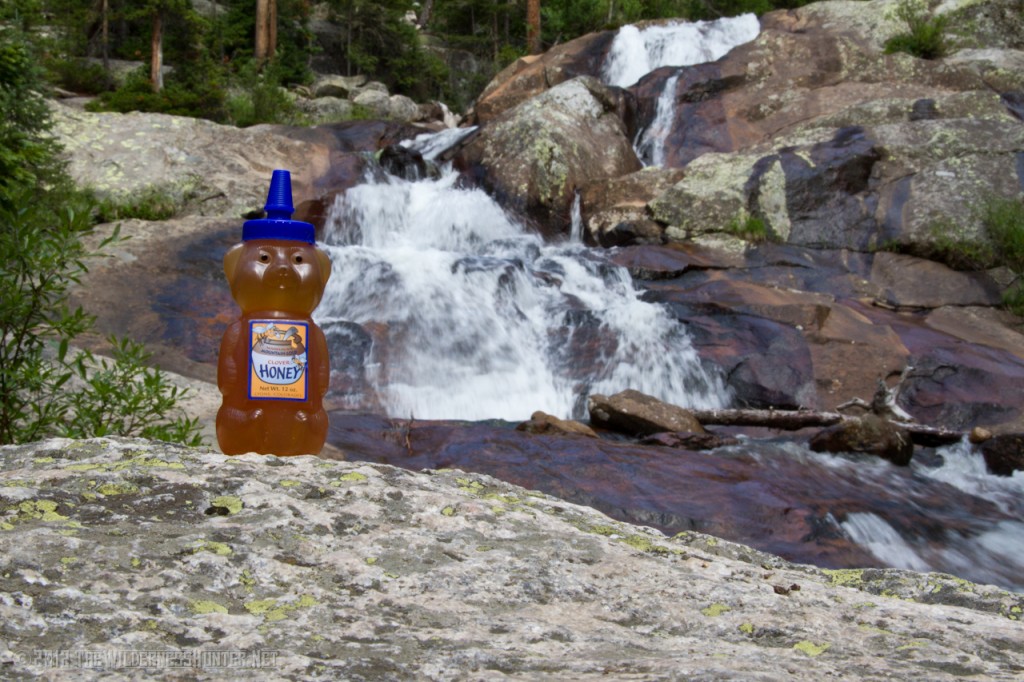
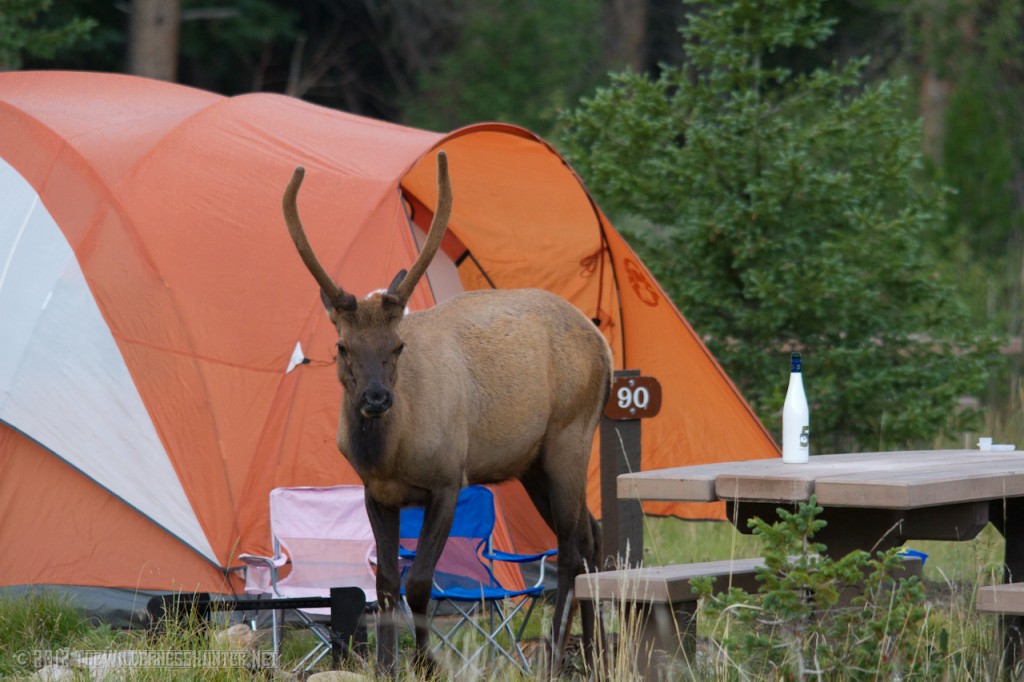
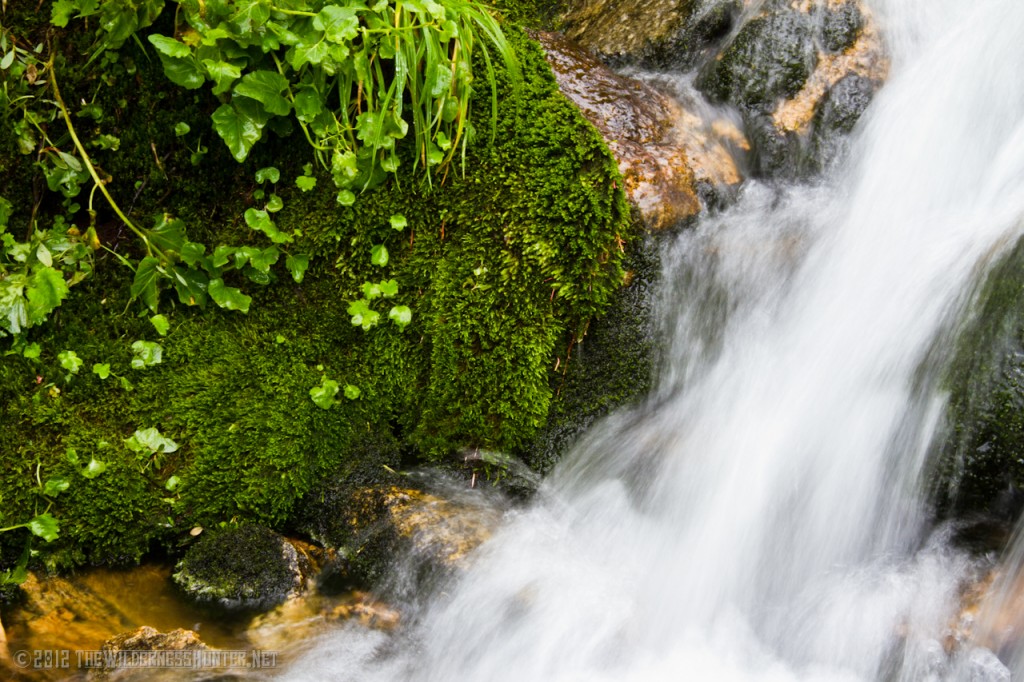
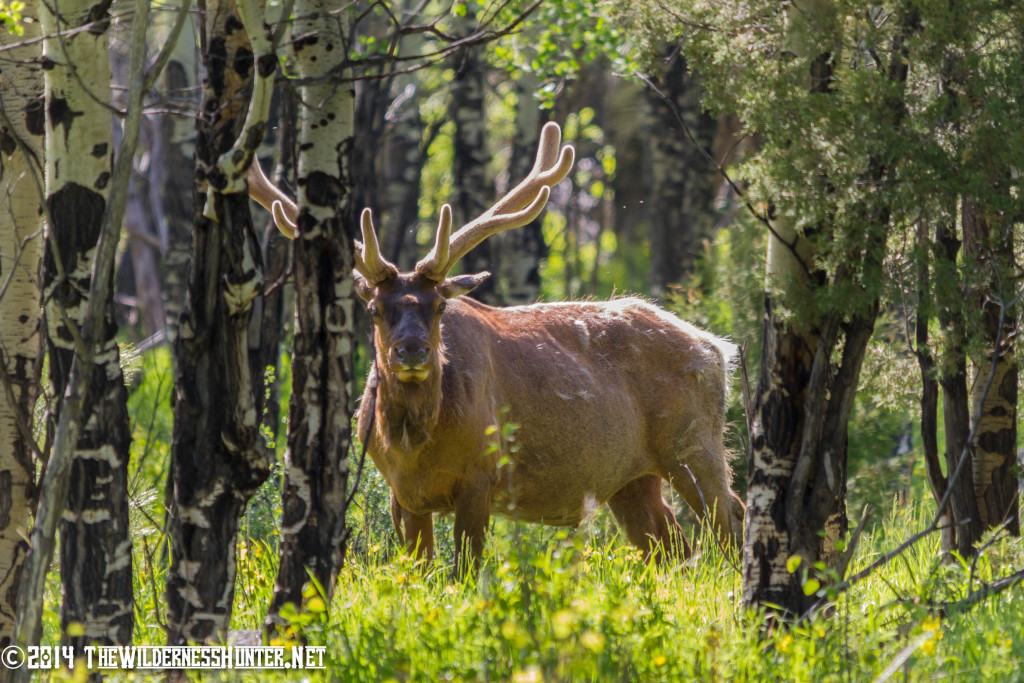
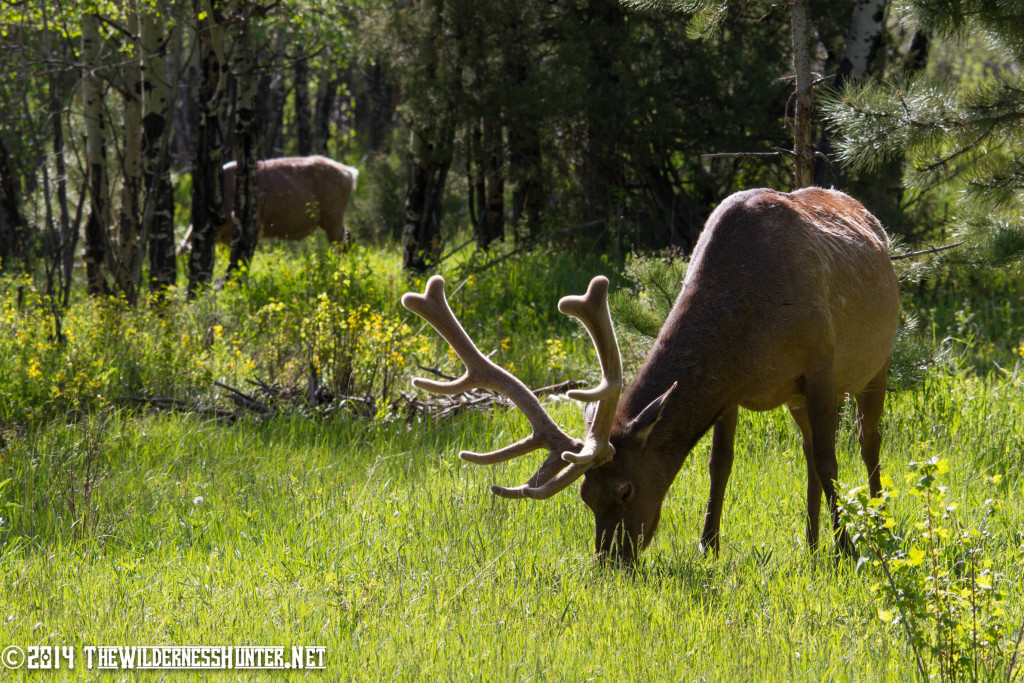
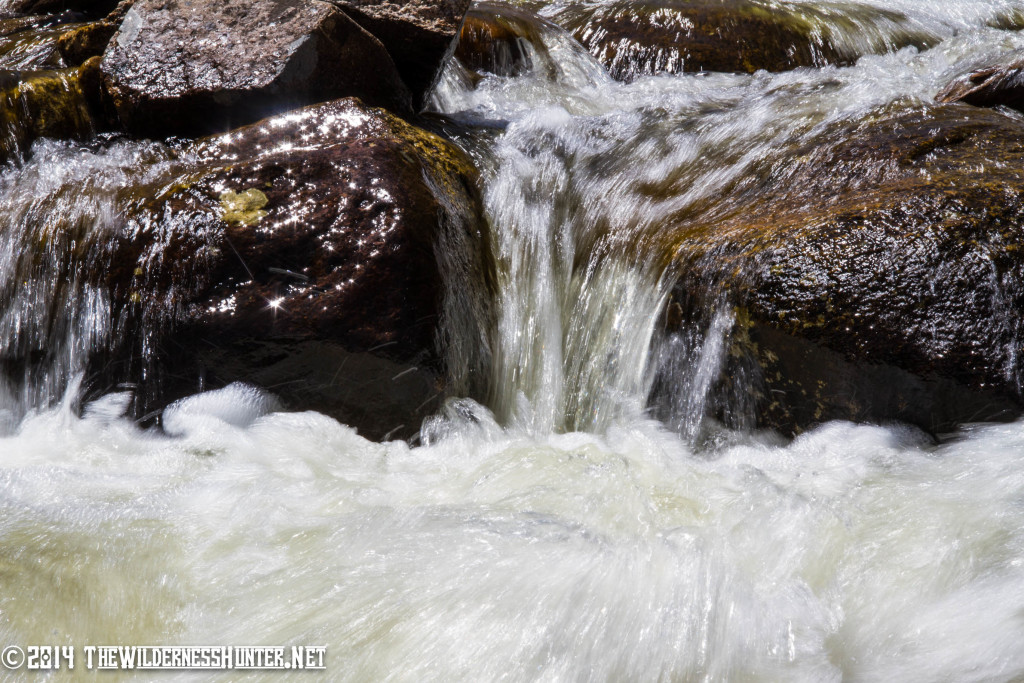
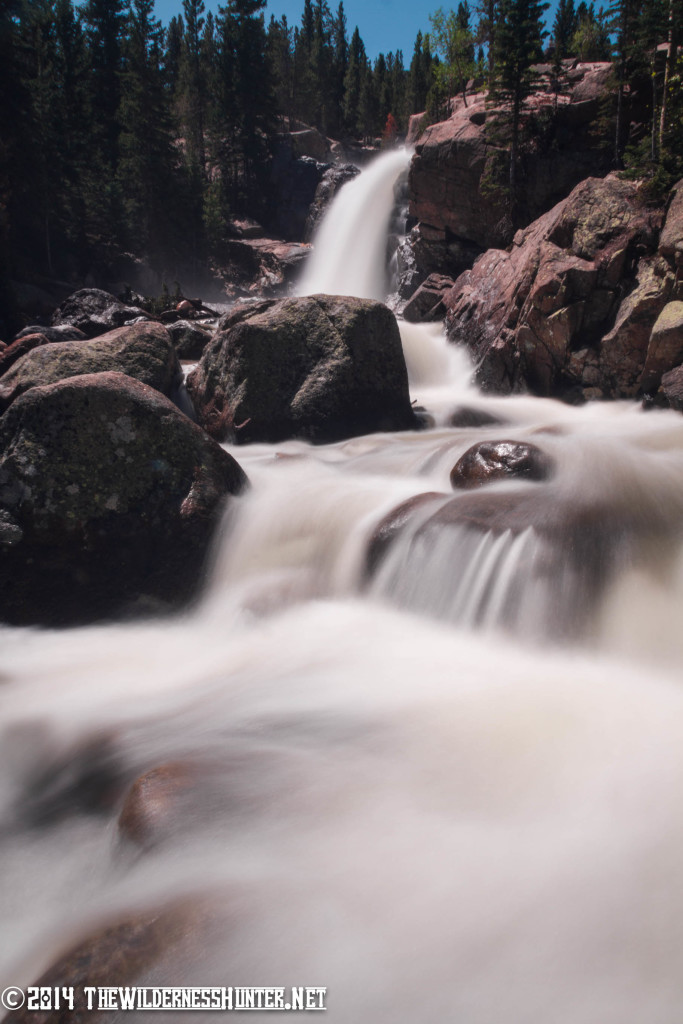
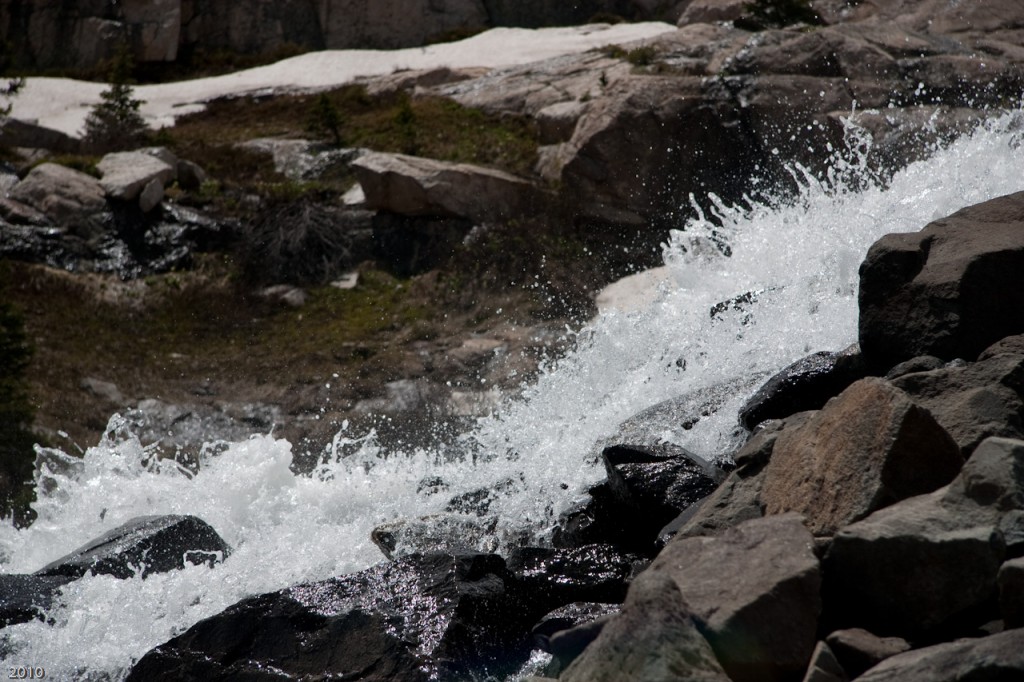
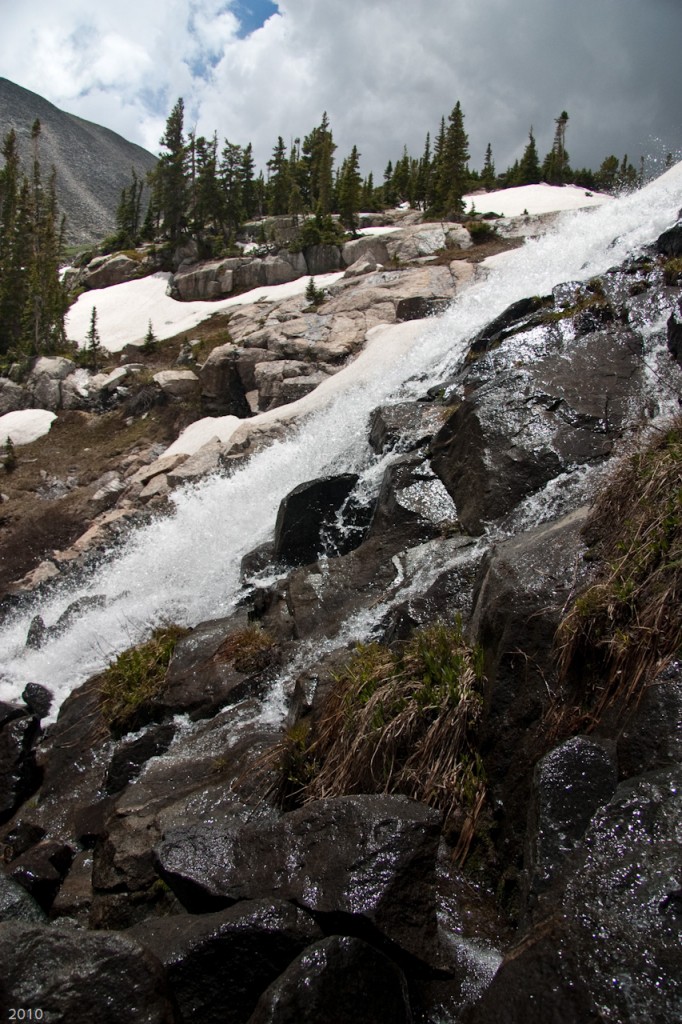
We woke to the sound of Elk hooves plodding through camp, and looked out to see several cows and their calves casually munching and walking through the dew soaked grass. Once the sun crested the ridge, we were suddenly in macro photography paradise. The rain and dew had collected on every bit of grass and flower in the immediate area. We spent about an hour or so on our hands, knees, elbows, and bellies in the dampness inches from blooms and blades of grass. Finally about 9:30 we set off on a five mile hike (one way) up to Granite Falls. Just the name was enough for us to get excited about. Like photographers, we took our time heading up the trail, snapping shots of what ever caught our eye. A mile or so up the trail, we came across a young bull Moose grazing the tall foliage, and paying us no mind. Most of the rest of the hike was fairly uneventful, stopping to “click” the flowers occasionally. We reached Granite Falls, and were not disappointed; a stretch of about fifty yards of water cascading over solid granite rock, dropping thirty feet total. There were a few other hikers taking in the falls, though when it began to cloud over and rain a bit, they all scattered so we were left alone to begin our photographic exercises. The clouds helped achieve the long exposures needed to make the silky smooth water effect, the longest of which was a half second, though the average was around a quarter second. Doesn’t sound like much, but for a camera shutter, that’s quite a long time. We spent quite a long time at the base of the falls until the rain stopped, and dipped our feet in the icy water, enjoying a beautiful mountain midday. When we were kids, hiking with our family, our grandad would always have a honey bear full of honey for an extra boost of energy. Brooke had an idea to get a shot of our honey bear we had with us on this hike, which I thought was awesome. To this day I have always taken a honey bear with me on hikes, snowshoe trips and hunting trips. I never would have thought to include it in a photo! So the honey bear shot is for you Grandad.
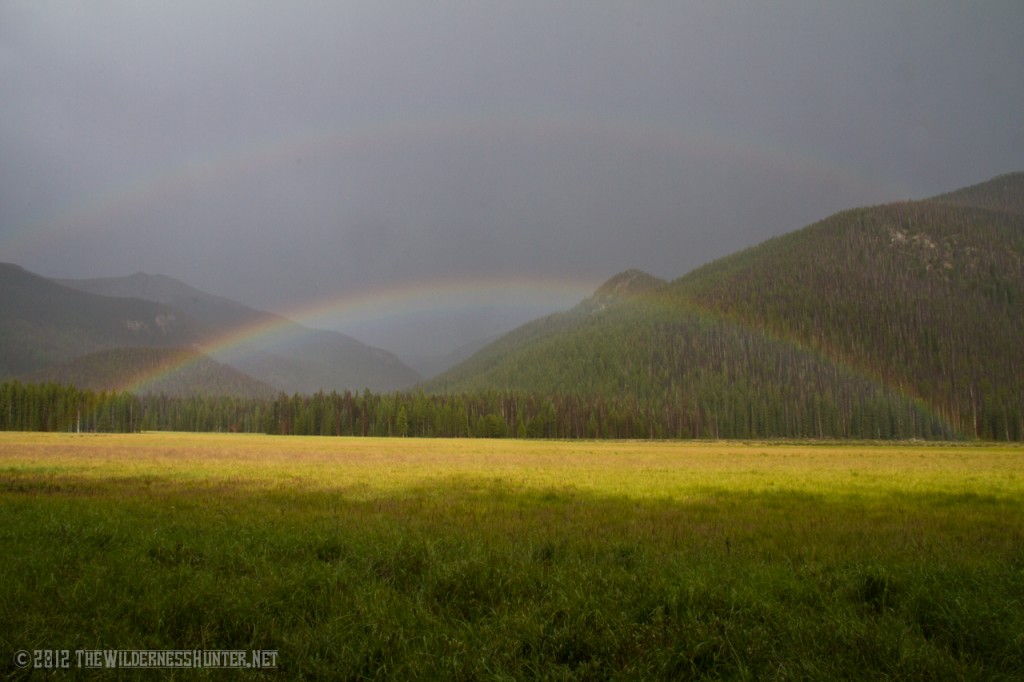
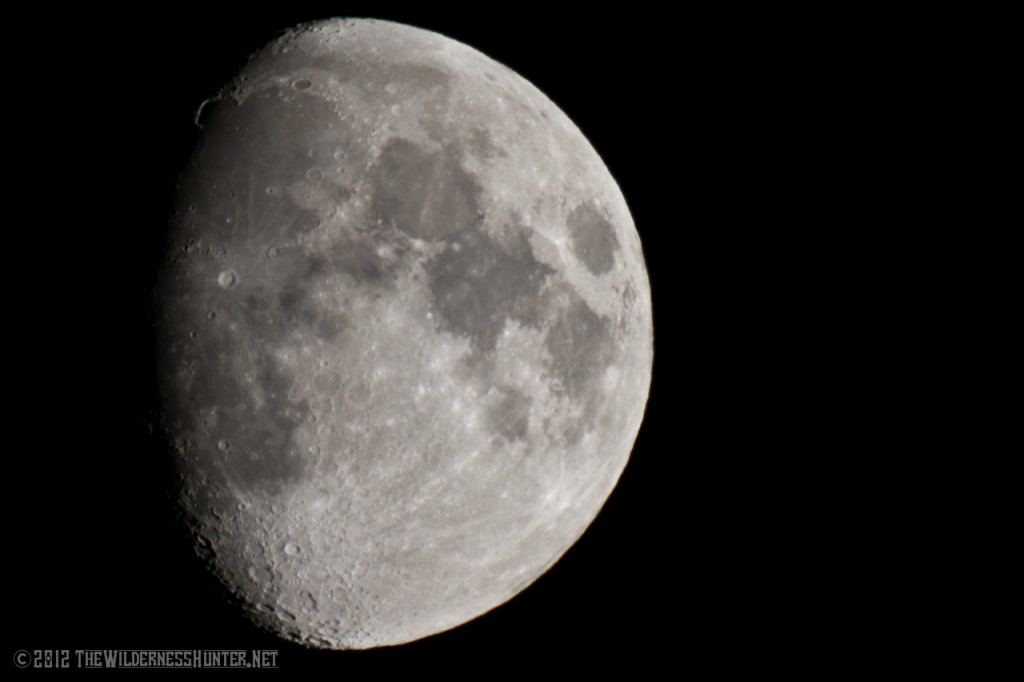
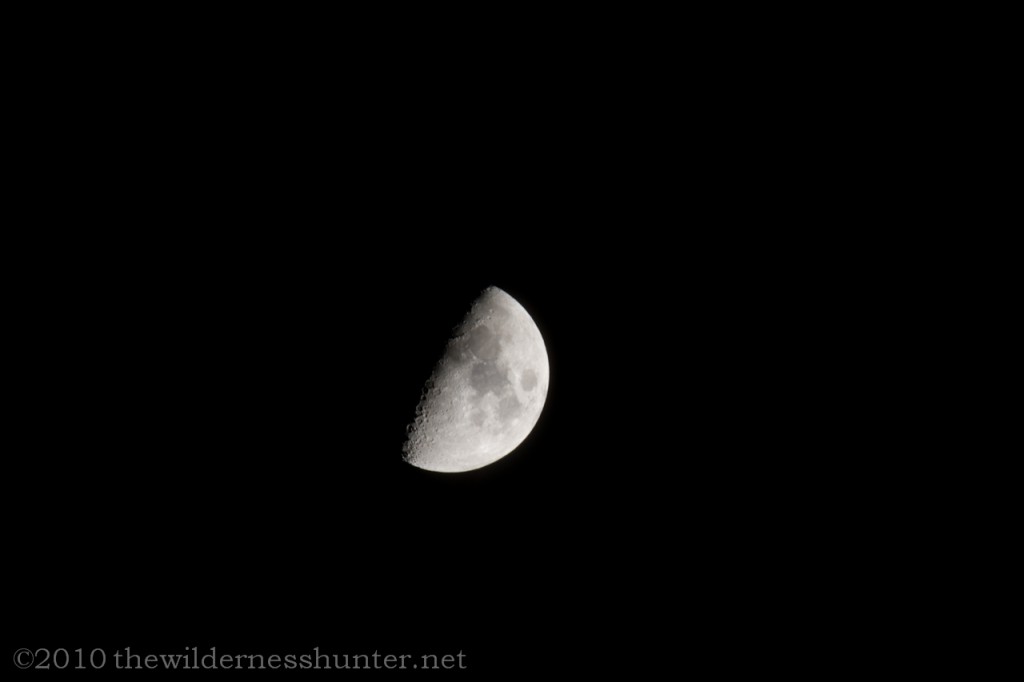
Soon we decided to head back, since the storm clouds were gathering again and we didn’t feel like getting rained on too badly on our five mile return trip. It was a good plan right up until it began to sprinkle. The sprinkle turned into a rain. The rain turned into a downpour. So we covered the camera gear and headed down the trail with more single minded purpose than we came up the trail with. We stopped just once, to shoot a rainbow hanging over Big Meadow. After a ten mile hike in the soaking rain with thirty pounds of camera gear on your back, the sight of the truck is almost enough to bring a tear to one’s eye,and getting back to camp was just about as glorious. After the fire, and dinner, and more mead, the clouds cleared up and gave us an excellent opportunity to get some shots of the moon with my 500mm super telephoto lens and Brooke’s 2x tele-extender, which increases the reach of any lens. Including the crop factor of our APS-C sensors on our 7D’s, we were looking at the moon with the equivalent of a 1500mm lens! Needless to say, we were able to get some great shots of the moon with incredible detail. Short of actually having a telescope with a DSLR mount on it, we did well. Initially we wanted to get some shots of the stars, but moonset was going to be close to 1:00am, and we were already exhausted from the hike, so we hit the sack instead.
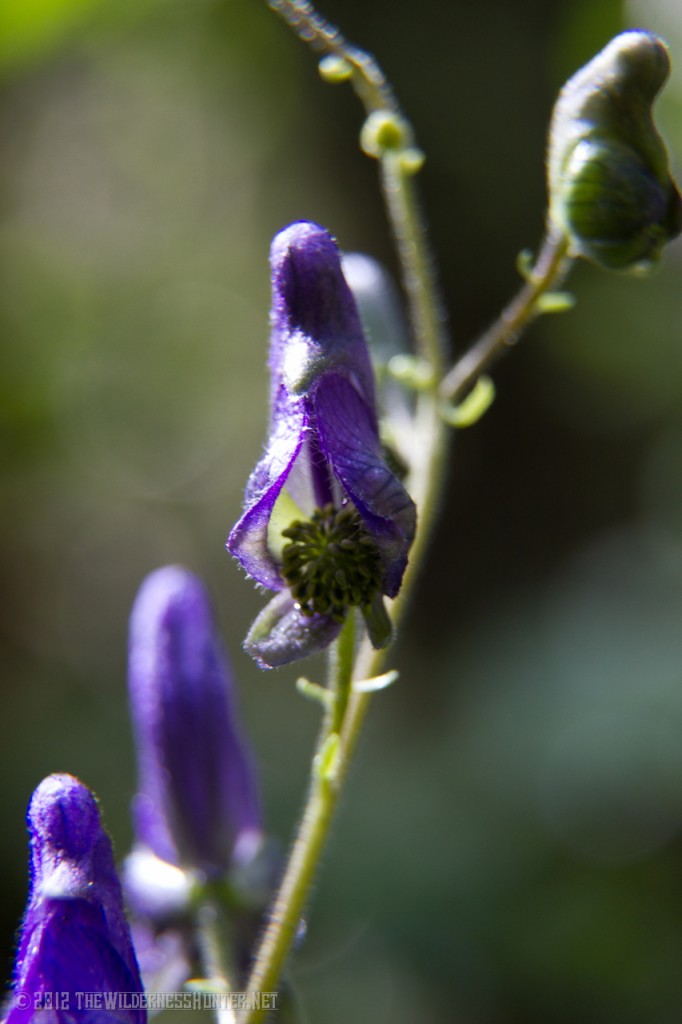
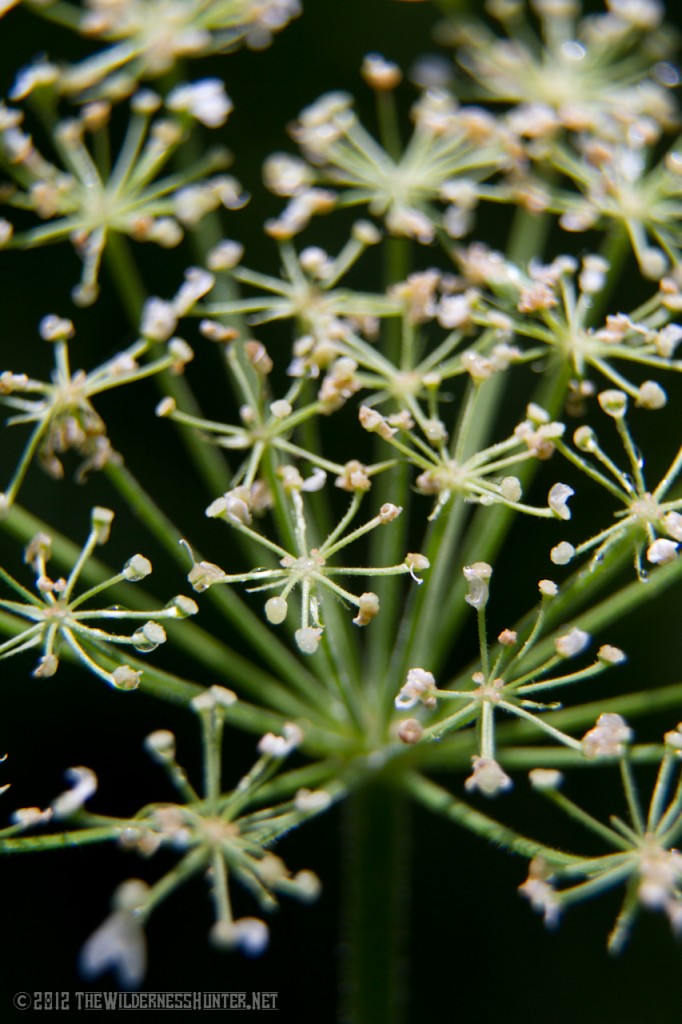
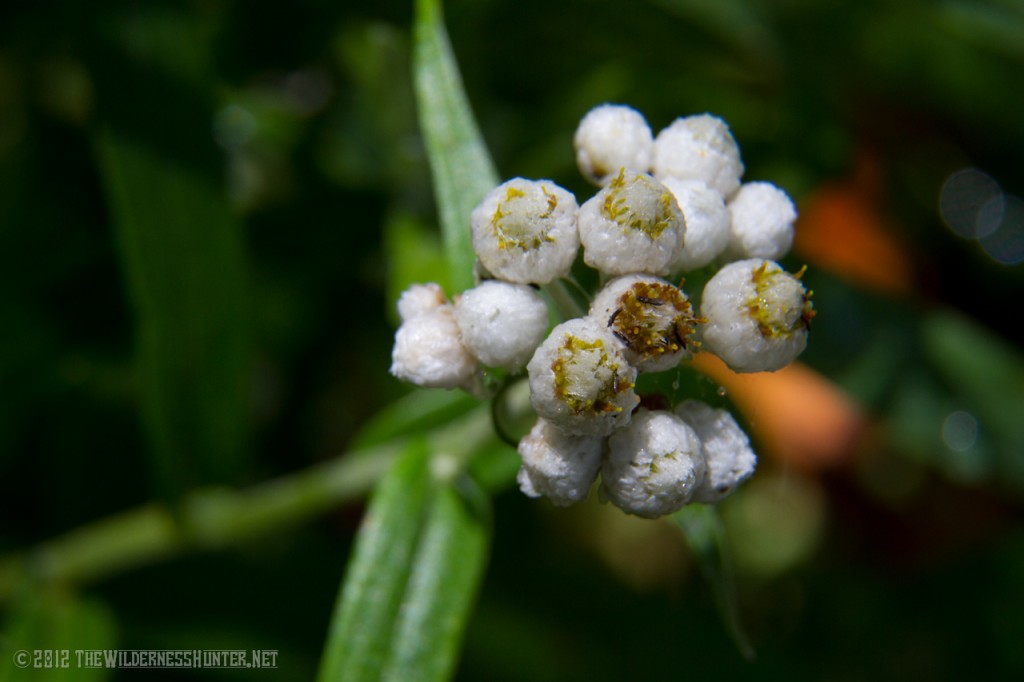
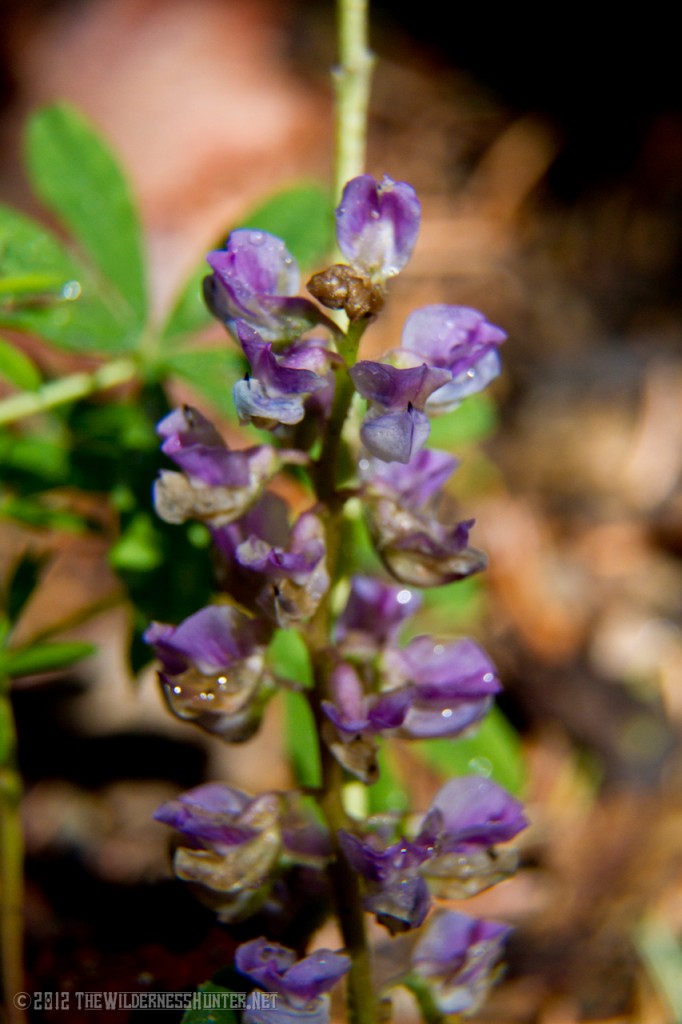
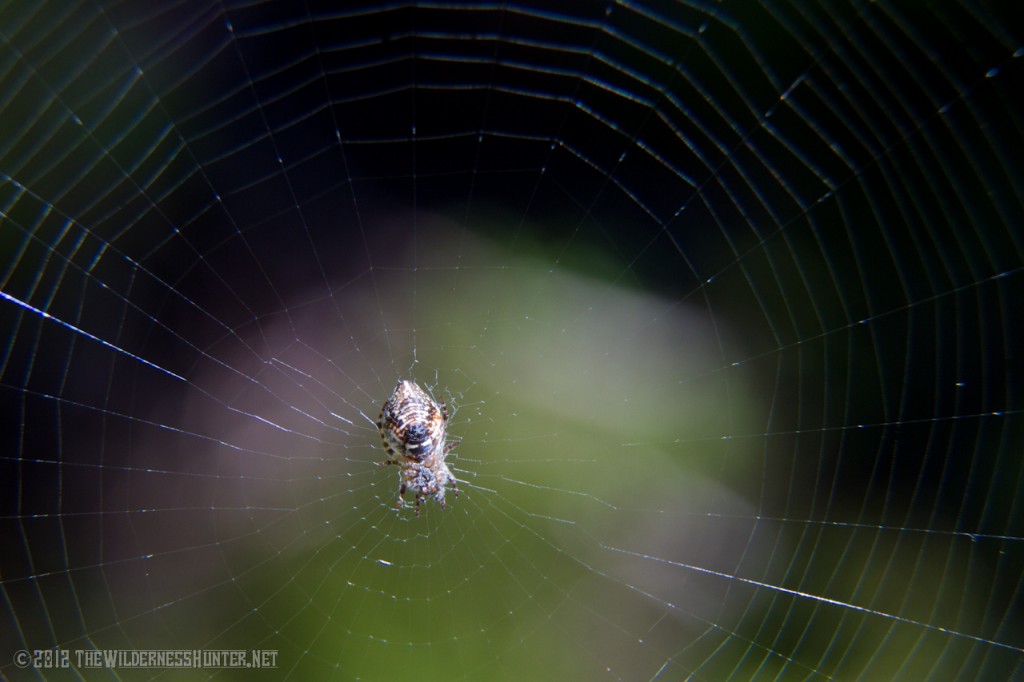
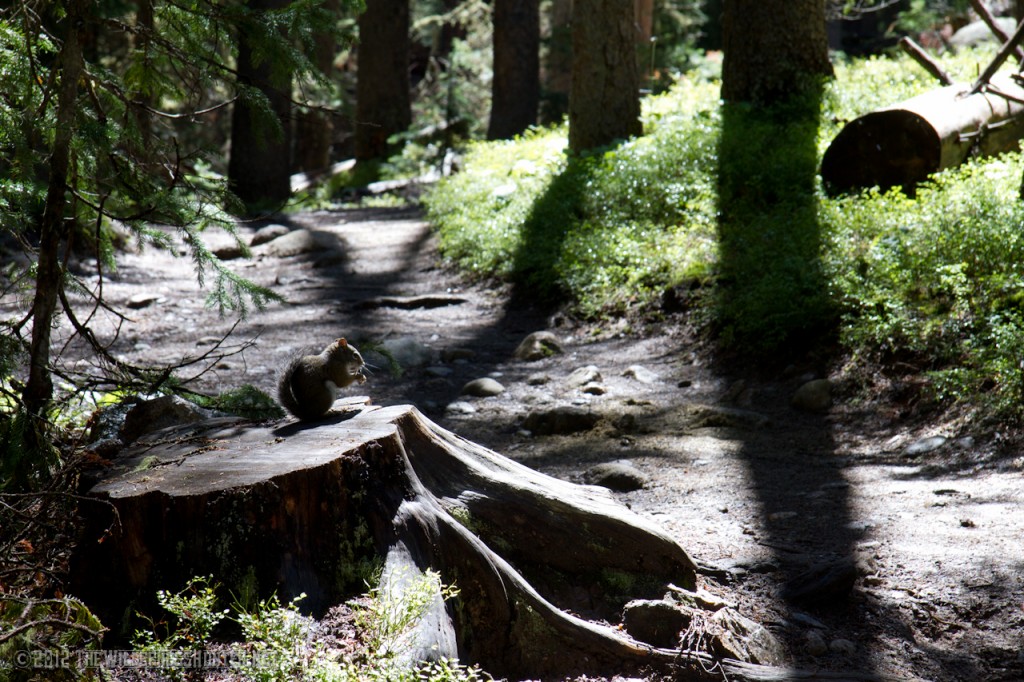
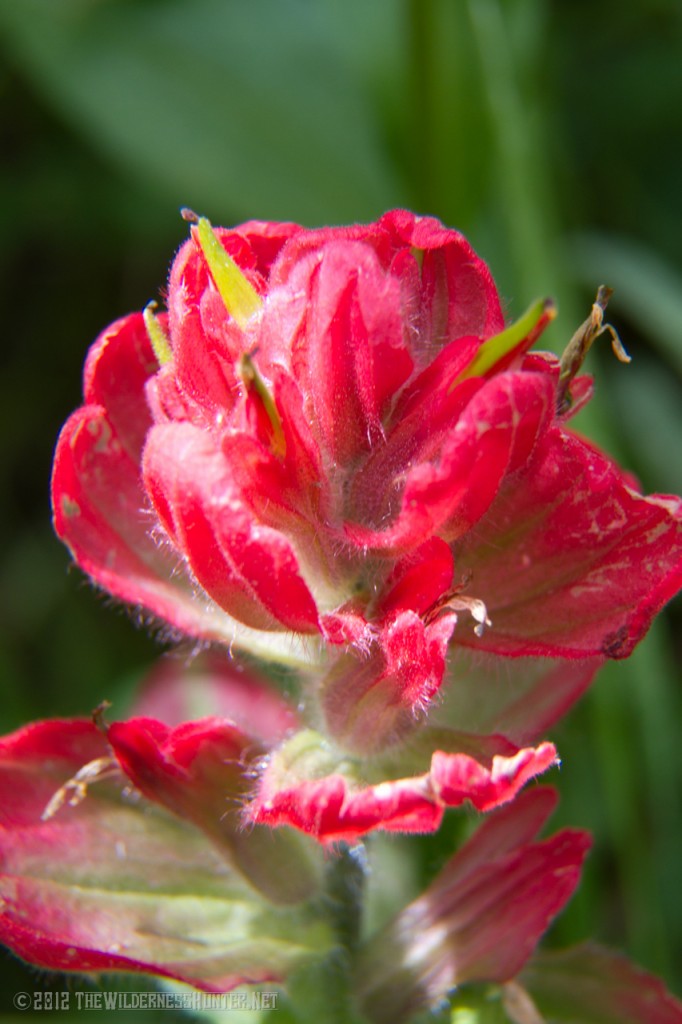
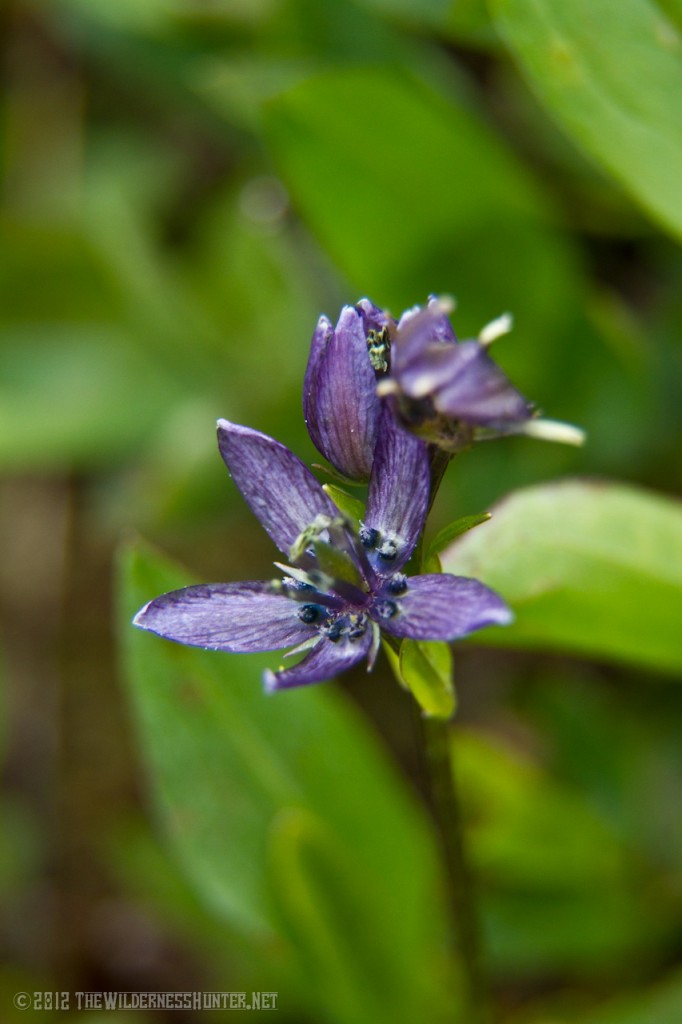
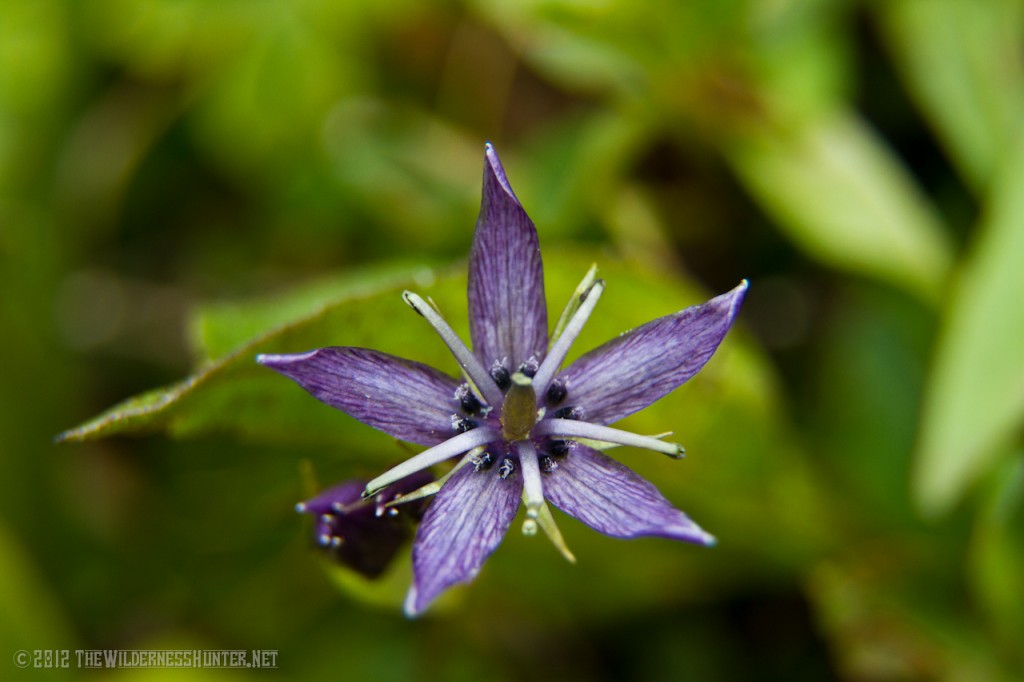
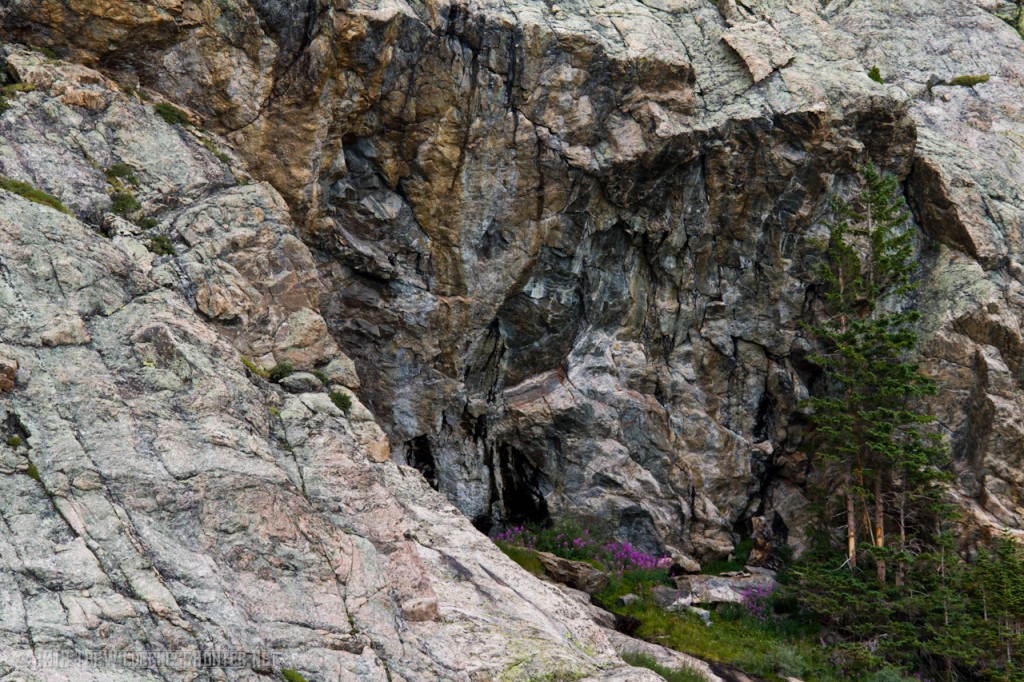
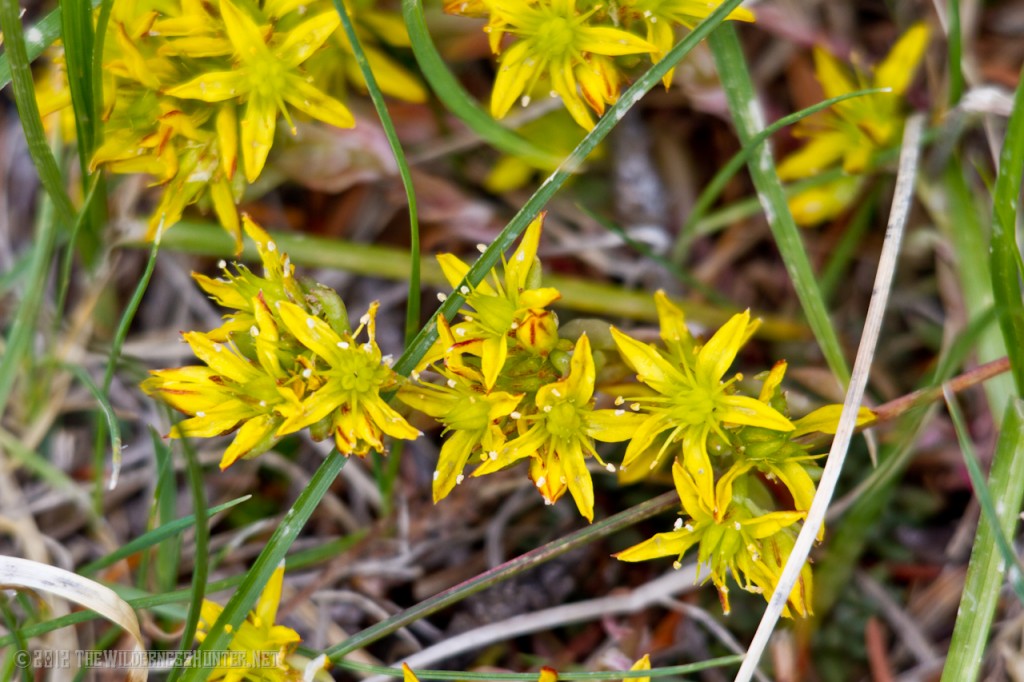
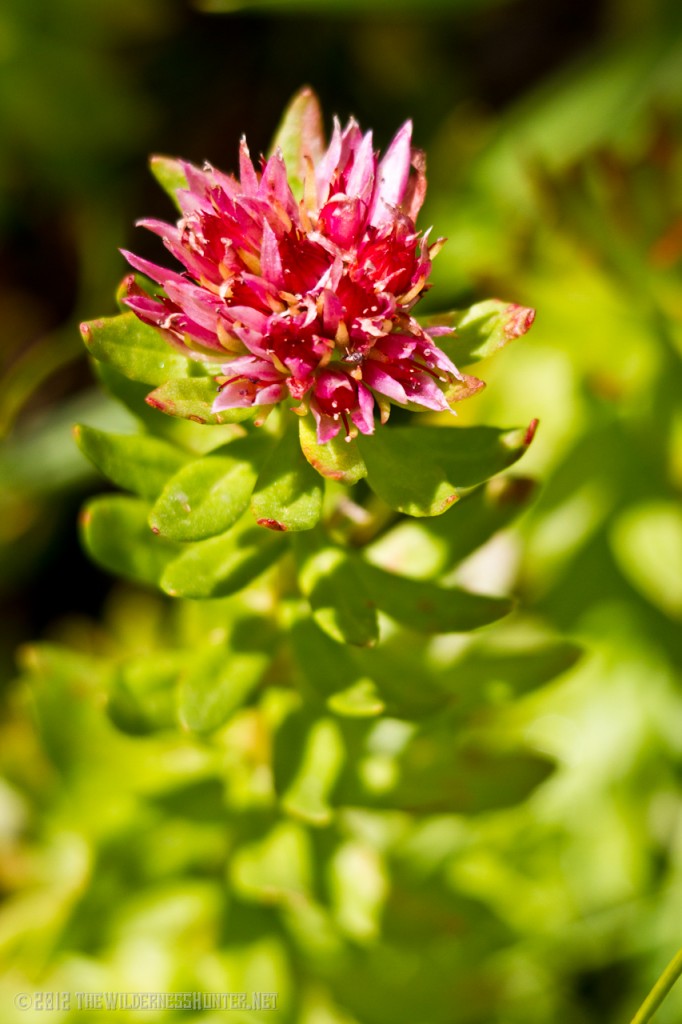
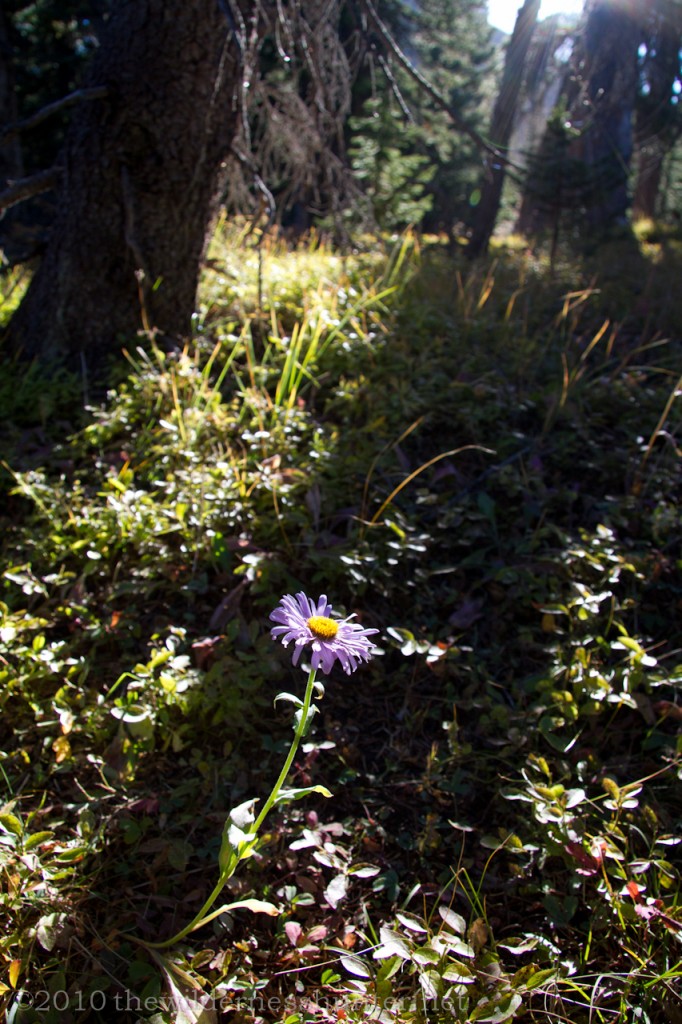
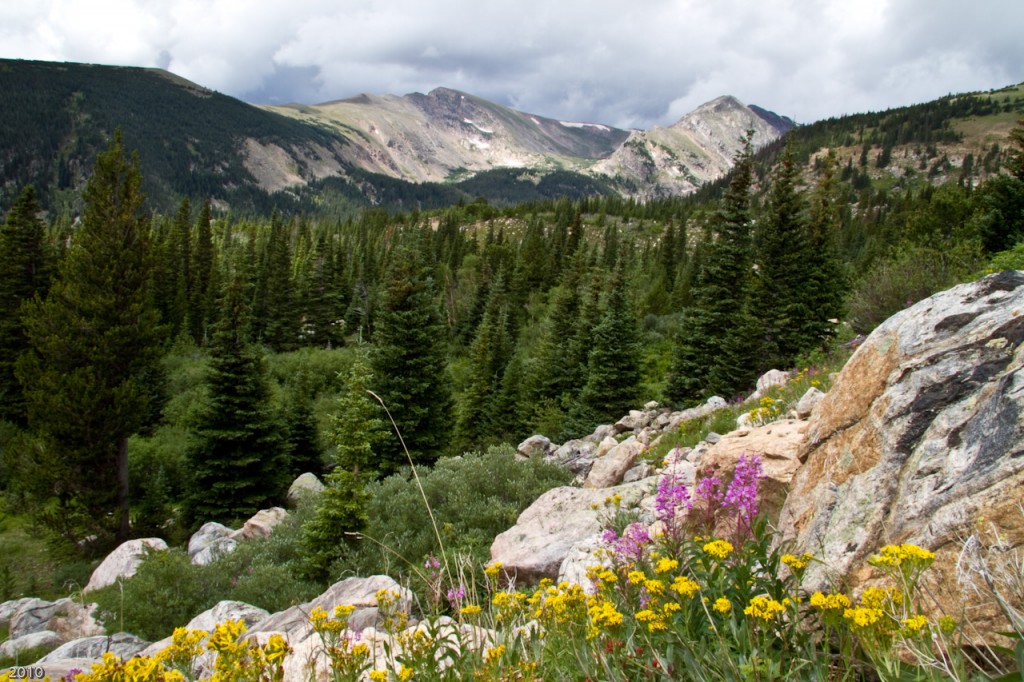
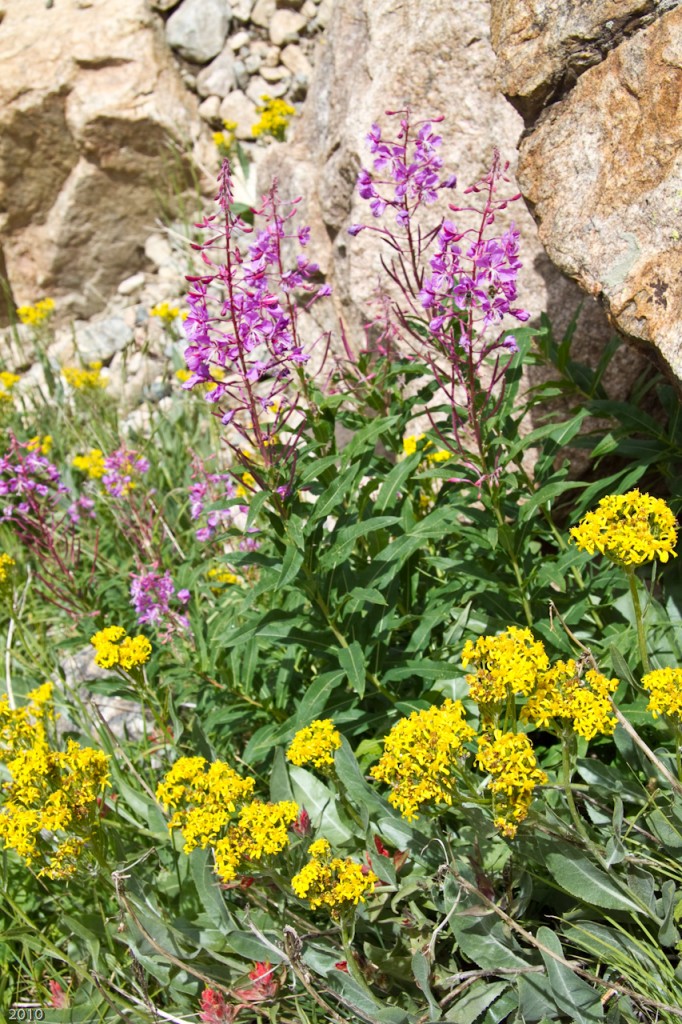
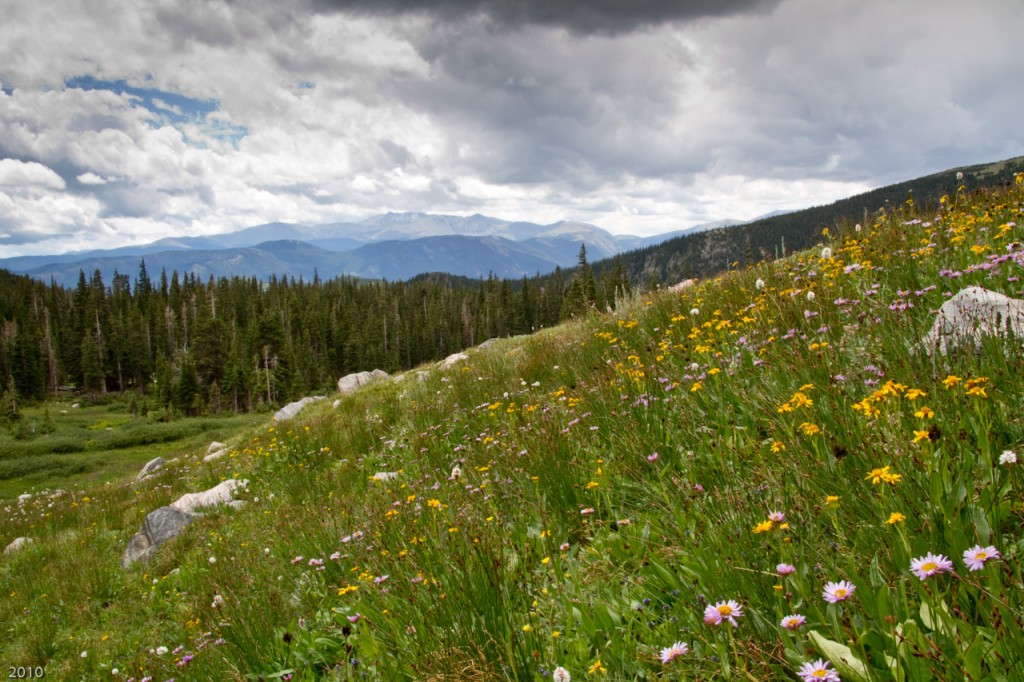
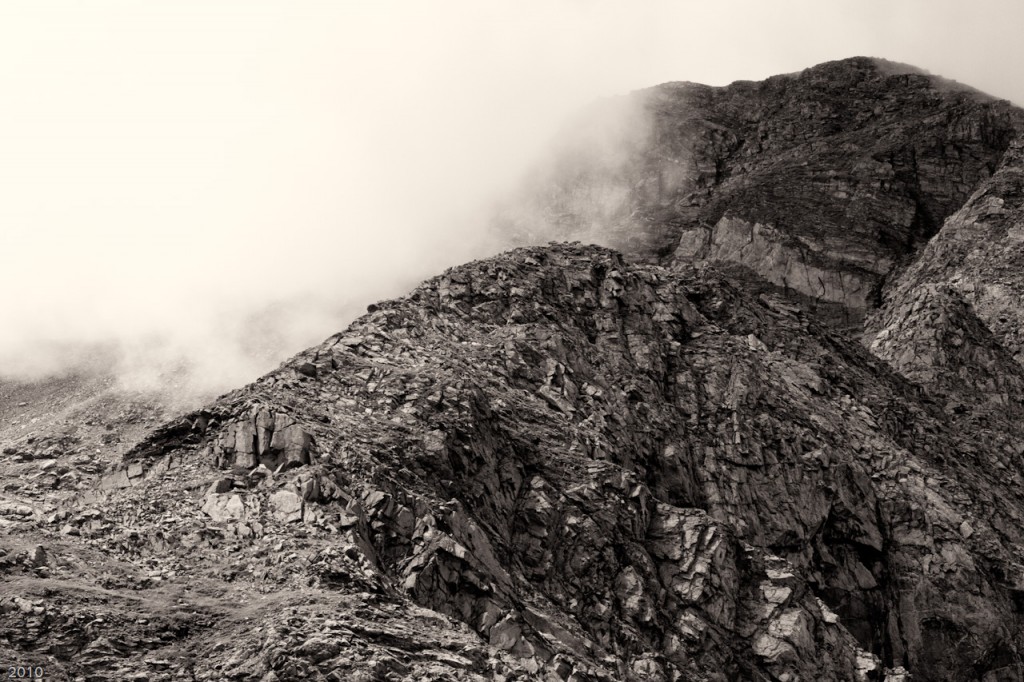
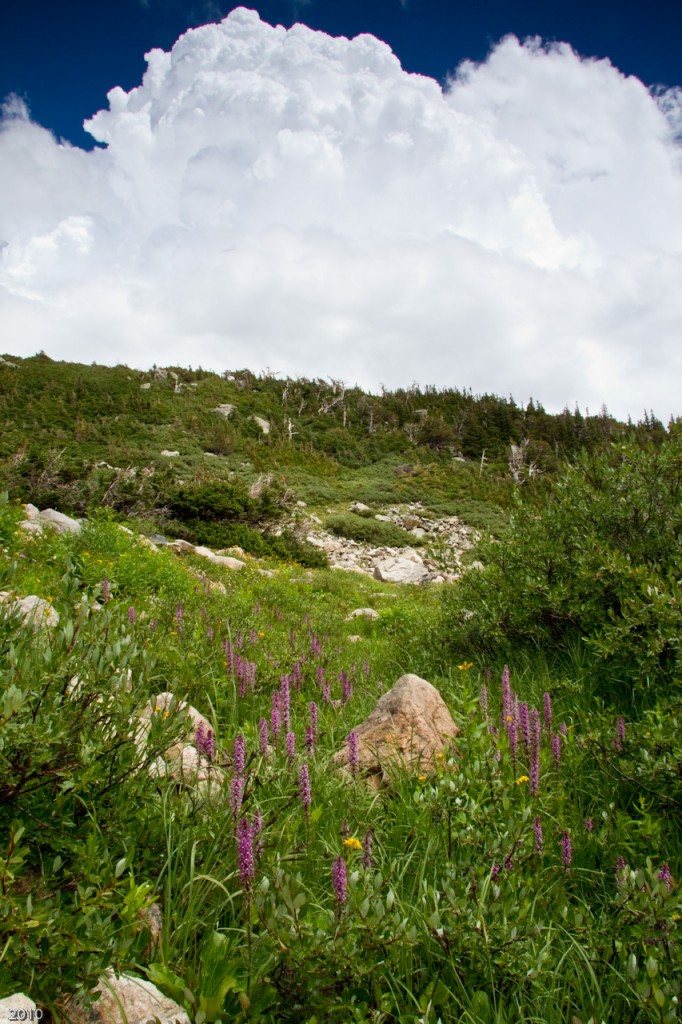
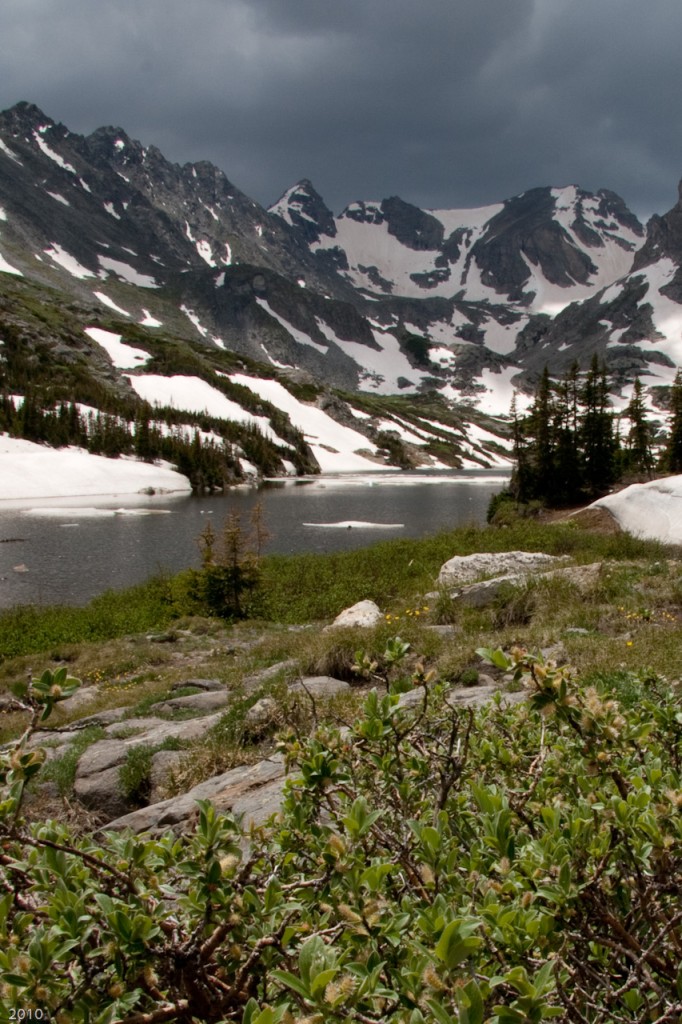
After our morning visit from the Elk, we packed up camp and decided to head in the direction of home, with a minor detour up to Loch Lomond to check out the wild flower situation there. After all, this was supposed to be a “wild flower photo trip.” So after the obligatory flower shots, we headed down the hill back home. And two months later when the fall colors are emerging, here are the photos with the spring color! Forgive me the lack of captions on the photos, I was doing well enough to get them posted.
Mitchell Blue
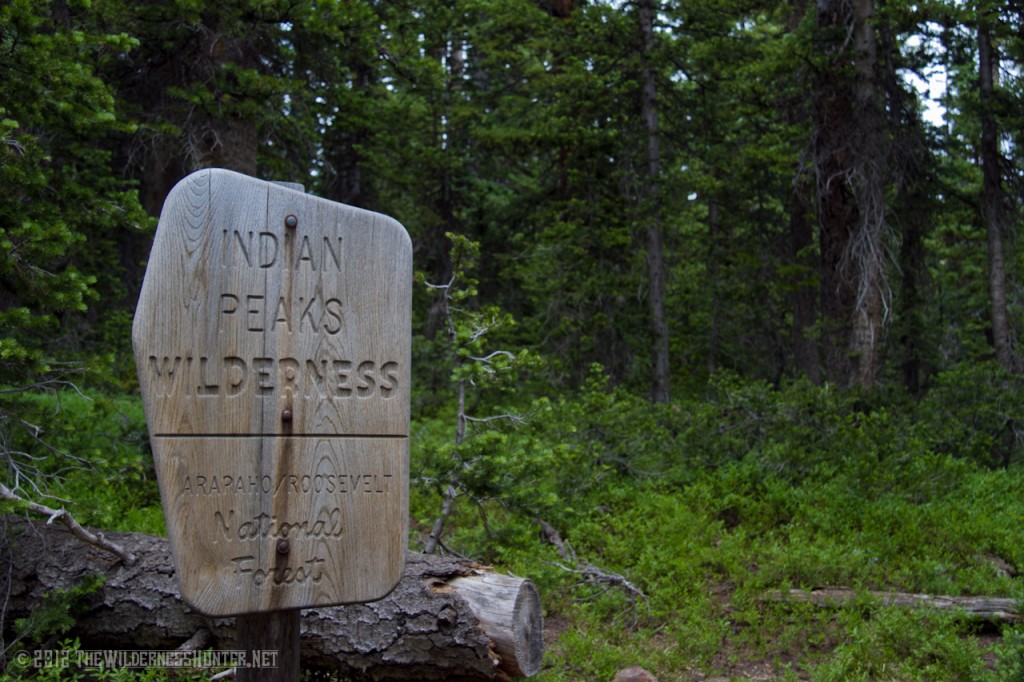
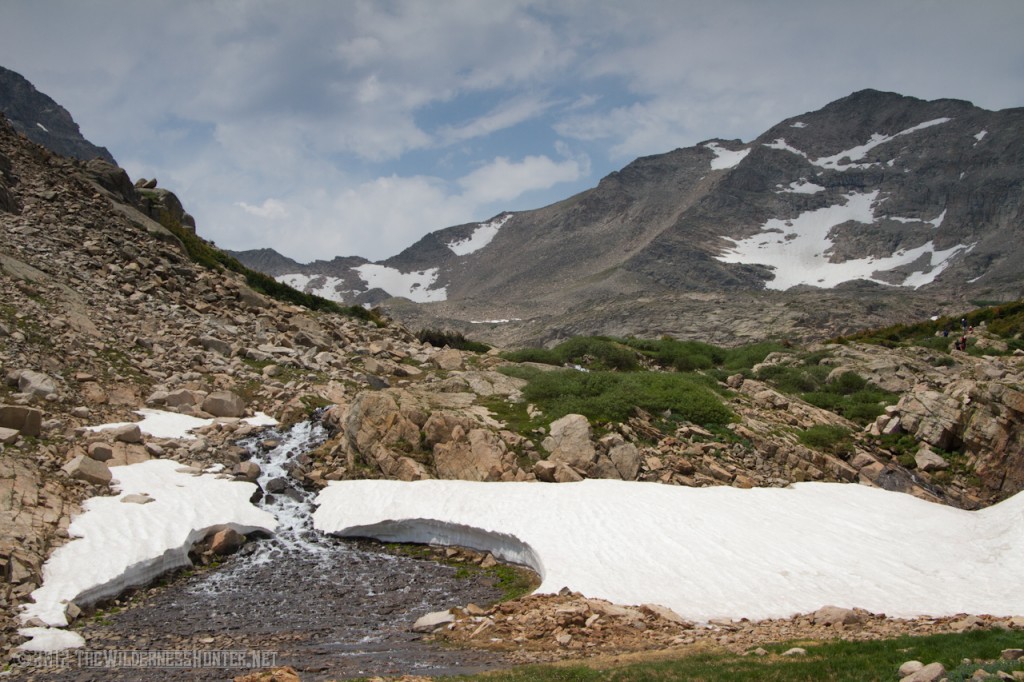
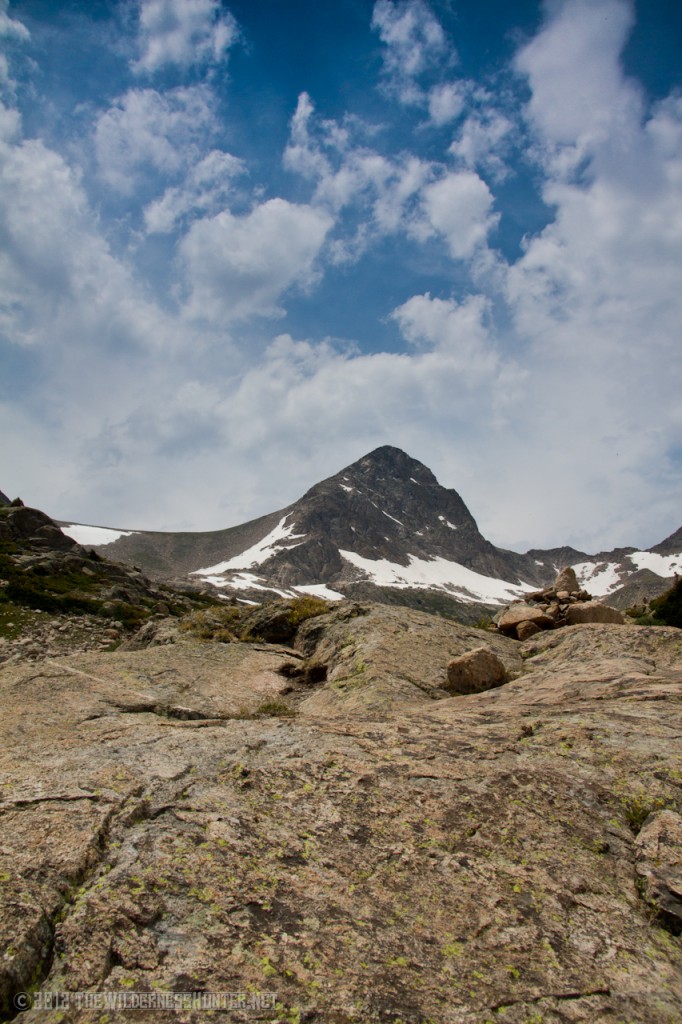
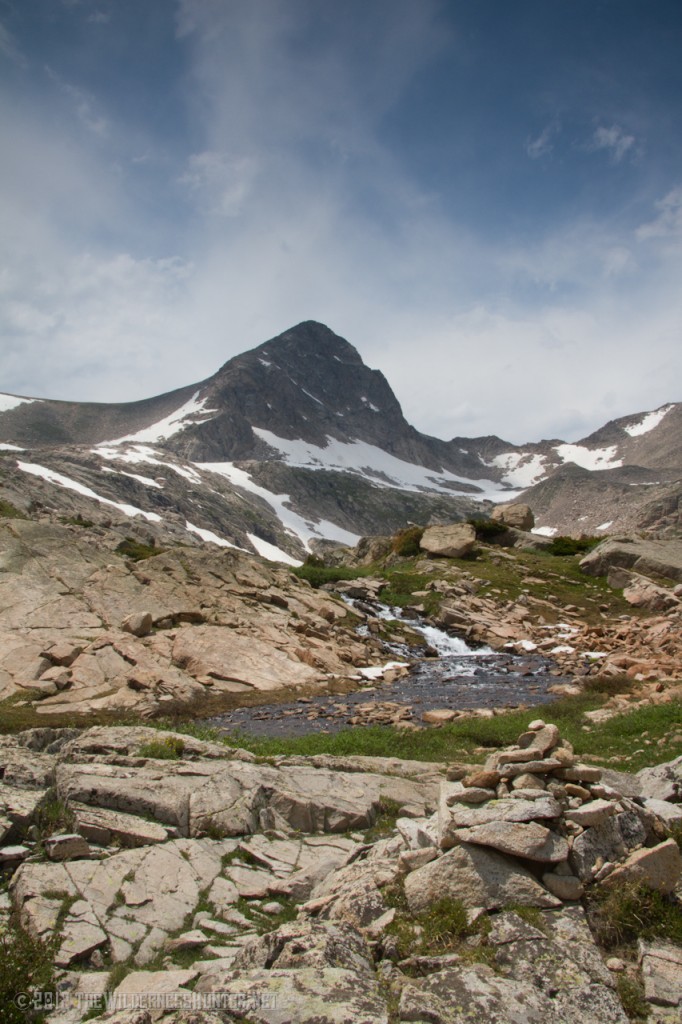
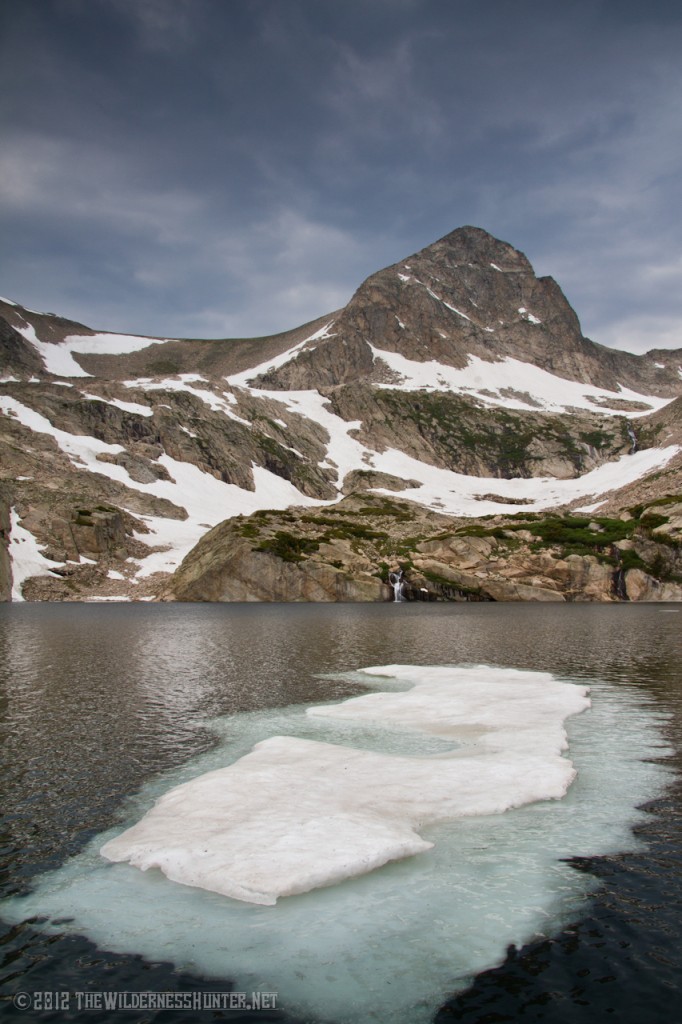
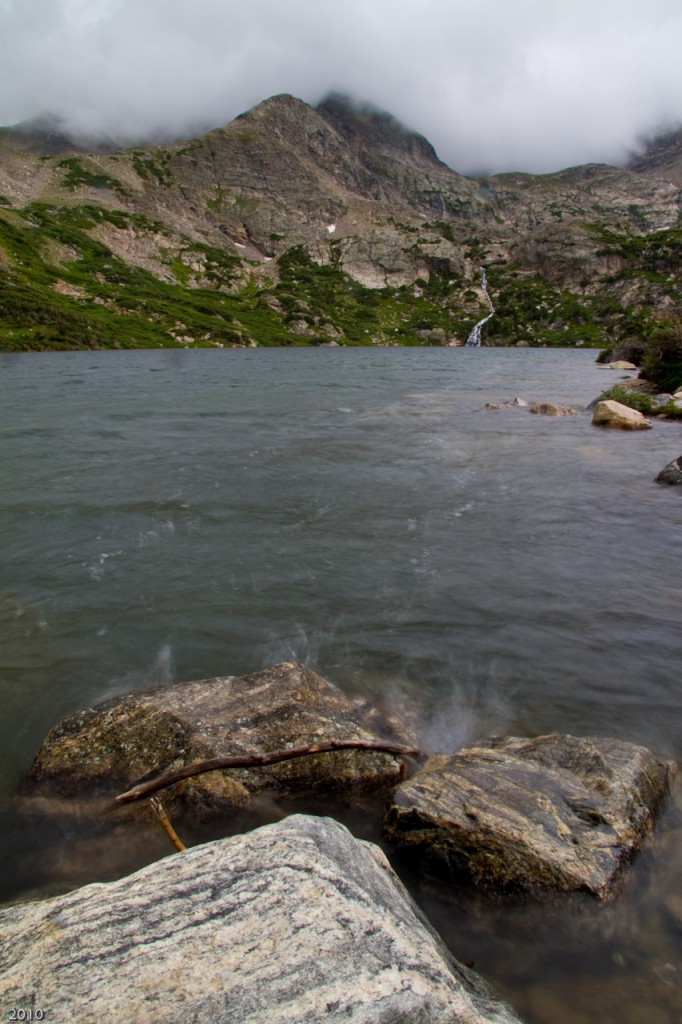
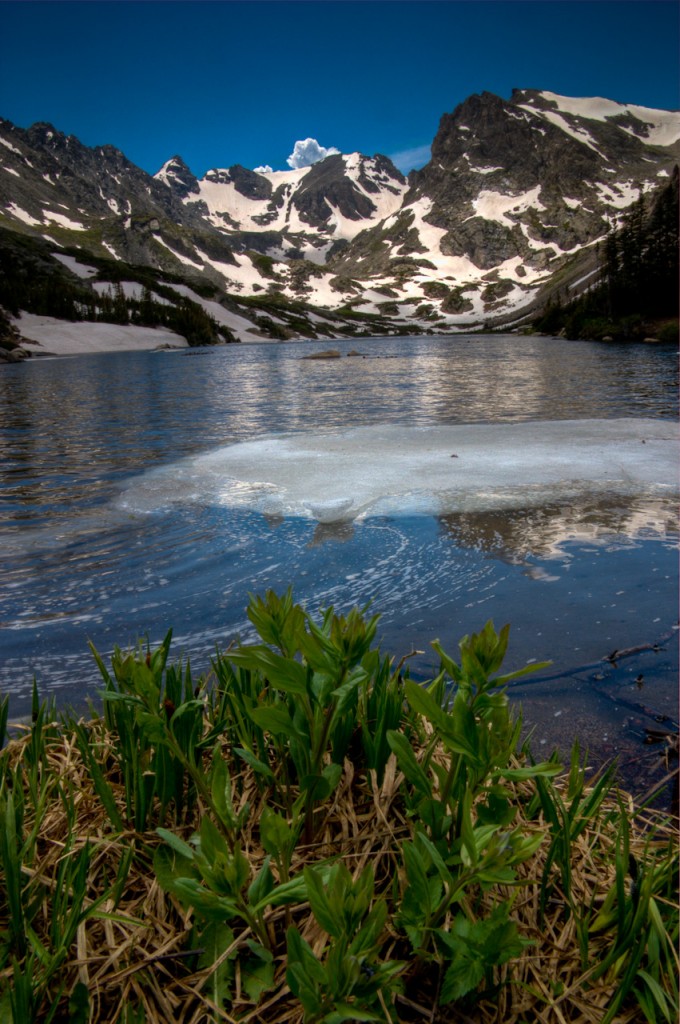
Okay, so I’m trying to catch up on my photo posts from this summer, and realized I never got around to posting and photos from this short hike. Once again I return us to the Indian Peaks Wilderness for another outing, this time on a different route. This trail is a short somewhat easy hike that first takes you past Mitchell Lake, a nice easy hike for any fisherman wanting to fish still water and catch native cutthroats and brook trout. You can head further up the trail to Blue Lake that sits in a granite cirque under the shadow of Mount Toll. When we were there in late June, there were still bits of the ice pack floating about the lake. There was still a bit of haze in the air from the High Park fire outside of Fort Collins. It was a nice short trip into the mountains on a hot summer day.
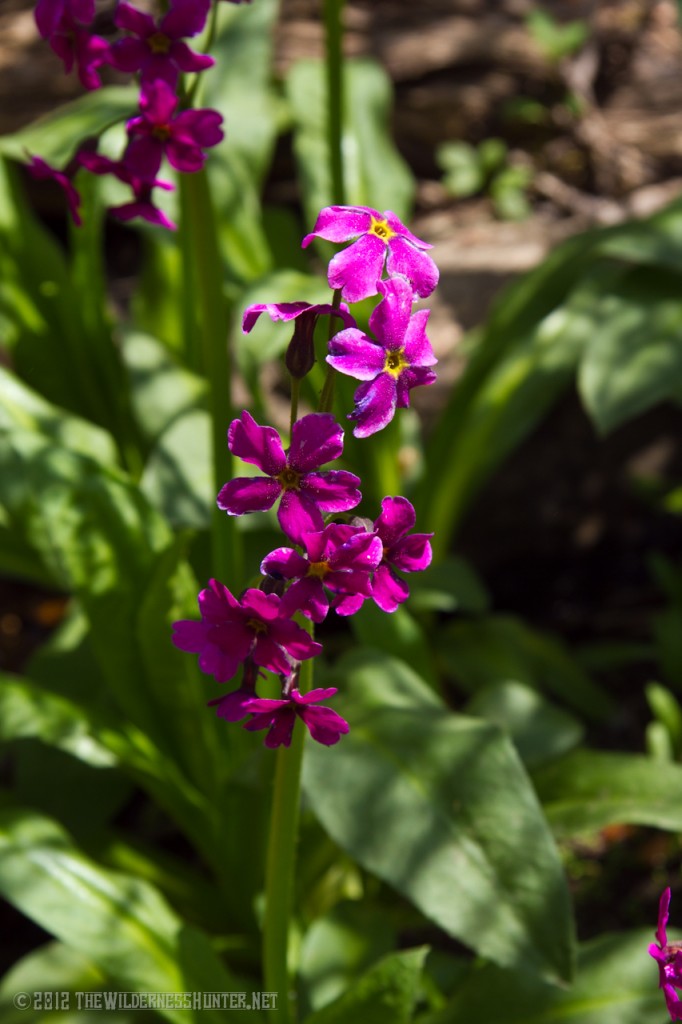
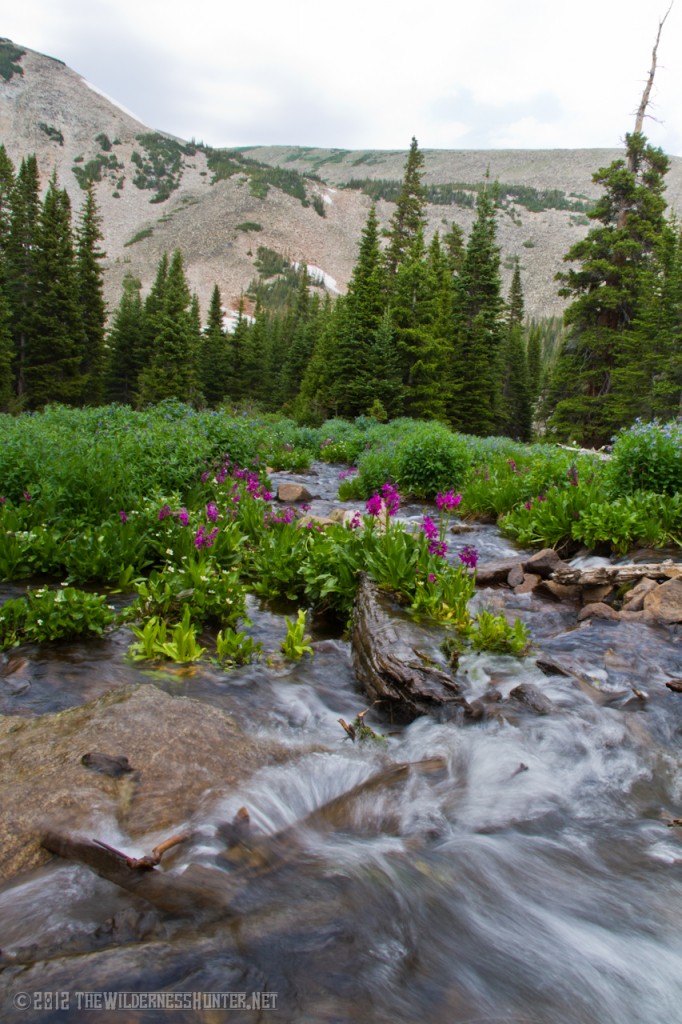
- Parry Primrose grows along small streams and creeks.
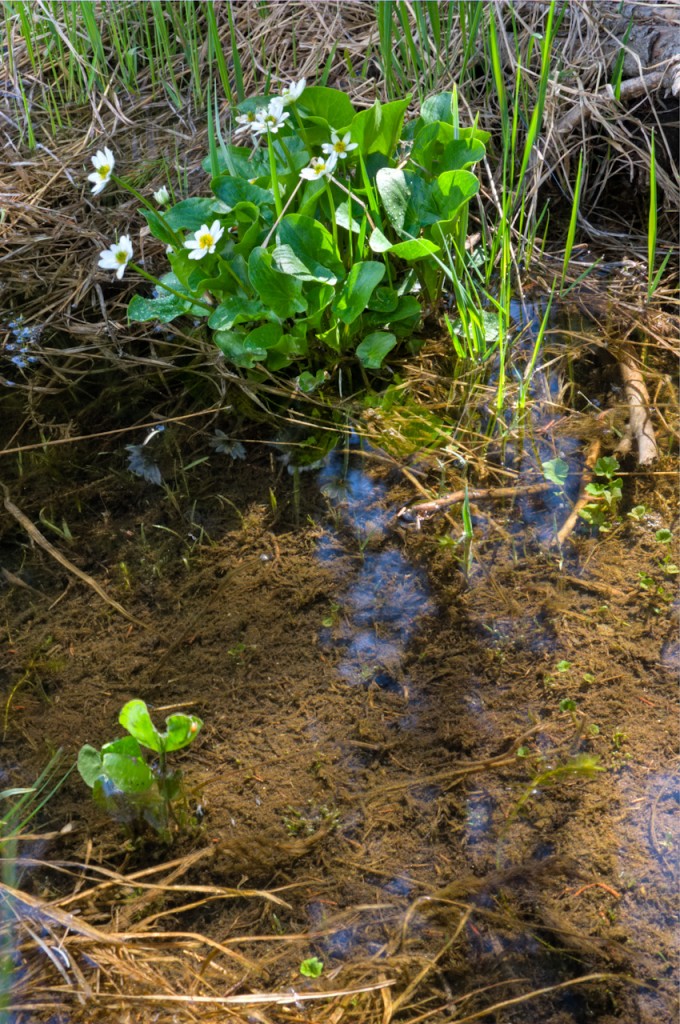
- Parry Primrose, Marsh Marigold, and Mountain Bluebell enjoying the spring runoff.
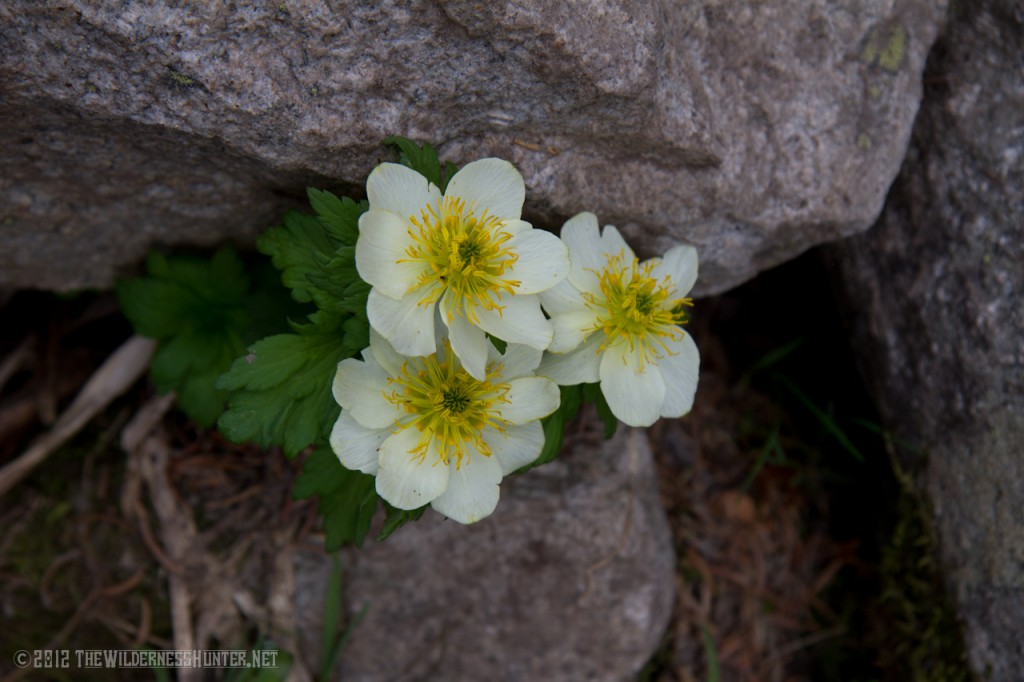
- A white variation of the American Globeflower.
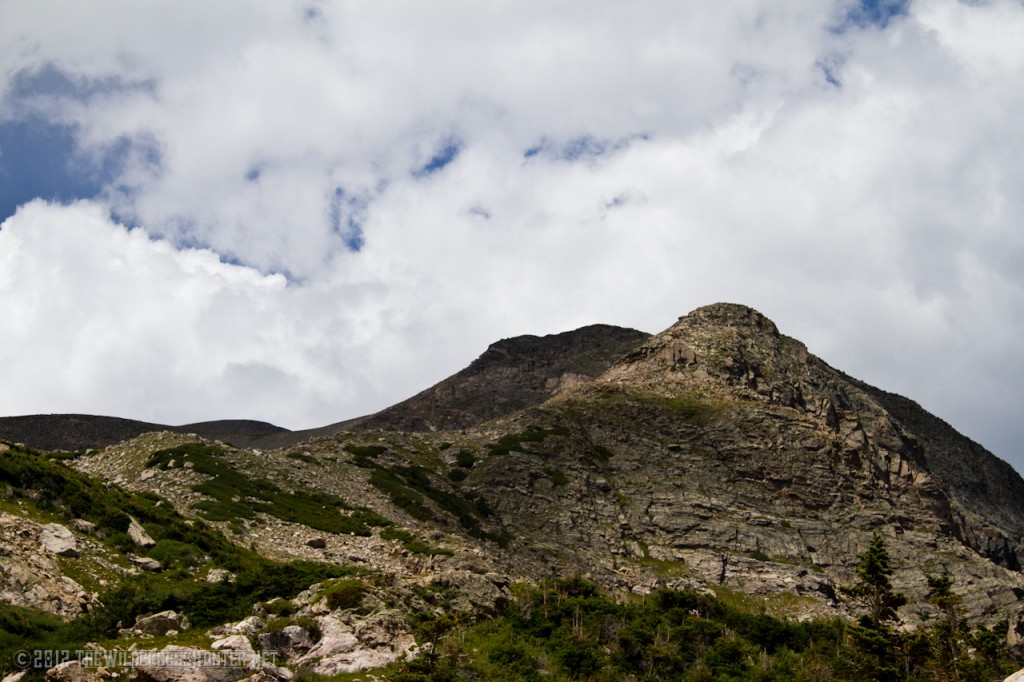
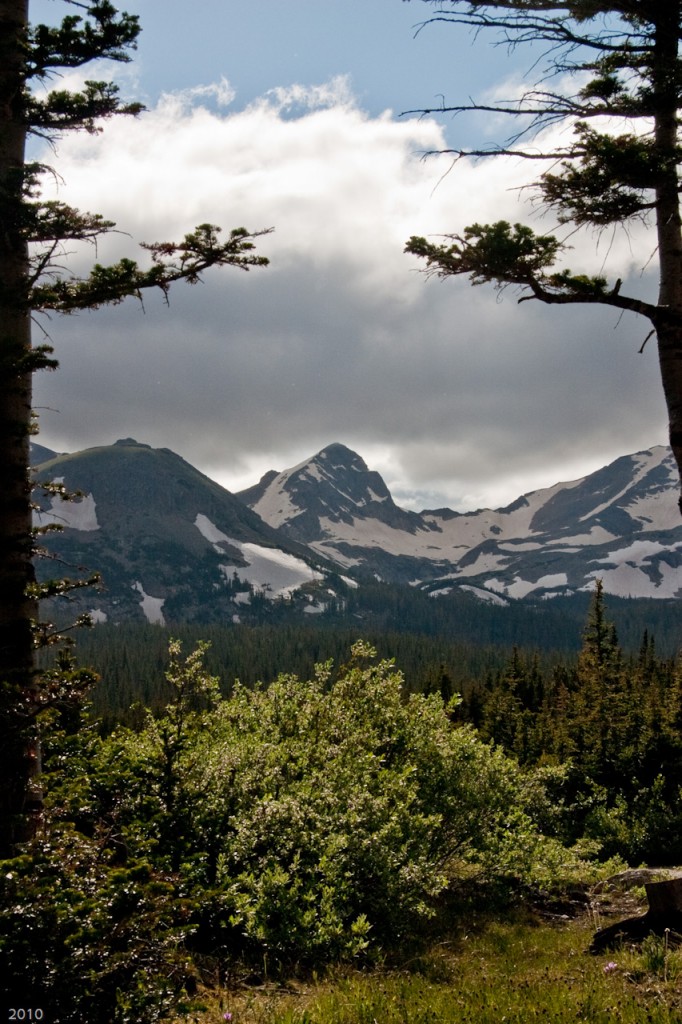
- View of Paiute Peak on the trail too Blue Lake.
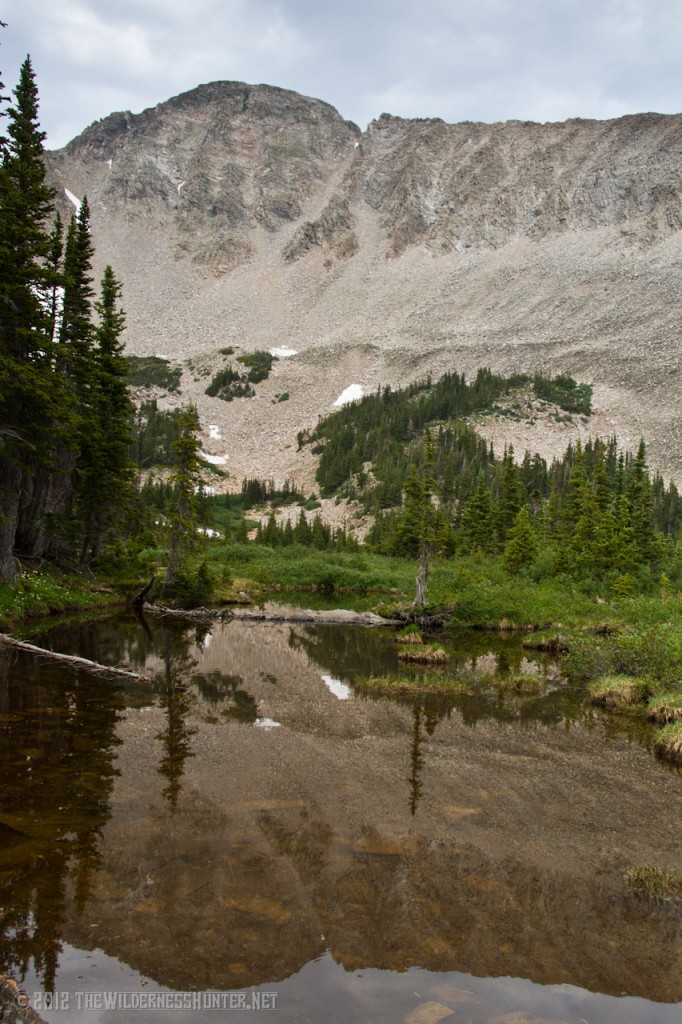
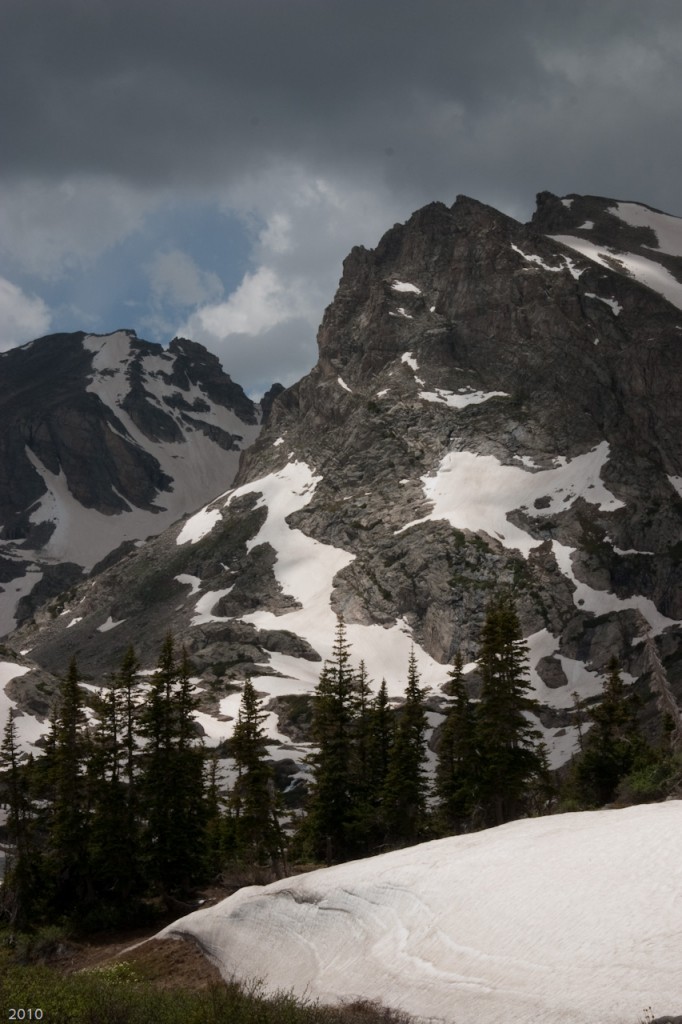
- Mount Toll from just below Blue Lake
- Mount Toll again
- Blue Lake and Mount Toll in the background. Ice out on Blue Lake was only weeks before.
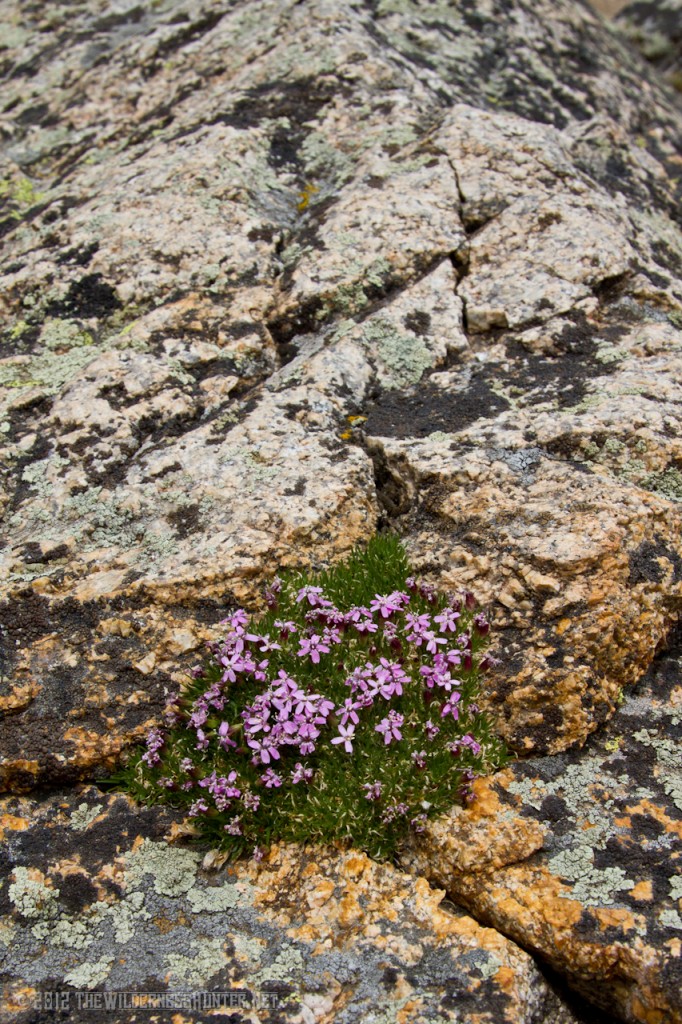
- Purple Irish moss
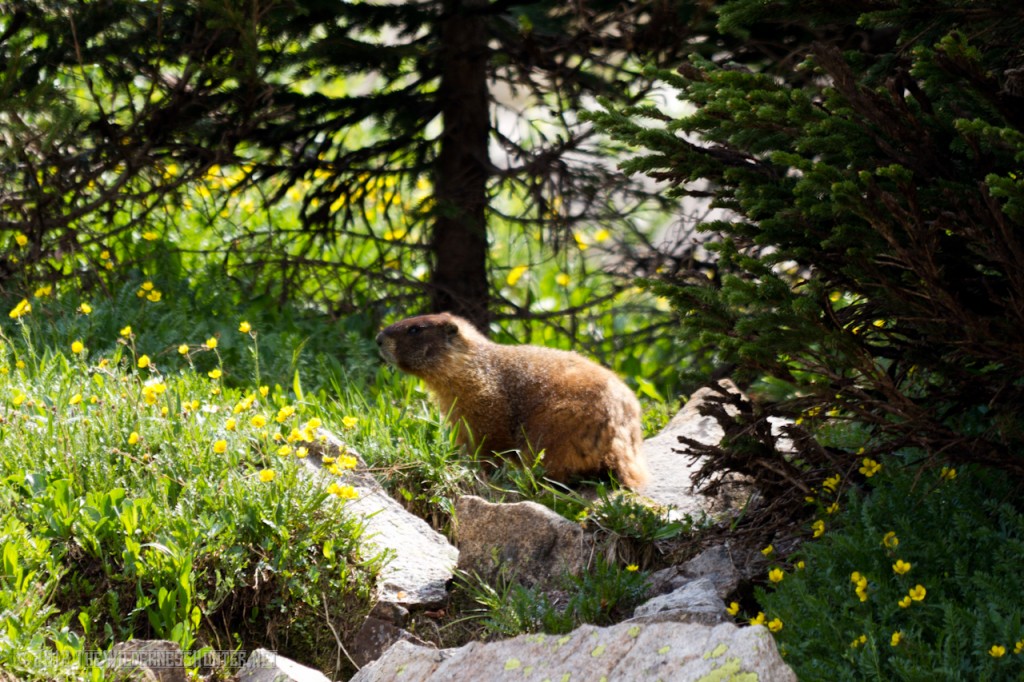
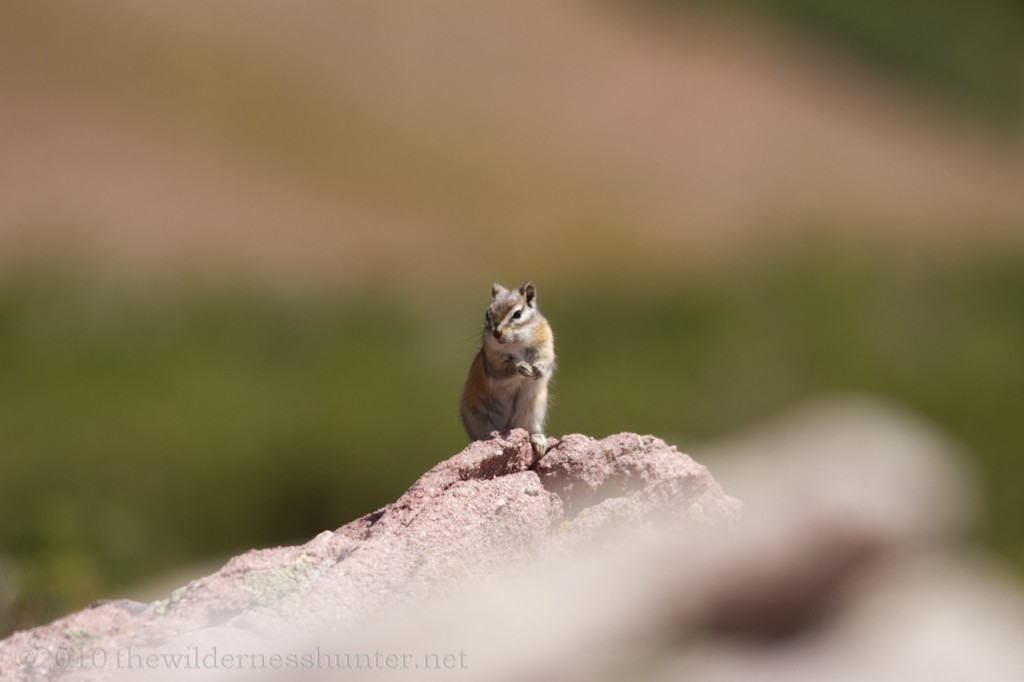
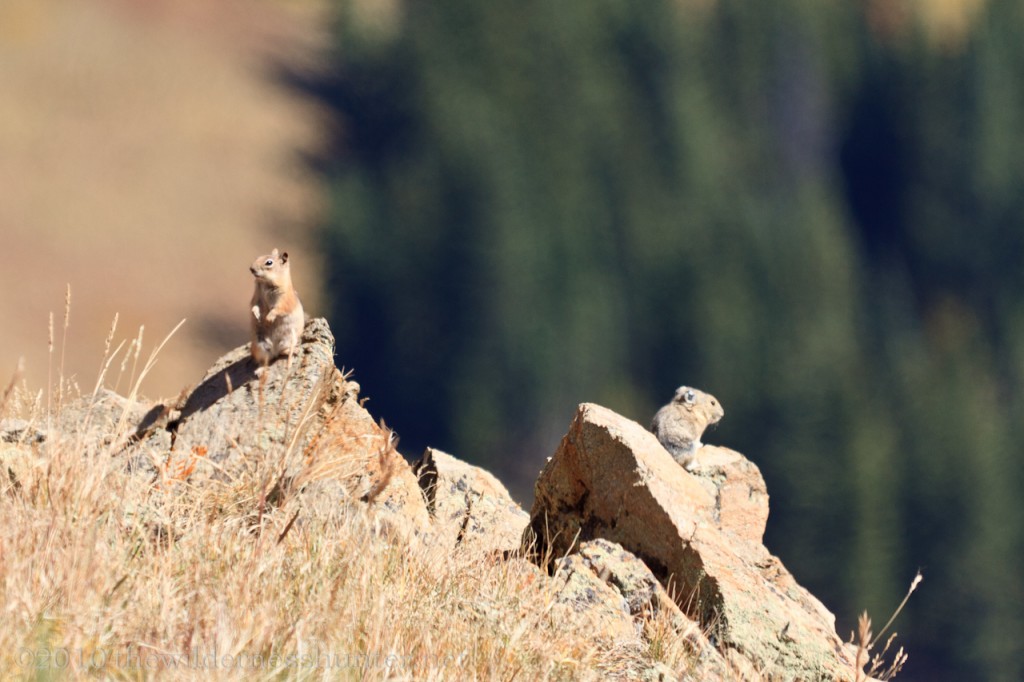
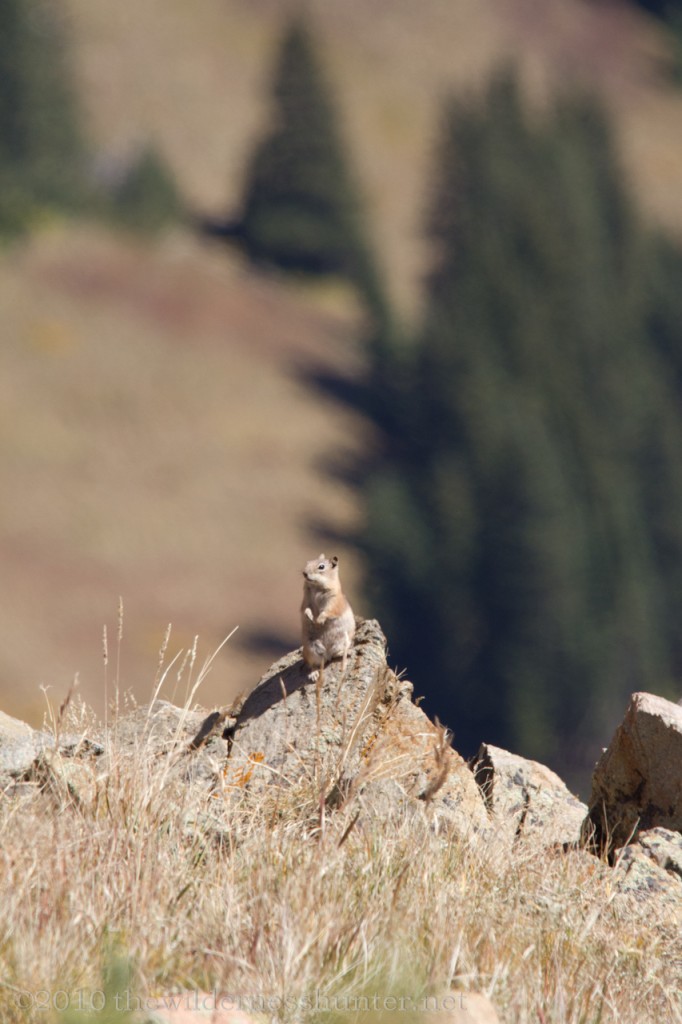
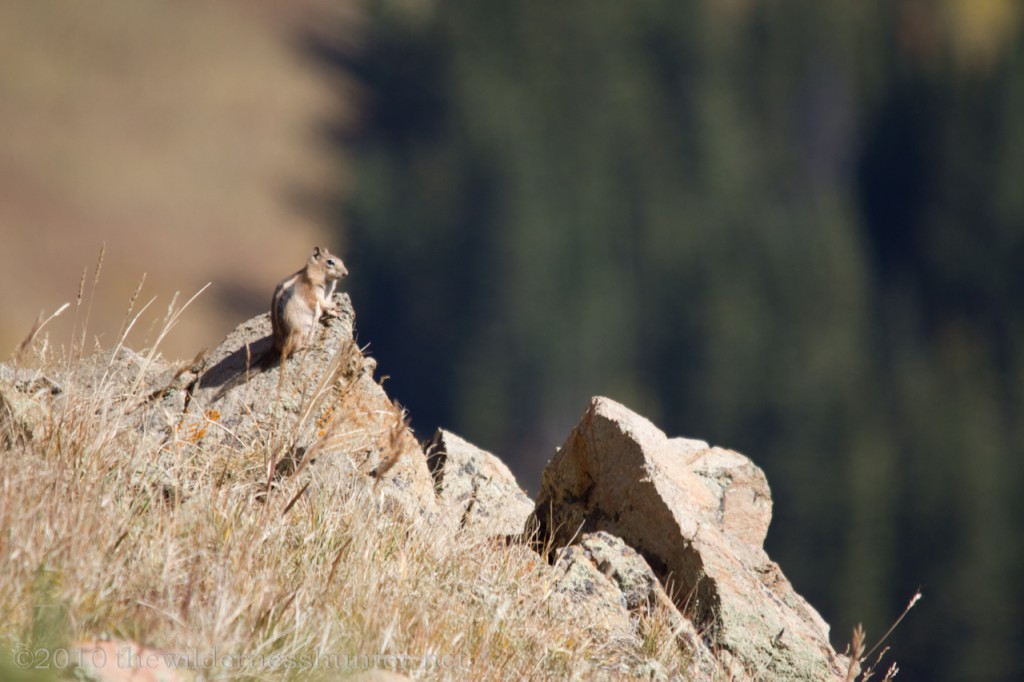
- Our common friend, the Yellow-bellied Marmot, or Whistle Pig, named for its shrill whistling when it spots potential threats.
Spring Update
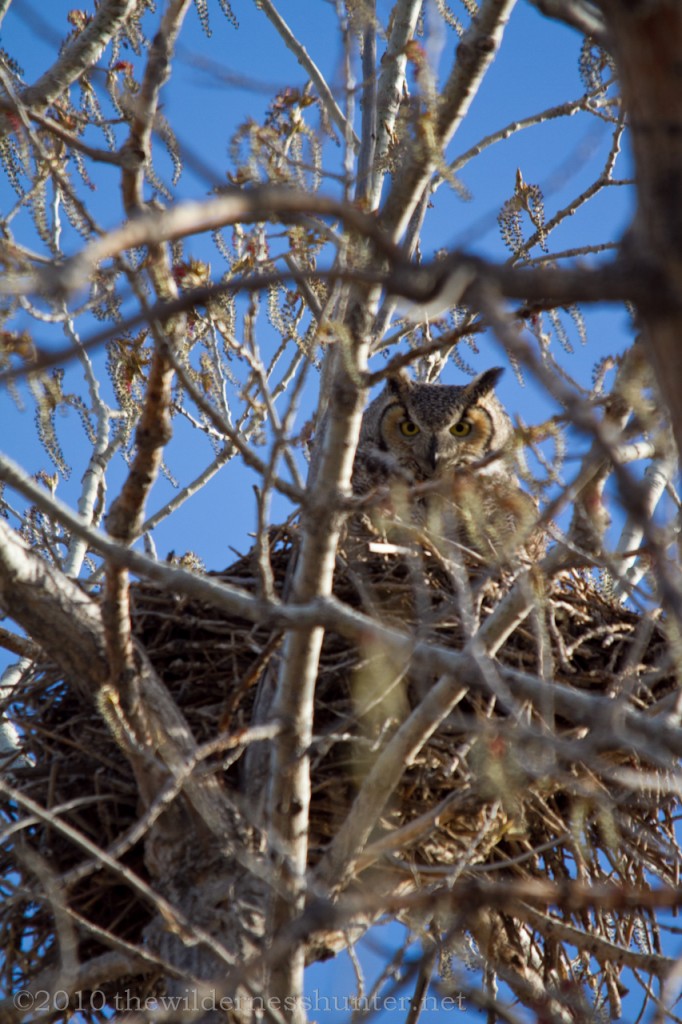
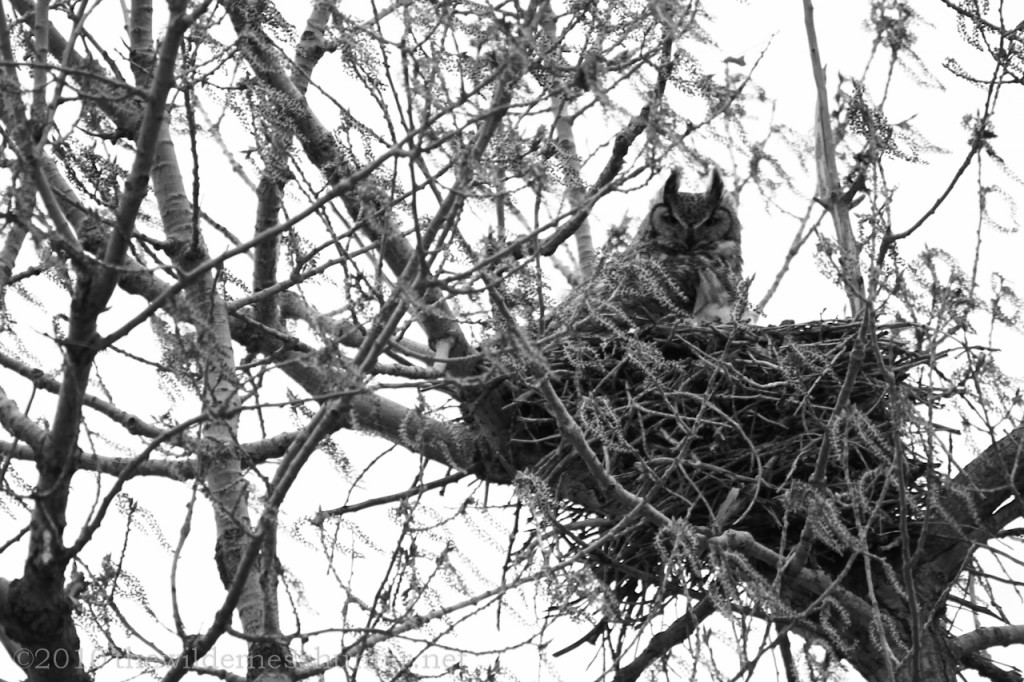
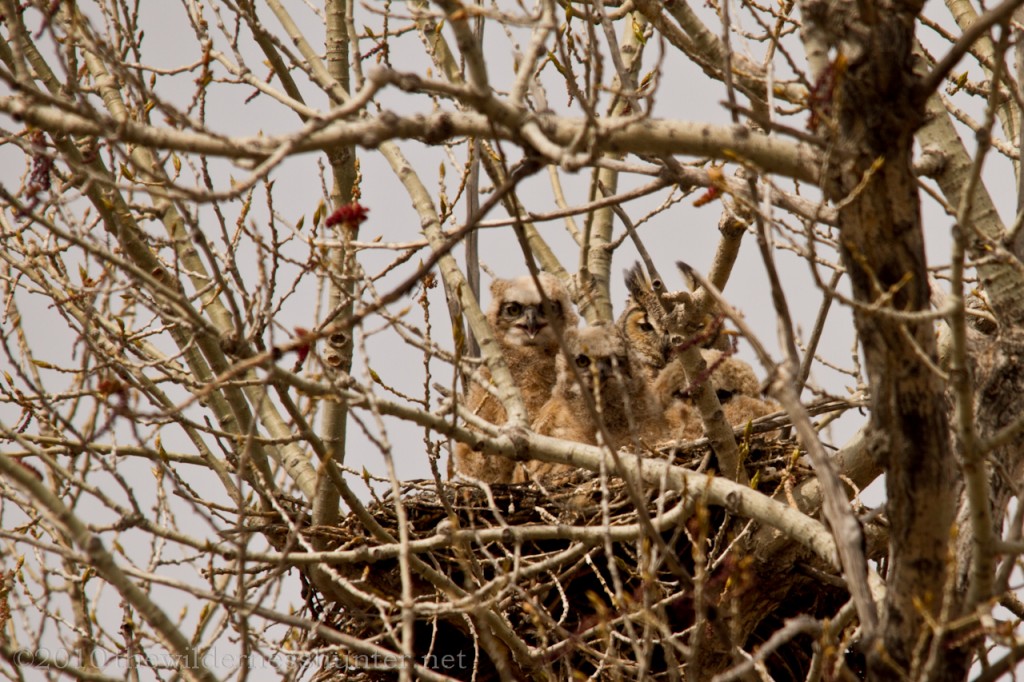
I have been neglecting my miscellaneous spring time shots from the open space, and decided that May Day was a good day to catch up, especially since I have the day off! I was thinking just this morning how many different type of birds I see here in the spring time, and came up with 21 different species that call the Commons Open Space home for some period of time; fairly impressive for a small suburban pond. Lately there has been some action with the Great Horned Owls nesting on the south side; the chicks hatched a couple weeks ago, but today was the first time they could be seen from the ground. There are three of them, fluffy in their downy coats, wide eyed and hungry. The male and female have been trading off guarding the nest and hunting to feed themselves and the chicks. Also included in the gallery are the obligatory black and white images, and some random scenic shots from the past month.
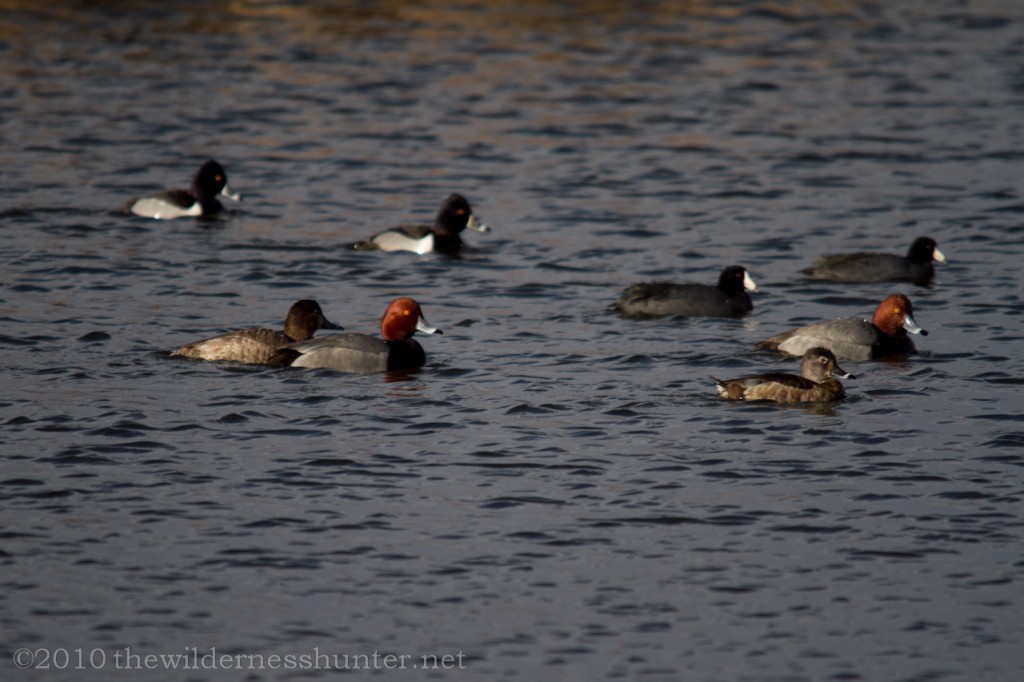
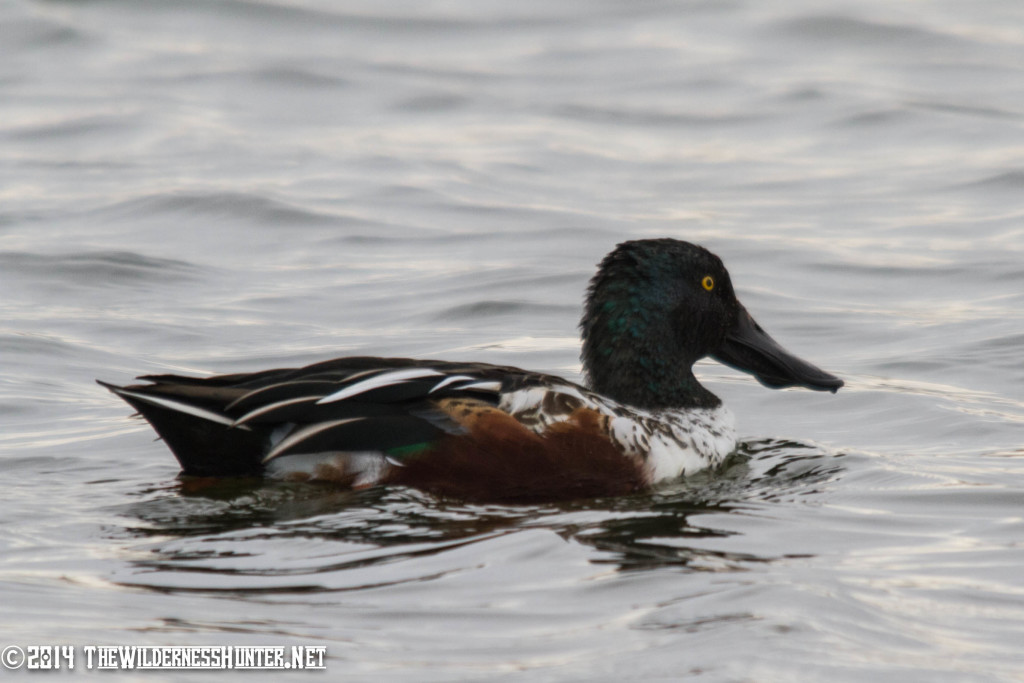
- A few different ducks; Ring-Necked (top left), Redheads, and American Coots (top right)
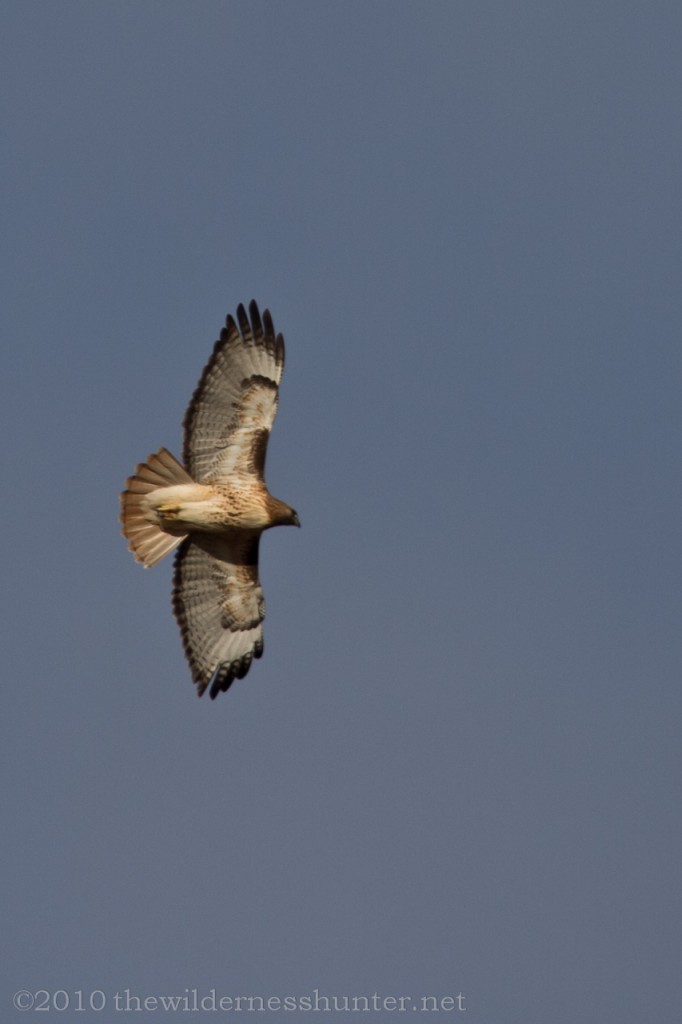
- Red Tail Hawk
- Great Horned Owl
- Great Horned Owl
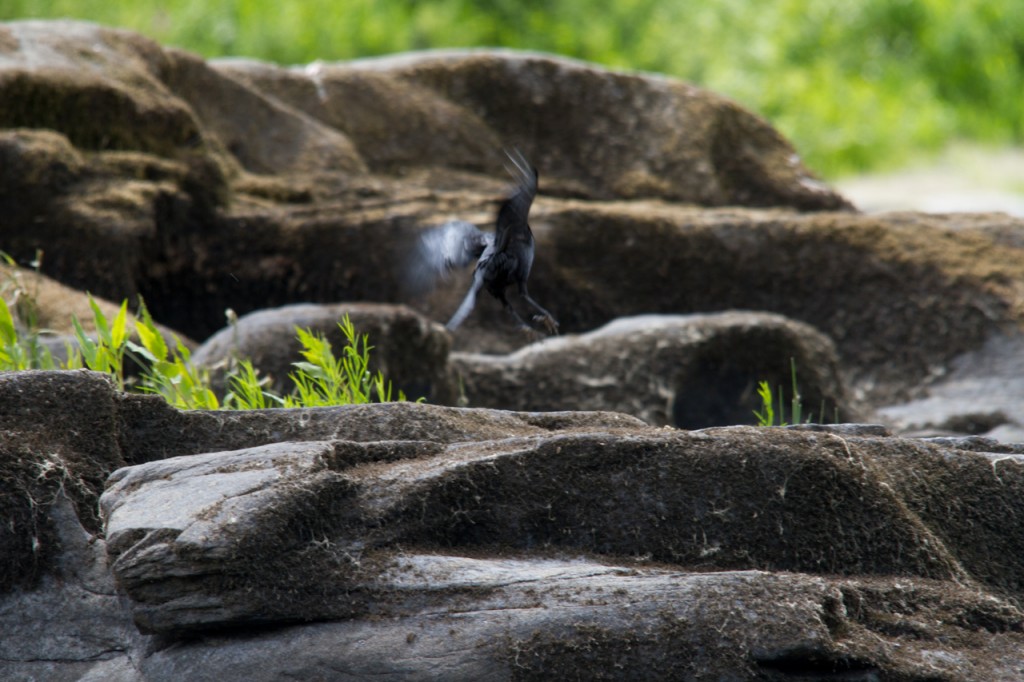
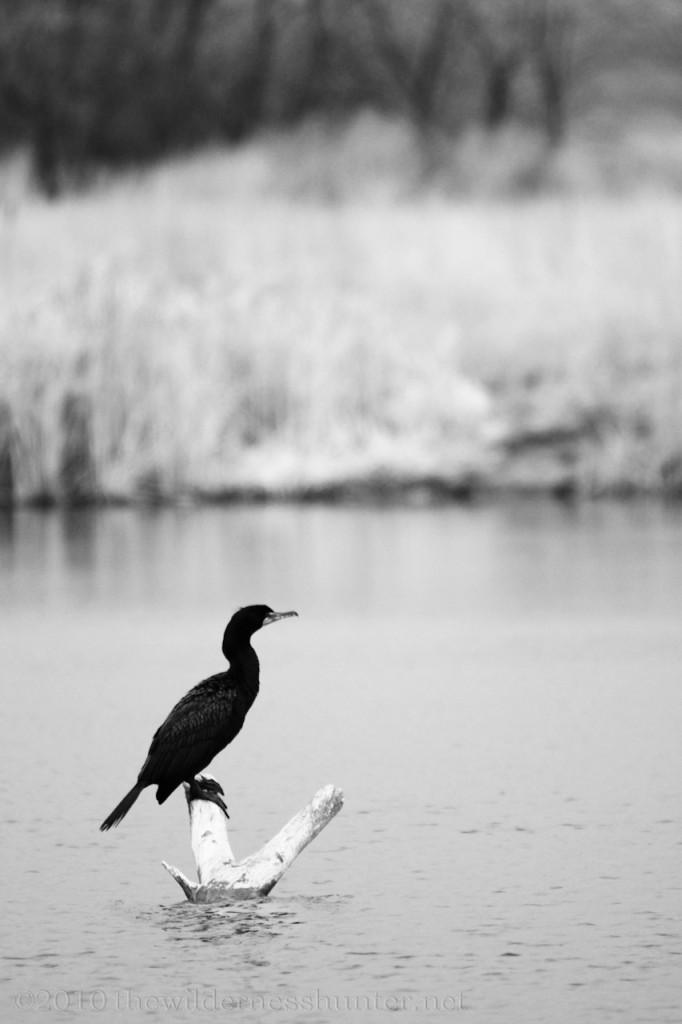
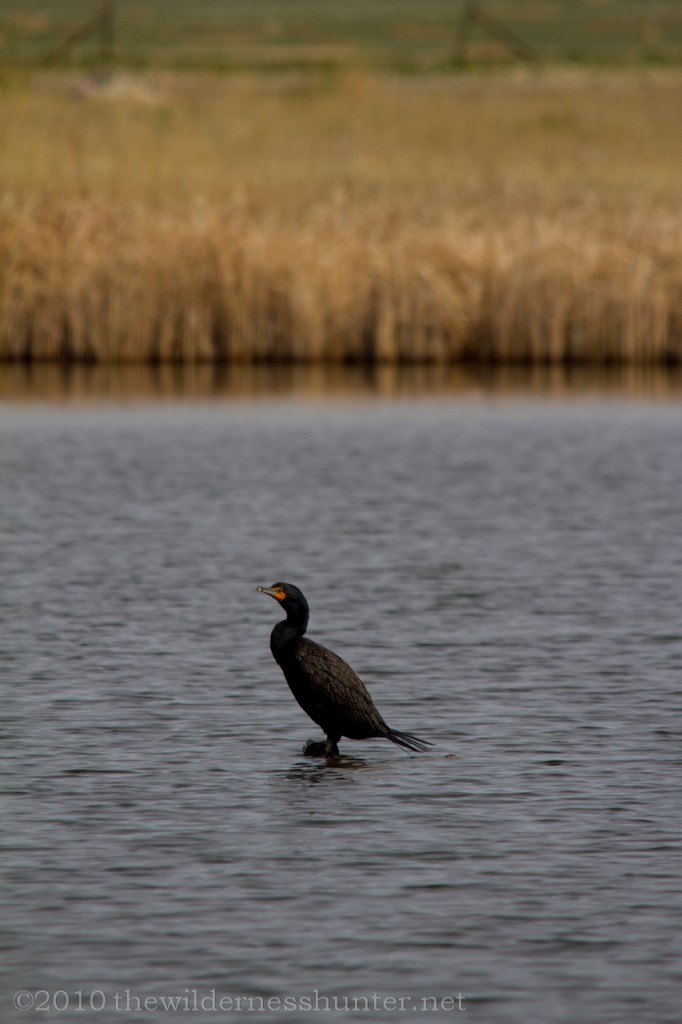
- Another Double Crested Cormorant
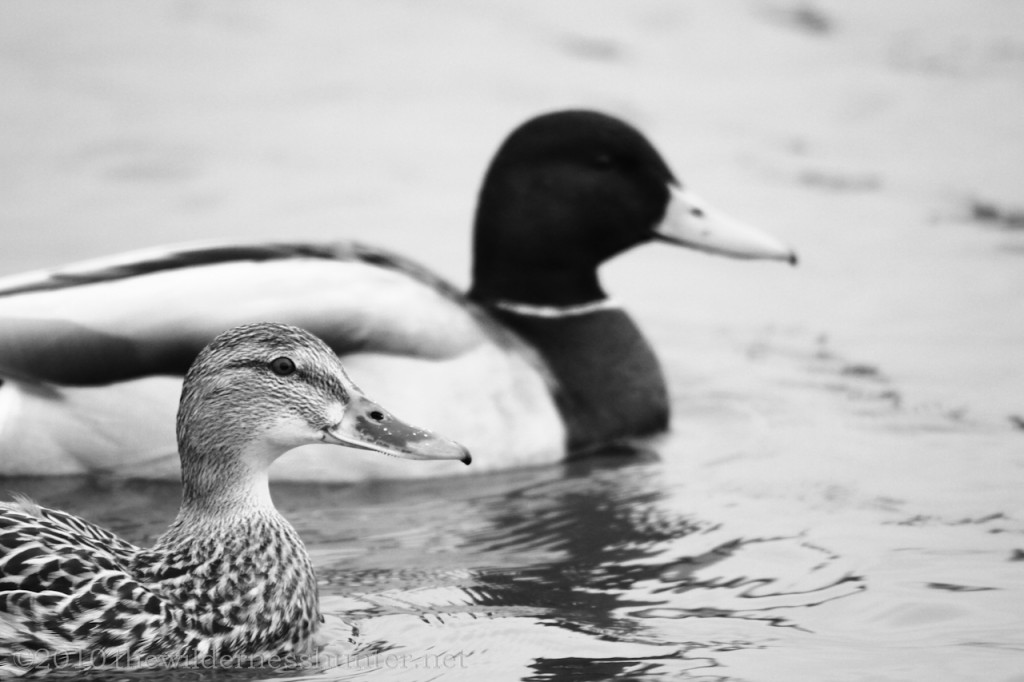
- Mallard Ducks
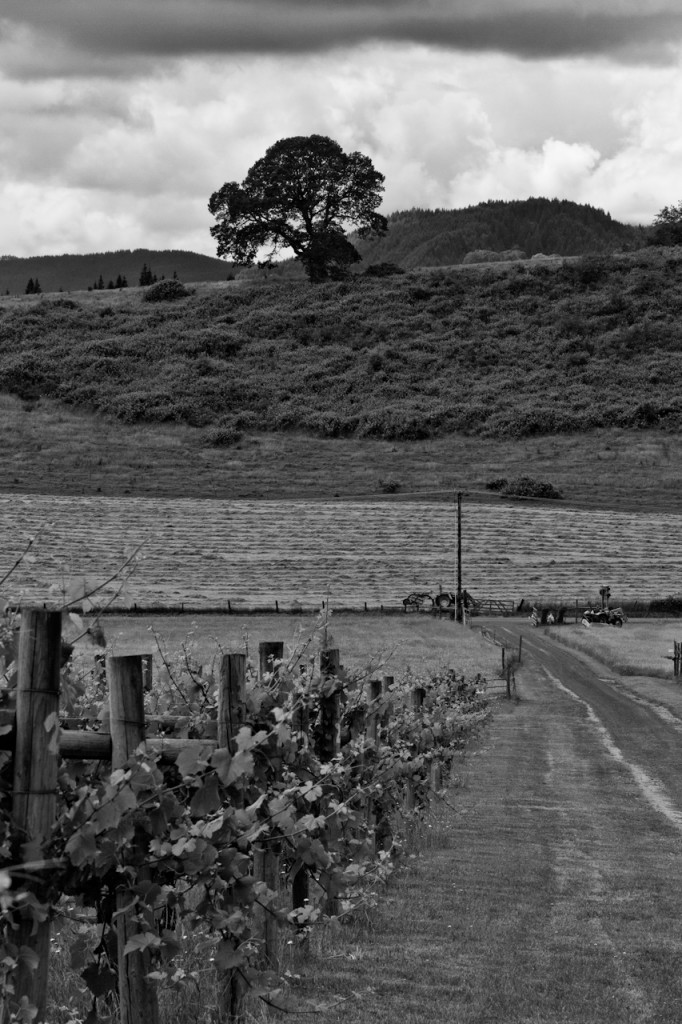
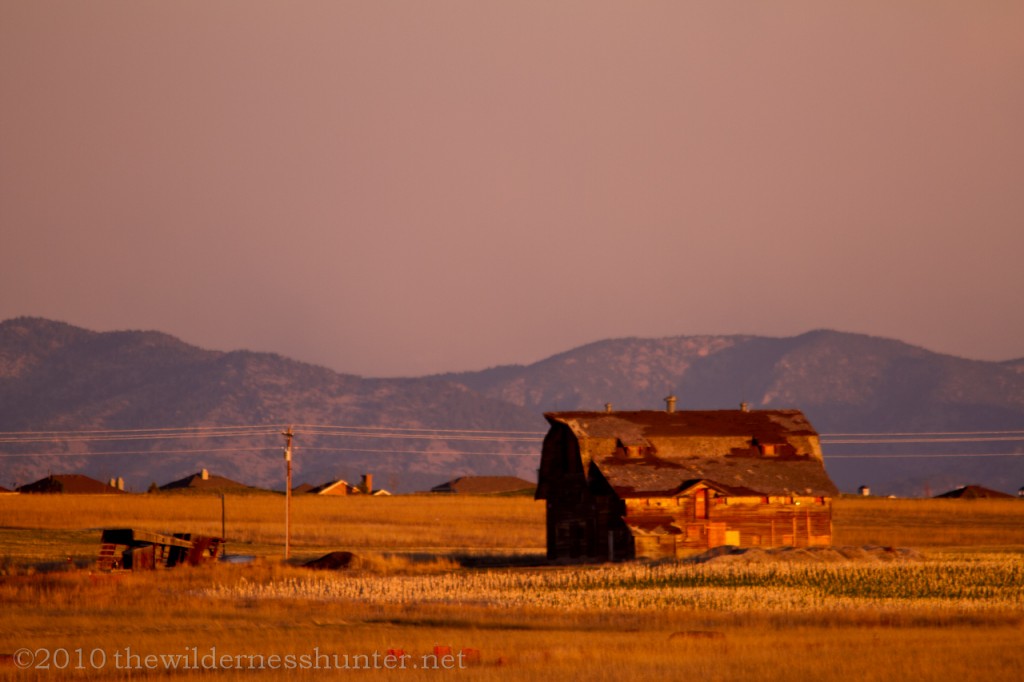
- Old barn near CO7 and I25
- Great Horned Owl and chicks
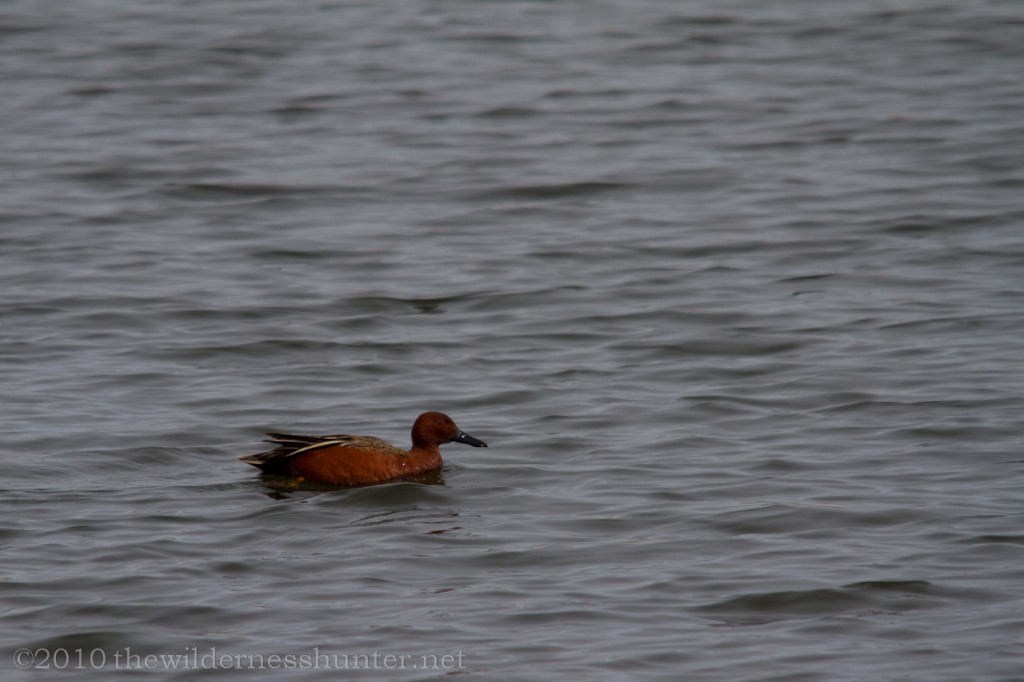
- Cinnamon Teal Duck
- Double Crested Cormorant
Blackpowder
Get comfortable, because this is going to be a long winded post!
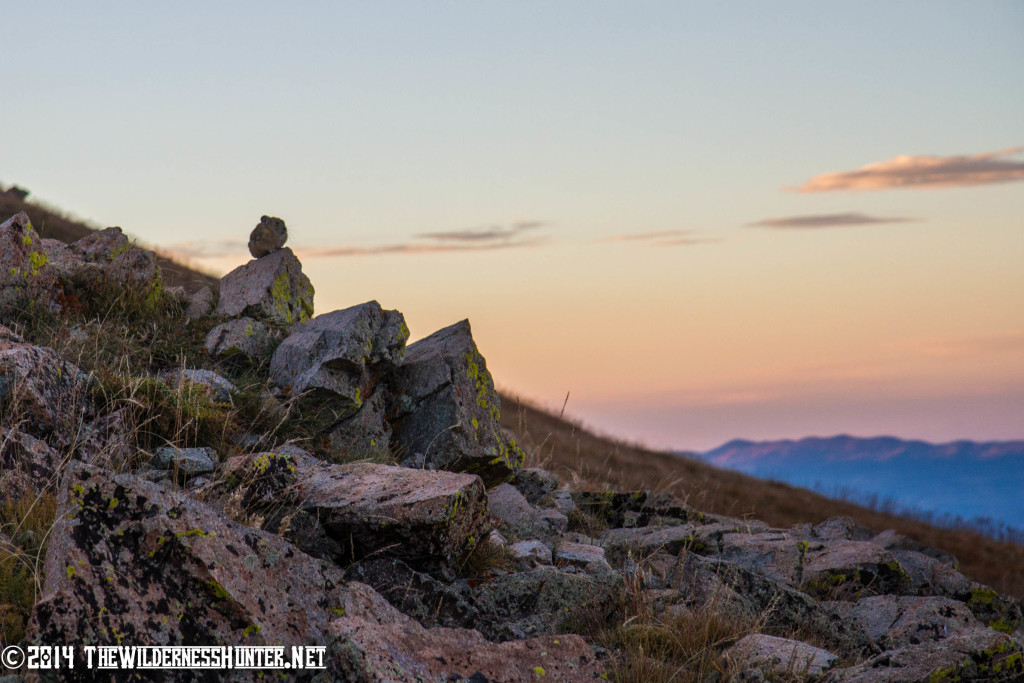
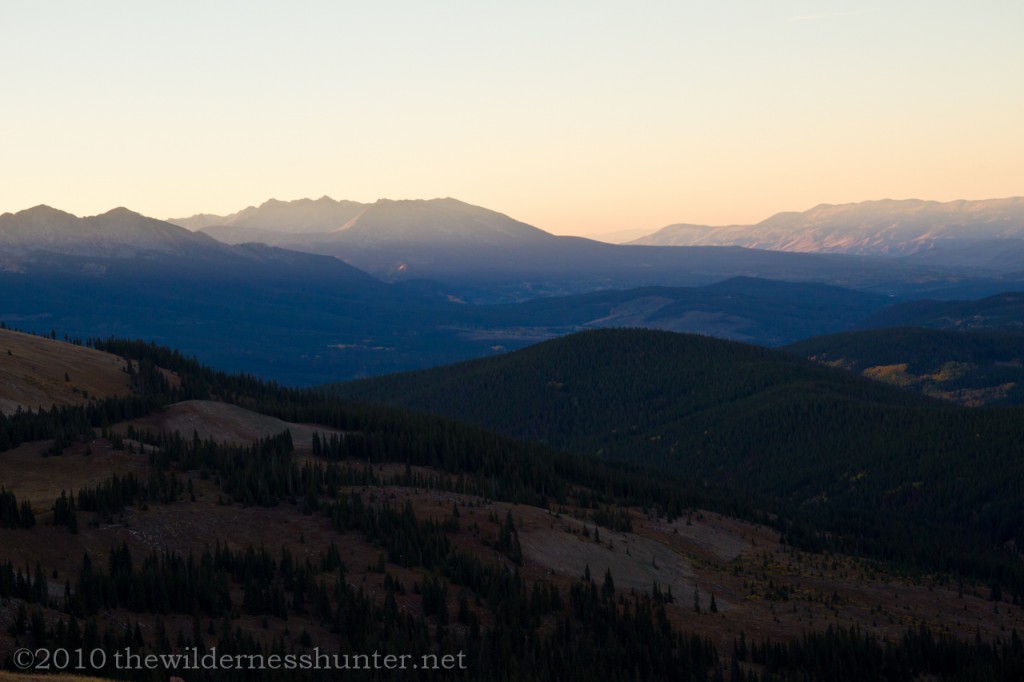
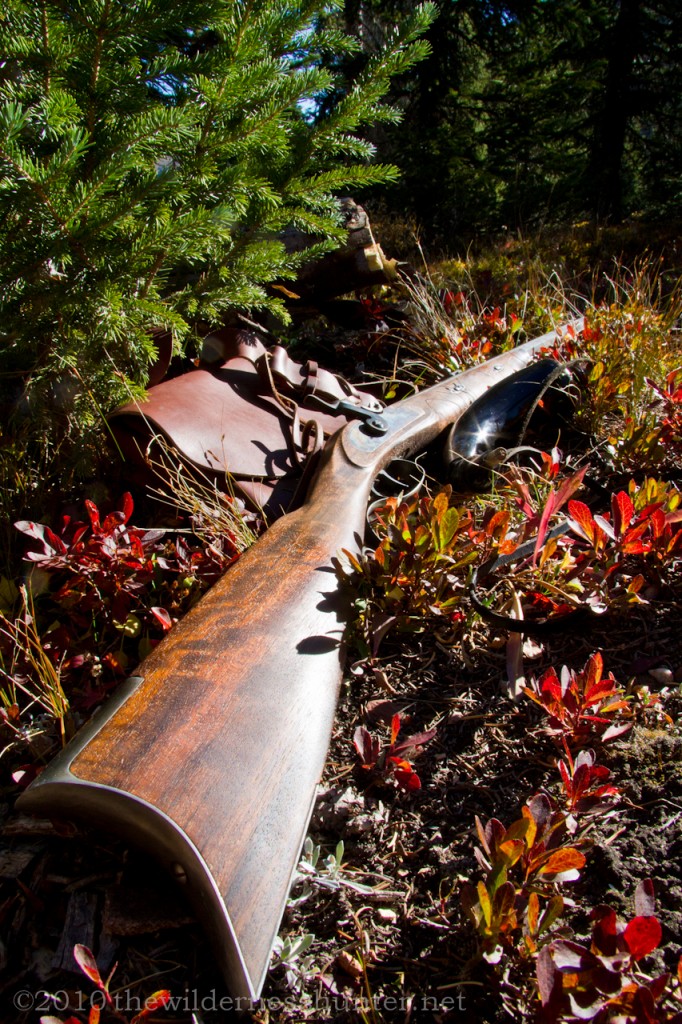
The blackpowder hunting season here in Colorado has become my favorite. Not because I have had any better success, but because of the traditional feel of it. I hunt with a traditional cap and ball Hawken style .50 caliber rifle, no optics (not even binoculars) wearing a wool sweater and canvas pants or kilt; as close as one can get to the “old days”. For this year, I drew a buck deer tag for GMU 500. For the uninitiated, that means I’m hunting Bambi’s dad near Boreas Pass, between Como and Breckenridge. I have hunted this area before, and know where the deer and elk like to hang out. Unfortunately, I chose to start my hunt four days after the opening weekend; which was September 11th, I started on September 15th. What this means is that the animals will have already had a few days of hunting pressure (not including the archery hunters that started much earlier), and will have scattered also. There were a few other factors to consider as well; phase of the moon, weather patterns, availability of water and food. If the moon is anywhere from full to half, the deer and elk move around more in the night, making it harder for hunters to locate them. This is also compounded when the weather is fair, if there is rain or snow, they move to the lower elevations and the thicker cover to protect themselves. When it is dry, like the area has been of late, the animals move to where there is water and green stuff to eat.
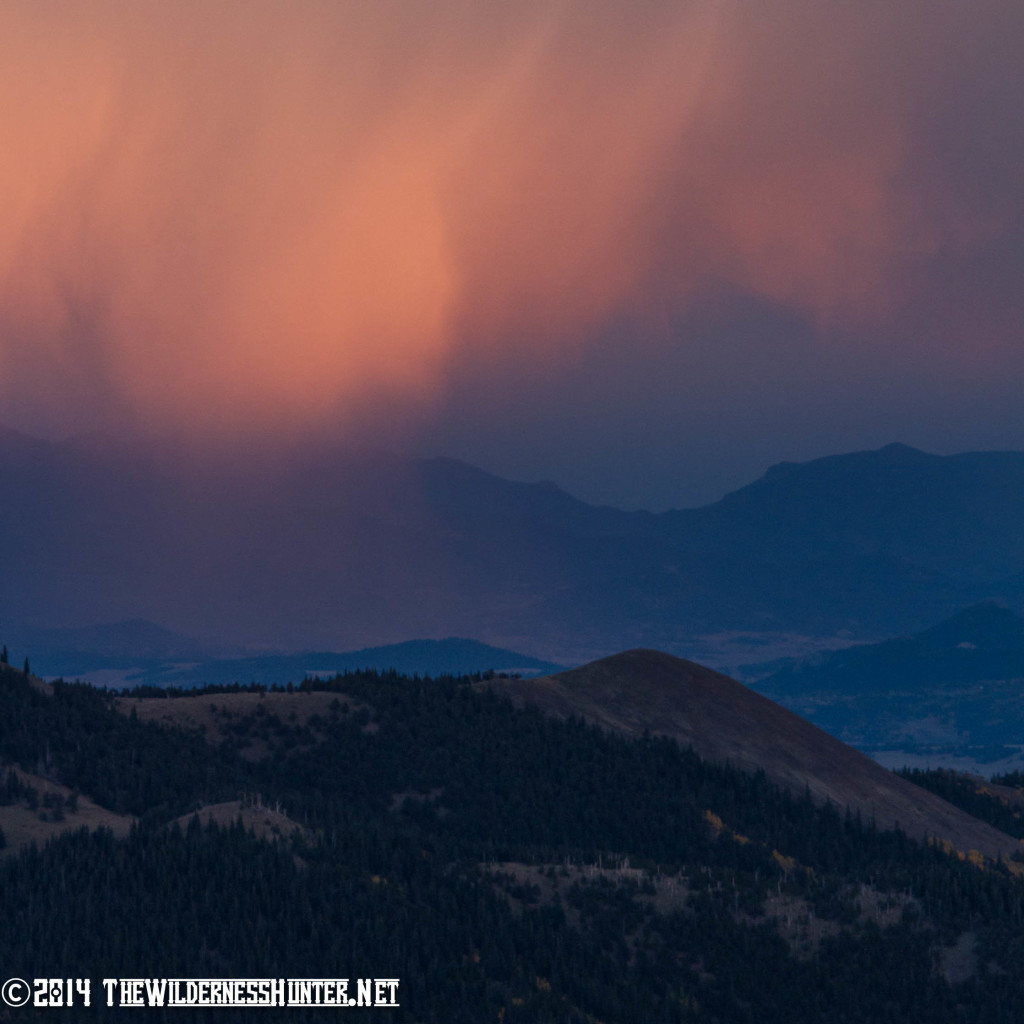
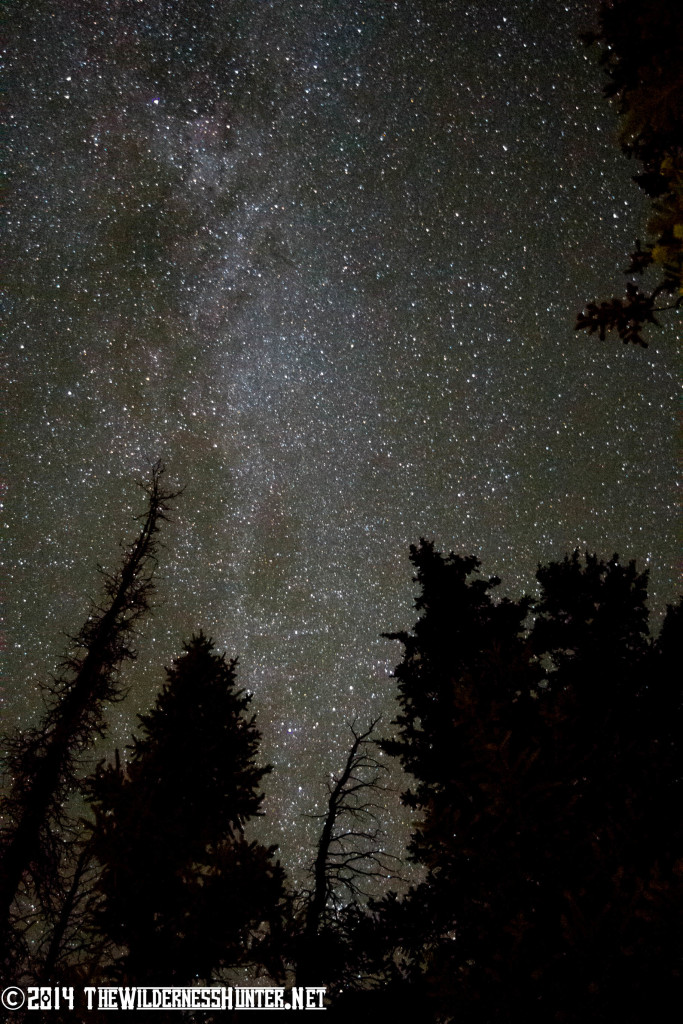
Wednesday afternoon I had camp set up and was ready to hunt that evening. I had hunted this area before , so I knew theoretically where the deer would be, since I had seen them before. I found my spot and waited, watching, until the sun sunk behind the mountains see neither hair nor hide of a deer. So I headed back to camp for the customary “first-day-of-the-hunt” whisky. I was planning on shooting some star trail shots when the moon when down, but that proved to be closer to morning than I originally planned. I abandoned that effort in favor of sleep since I knew I would be up before the sun the following morning to hunt.
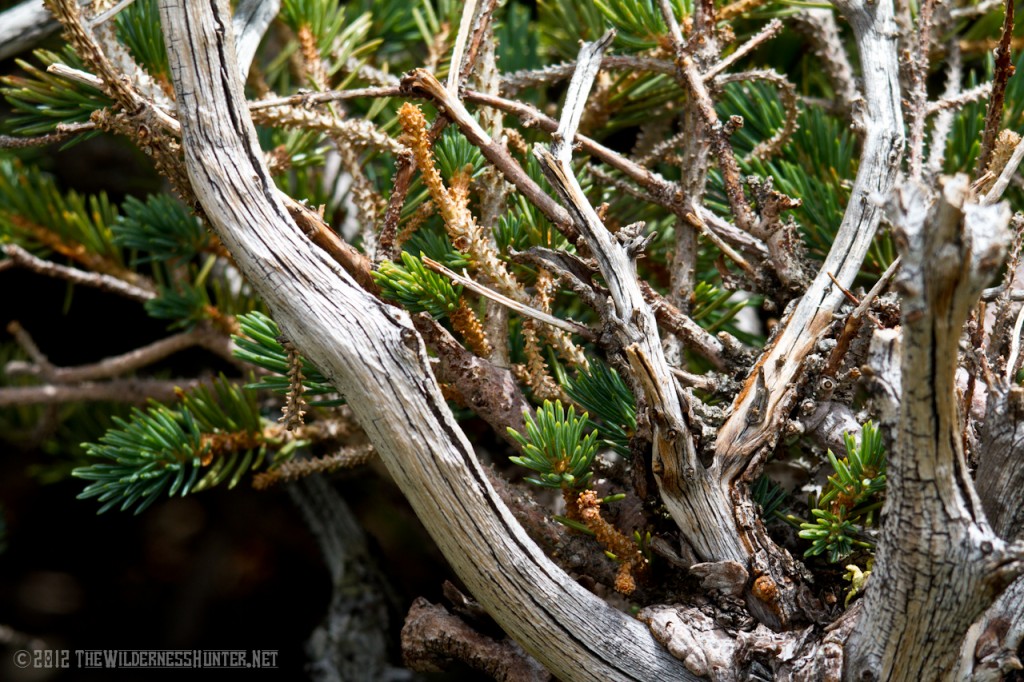
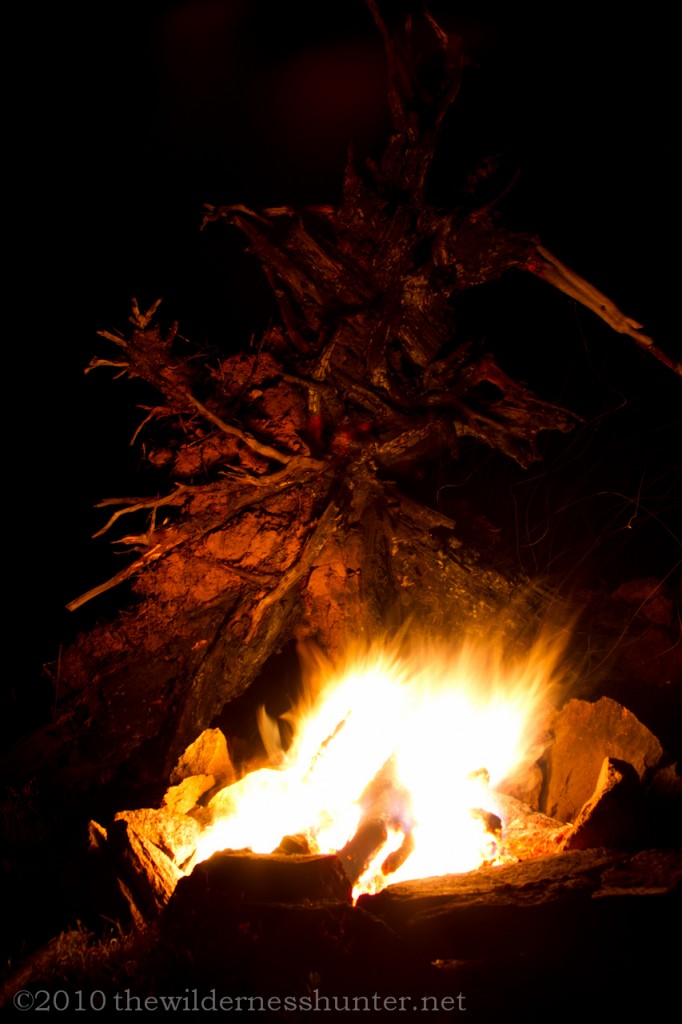
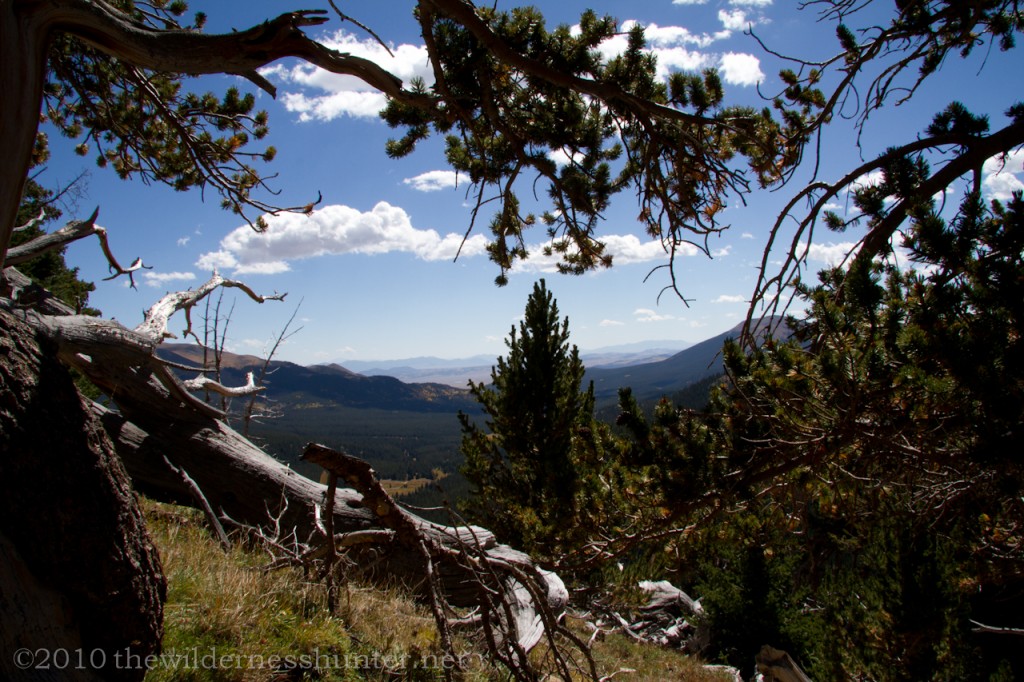
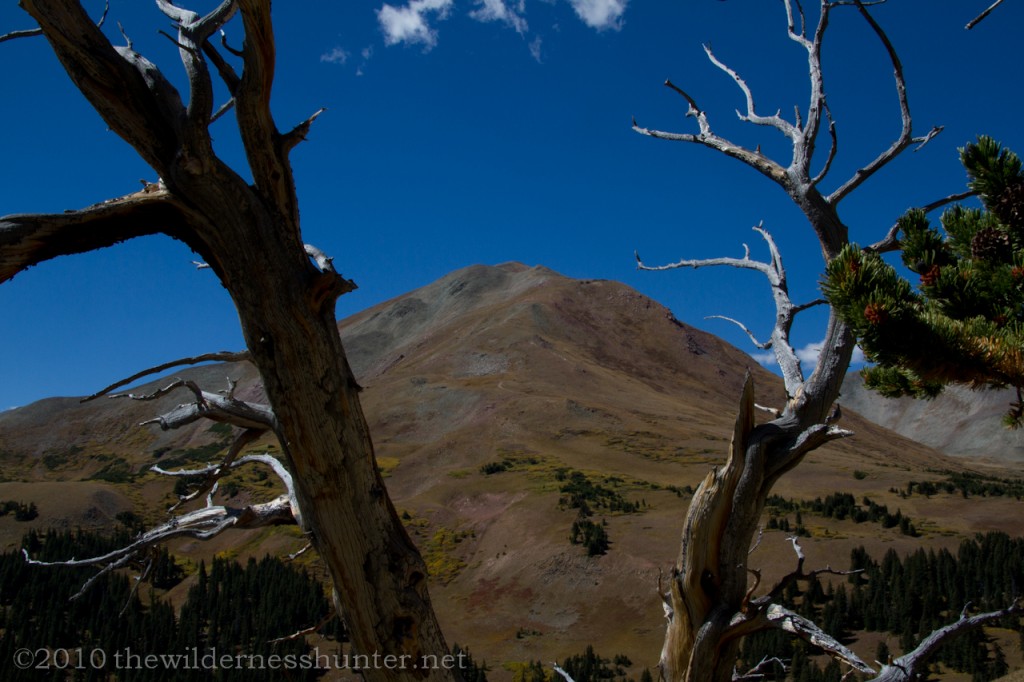
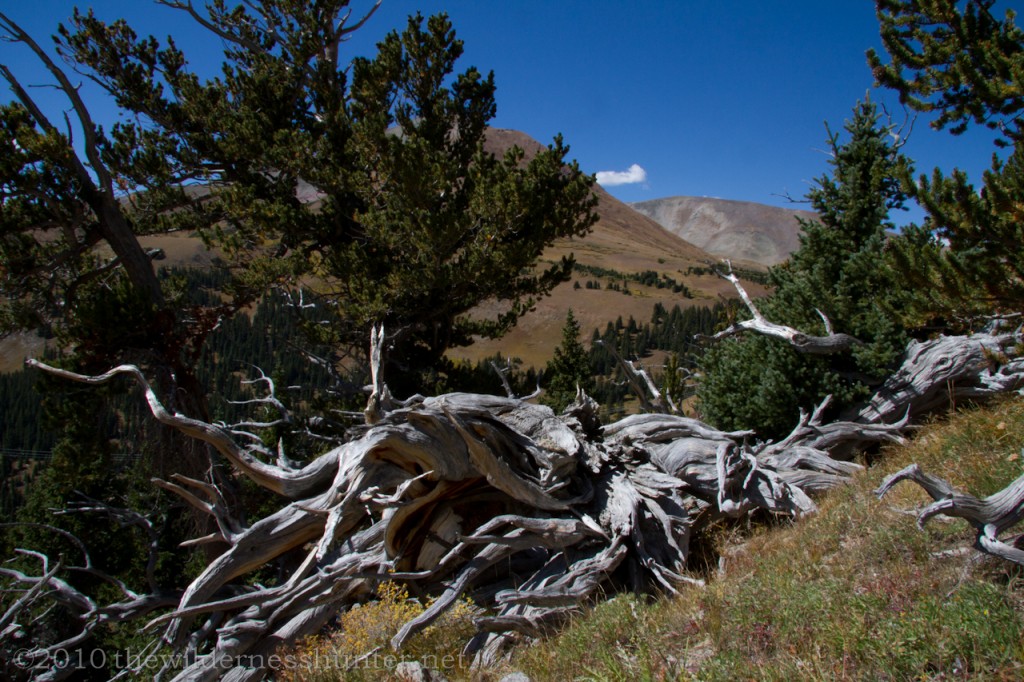
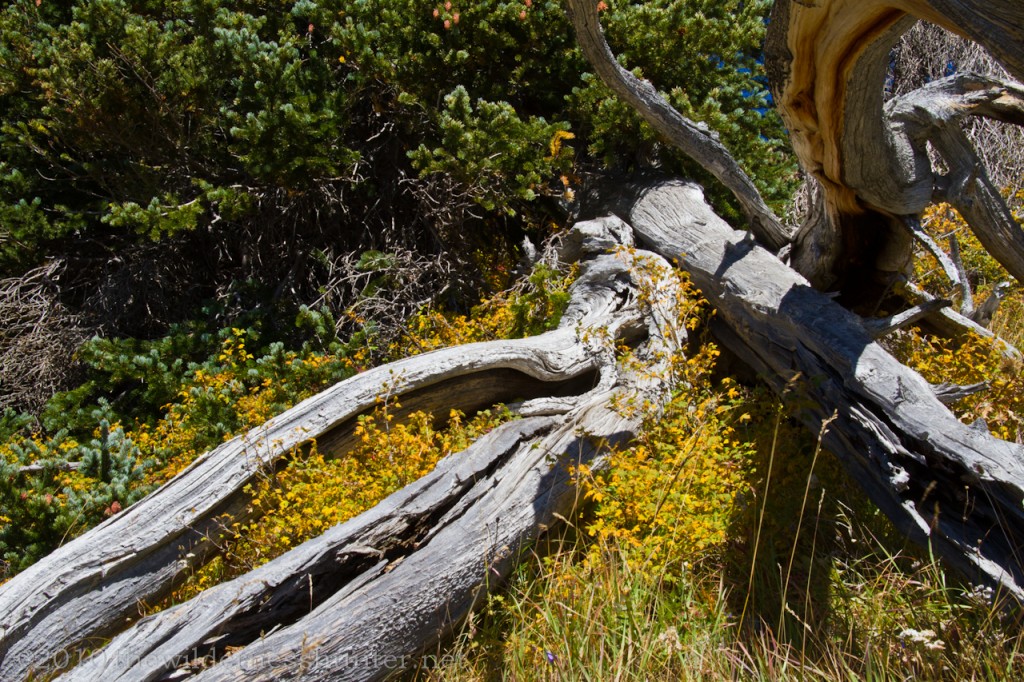
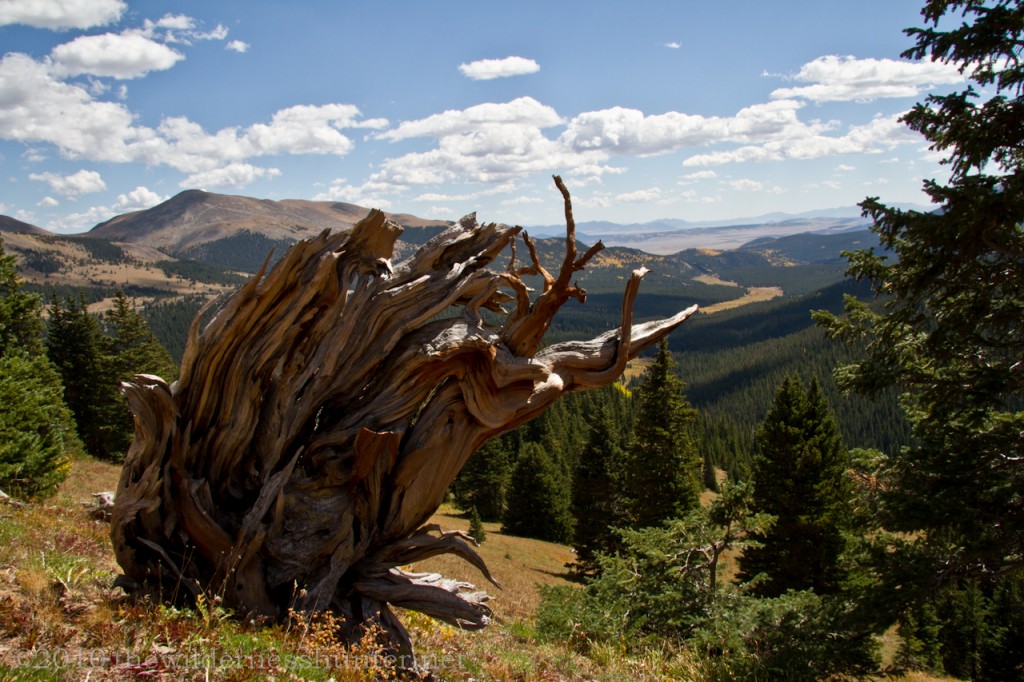
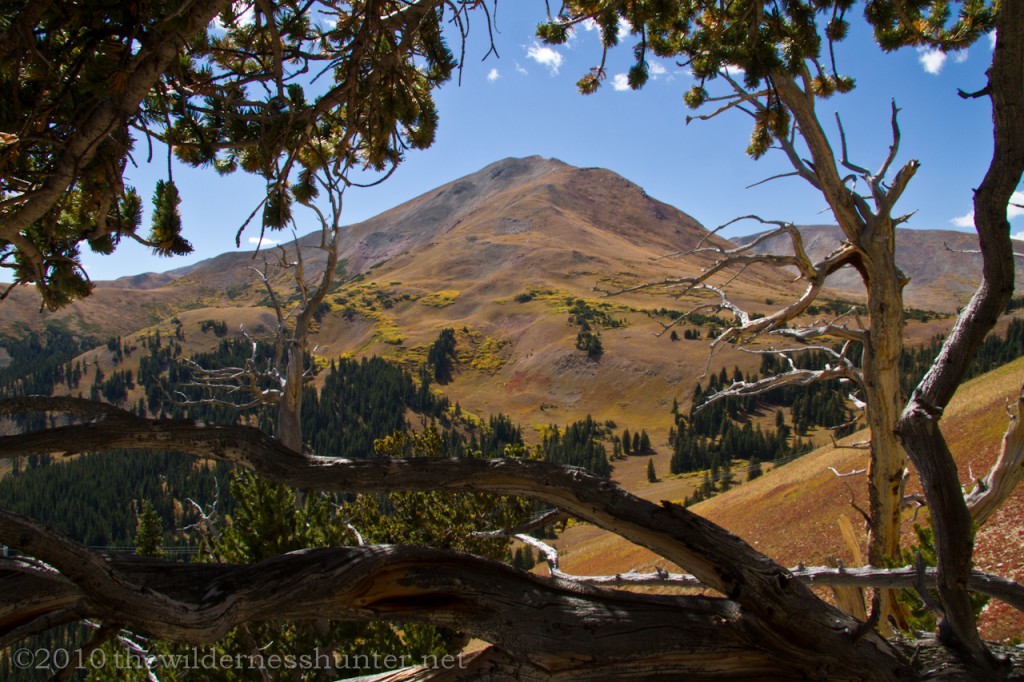
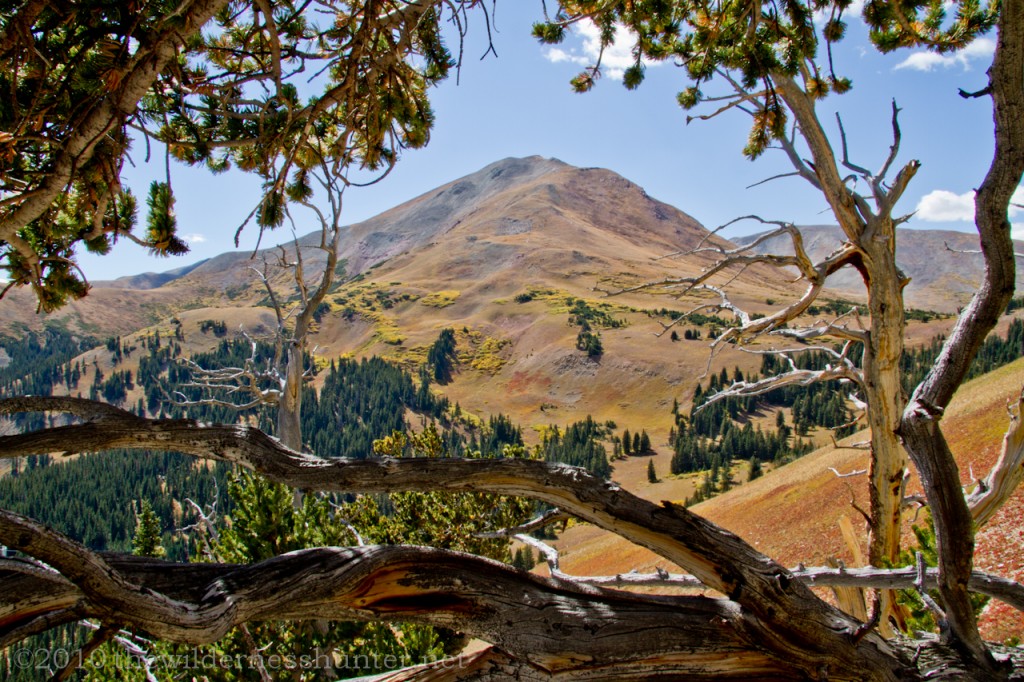
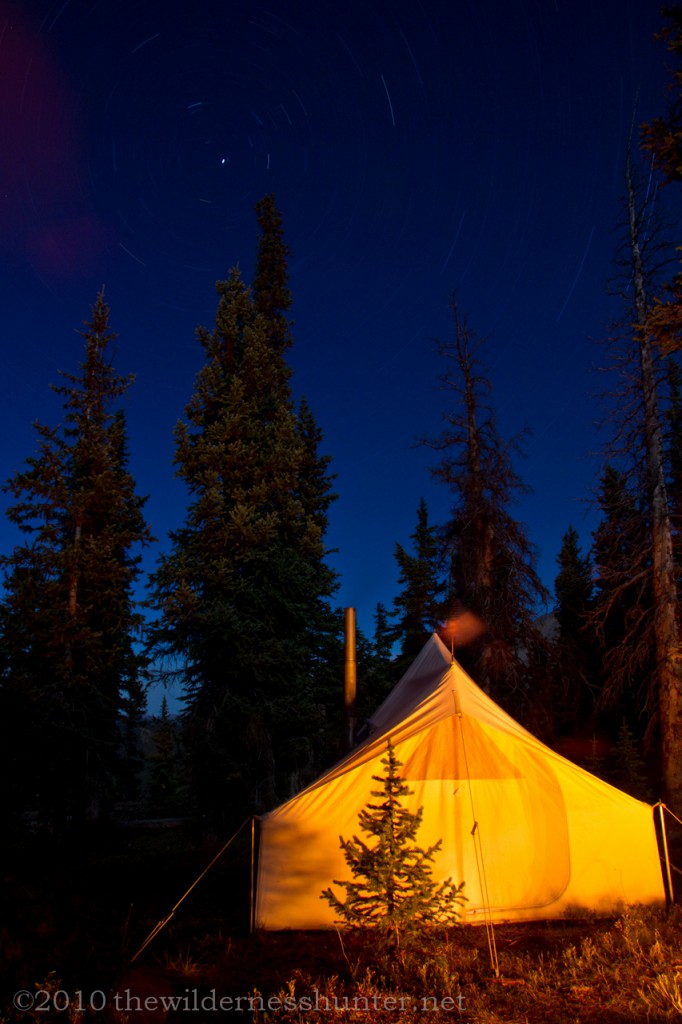
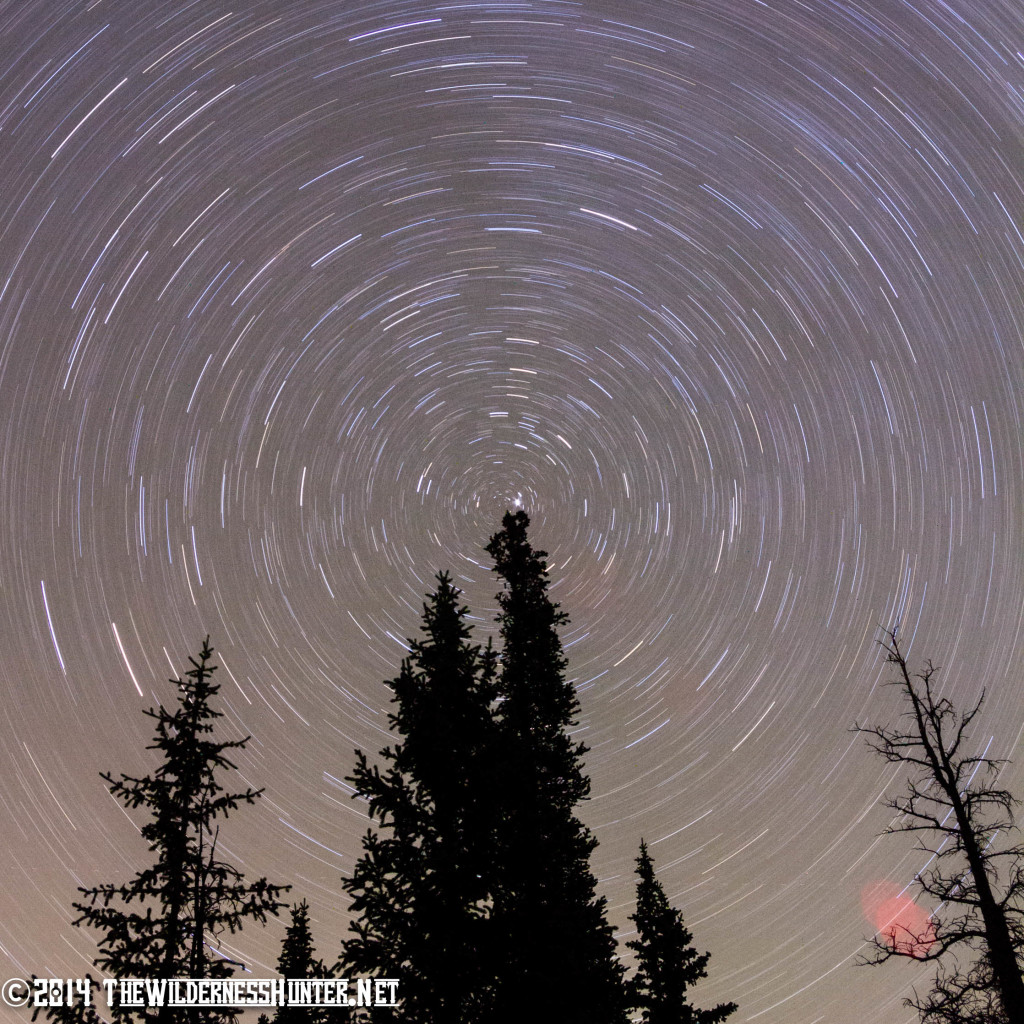
Thursday morning I was up at five and in my chosen spot by half past. By six thirty I heard heavy footfalls that could only be made by elk; and elk it was, two cows and one of the biggest bulls I had ever had the pleasure of seeing in the flesh. They passed by me without stopping or even noticing my presence, only about thirty yards away! If only I had a tag for elk, my hunt would have ended that morning. So ends the only action for the Thursday morning hunt, and with it I planned to take a fairly long walk with the camera, since mid-day hunting sucks. I ended up hiking three miles out to a stand of bristlecone pines, whose bare twisting silver trunks always fascinate me, and make for awesome photo subjects. While I was in a great area for fall Aspen colors, I was surprisingly not near many Aspen groves; pines and spruce dominate the landscape. I was back to camp in the late afternoon for a short rest and something to eat before the evening hunt. Although after burning so much energy during the day, leaving the comfort of my camp chair was less than appealing. Besides, it was a beautiful evening to sit and enjoy just being outside; the elk were bulging like crazy, and continued to do so until after the sun went down. My camera has HD video capability, which I never thought I would really use all that much, but I decided to try to capture the ambiance of the evening with it. This was the night I also chose to take a long exposure, but waiting for the half moon to go down was out of the question. I say A long exposure because it was an hour and a half! The moonlight kinda washed out some of the stars, but overall it came out pretty cool. A few points about long exposures with the 7D versus my old Rebel; first, the live view with the 7D makes it soooo much easier to focus the scene! I was fairly well guessing with the Rebel. Second it the noise I got with the Rebel during an hour long exposure (due to the sensor getting hot) was non-existent with the 7D. I also should have used a wider aperture, that way the star streaks would have been broader and brighter, but enough of that.
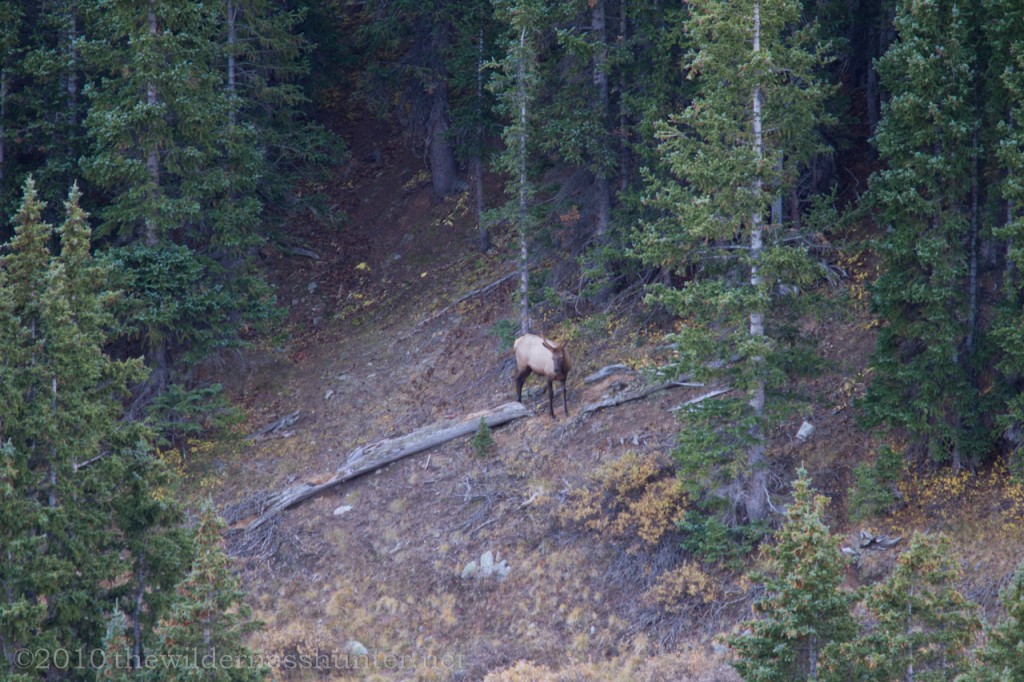
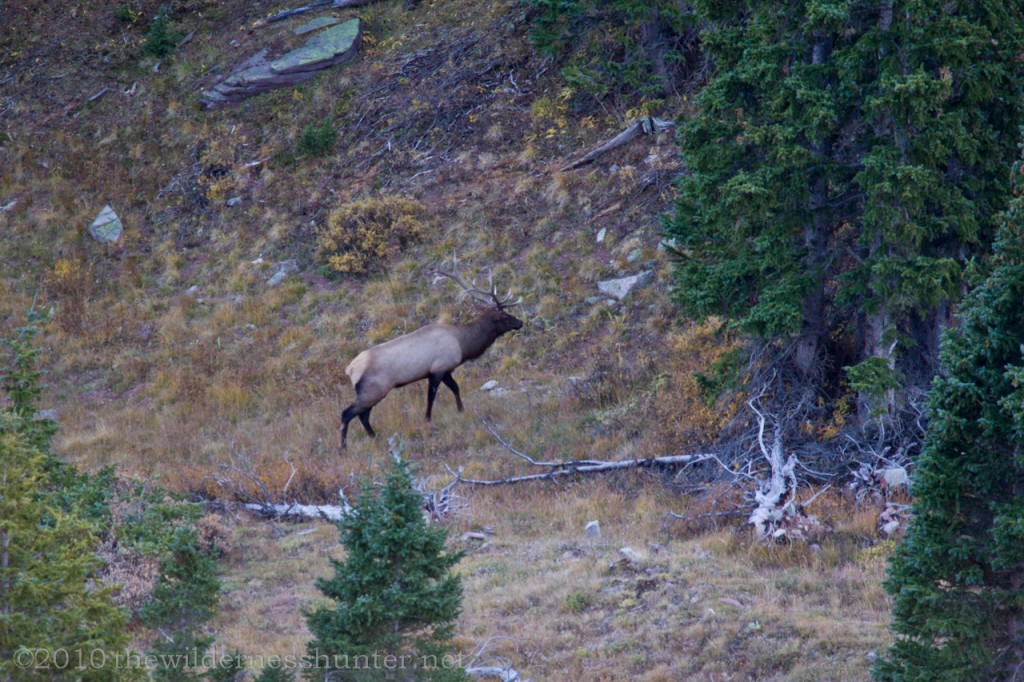
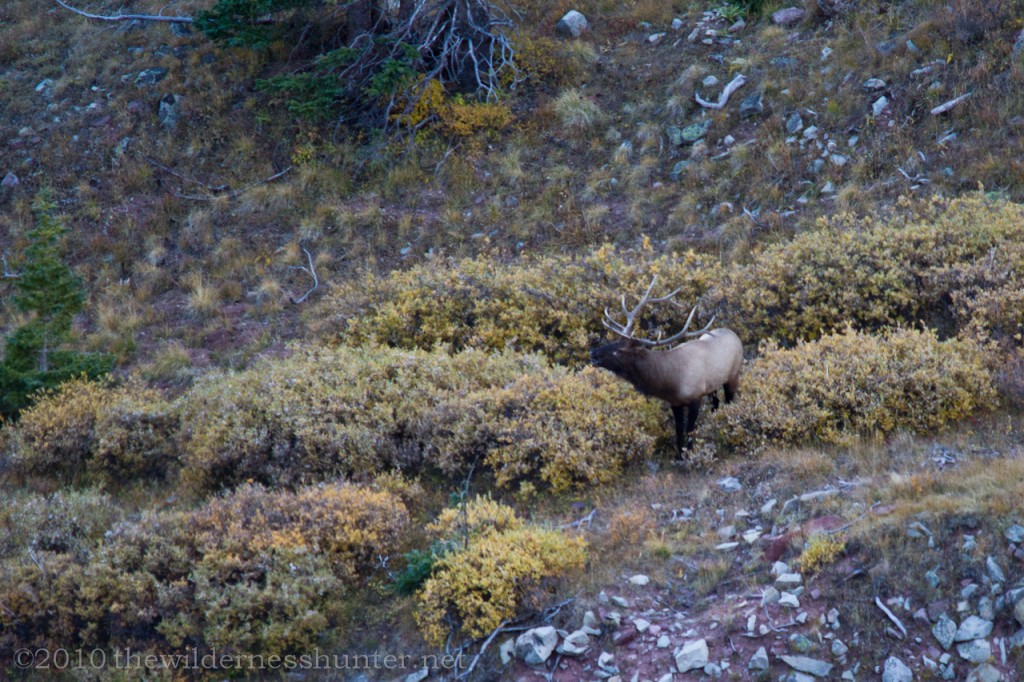
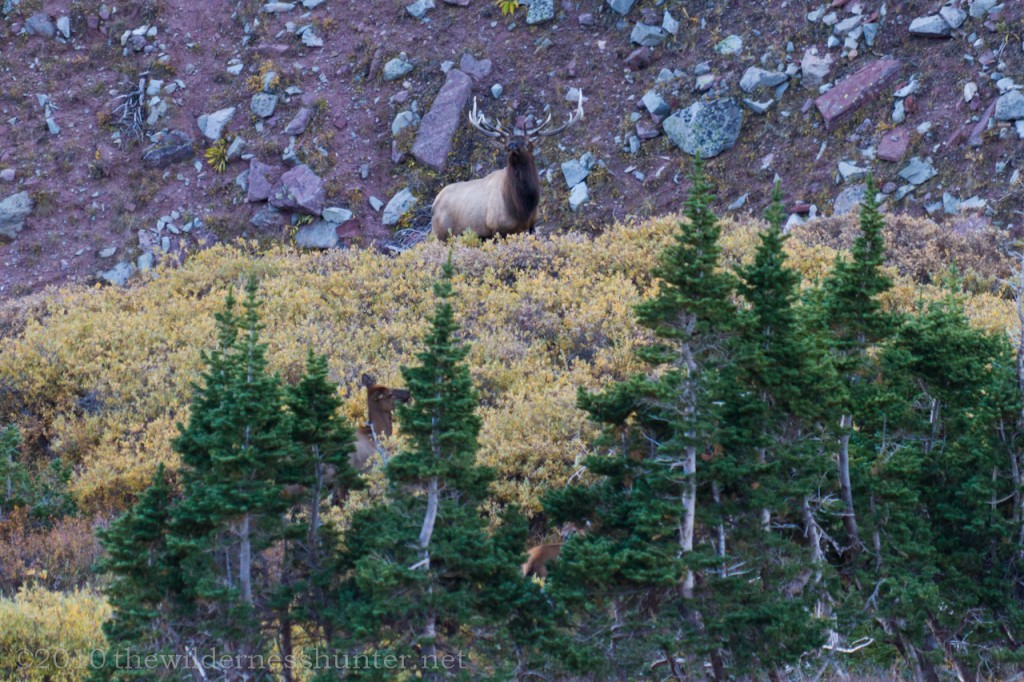
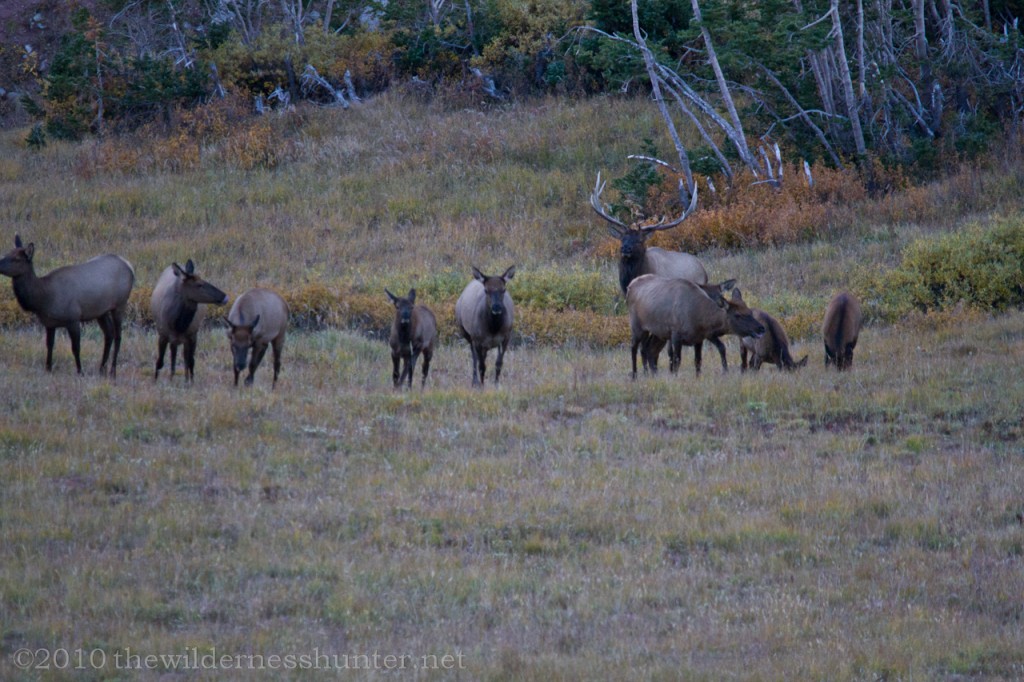
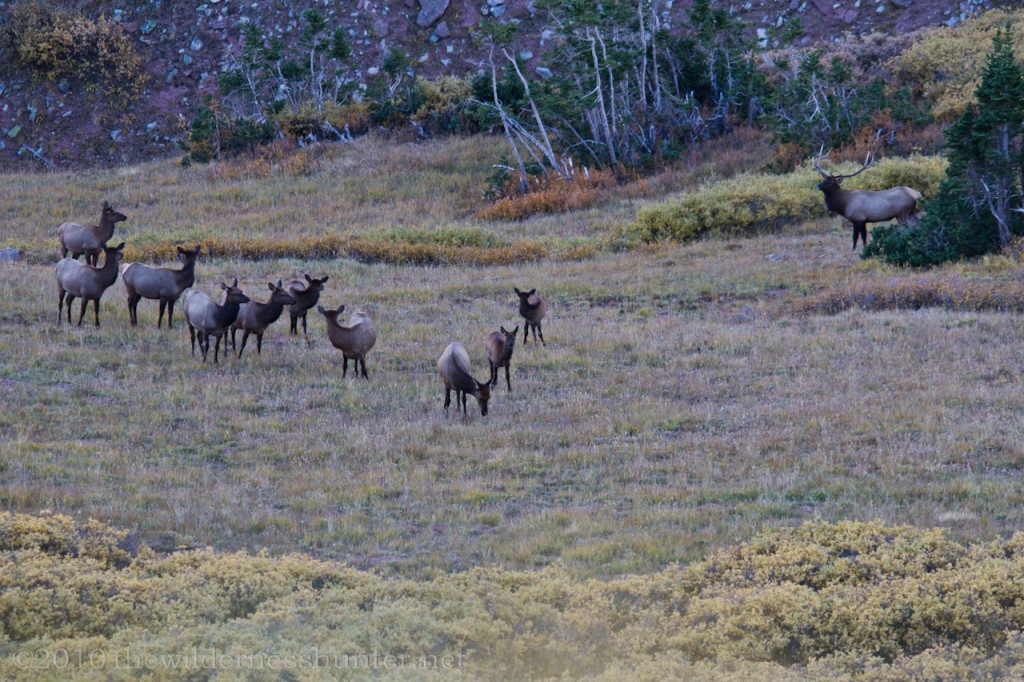
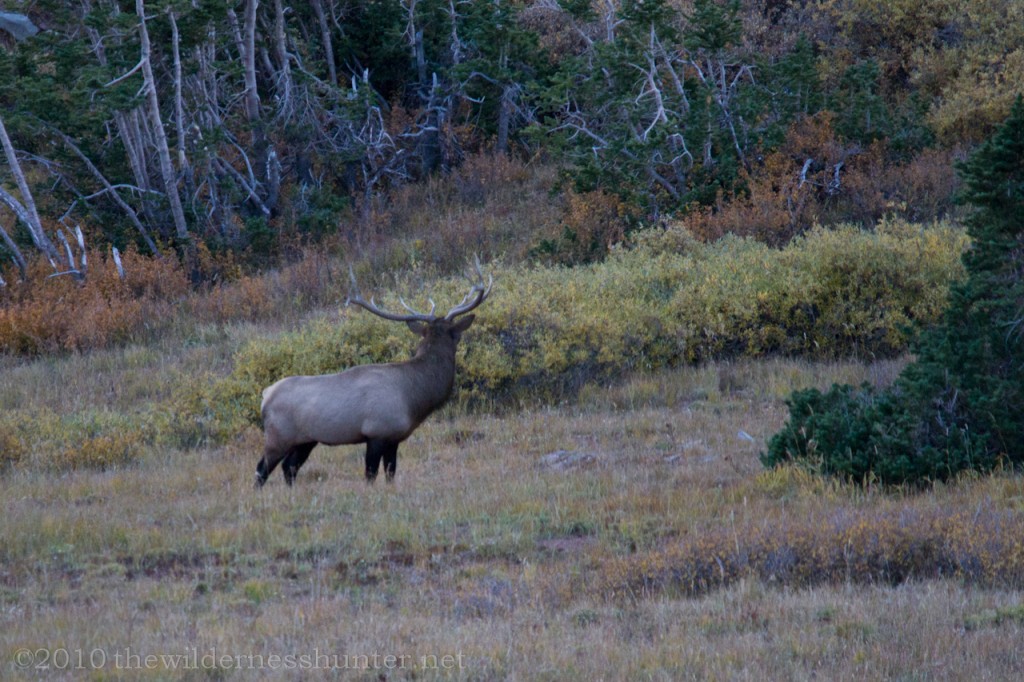
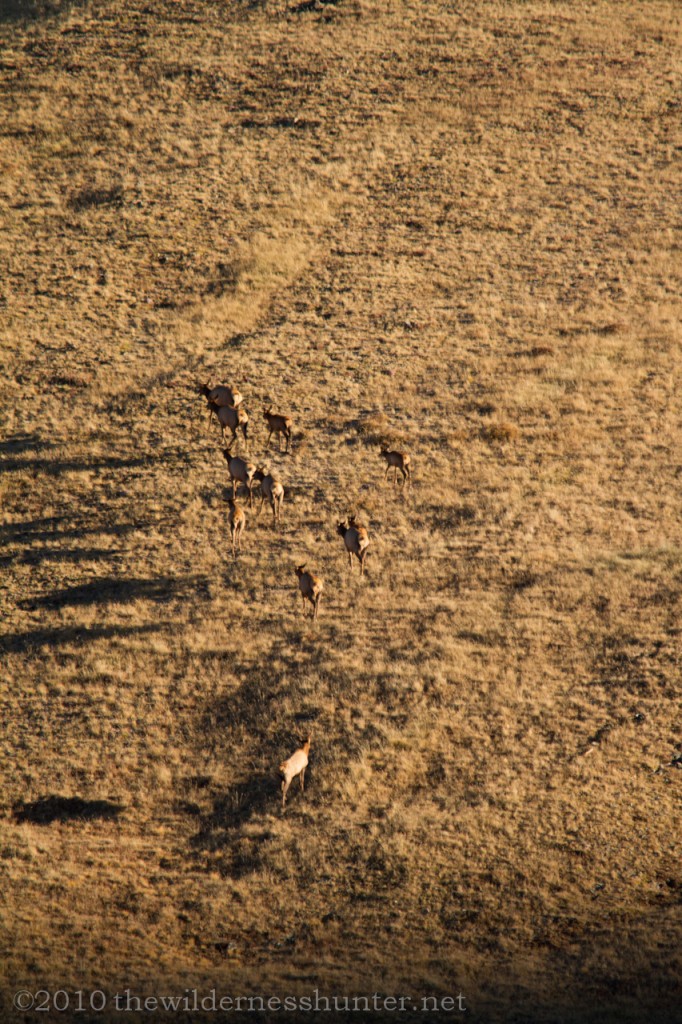
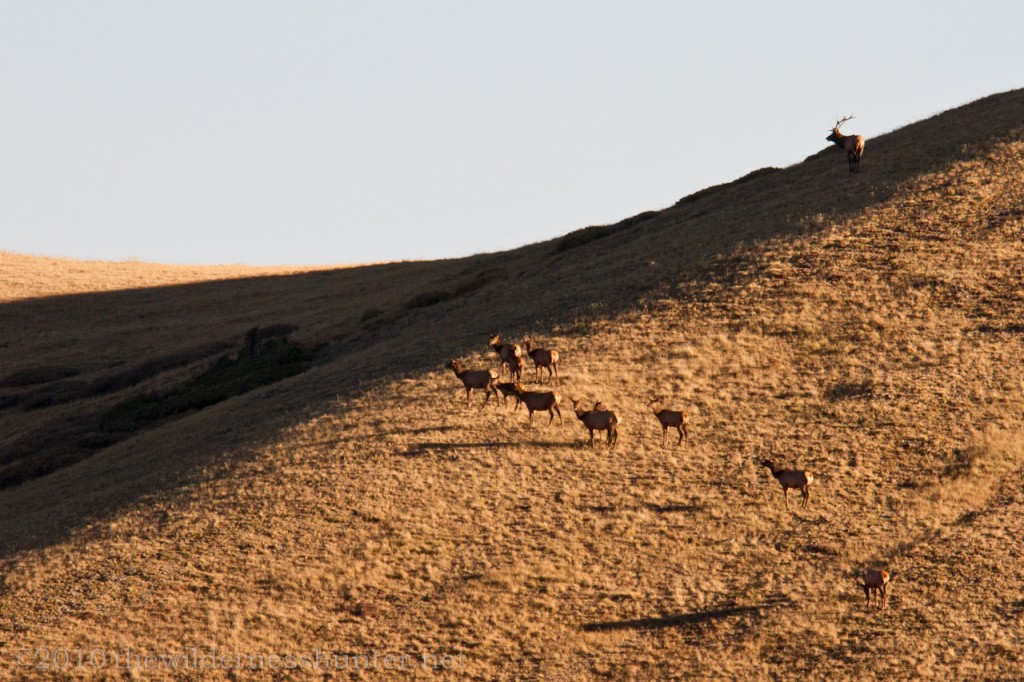
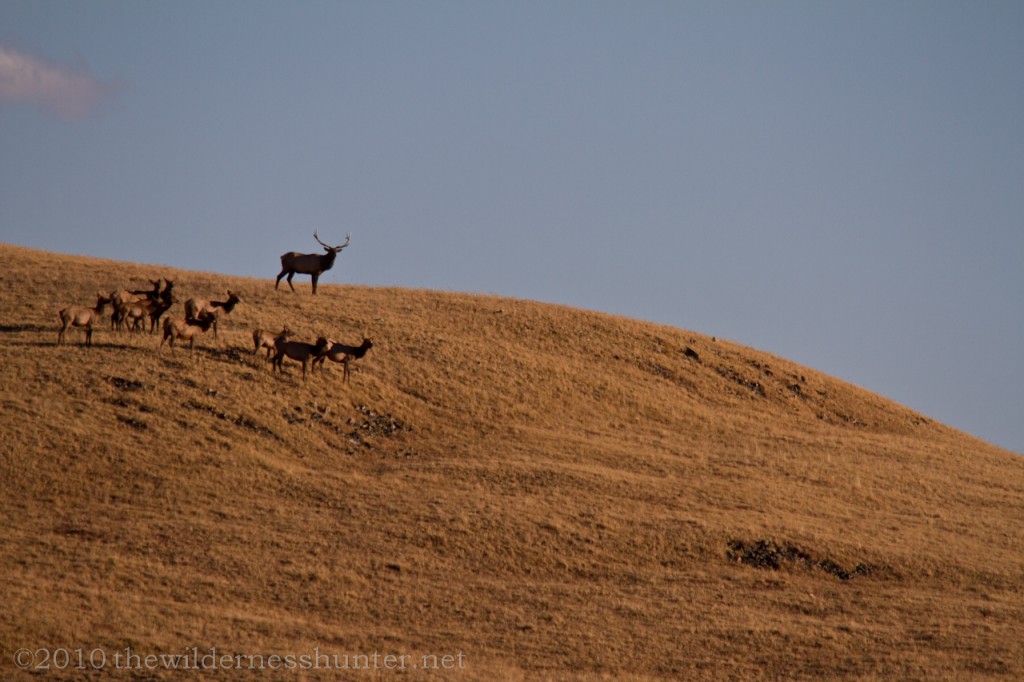
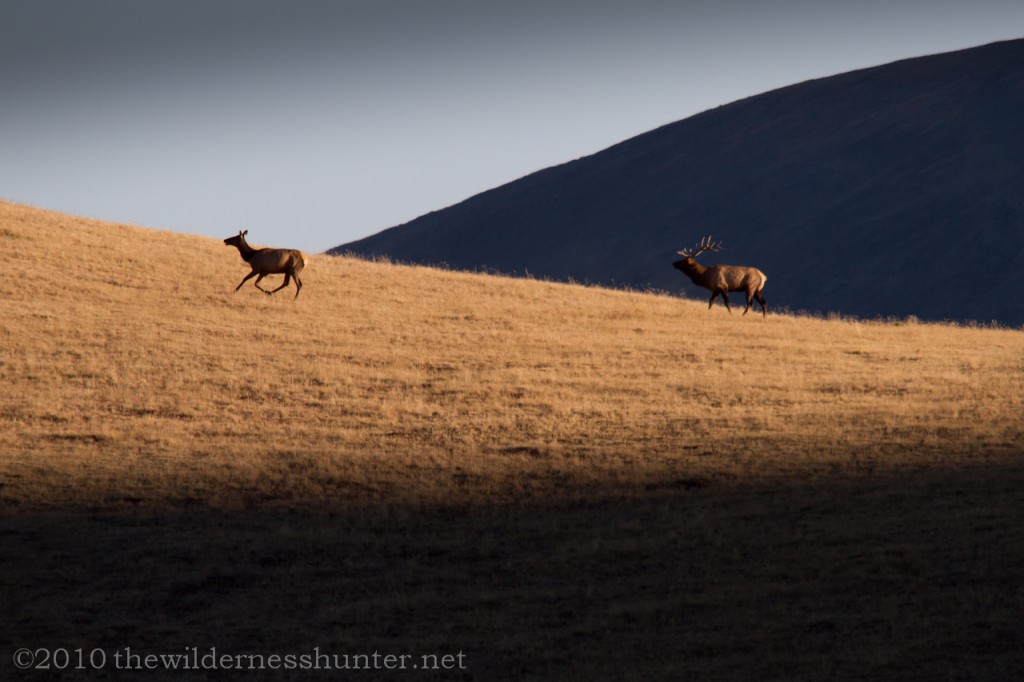
Friday morning’s early hunt at the same locale yielded another close encounter with elk, and later, a close encounter with two very young spike bucks and one four point buck that was just too young to be a shooter. Although the minimum size for a legal buck in Colorado is four points, the shot was sketchy, at best. I was standing on top of a hill looking slightly down at them, with the four-pointer facing me straight on, and one of the spikes behind. He was also standing enough below the crest of the hill that I could not get a decent shot at his vitals. So many things calculated in a fraction of a second; still amazes me to think that my mind worked all that out so quick! Friday mid-day was time to collect fire wood (which I was very low on from the night before), and take a drive around to get some photos of the fall color. I am very much a “morning-evening” hunter that I usually don’t bother with the time in between; the animals want a rest and so do I! My sometimes boss and friend has a cabin down in the valley below my camp, and with all the beetle-killed trees, he had no shortage of firewood available. So on my way down to poach *ahem* borrow some firewood from him, I stopped along the way to record the changing Aspens. By the time it was time for the evening hunt, I was getting tired of getting skunked and almost gave up the rifle hunting altogether, and stick with the camera, but my sense go the better of me (knowing Murphy’s law inflicts those of Celtic descent ten fold) I went fully loaded with photo and hunting gear to a place I knew the animals to be. This involved a climb to near the top of Red Mountain (13,229) to about 12,500 feet, and a three mile hike laterally to cross Hoosier ridge on the northern flanks of Mount Silverheels. I had eyeballed the area previously knowing if was good hunting ground, but was daunted by the thought of coming back should I shoot something! With the growing desperation that drives the hunter, I headed out at three for the previously described area. I was in place at five settled in for some action. And action I got; too bad it was all elk, and not a single deer to be seen. This is where the photo-hunting took over, and my first wildlife photography experience other than photographing birds. I also put the HD video feature to good use here and caught some cool video of real wild elk (not those half-tame Rocky Mountain National Park elk). It started when I heard a lot of bugling and crashing around in the thick timber across the small valley I was situated to overlook. I didn’t actually see the bulls fighting (that would have made for some awesome video), but I could hear them crashing together. Then I see this young spike bull emerge from the timber in the valley floor, then a cow, then another cow, and another. Next out comes one of the largest bulls I have had the pleasure of laying eyes on! He came out of the timber, bugled, sniffed round the grass a moment, bugled again, charged back into the timber with a crash. Much more ruckus took place and he emerged again and stood on a small rise above his harem, looking very kingly, literally king of the forest! Stood in a thicket of stubby willows and bugled again, then proceeded the thrash the hell out of said willows with his magnificent antlers. He then came down from his overlook to join the harem and browse for a small bite to eat. Suddenly all the elk looked back into the woods the came from, and then took off up the steep valley wall across from my vantage point, covering ground that would have taken me at least forty-five minutes to cover. They stopped above tree line to browse the short vegetation there before leisurely making their way over the ridge, and out of my view. I wanted so much to follow them, but the sun was nearly down and I had a fair distance to travel, and I didn’t relish making it in the dark with no trail to follow. I got back to camp, made some quick dinner, and promptly passed out on the cot, visions of elk still in my head.
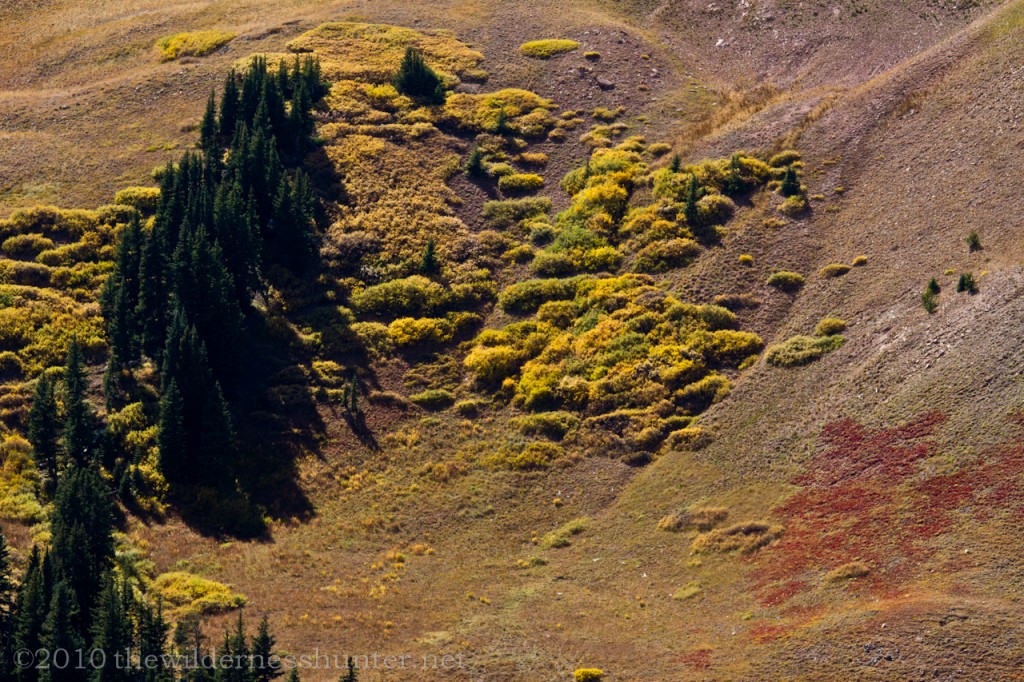
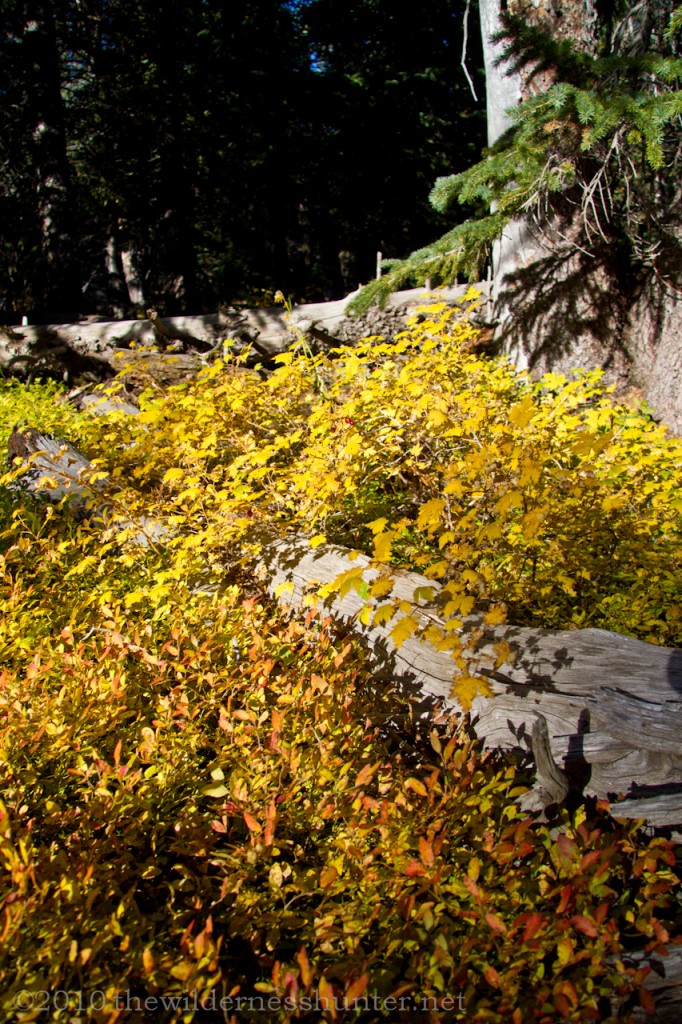
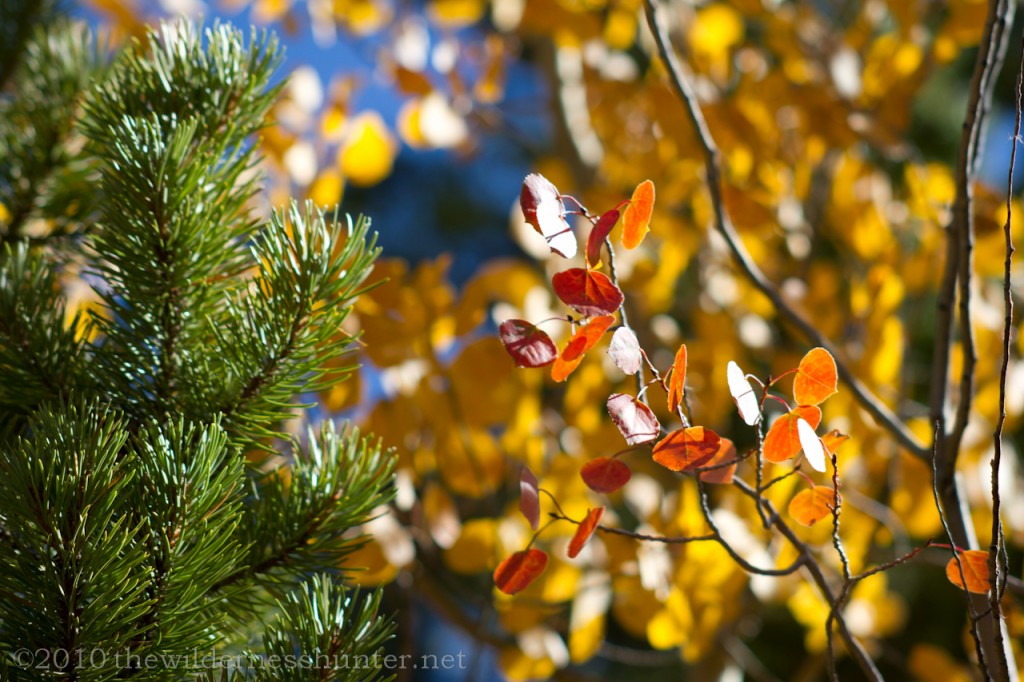
Saturday morning rolled around, and I made no effort to get up too early to hunt. The hunt was nearly gone from me, but when I was up and moving, I decided to make one last trip up the hill, going light, taking only rifle, bag, and powderhorn. Another hunter, the first one I had seen in all my time here, had made it to the same spot I had hunted the week past. Somewhat discouraged after only a half hour of watching, I turned back to the same spot I had seen the deer the day before. And there standing before me, not thirty five yards away, was the neck and back of a mule deer. When he raised his head and looked at me, I almost forgot what I was there for. Staring at me was a gorgeous six point buck with a nice twenty inch spread in the antlers. Hands shaking, I raised the rifle, cocked the hammer and took aim. The hammer came down, and nothing happened; the deer stared at me still. Cocked the hammer again and pulled the trigger; the percussion cap snapped, but still no fire. My deer took off, leaving me fumbling for another cap. Now, let me explain something about deer versus elk. If this had happened with an elk, said elk would have been in the next county in a wink. Deer will run away a few yards and stare at you, then go a bit further, look back again. With my deer now about seventy five yards off, stopped looking back, me finally with another cap on the rifle. Took aim again, and BOOM! Finally the damn thing fired! Though through the smoke I could see already I pulled the shot to the right, evident by the large track of dirt freshly tilled by a .50 caliber bullet. The deer took off again, leaving me indecisively trying to pursue, and pour powder into the measure and pour it into the rifle, and stuff a bullet in, and ram it down, and put a fresh cap on, and not lose sight of the deer. He stopped just outside of some stunted pines up the hill from me giving me one last shot before disappearing like a ghost. After traipsing around looking for sign of my deer on the hard dry ground, or sign of a possible hit, I gave up and headed back to camp to pack up and head home. I was feeling contented, slightly disappointed, and worn out as I packed up camp. I found what I came for though; solitude in the wilderness, great photos, and best of all, to feel the thrill of the hunt. On the way home I stopped here and there to make some last clicks of the fall colors, which were at their very peak! And now, here are the photos, the videos will be posted soon…
Loch and Load
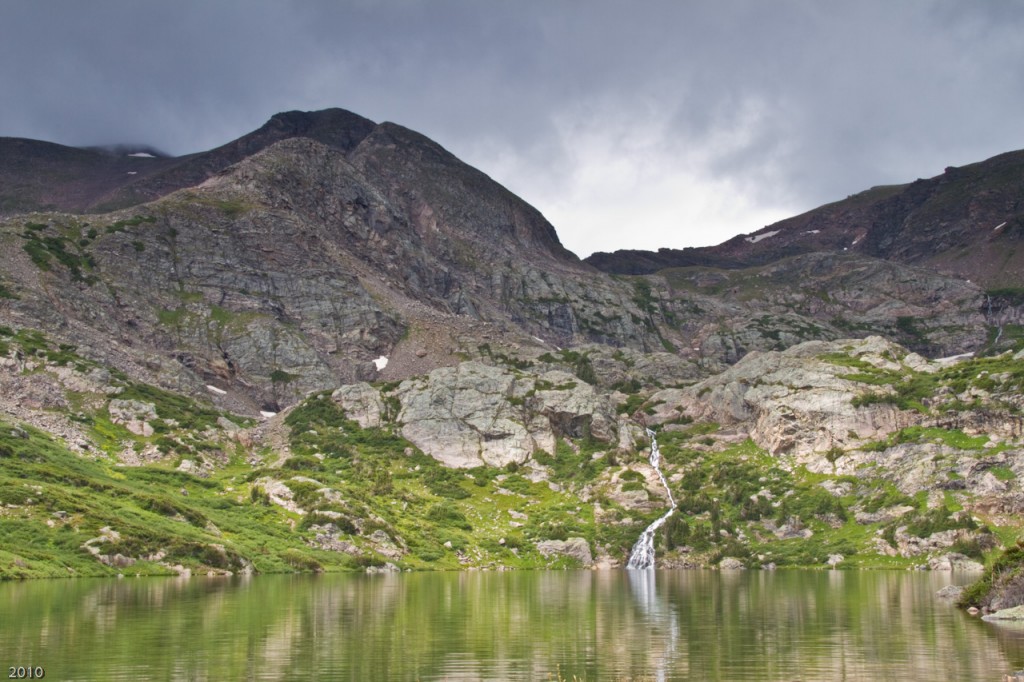
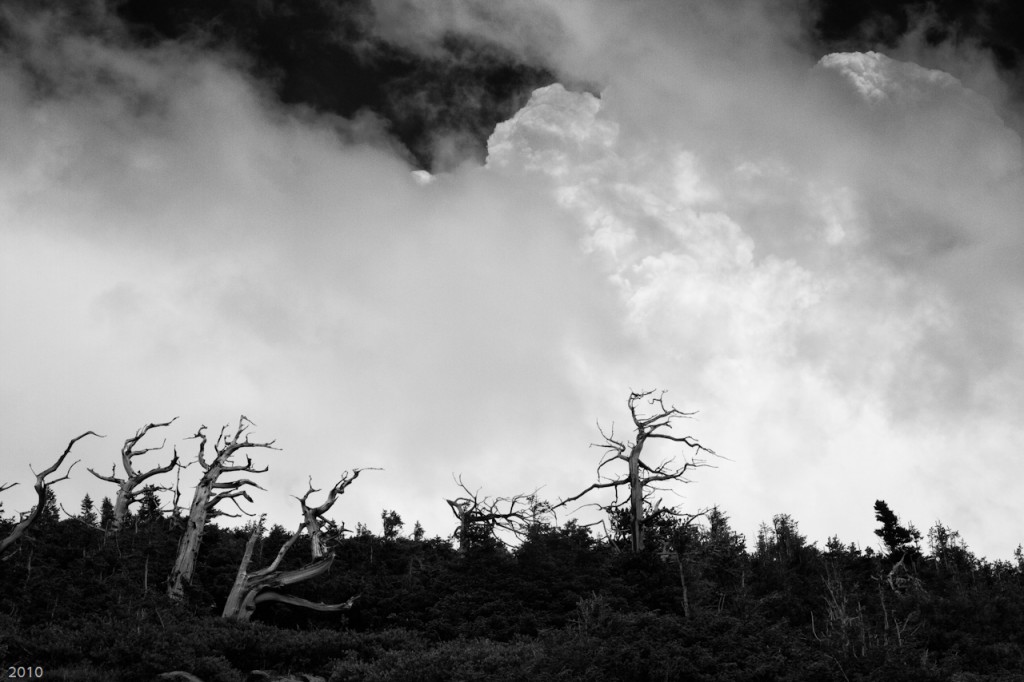
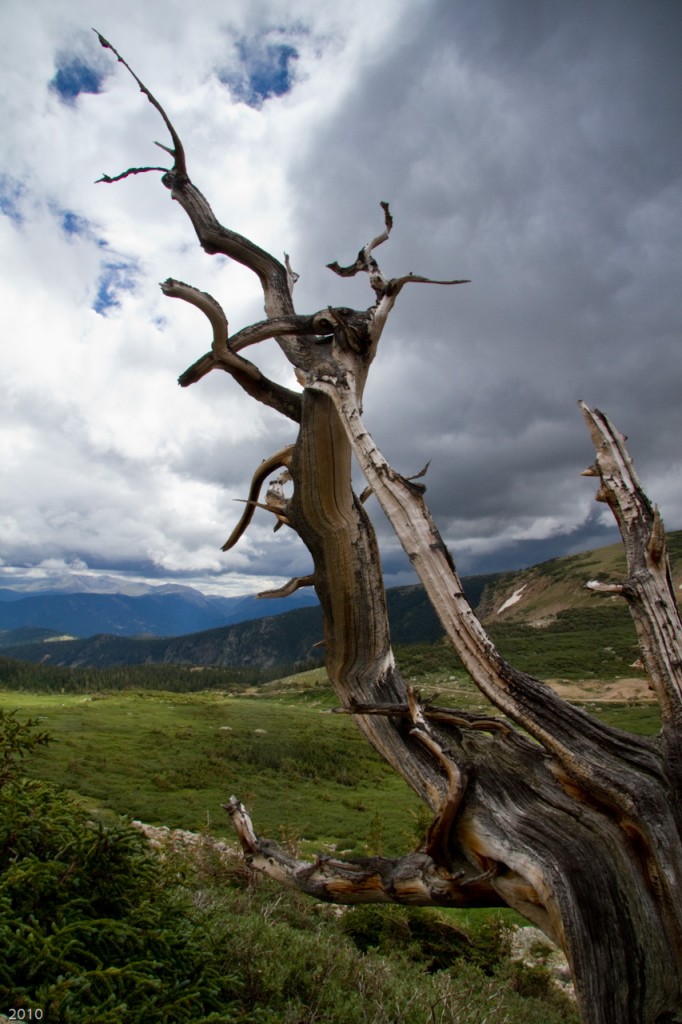
Last Monday rolled around, and I wanted to get away to give my new 7D a test run in the mountains, rather than around home. My Grandad asked me a few days before if I had ever taken any photos of the Bristlecone and Limber pines around Loch Lomond and James Peak. Loch Lomond is one of a couple lakes situated just south of James Peak; the road begins in the town of Saint Mary’s. Now, whenever Grandad suggests a location for me to photograph, I am very inclined to take his advice. When I was a kid, our family would take the old Ford Broncos up this particular four wheel drive road and camp for a night or two and hike around, and I hadn’t been there in several years. One vivid memory in particular had me standing on a very high saddle in the foggy wet weather looking down into Ice Lake, feeling like that was the edge of the earth! While the weather this time was about the same, with lighting striking the high ridges around Loch Lomond, I didn’t venture too far from the truck; mostly because I didn’t want to expose my new camera to the rain just yet. However the clouds and rain came and went in the usual fashion, allowing me a window of sunshine to go for a short walk-about and did manage to get a few clicks of the Bristlecones before the rain began to fall again. The great big puffy clouds make for great subjects coupled with such great scenery, see for yourself!
- Chinn's Lake Basin seen from Loch Lomond road.
- Wildflowers and granite.
- A few last remaining wildflowers on a slope below Loch Lomond
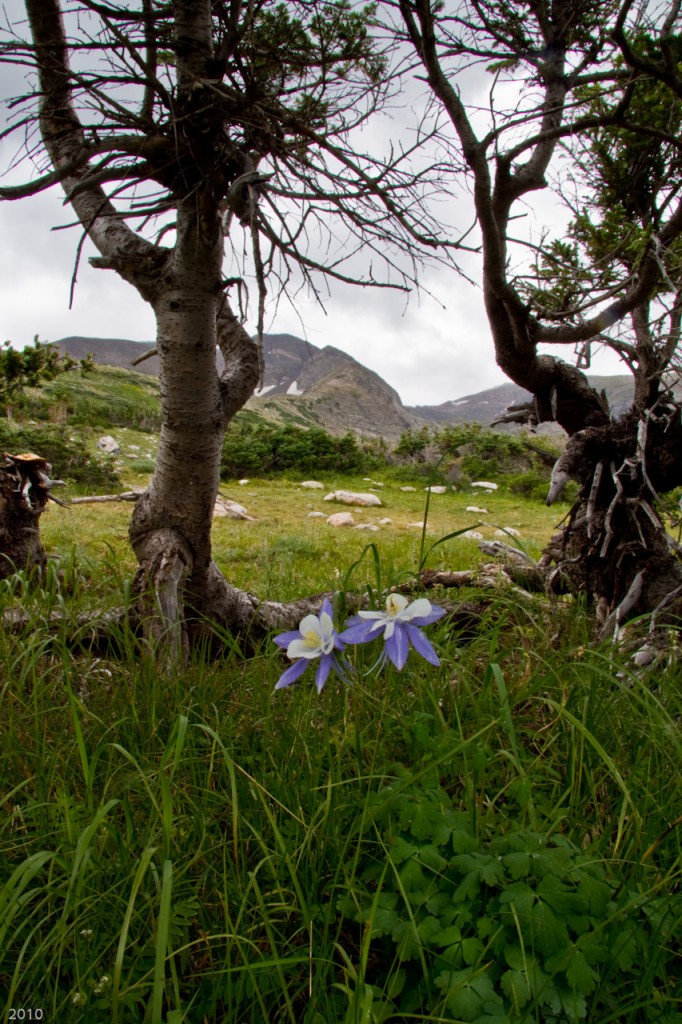
- Colorado Columbine sheltered by spruce trees below Loch Lomond
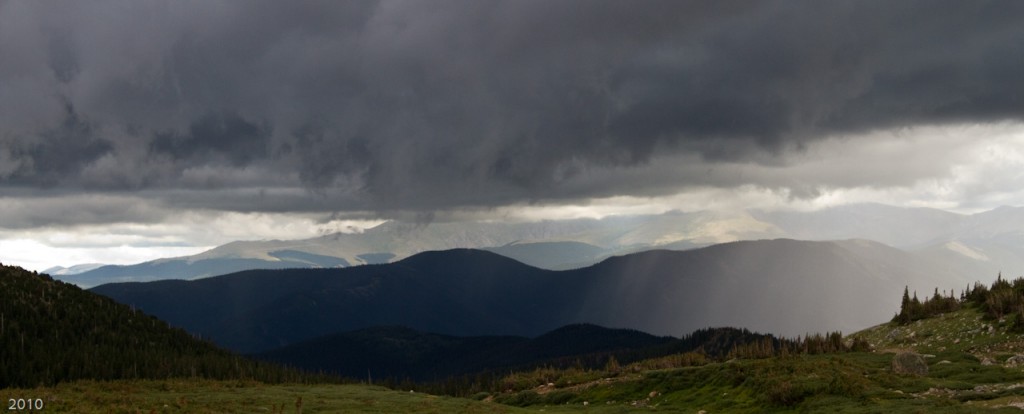
- Short thunder storm passes over Loch Lomond
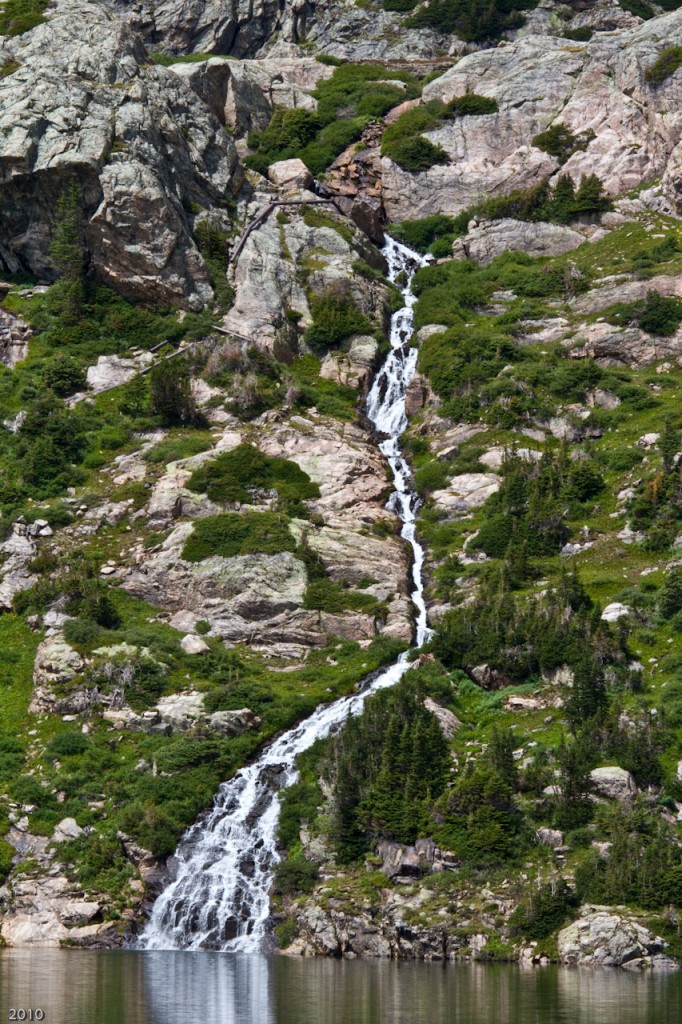
- Steep cascade of water feeds Loch Lomond from lakes above.
- Bristlecone Pine reaching to the sky.
- A stiff breeze kicks up the surface of the water of Loch Lomond
- Made a Panorama from one image; looking south from Loch Lomond
Indian Peaks – Again…
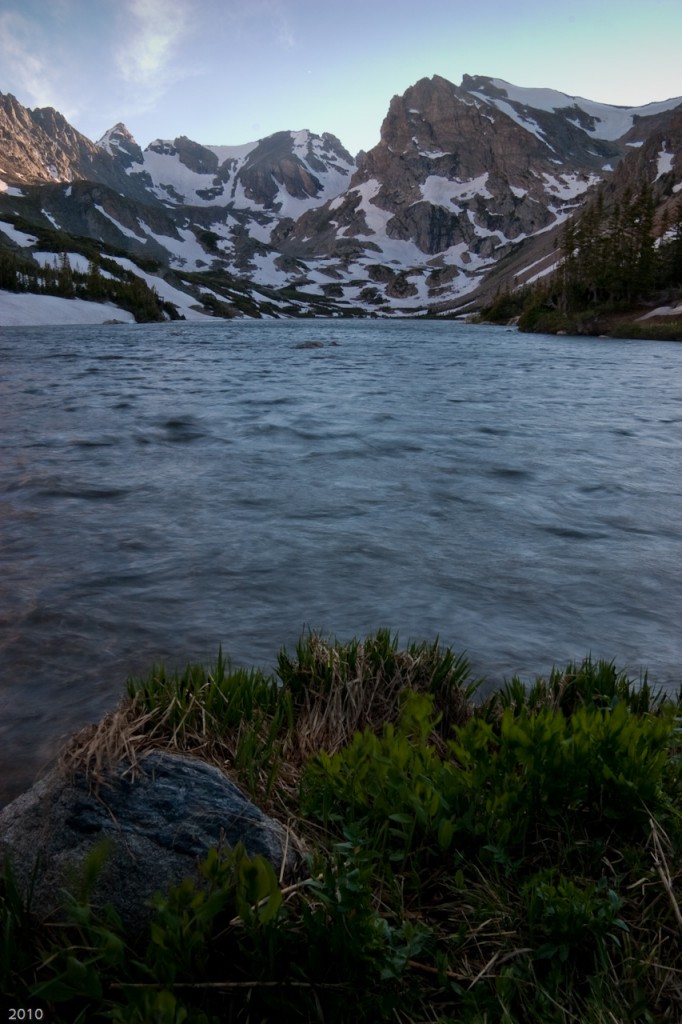
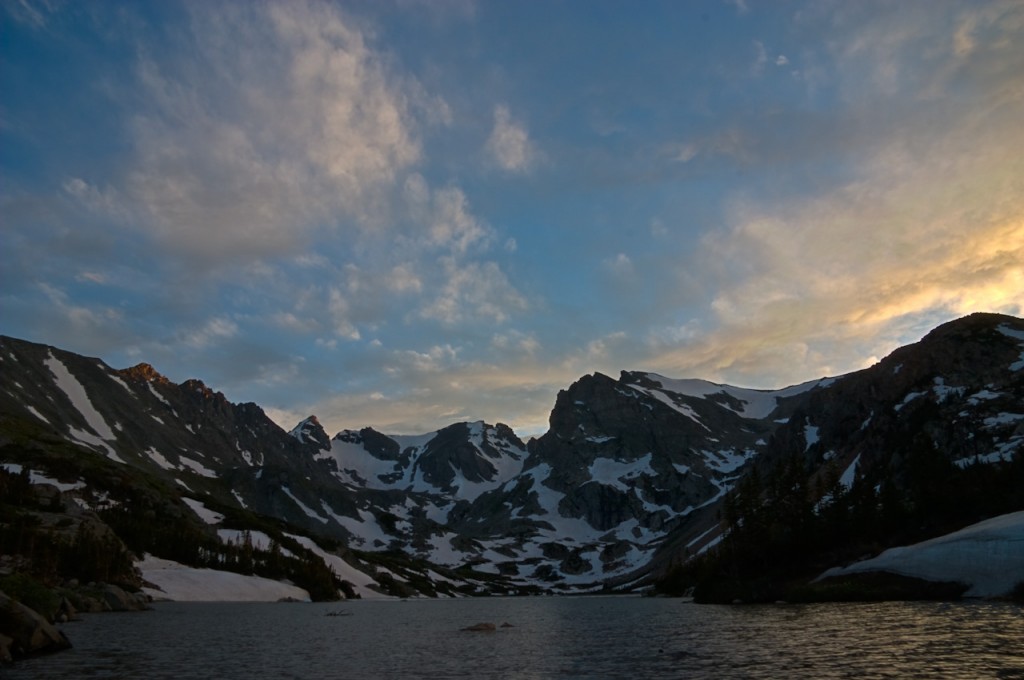
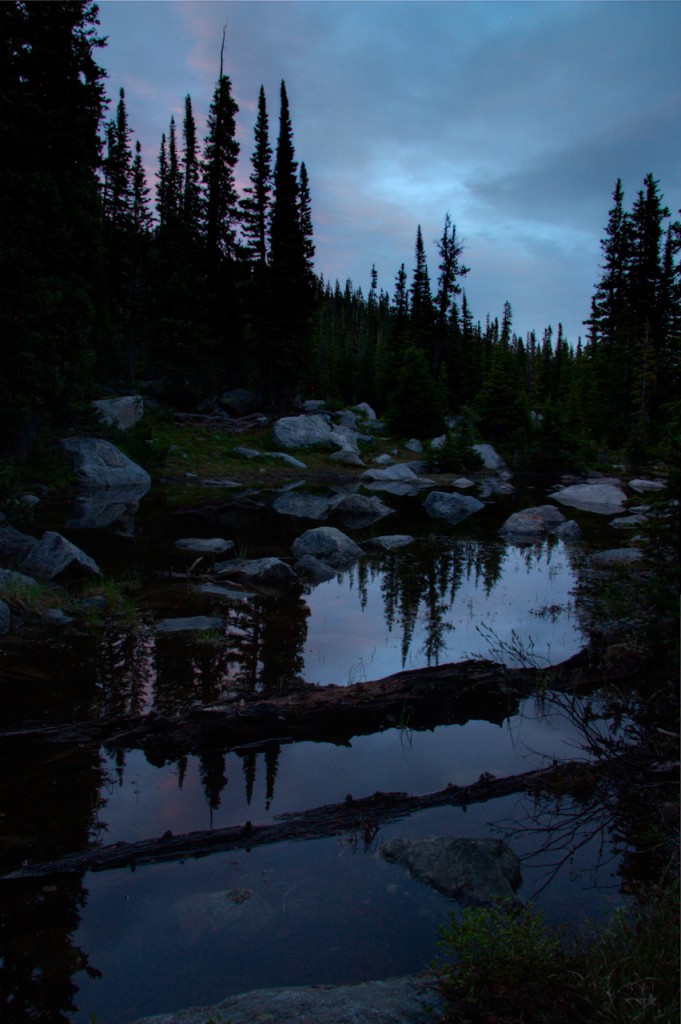
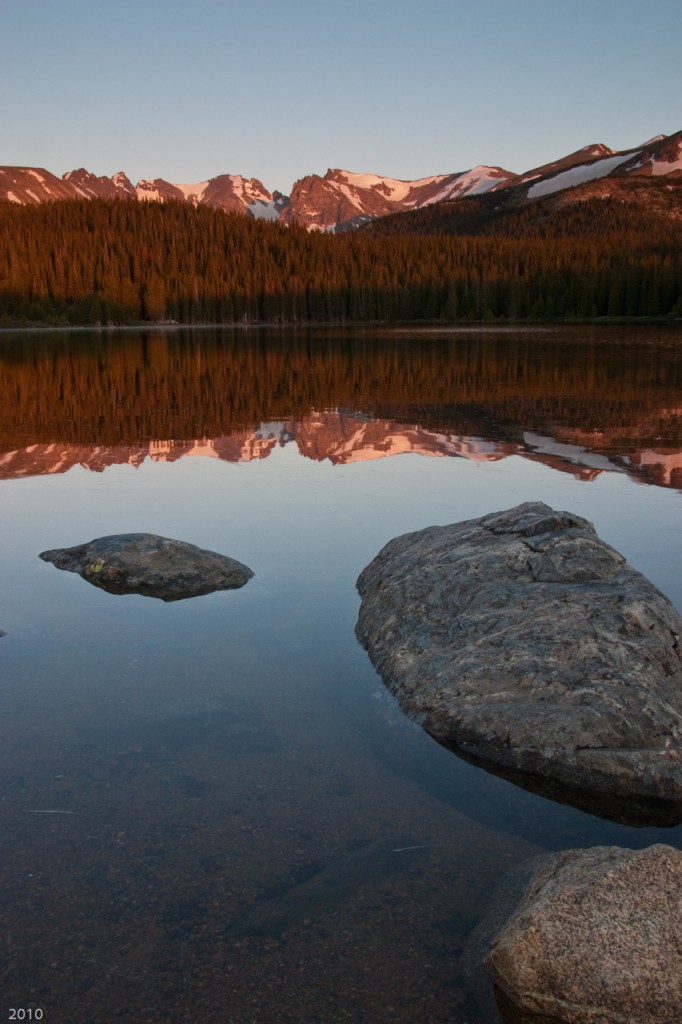
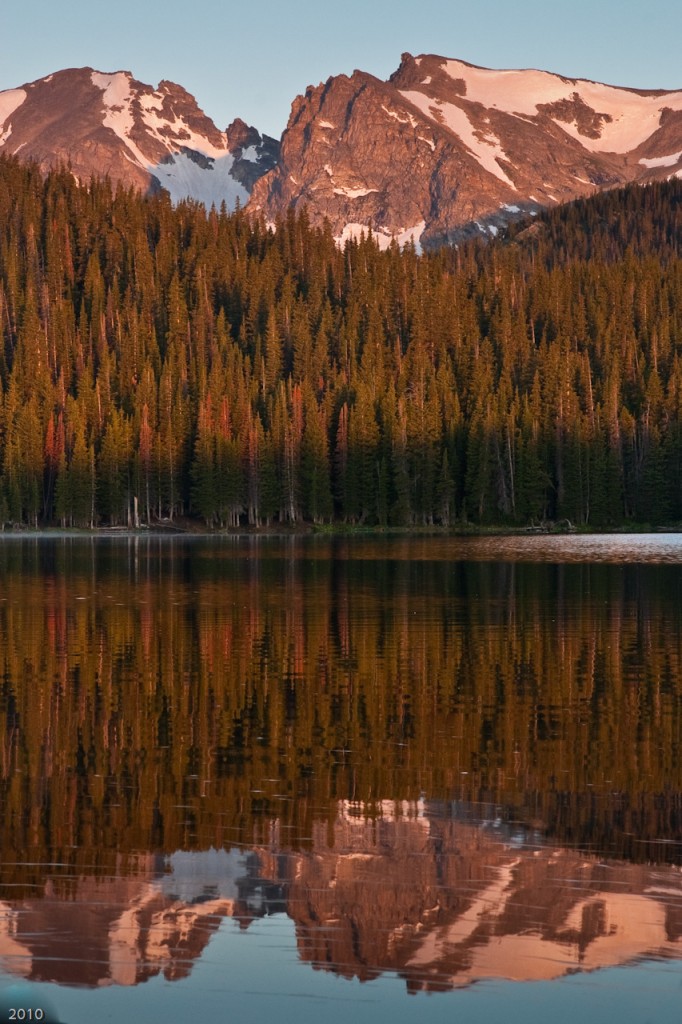
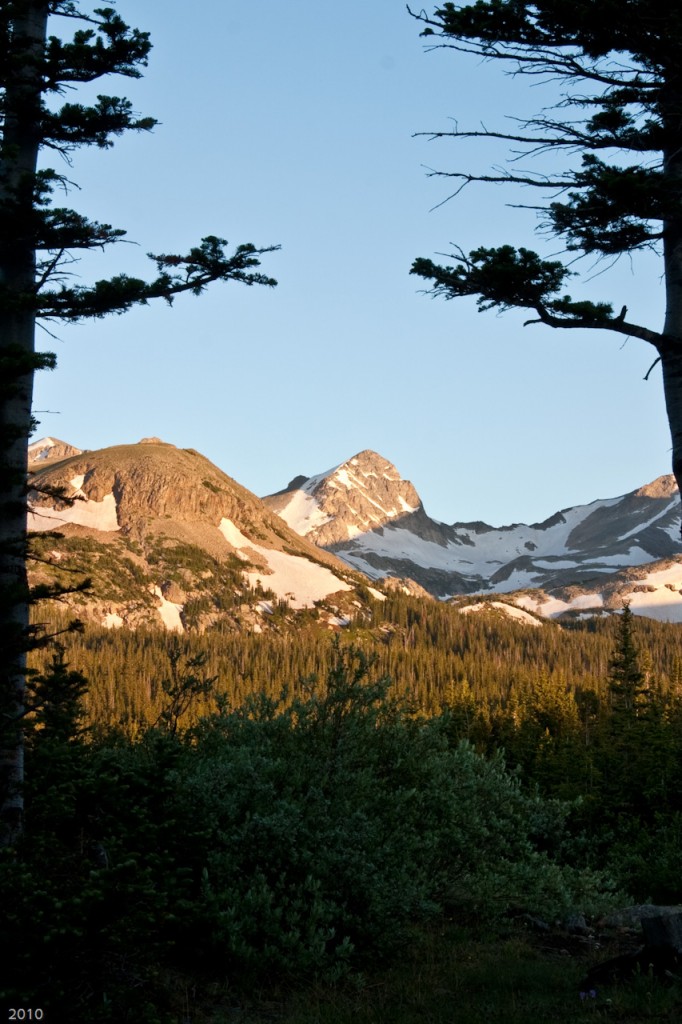
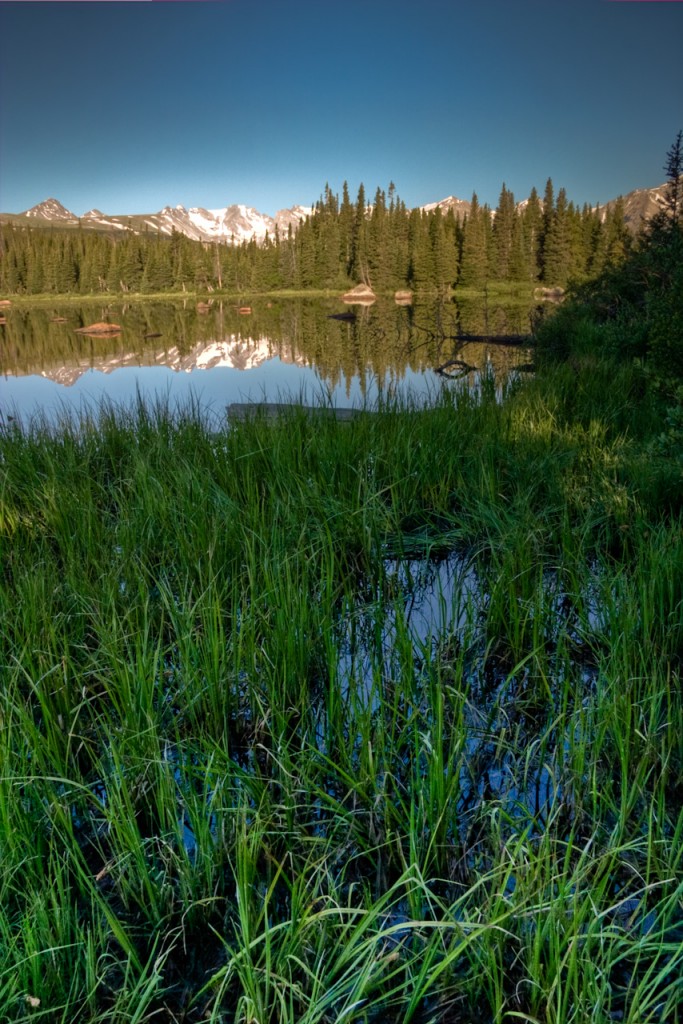
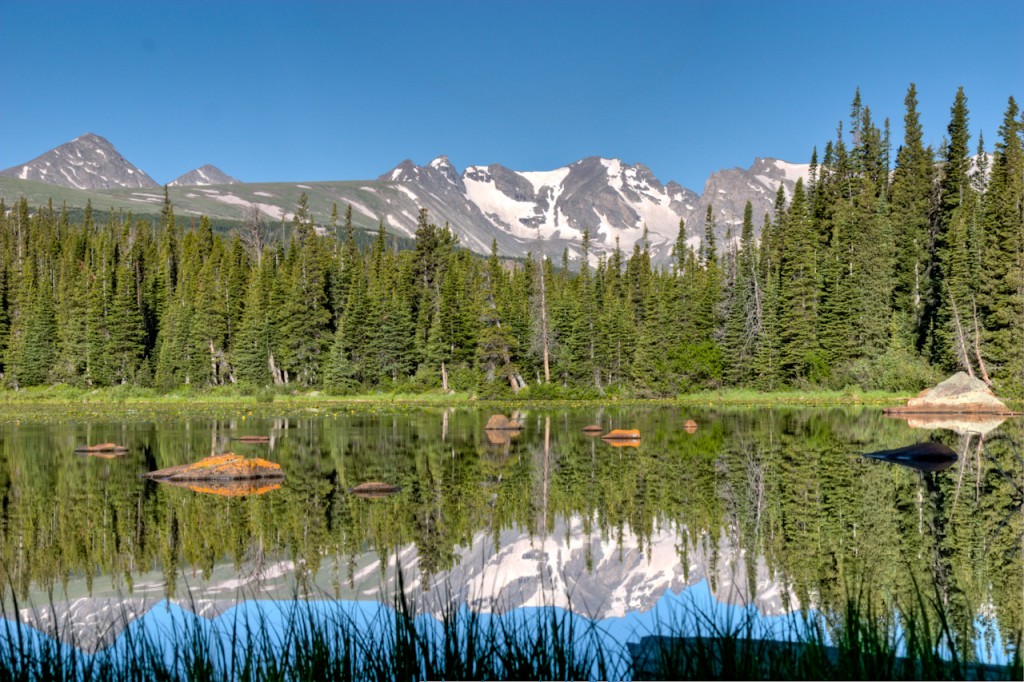
Yes, I went to the same spot again. There is something about the area that draws me to it, I don’t usually visit the same location more than two or three times, but a couple weeks ago, I couldn’t think of anywhere I rather go and camp. Best part about the Brainard Lake rec area is that it offers some of the best scenery in the state, without driving multiple hours to get there. This was my fifth visit to Isabelle Lake within a year. First the infamous “lighting strike” trip, where myself, my Mom and my Dad shared a lighting bolt backpacking our way over Pawnee Pass to Crater Lake. Second, was the 15 mile, one day marathon from the Long Lake trailhead over Pawnee Pass, and down Cascade Creek to the Monarch Lake trailhead. Third was a snowshoe to Long Lake in the Arctic cold December wind. Fourth time was a longer snowshoe trip all the way from the winter trailhead a mile below Brainard Lake to Isabelle Lake. Which brings us to June 26, two days shy of my birthday, and the opening weekend for the Pawnee Campground at Brainard Lake. Usually when I go camping, I have the truck loaded the night before, and leave the house no later than 7:00 am. This trip was a bit on the spur of the moment, so I didn’t actually leave until Saturday morning at about 9:00. I arrived at about 10:30, set up camp in the almost full campground with a nice view of Brainard Lake. After a bit of an early lunch, I headed off to Isabelle Lake, and so did everyone else in the campground; or so it seemed. Of course after seeing the place in the winter, more than five people seems like a lot! I took my time on the way, as photographers do, making the two mile hike in about two and a half hours. My intention was to spend the the afternoon and evening up at Isabelle Lake, relaxing and watching the light change, waiting for that “magic hour” when the sun sets. I sat there watching the clouds build, sprinkle a few drops, and move on. This kind of nothing-too-special afternoon weather passed a few times, until finally the clouds built too a point that said to me “you won’t want to be up here in about five minutes.” I started down, leaving behind about 15 people who didn’t get the memo from the weather gods. Sure enough I got down to the cover of the trees, and the rain began, followed by the lighting and the hail. With my plans thus changed, I went back to camp to dry out and have some dinner. After eating, the weather was once again calm, and I made the decision to head back up the hill to Isabelle for the sunset I intended to photograph. The trip back up, I wanted to get there as soon as possible, and made the hike in 45 minutes. I was thrilled to see that I was the only person at Isabelle when I arrived at 7:45 pm. While I was hoping for more color in the clouds, I was not disappointed with the results. For anyone who hasn’t hiked in the twilight hours, I can tell you that it is one of the most amazing experiences one can have. The light is there, and it isn’t, you can see, but you can’t; it’s full of contradictions. I returned to the Long Lake trailhead a bit exhausted, but hoping to get back to camp and shoot some stars, but there was a thin layer of cloud that obscured everything but the full moon. I had also intended to wake early to get back up to Isabelle for the sunrise, but decided against it when my travel alarm went off at 4:30 am, instead I shot the sunrise at Brainard Lake (a mere 100 yards from my camp). After packing up camp somewhat early, I stopped at Red Rock Lake and made some clicks in the morning sun, and slowly made my way back home, stopping off CO 72 on the way to Nederland to make some more incidental clicks of a scene that caught my eye off the side of the road. Take a look at some of the results!
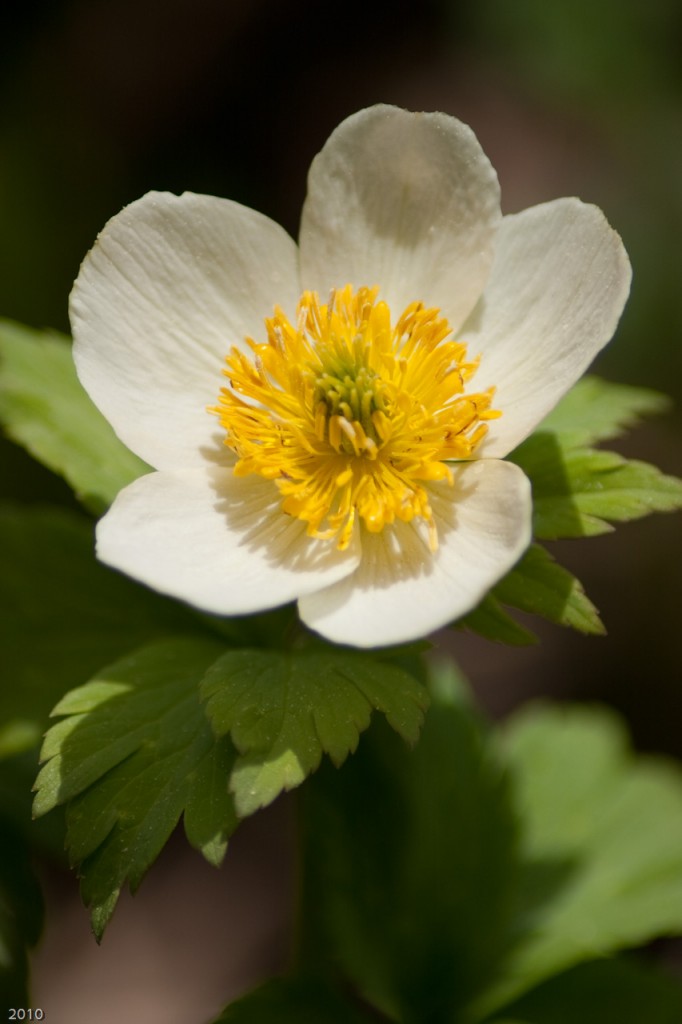
- White Globeflower
- Marsh Marigold, or Elk's Lip; named for the shape of the leaves
- Spring runoff pours over the rocks
- Runoff pours out of the east end of Lake Isabelle
- Lake Isabelle from a familiar spot. I shot from here in April
- Shoshoni Peak in the changing light
- Large ice floes lazily melting in the warm sun.
- Elk's Lip enjoying the high waters of South Saint Vrain Creek below Long Lake
- Mount Toll in the late afternoon
- Lake Isabelle in the fading evening light
- Sunset at Lake Isabelle
- Twilight in the forest
- Sunrise greeting the Indian Peaks, from Brainard Lake
- Shoshoni Peak bathed in moring light
- Mount Toll in the growing light
- Red Rock Lake
- Scattered boulders in Red Rock Lake
- Miniature Lupine
- Mountain Bluebell
- Butter Lupine
- More Butter Lupine
Chautauqua Revisited
Monday was feeling just like Monday, that is until Kasia called me with a desire to get out of the house and shoot some digital film. I couldn’t resist; it was a gorgeous day, and I was thinking to myself minutes before that I shouldn’t be wasting such a beautiful day inside. So after lunch we headed westward without much destination in mind, and we landed at Chautauqua, since most of the higher elevations received a light coat of snow the night before. Here’s what I came away with:
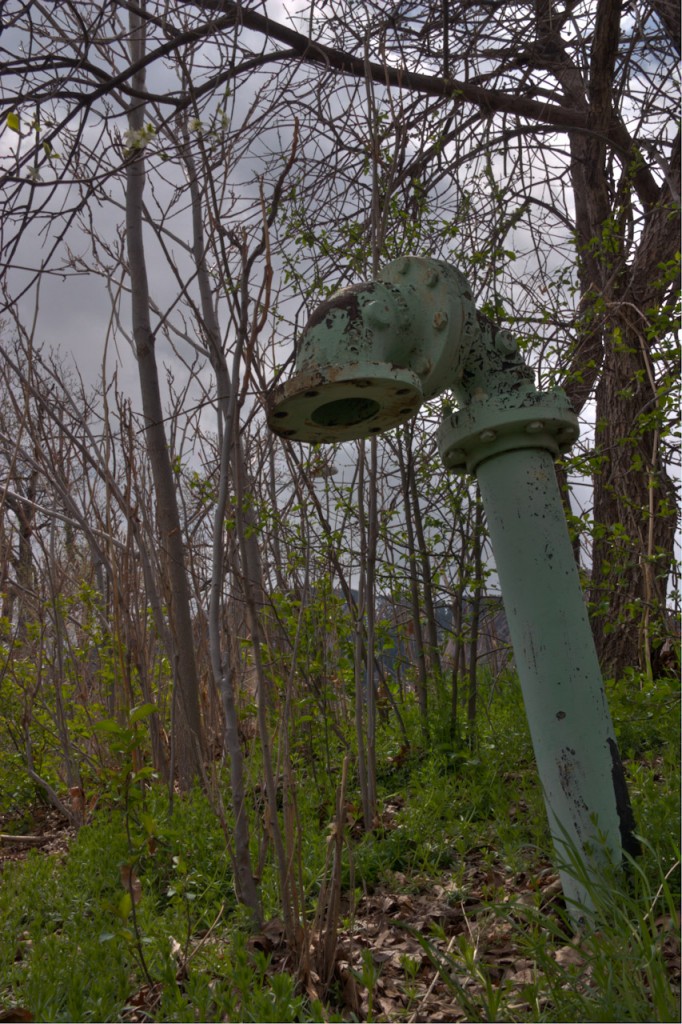
- This pipe looked a bit incongrous to the rest of the surrounding vegetaion.
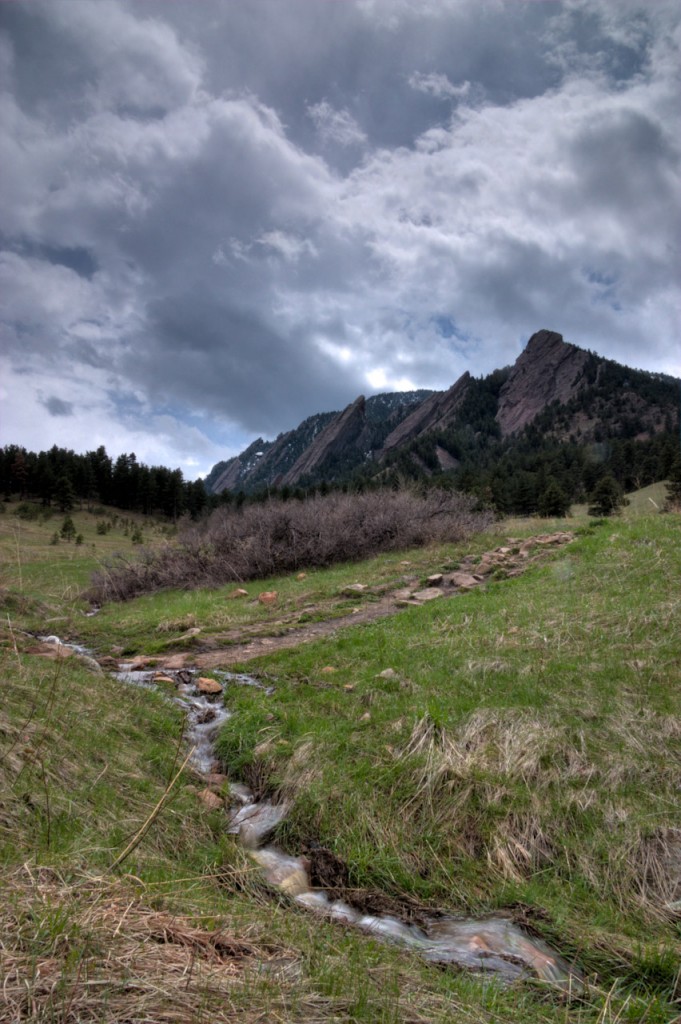
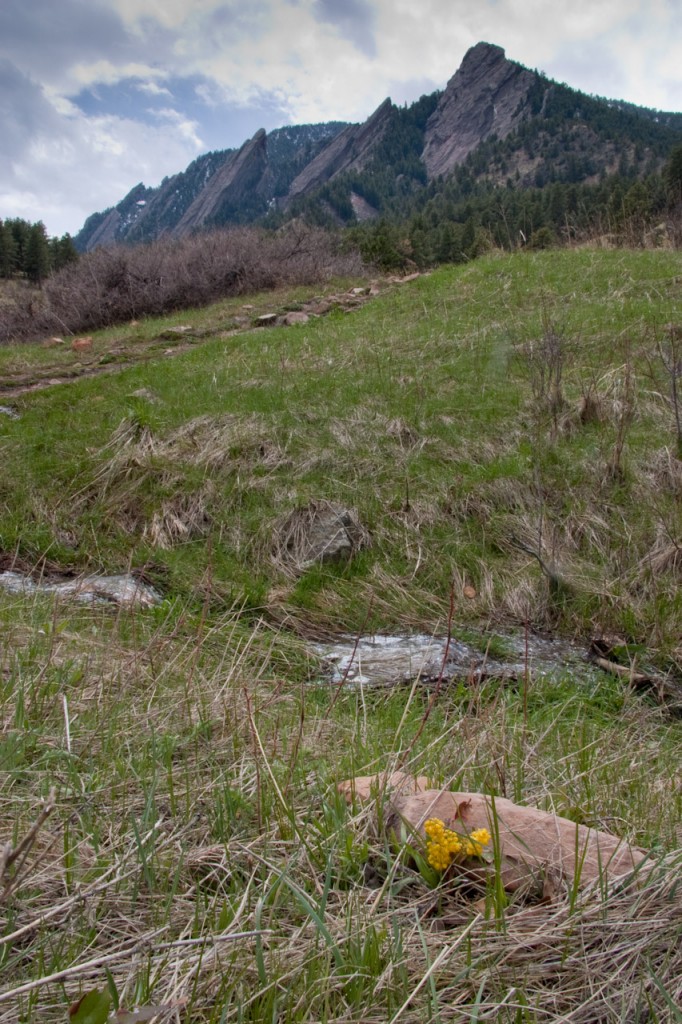
- Spring runoff in the meadow beneath the Flatirons.
- State flower of Oregon...in Colorado? Oregon Grape enjoys the fine spring day on the Front Range.
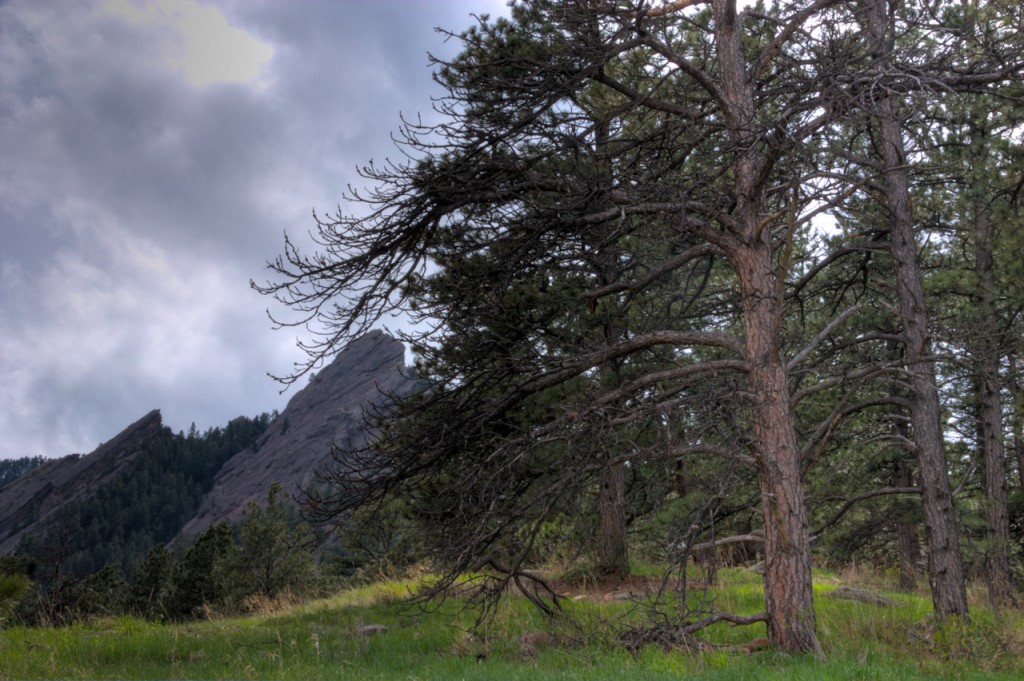
- Flatiron #1 framed by the branches.
- The tender green shoots of grass basking in the sun caught my eye.
- More spring grass growing in the warm sunlight.
- The lowering sun shines through the pines.
On A Grey Day
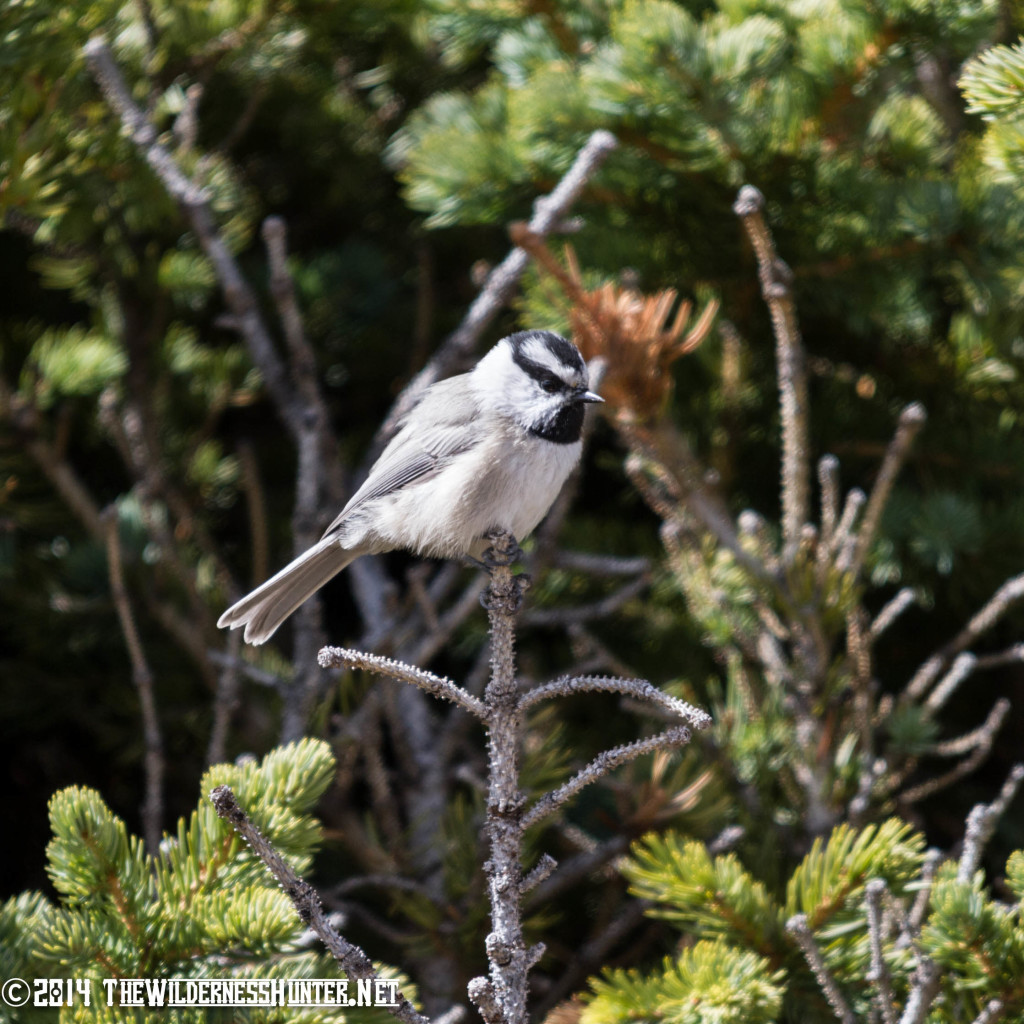
So my cousin B. Petro and I have been meaning to go out for one of those lengthy photographer hikes for some time now, and finally last Friday we made it happen. When she asked me “where should we go,” I said “Rocky Mountain National Park at sunrise!” Now watching the weather reports leading up to that day, I began to get a sinking feeling that there would be no sunrise (at least one we could see) on Friday morning. I won’t go into how most of the time weather people can’t predict the weather, especially spring weather in the Rockies, but this time they were right. We awoke at 4:00 am to partly cloudy skies that were only partly cloudy to give us a tiny glimmer of hope that the sun might shine long enough to get some of that great morning light that landscape photographers chase. As the sky lightened from dark grey to light grey, we decided not to enter RMNP, and instead stop short of entering the park. We instead made a brief stop to shoot the St. Malo Chapel on the rock in the gathering light. Unfortunately for us, Mount Meeker, the usual backdrop for the chapel, was shrouded in the low clouds. On the other hand, it made for some spectacularly moody light on the stone church. From there, we headed toward the Long’s Peak trailhead that can be accessed from near Allenspark. While Long’s is contained withing Rocky Mountain National Park, this trailhead can be accessed without entering the park itself. We took a short 1.4 mile hike to the Eugenia Mine through the somewhat hard packed snow. If you have never taken a trail hike in April in the Rockies, let me tell you that it is more work than you think. Snowshoes aren’t required if you stick to the packed trails made through the winter, but the possibility of slipping off to one side of the track and into thigh deep snow is very high, making for a bit of work, and wet socks. The Eugenia mine itself wasn’t much to speak of, making for quite an anti-climactic end to the hike. However, the low clouds made us turn our camera lenses down to the forest floor for some nice macro shots in the even light. On the return hike, we were visited by a very curious Grey Jay, also known around here as a Camp Robber, due to their tendency to snatch unattended food and flit away without a sound. We also caught a couple Grey Squirrels munching on pine cones recently uncovered by the receding snow. Back at the trailhead, we thought we would drive a bit down the road to see if there was anything of interest at Lily Lake. Just off state highway 7 between Allenspark and Estes Park, Lily Lake offers a short walk on a graded path around the lake itself, and great views of Long’s Peak (when not overcast). We were less than thrilled at the flat lighting and lack of mountain views, but we did our best with what we had to work with. Until we reached the north side of the lake, and found the forest awakened with bird life! I counted seven species of birds that we could see just standing on the path; American Robins, Mountain Chickadees, Mountain Bluebirds, Northern Flickers, Clark’s Nutcrackers, and Ravens. Too bad only one of us brought a telephoto lens, and it happened to be mine, who’s only favorable attribute is its ability to shoot closeup macro! But again we chose to make lemonade from apples, and traded said lens back and forth between us (good thing we both shoot Canon SLRs) and got a few good clicks of the Clark’s Nutcrackers flying to and fro. It was good to spend time with my cousin again, since life gets in the way of what we want to do so often. Here’s the results from the our morning out:
- The chapel at St. Malo retreat center. The black and white seemed fitting for the day.
- Water, ice, rocks, sticks...
- Forest floor in spring.
- A Grey Jay, also known as a Camp Robber
- Grey Squirrel munching on a pine cone.
- Quick little sucker!
- Another Grey Squirrel
- Alternating reds and yellows of a willow in winter.
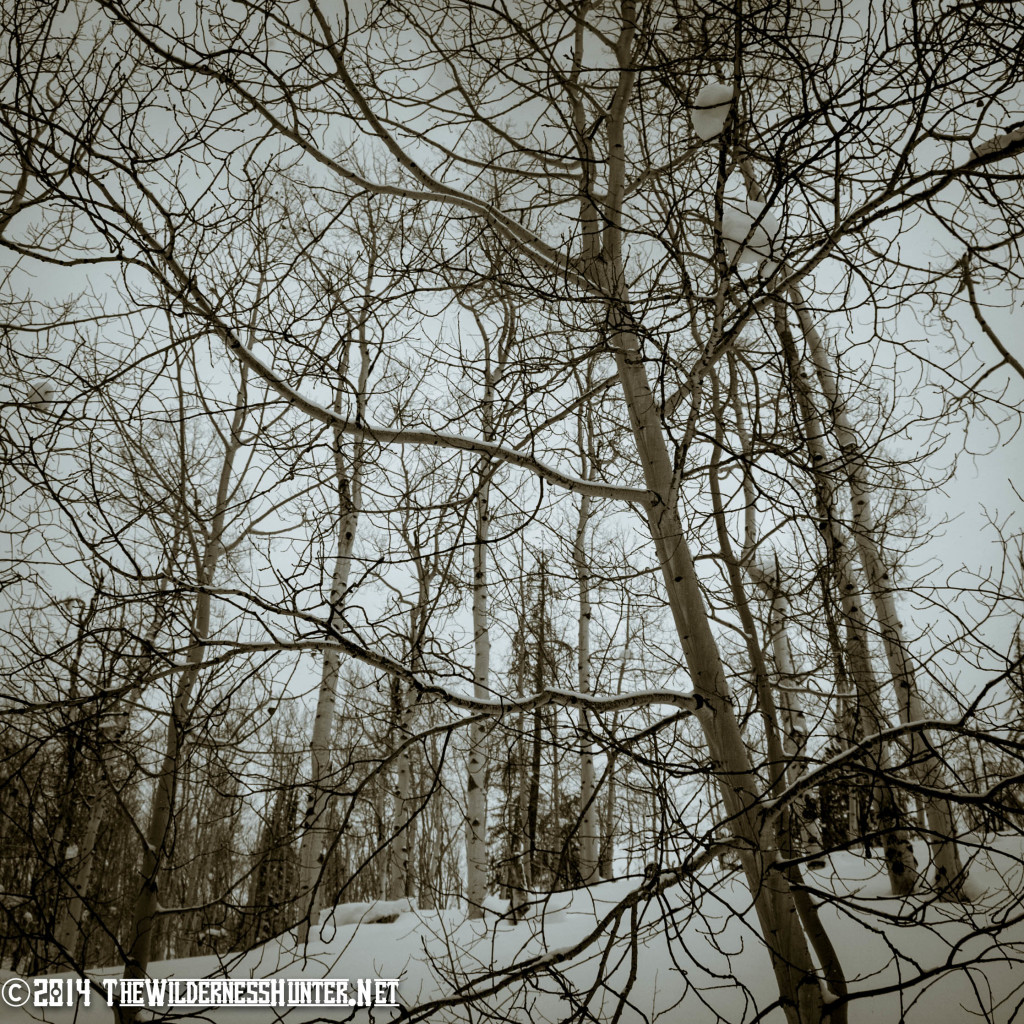
- I love Aspen trees, something about the white-gold bark, black spots, green leaves turning gold, even standing naked in winter.
- The layers of color and texture are what caught my eye.
- The smoothness of the water in this run-off pond made for some great reflections!
- Wide angle of the waking pond.
- View of the rocks north of Lily Lake.
- The striking black and white of the Clark's Nutcracker certain demand attention.
- Photographing birds in mid-flight is always challenging, escpecially when the lens focuses slower than the camera!
- Clark's Nutcraker diving to the ground to nab a tasty treat.
- One eye on me, and another on the ground.
Black and White!
I was reading a magazine recently when I came across a software product from Nik Software called Silver Efex Pro, and I couldn’t resist giving it a try. Nik produces some amazing plug-ins for Adobe Photoshop and Lightroom, but what attracted my attention to Silver Efex was my admiration of Ansel Adams (like any nature photographer) and my own experience shooting black and white film and developing it in a darkroom. As is so common with digital photography these days, the darkroom has moved to the computer. For those so called ‘purists’ that believe you are not a ‘real’ photographer if you do any kind of post-processing with your digital photos, I ask you to please give me a break. How many hours shut in a darkroom do you think Adams or any others spent dodging, burning, masking and formulating developers for both film and print? My answer is a whole lot more than it would take now with the digital darkroom. Anyway, (stepping off my soapbox) here are some of the results I have using Silver Efex. There are some amazing tools and effects that can be achieved with this tool.
- A black and white version of the shelter near Wild Irishman mine.
- You can create some amazing photos with a combination of HDR and black and white.
- Aspens, black and white, infrared
- I was extremely pleased with this result. Very Ansel Adams-like in my opinion
- The color image is great, but the monochrome creates a different feel to it altogether.
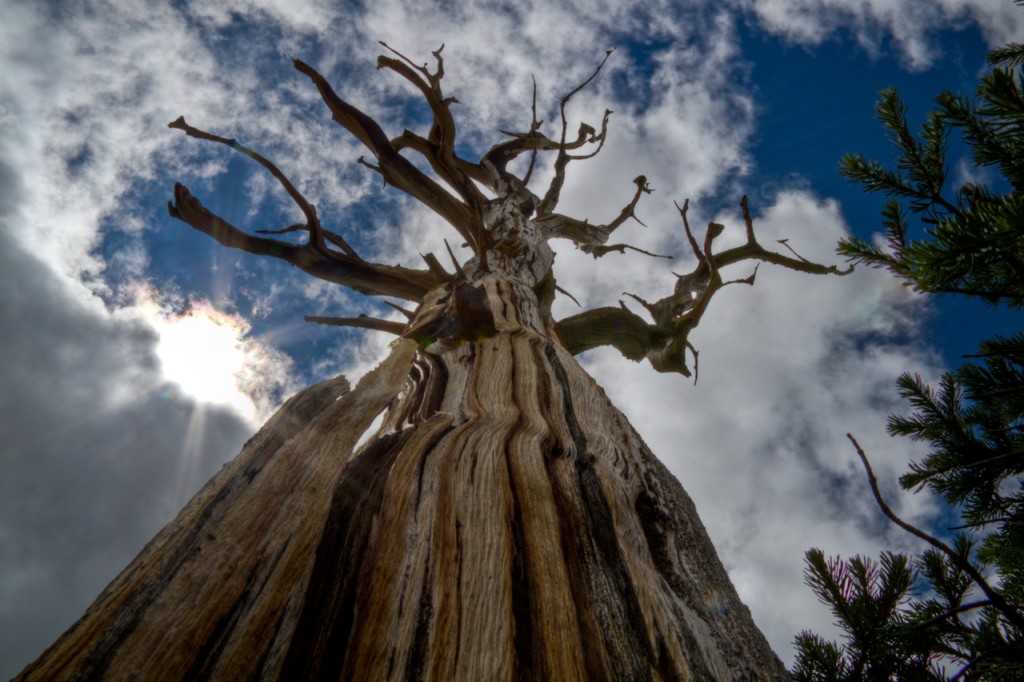
- A Bristlecone Pine near the summit of Chief Mountain.
- I call this one 'Tentacles of the Pines'
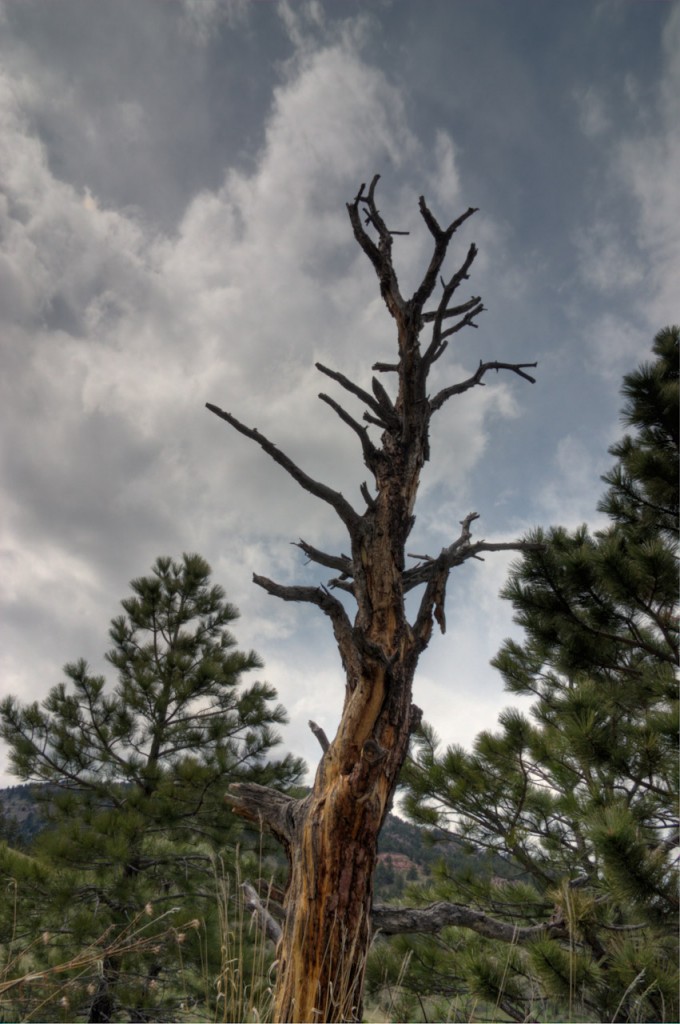
- Twisted grain of a long-dead Ponderosa pine still stands.
- I tried a few things with this self-portrait. I applied a 'blue filter' to the photo in Silver Efex.
- This version used the 'Antique Plate' preset in Silver Efex along with an orange filter, and the 'burn edges' effect.
- A silver of the Saints John cabin.
- The second 'Antique Plate' preset in Sivler Efex.
- Foggy day at the Commons open space, used a little bit of the sepia color tone to warm up an otherwise cold day.
Saints John Snowshoeing
I’ve been feeling the cabin fever quite severely in recent days, so I decided to get the hell out of the house and go snowshoeing again. This time I basically opened my snowshoeing guide-book to a page, pointed to a trail and went there. The trail to Saints John is a short trip, but a grueling one. Steep and steady, it took me two and a half hours to climb 1140 feet in 2.25 miles, and half that time coming back. As soon as I started the snow began to fly, which didn’t bother me too much since I was out to be in the snow. Malie (my dog) loves the snow, and I only wish I had as much energy and stamina as she does! We reached timberline, and the wind was picking up, so we stopped so I could take a few shots of the snow-clad forest and enjoy the quiet solitude. My reverie was broken by the sound of a pair of snowmobiles heading up the trail. You can read more about it on my examiner.com page. While examiner.com is more of a journalistic approach, what I post here is more about the photography, and the being in the wilderness.
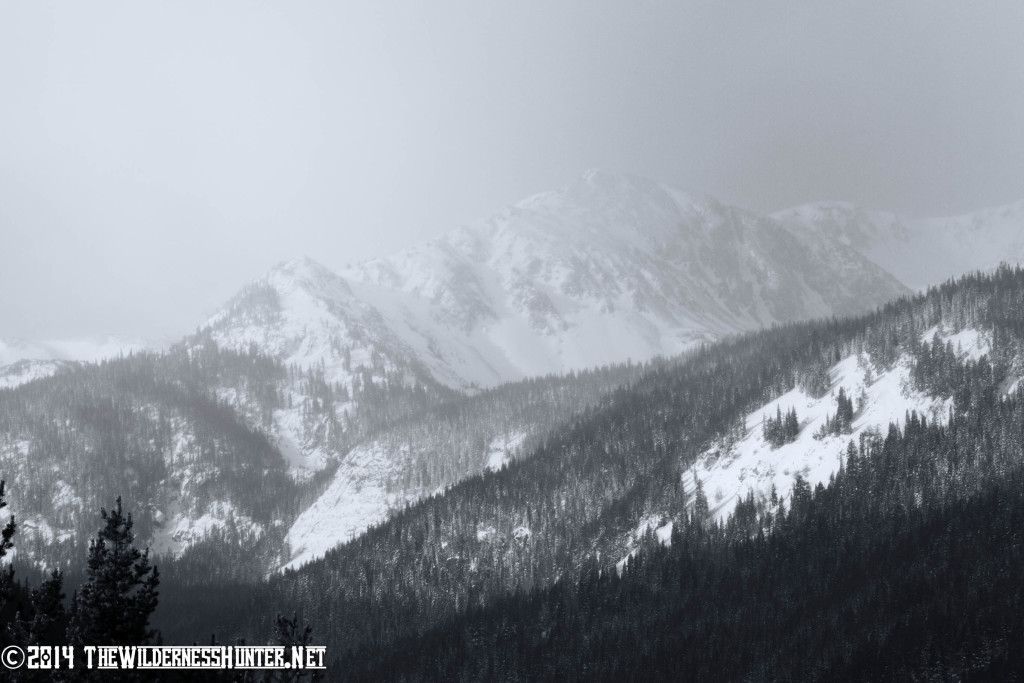
- Looking southeast from Loveland Pass
- Bear Mountain, west of Saints John
- These trees must have withstood and avalanche some years ago.
- One of the remaining cabins in Saints John, still in use today.
- Tip-top Peak (left) and Morgan Peak (right) of Collier Mountain
- Malie looking around.
- Snowcapped granite
- Snow Dog! She's awesome on a hike.
- Old Shelter
Indian Peaks December
I woke up one morning last week disgusted with the fact that I haven’t really been outside of a city block in almost four days. I know, yuck. So I headed off before sunrise to catch some of the great winter morning light on the front range, which I missed by about 10 seconds, also the fact that there were some clouds hanging out over the eastern horizon limited the light to about 45 seconds total! Brushing that off, Malie and I headed west toward Brainard Lake, thinking about what that area looks like in the winter, and I was not disappointed. The road from Ward up to Brainard has a winter closure gate about a mile and a half from the lake itself. From that gate, there are a couple snowshoe trails and a nordic-ski-only trail up to Brainard Lake, and the nordic ski trail continues on up another two miles from there to Lake Isabelle. It was easier to just walk up the road where there wasn’t enough snow to require the snowshoes, and I could avoid the other people as well, since I was in need of some alone-in-the-wilderness time. I reached Brainard Lake in about forty five minutes and was continuing on to the Long Lake trailhead when I spotted what I thought were a cow and bull moose browsing in the willows on the south side of the lake. Not expecting to see much wild life at all, I left my 70-300 lens in the truck, arming my self with only my 18-200. After watching the moose for a while through a measly 200mm, I could see that I wasn’t looking at a cow and bull, but three very large bulls! All of them quite mature, with their great palmated antlers stretching at least sixty inches in width. The wind biting at any exposed skin forced me to move back from the lake shore, into the trees, and on to Long Lake. After another mile and a half, I reached the trailhead to Long Lake. The last time I was at this particular trailhead, my close family and I were beginning the fifteen mile, one-way journey to Monarch Lake, a smaller tail-lake of the enormous Lake Grandby. Here are the images from that journey. The short quarter-mile trip to Long Lake was the only section that required showshoes. I was completely amazed that no one else had broken a trail in the snow from there, it brought to life again my inner explorer to know that I was the first one to tread here for some time. Although it was a nice sunny day in the upper forties down in the city, the wind up at ten thousand feet dropped the temperature below the zero mark. The extremely strong winds prevented me from staying as long as I wanted to. All said, it was a good day outside, with some good photographic results:
- My snow dog.
- Apache Peak (L) and Shoshoni Peak(R)
- From left; Pawnee Peak, Little Pawnee Peak, Mount Toll, Paiute Peak, and Mount Audubon
- Three LARGE bull moose.
- Navajo and Apache Peaks in the clouds
- View from Long Lake.
Flatirons
Okay, so it was too damn cloudy get a good shot of the Flatirons from Chautauqua, so I hiked up to the base of Flatiron #1, which is the northernmost one. I set out from home expecting the clouds to break about 10 am, bathing the Flatirons in a nice light. My luck, the clouds never broke, and it just got colder and snowier. Which isn’t a bad thing, I have a philosophy about photography and weather; some of the most dramatic photos come from the worst weather. Here are some of the results.
- Pines and granite against a lowering sky
- Early season snow
- Snow clad pine
- Can you see the forest for the trees?
- Fallen
- Frost clad spruce needles
- Tangle
- Dreamlike
- At the root of Flatiron #1
- Touching the clouds
Season’s Change
Once again, fall in Colorado has shown how very bi-polar it can be. One day the temperature can be in the upper sixties, and the next day can be thirties and snowing. These images demonstrate that, since they were taken on two successive days in early October. For me, one of the things that heralds the arrival of fall is when the Canadians invade (geese that is), so I took the telephoto lens and shot some waterfowl, Mallards and Canadian Geese.
- Cold Front Range morning
- A group of yound Mallard drakes
- Mallard duck hen
- More Mallard hens
- Cottonwood color
- Canadians have landed!
- That water has got to be cold
- 34 degrees is probably warm for these guys
- Mallard hen and drake
- Cotton-like frost
Fall Colors Pt. 2, Around Home
One doesn’t always have to drive a long way to catch fall time colors. These were taken within a mile of my house! Granted, I am fortunate enough to live half a block from Broomfield open space.

Open Space

Malie enjoying the long grass

I call Cottonwoods 'low altitude Aspens'

Sunflower basking the the light

Backyard Aspen leaf turning
Fall Colors Pt. 1
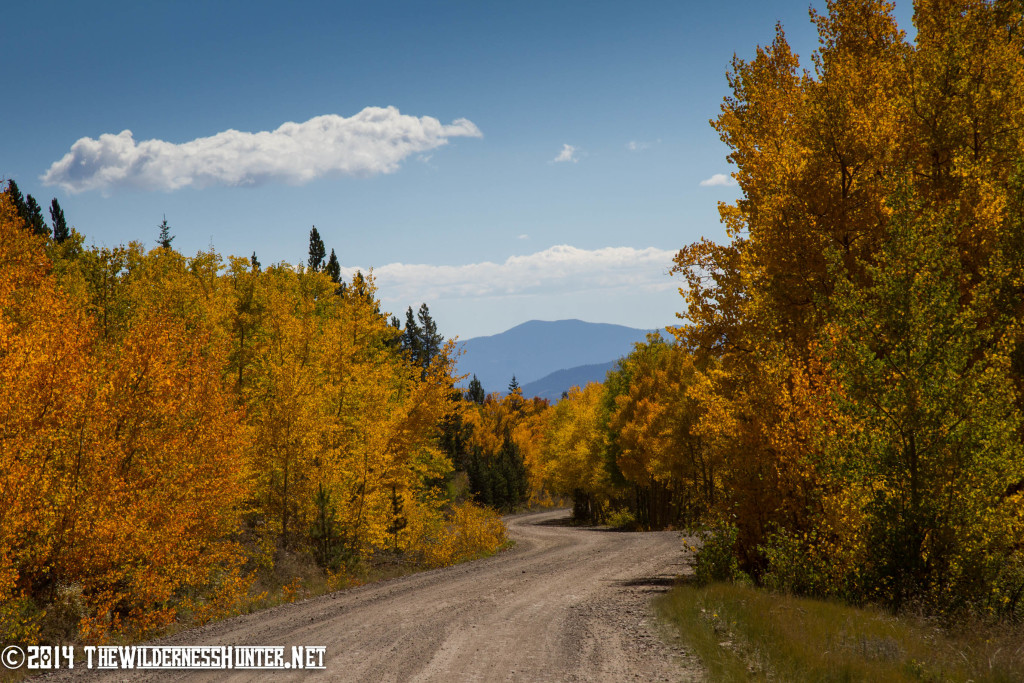
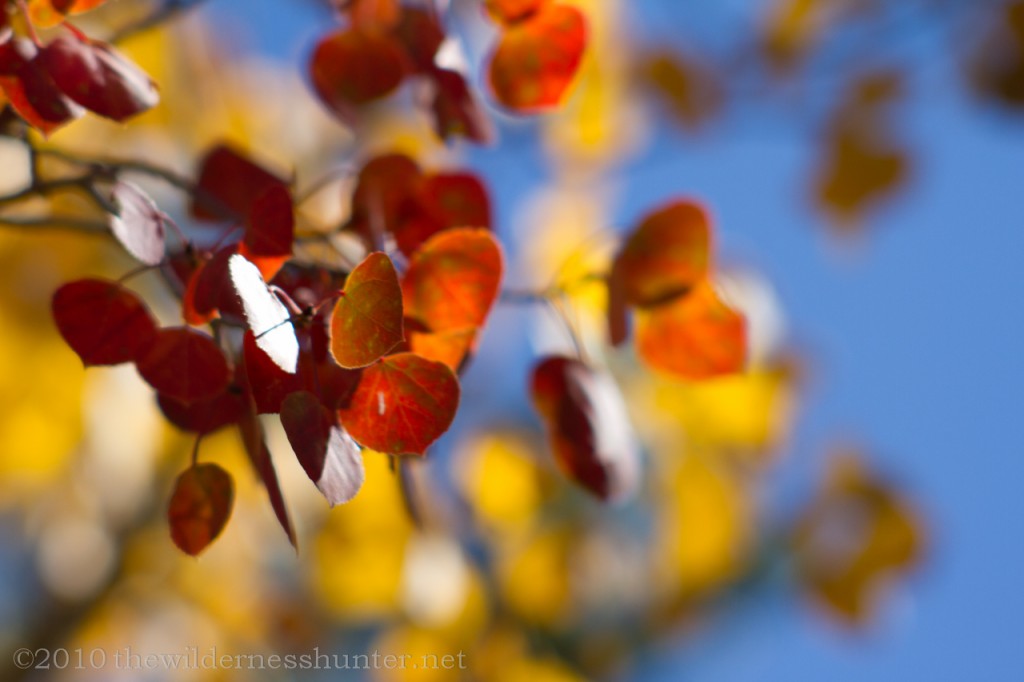
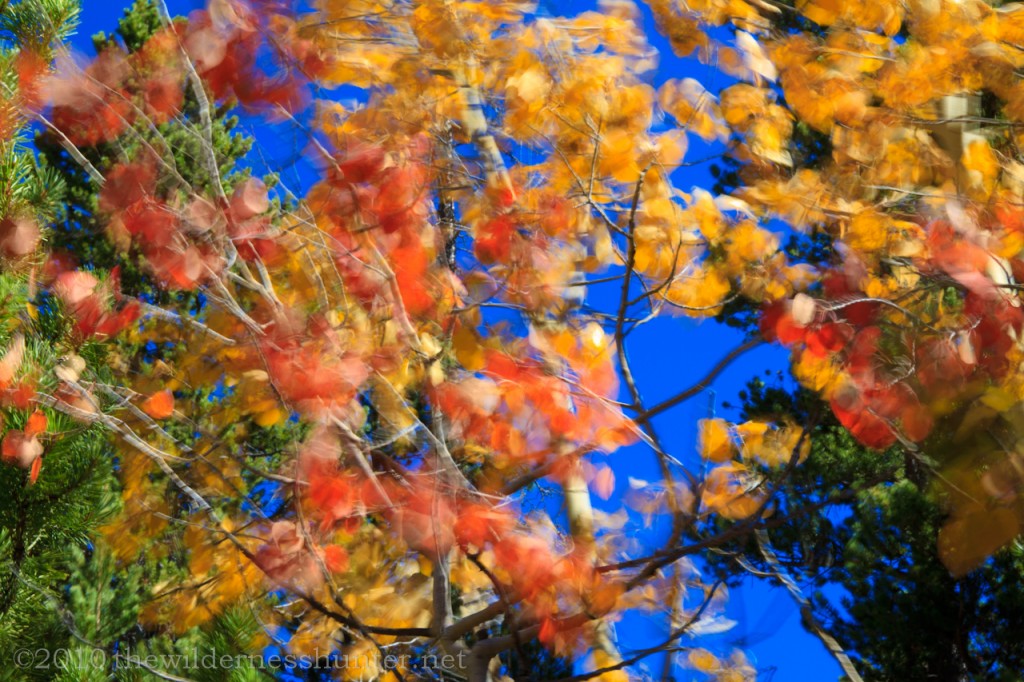
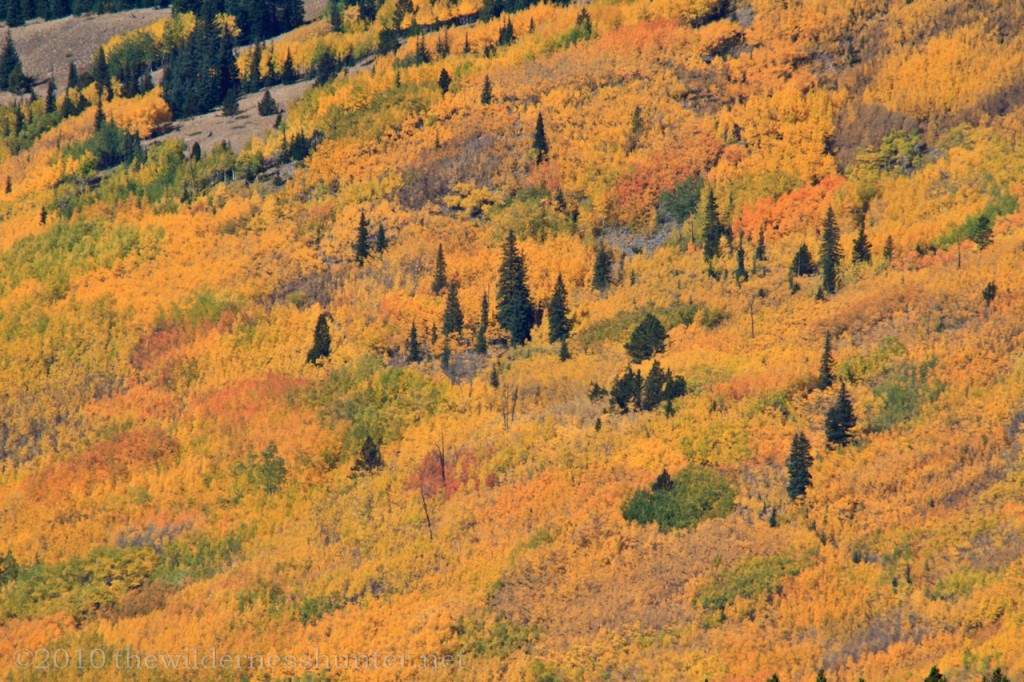
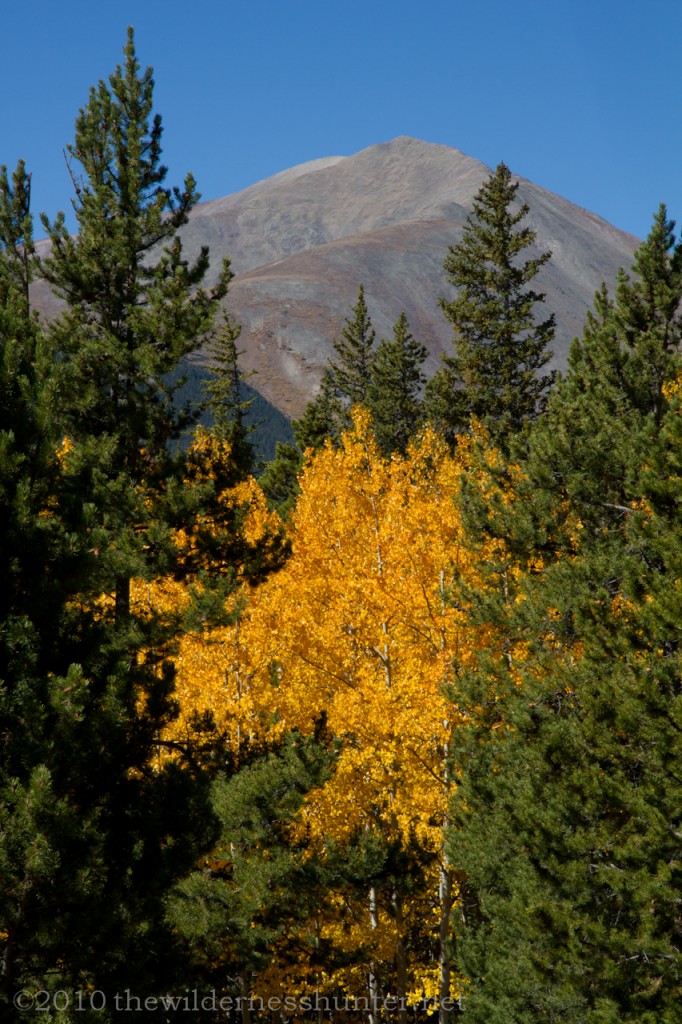
I absolutely love autumn in Colorado, the sunlight is different than summer; more vibrant, the shadows deeper and longer, not to mention all the foliage turning from green to blazing oranges, yellows and reds. Here are a couple shots from the Winter Park area.

Parry Peak

Forest floor in the autumn light

Aspens standing the morning light

Fallen Aspen leaf

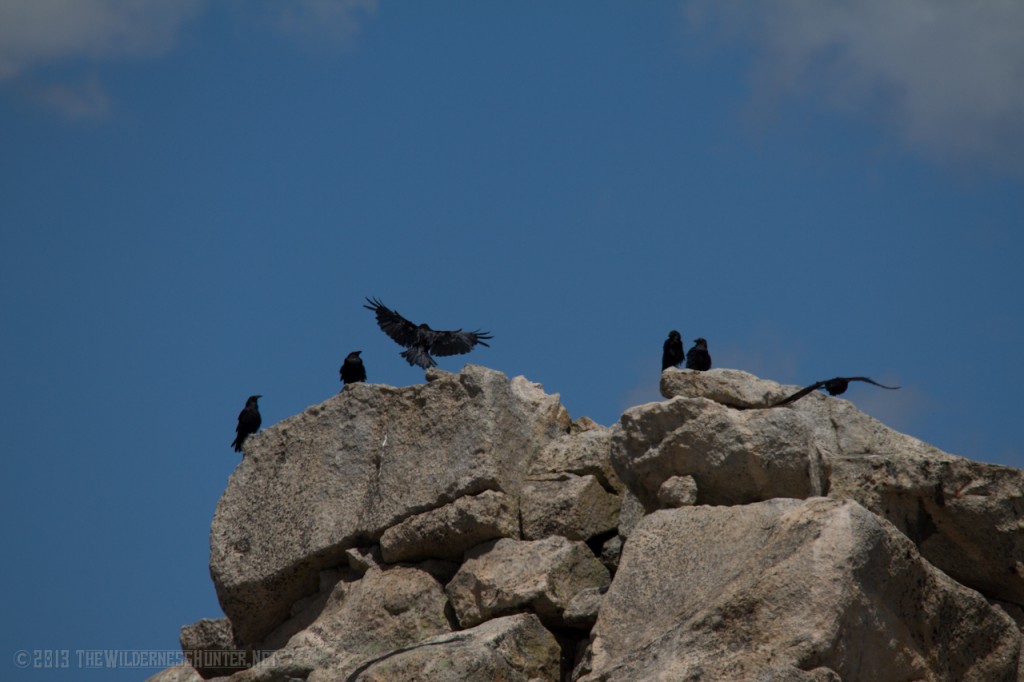
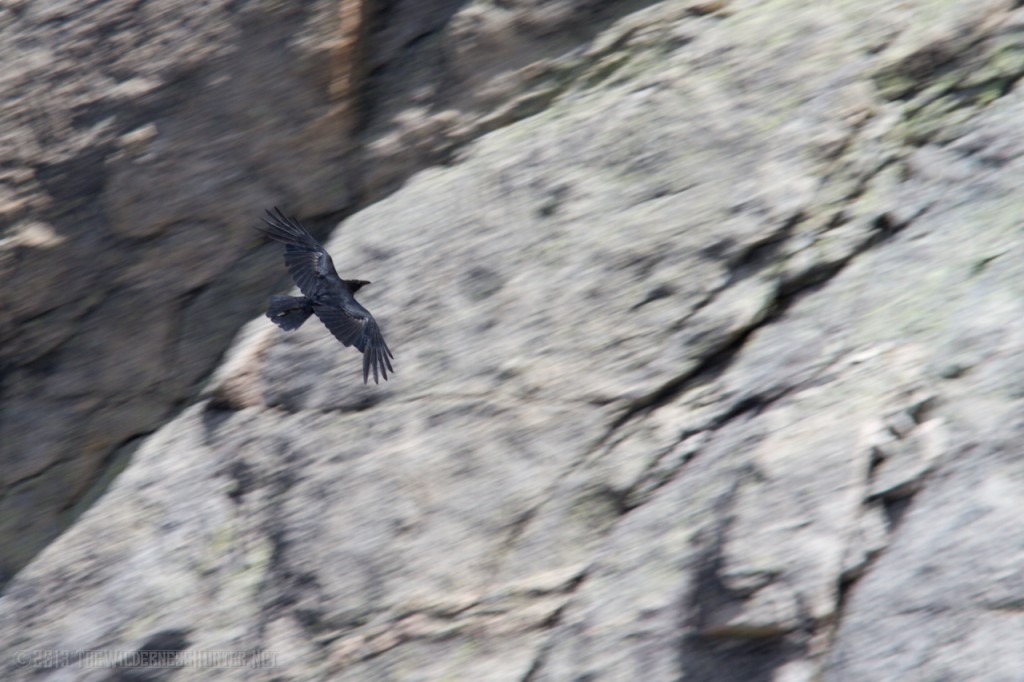
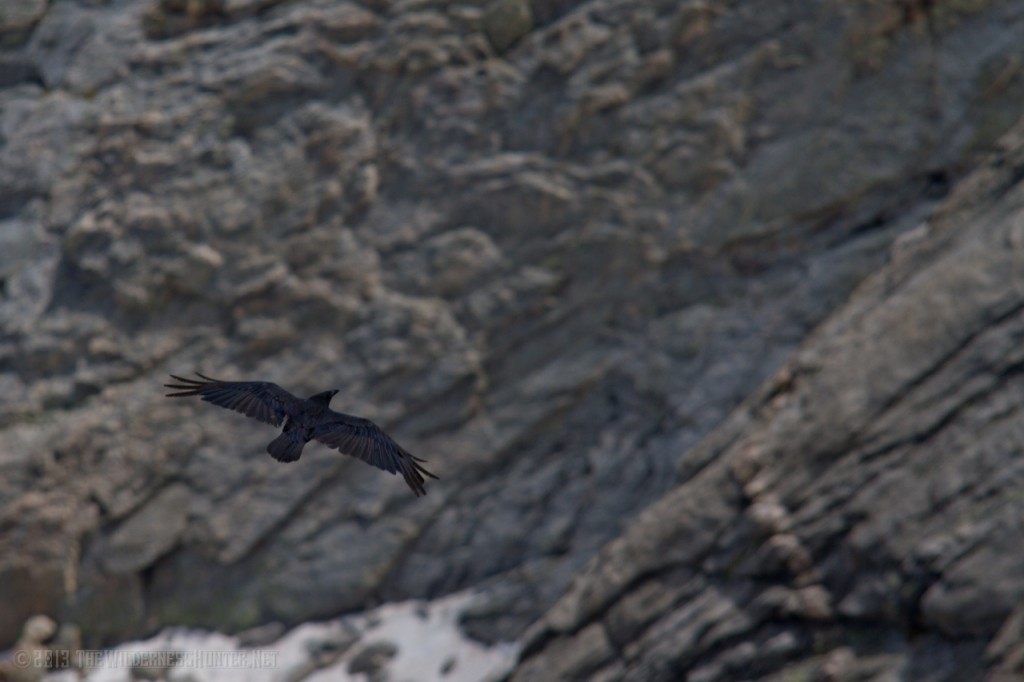
Ravens

Byers Peak from Fraser

Gorgeous autumn afternoon

Mount Eva (left) and Witter Peak (right)
Pawnee Pass, part deux
After the failed backpacking trip, and the lightning strike and everything, we decided to try and do the whole trip in one day rather than three. Was this a good idea? Probably not, considering that the 15 miles from Long Lake trailhead near Ward CO to Monarch Lake trailhead at Lake Granby. Regardless, we did it and I came away with very sore knees, back and legs, not to mention 535 photos. I wanted to make the trip primarily to shoot Lone Eagle Peak. My grandad visited this place in the ’60′s, and his description of the beauty was more than enough to motivate me to make the trek. What started out as a solo, three day backpack trip, wound up a six person, one day trek. Enjoyable nonetheless. Here are a select few shots…
-
- Shoshoni Peak in the distance
- Rugged Rockies
- South St. Vrain Creek running out of Long Lake
- Man in the shadows (my Dad)
- Navajo Peak from above Lake Isabelle
- Our refuge from lighting on the last trip
- Alpine flora
- The whole gang at the summit of Pawnee Pass
- Me and my lovely wife on the summit of Pawnee Pass
- One of many falls on Cascade Creek
- Curious Moose
- Changing Aspens already?
- Cascade Falls
- Lone Eagle Peak
- Shoshoni Peak in the distance
Columbine

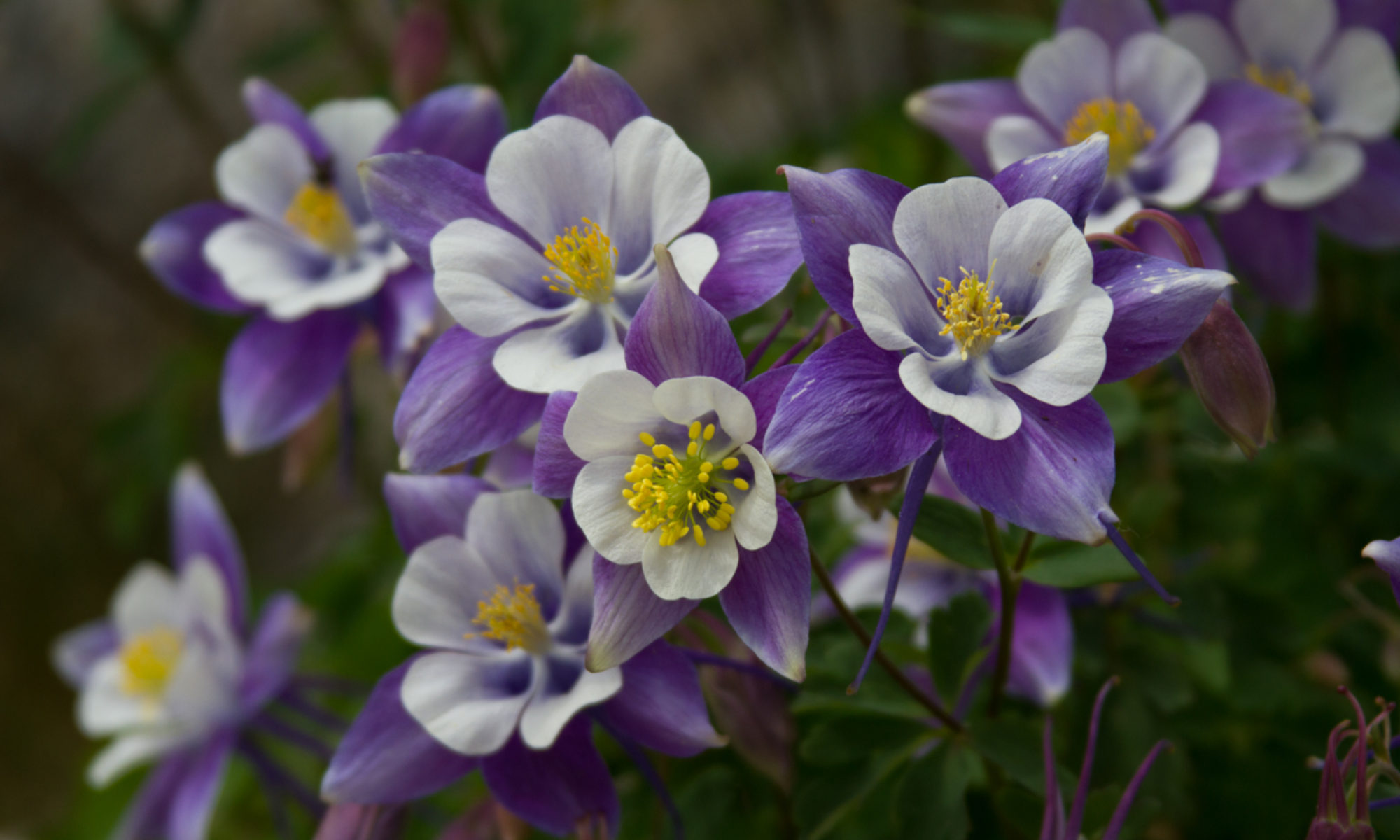
Rocky Mountain Columbine
One of my favorite shots of Colorado’s state flower.
Welcome to my website! Here I hope to share some of my photos and experiences for you to enjoy. Please bear with me as this site goes through its growing pains.